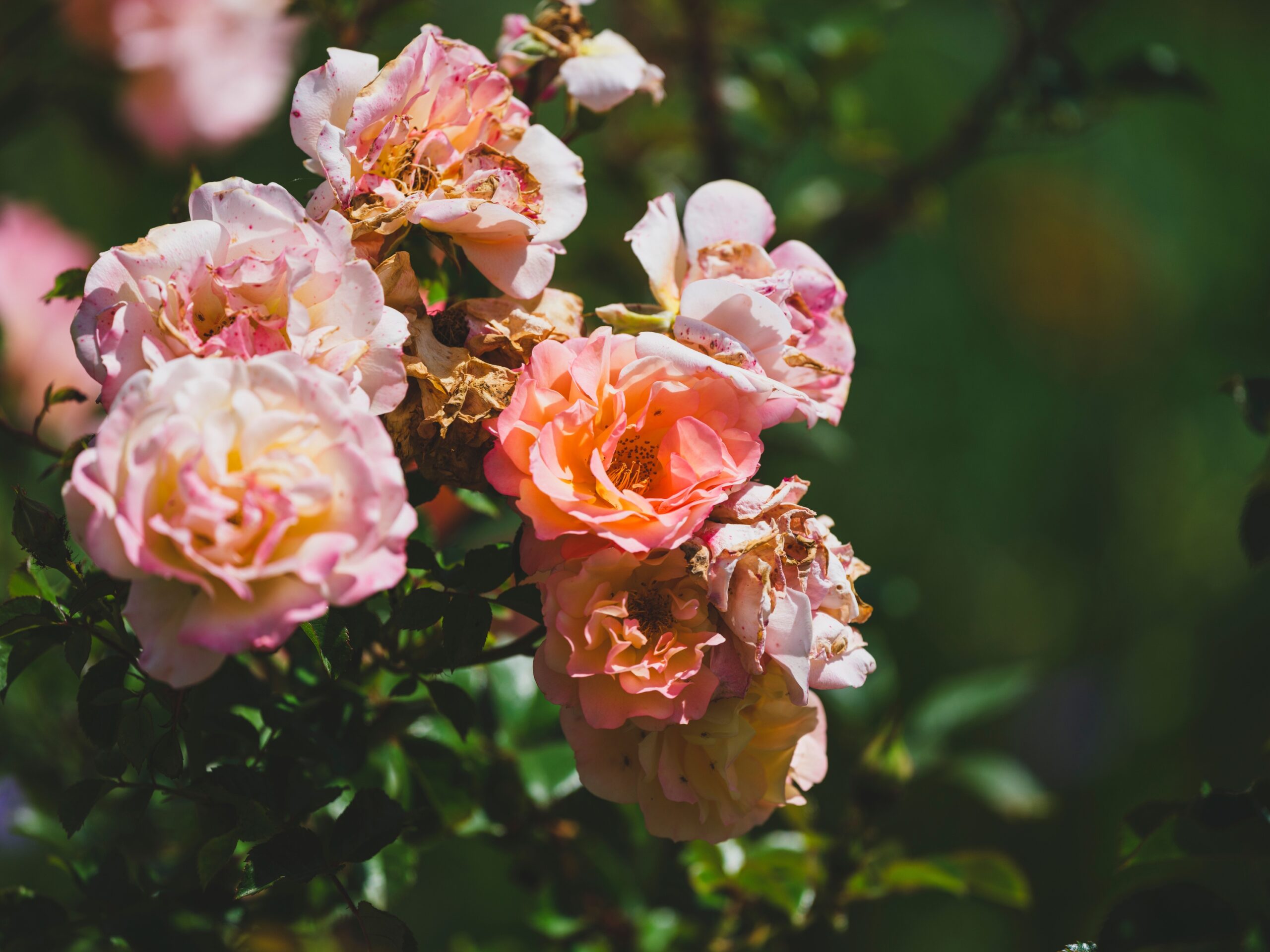

There’s a specific kind of sensory memory that catches you off guard. You brush past a certain shrub, or push open a garden gate, and for a half second you’re somewhere completely else. Grandmother’s garden. That unmistakable smell. It wasn’t just nostalgia at work, and it wasn’t a trick of childhood perception making everything feel more vivid.
The difference was real, measurable, and rooted in science. Over the past few decades, researchers have begun piecing together exactly why older gardens carried such a heavy, layered fragrance while modern ones often feel comparatively flat. The answers touch on genetics, soil biology, breeding history, air chemistry, and the quiet consequences of choosing beauty over scent. Here is what the evidence actually shows.
Heirloom Varieties Were Built to Smell
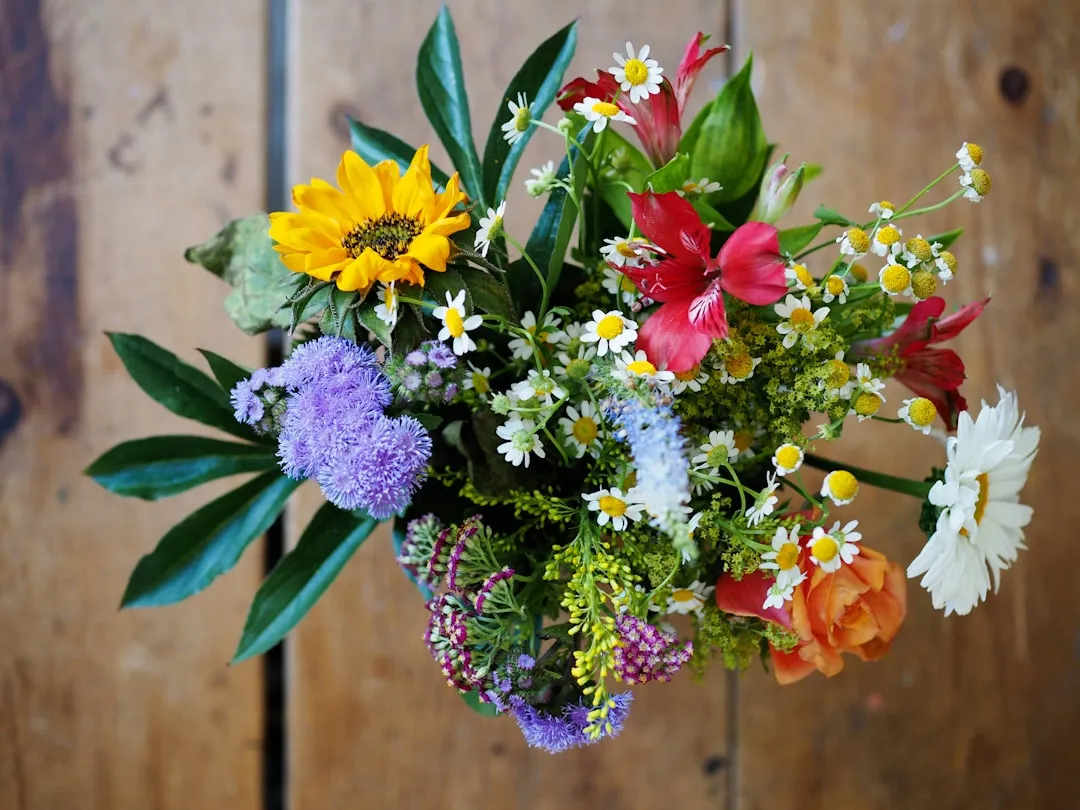
Flowers didn’t produce fragrance as a gift to humans. They did it to attract pollinators, and the varieties that survived long enough to become garden staples were the ones that did this exceptionally well. When choosing plants for a fragrant garden, heirloom varieties are the most reliable option, because modern breeders tend to focus on flower size, color, disease resistance, or plant shape when selecting new cultivars, and fragrance often falls by the wayside in that process.
Old-fashioned, open-pollinated varieties are therefore more apt to have a strong scent. Grandmother’s garden was likely full of exactly these kinds of plants, not because she was making a deliberate horticultural statement, but simply because those were the varieties available to her generation. They hadn’t been improved out of their fragrance yet.
Modern Breeding Traded Scent for Shelf Life
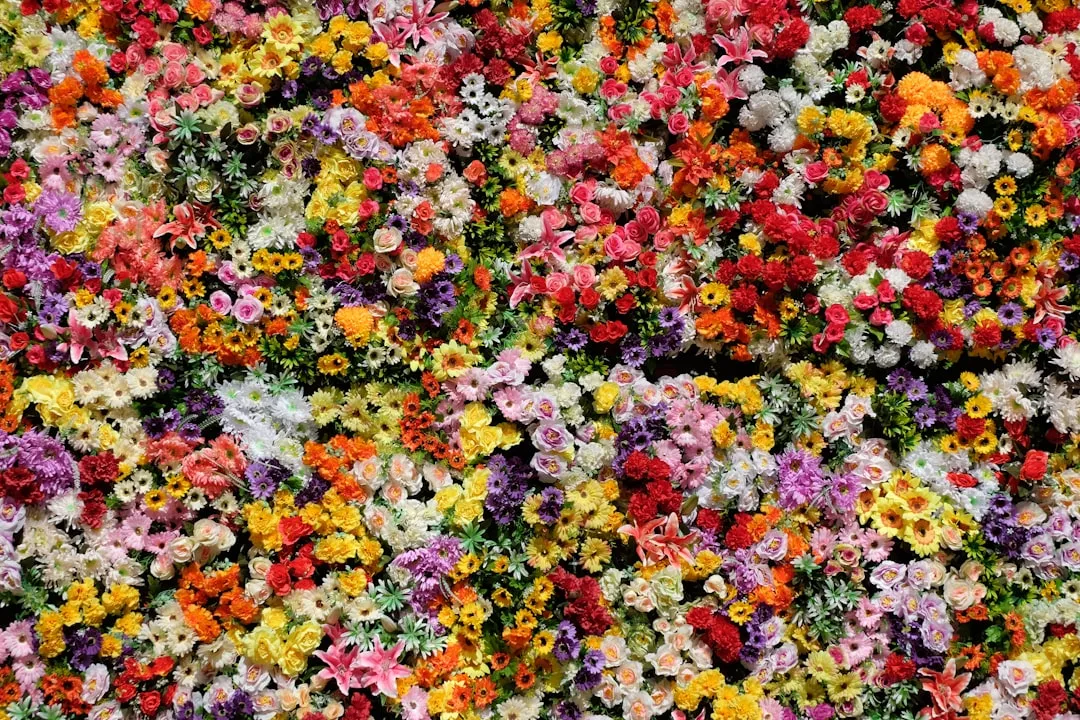
Walk through any supermarket floral section today and you’ll likely notice something missing. The roses are vivid, the petals symmetrical, the stems long and uniform, but the scent is barely there. This is not nostalgia distorting memory. It is a measurable, documented biological reality. Over the past century, commercial flower breeding has systematically stripped fragrance from many of the world’s most beloved blooms, trading volatile aromatic compounds for shelf life, visual uniformity, and disease resistance.
Flowers produce fragrance through specialized structures called osmophores, which synthesize and release volatile organic compounds. These molecules are metabolically expensive to produce. When breeders select for larger petals, longer vase life, or more saturated color, the genetic pathways governing scent production are often inadvertently suppressed or redirected. The plant has a finite metabolic budget, and when resources are channeled into one trait, they are frequently withdrawn from another.
Roses Tell the Most Dramatic Story
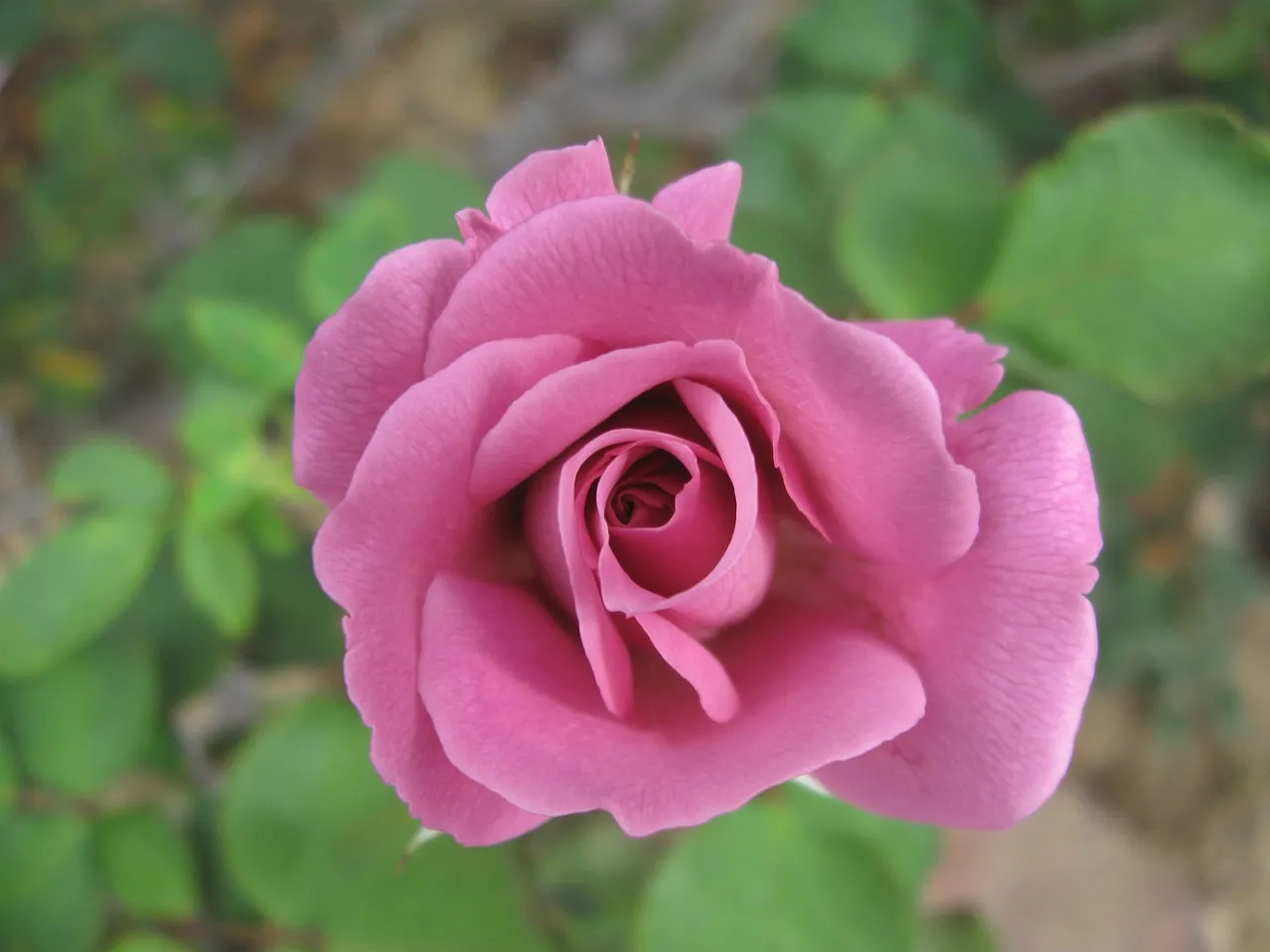
Rose is an economically important ornamental genus that has been cultivated for its scent for the perfume industry since antiquity. However, most modern roses have lost their fragrance during the later stages of the breeding process. This shift happened gradually and wasn’t the result of any single decision, but of accumulated priorities across generations of hybridization.
Methyl salicylate, eugenol, methyl eugenol, and benzyl acetate were lost during domestication and breeding of wild Rosa species to Chinese old garden roses and then to modern cultivars. These are precisely the kinds of compounds that gave grandmother’s roses their depth and complexity. Heirloom roses harken back to the days before large-scale hybridization of the species began in 1847. At that time, breeders worked to develop other desirable qualities like long stems or longevity. Over time, hybridization bred the scent molecules right out of the newly developed varieties.
The Old Damask and Centifolia Roses Carried Something Irreplaceable
![The Old Damask and Centifolia Roses Carried Something Irreplaceable (大馬士革玫瑰 Rosa de Rescht (Damask rose) [墨爾本 Werribee Rose Garden, Melbourne], CC BY-SA 2.0)](https://nvmwebsites-budwg5g9avh3epea.z03.azurefd.net/thegardenmagazine/5a95df34c8d7e5205082957a1649fc6f.webp)
Damask roses are prized for their intense perfume and have long been used to produce rose oil. Alba roses are known for their pale pink or white blooms and exceptional hardiness. Centifolia roses, sometimes called cabbage roses, are admired for their many-layered petals and rich scent. These were the roses more likely to be found in older gardens across Europe and North America.
Antique roses, varieties that can be hundreds of years old, are probably the most fragrant roses available, including the damask and alba types, though many bloom only once per season. That seasonal limitation was simply accepted as part of gardening in earlier generations, whereas modern consumers tend to expect continuous color from spring through fall. The shift in expectation changed what breeders produced, and what ended up in gardens.
The Soil Beneath the Garden Had Its Own Scent Chemistry
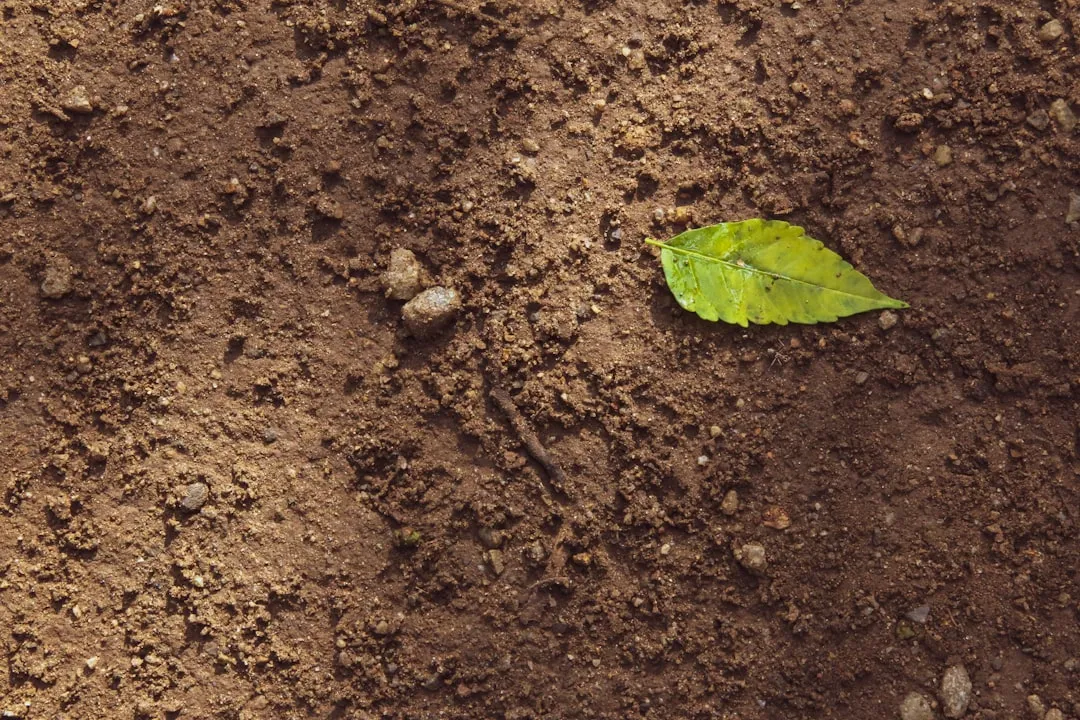
Streptomyces bacteria produce the chemical compound geosmin, which gives soil its earthy smell. That deep, damp, grounding aroma you associate with digging in a healthy garden comes not from the dirt itself, but from living microbes within it. Garden soil contains millions to billions of individual microorganisms, including bacteria, fungi, viruses, and archaea, representing tens of thousands of different microbial species.
The human nose is so sensitive to geosmin that it is detectable at one hundred parts per trillion. In other words, we can sense geosmin better than sharks can detect blood. Grandmother’s garden, more likely to have been undisturbed, composted, and free from synthetic inputs over many decades, would have had rich microbial communities producing this compound in abundance. A newer, treated garden soil simply may not carry the same microbial density.
Long-Tended Soil Builds a Scent History
The earthy taste we get from root vegetables like beets, and the smell of garden soil, is due to a compound called geosmin produced by soil microbes called Streptomyces. Humans are extremely sensitive to it. One hypothesis is that we evolved a sensitivity to geosmin to help us find areas with water, since it is strongest in recently wetted soils.
Gardens that have been cultivated for generations tend to have more biologically complex soil. The repetition of composting, mulching, planting, and leaving things undisturbed for long stretches allows microbial ecosystems to become genuinely diverse. The smell of geosmin is unmistakable: it’s the odor that permeates the air after a summer rain squall or fills your nose while gardening. It’s the smell of wet soil, an earthy, almost comforting scent. In a garden tended for fifty years, that smell was likely much stronger than in one that was only recently established.
Air Pollution Has Quietly Degraded Garden Fragrance

Air pollution dramatically reduces pollination because it degrades the scent of flowers, affecting bees’ ability to find them. A research team from the UK Centre for Ecology and Hydrology and the Universities of Reading, Surrey, Birmingham, and Southern Queensland found that ozone substantially changes the size and scent of floral odor plumes. It reduced honeybees’ ability to recognise odours by up to 90% from just a few metres away.
This effect isn’t only relevant to pollinators. If the volatile organic compounds that make flowers smell are being chemically broken down before they even reach a nose, the garden as a whole smells weaker. Air pollution breaks down the molecules that make up the aroma of flowers. Ozone can cause lavender to develop sour notes. Eucalyptus, meanwhile, might start smelling like orchids. Urban and suburban gardens today exist in a different atmosphere than those of fifty or seventy years ago, and that difference registers in the nose even if we can’t always explain why.
The Scent of Foliage and Herbs Played a Bigger Role Than We Remember
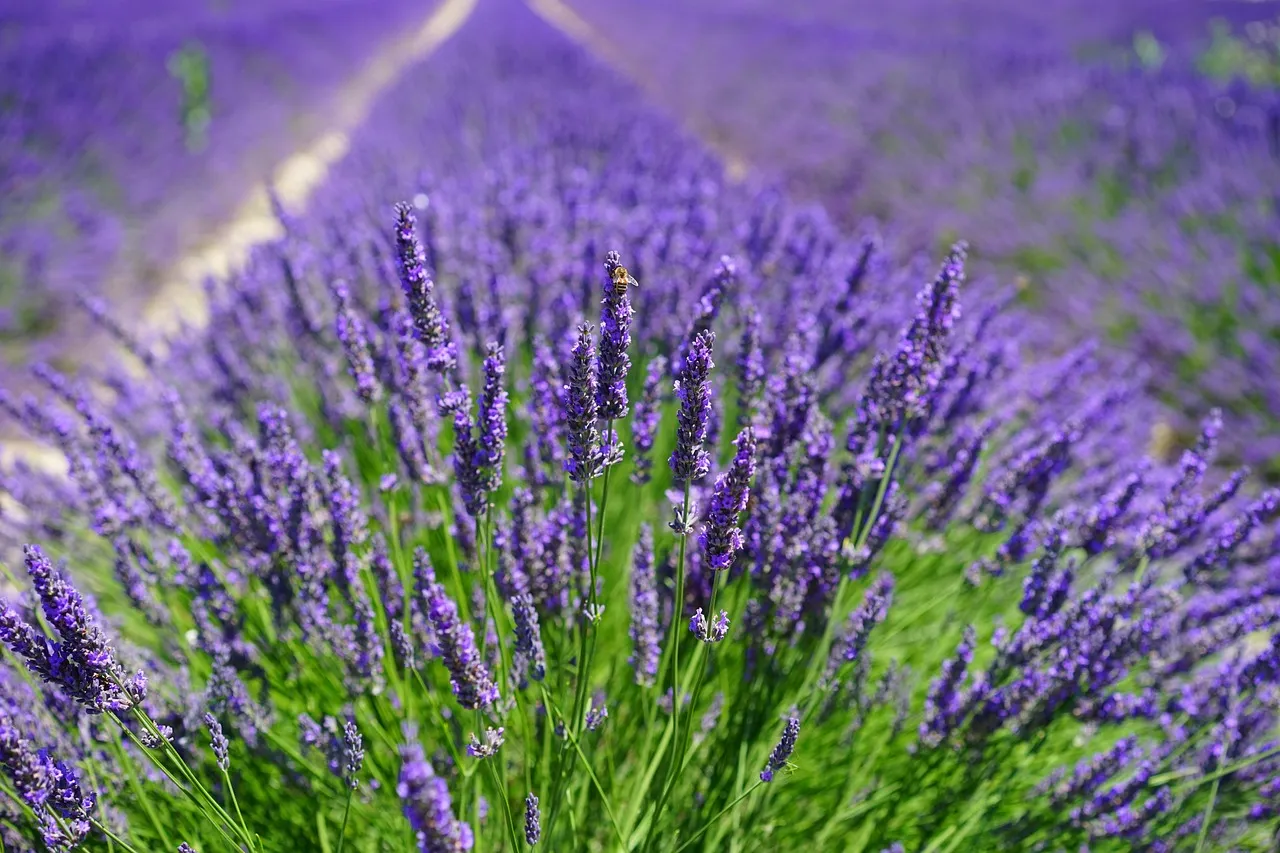
Not all fragrance comes from flowers. The foliage of scented geraniums gives a creative gardener a diverse scent palette to work with: lemon, rose, peppermint, pine, cinnamon, clove, chocolate mint, strawberry, and many more. Many of the leaves have interesting shapes and variegated colors too. Planting scented geraniums near doors and sidewalks allows you to rub the leaves and inhale deeply as you go by.
Older gardens were rarely purely ornamental. Many included patches of rosemary, thyme, lavender, and mint grown for cooking, medicine, or simply habit. Plant scents are a combination of complex chemicals that evaporate and float through the air to attract pollinators or deter pests. No two plants produce exactly the same scent. A garden mixing flowering plants with culinary herbs created a layered aromatic environment that purely decorative plantings rarely replicate.
Our Noses Are Wired to Remember Garden Smells
Information about scent not only travels to the brain for identification, but also travels to the limbic system, the brain’s emotion and memory bank. That’s why the smell of a flower, say the lily of the valley that your grandmother used to grow, can evoke a sudden rush of memories. This neurological shortcut explains why grandmother’s garden feels so distinct in memory, even decades later.
Floral and herbal scents have been loved and distilled for centuries. They can be tied to memories and emotions, eliciting a cognitive response to familiar or comforting scents. So some of what we perceive as a stronger smell in that remembered garden may genuinely reflect a more fragrant environment, but some of it is also the way scent memories encode more deeply than visual ones. Both things are true at once, and they reinforce each other.
There’s a Slow Movement to Bring Fragrance Back
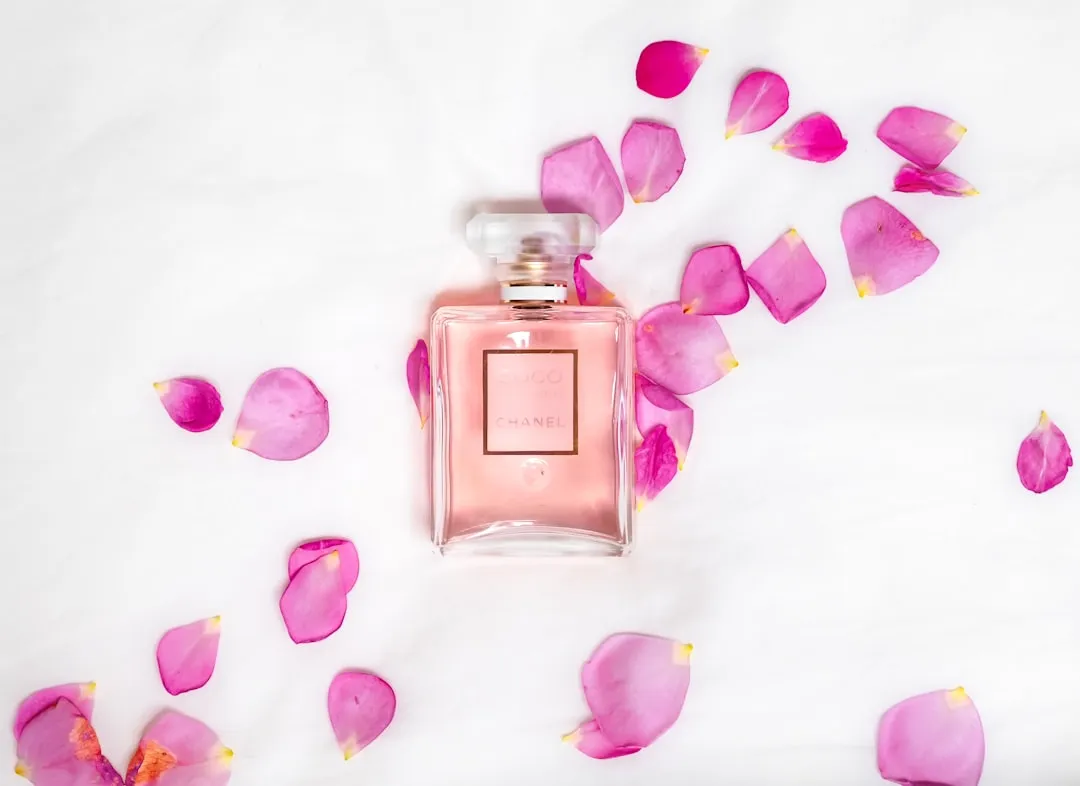
There has been a resurgence in fragrance as a desirable trait, and in recent years breeders have been creating some varieties expressly for the scent they bring along with all that beauty. Researchers are now mapping the specific genetic pathways responsible for scent compounds, with a goal of reintroducing them into modern cultivars without sacrificing disease resistance or vigor.
Floral scent plays a pivotal role in maintaining ecological equilibrium within plant populations and ecosystems while also bearing significance for human well-being. The scientific interest is not purely nostalgic. Volatile organic compounds with a large chemical diversity are emitted by plant flowers. These compounds play an important role in the ecology of plants, serving roles in pollination, defense, adaptation to their environment, and communication with other organisms. Bringing fragrance back to gardens isn’t just about recapturing something lost. It may be genuinely important for ecosystem health.
The Takeaway
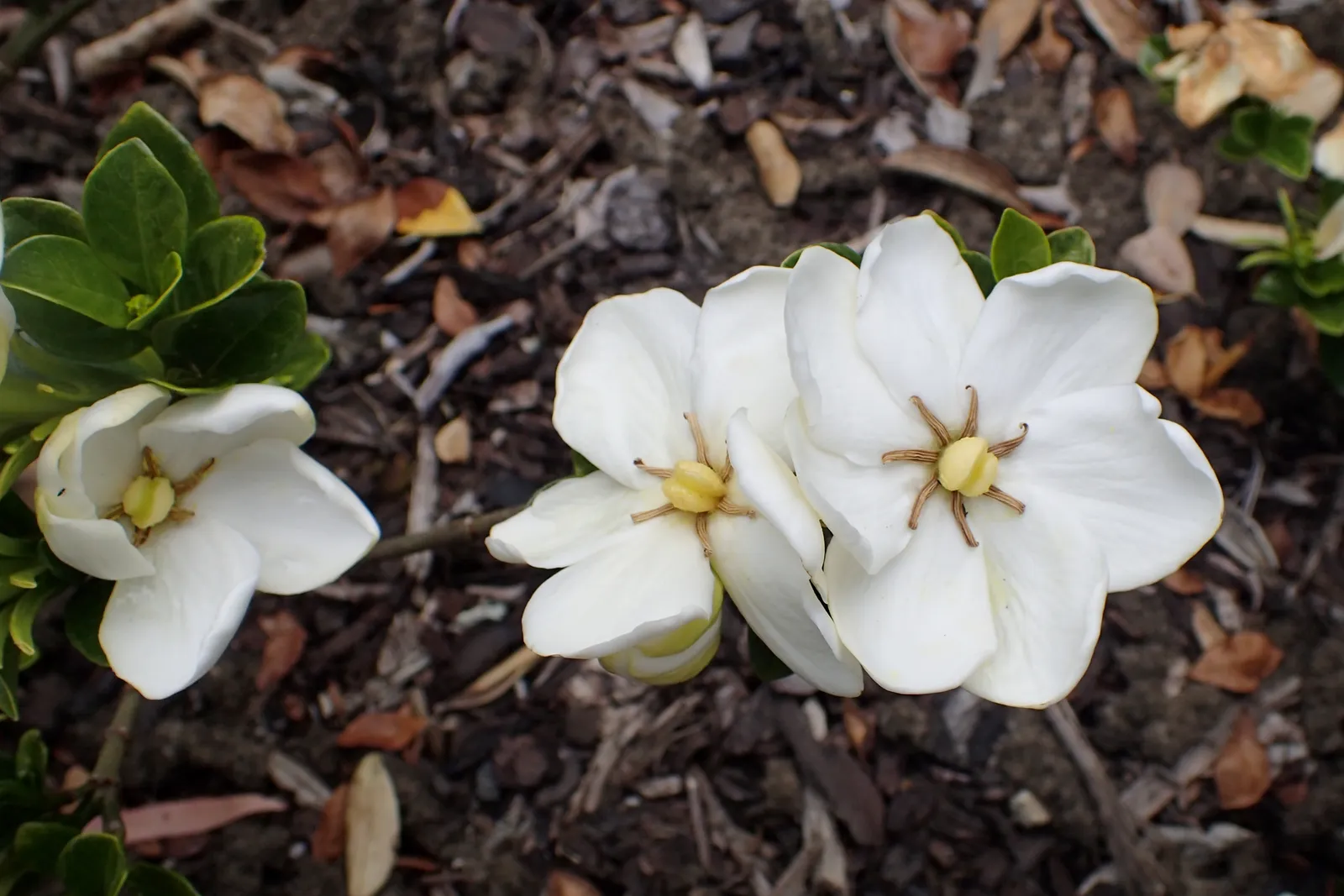
Grandmother’s garden smelled different because it was, in multiple measurable ways, genuinely more fragrant. The plants carried intact scent genes that decades of commercial breeding have since selectively suppressed. The soil had accumulated biological richness over time, producing earthy aromatic compounds that newer, disturbed ground simply doesn’t match. The air itself may have been cleaner, allowing volatile compounds to travel further and remain intact.
None of this is irreversible. Heirloom varieties are still available. Soil health can be rebuilt. The science of floral fragrance is now a serious field of study, and breeders are paying attention again after a long period of neglecting scent entirely. Grandmother’s garden is less a lost world than a set of forgotten priorities, ones that are quietly, slowly making their way back into the conversation.
AI Disclaimer: This article was created with the assistance of AI tools and reviewed by a human editor.