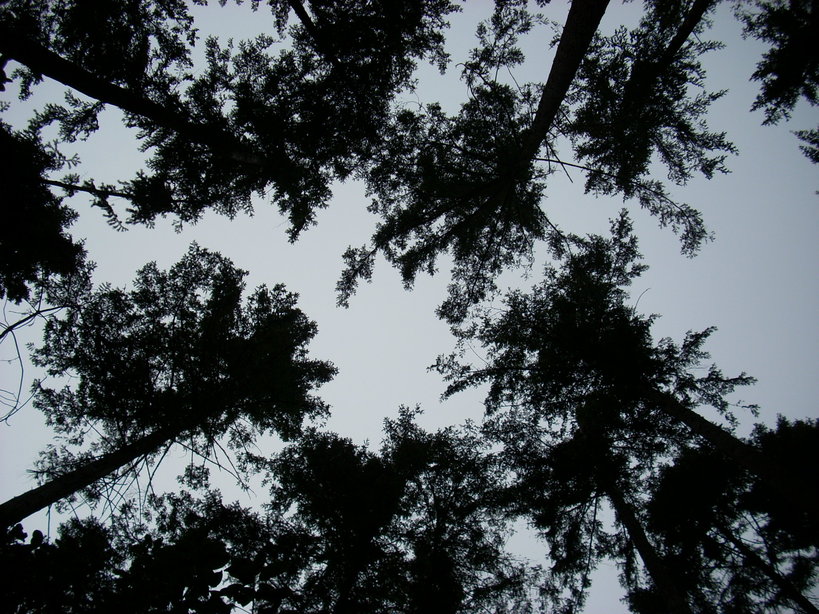

Walk through a dense forest and you’ll notice something quiet but telling: the tall trees barely have a single living branch below their mid-canopy. The lower trunk is bare, sometimes for dozens of feet. This isn’t damage or disease. It’s a deliberate biological process, one the tree itself controls.
The phenomenon has a formal name, self-pruning, and its inner workings are more layered than most people realize. Far from being passive, dying tissue, these shed branches are let go as part of an active survival calculation. Here’s what the science says.
A Tree’s Version of a Cost-Benefit Analysis
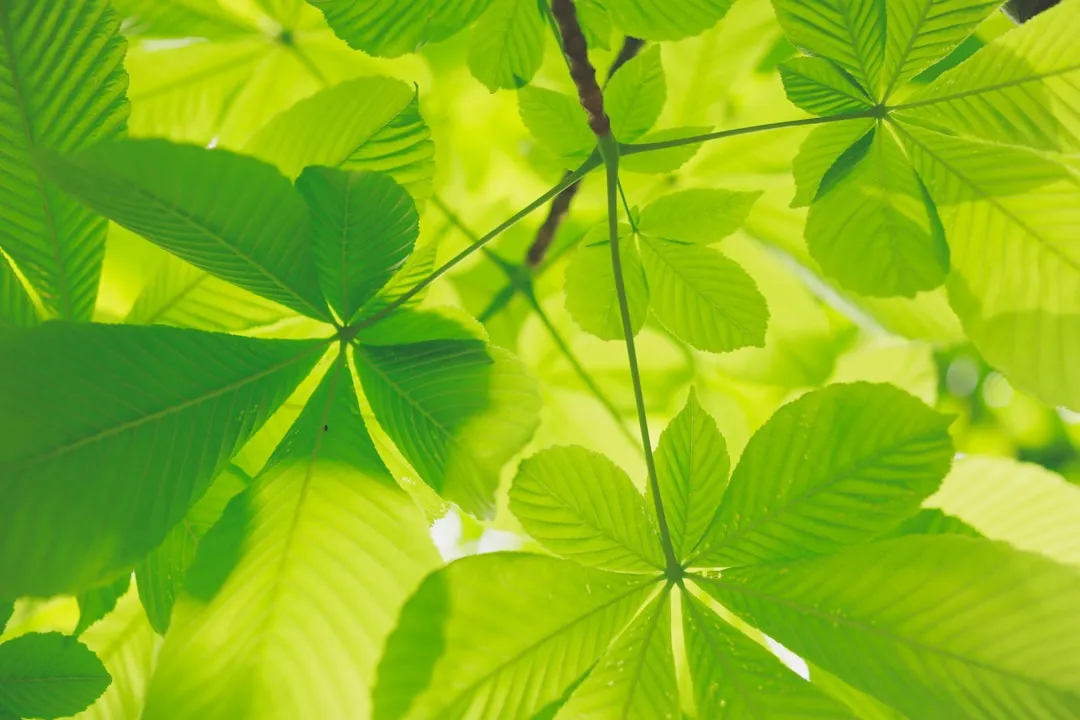
Instead of a forester choosing which branch to prune and when, the tree makes the call, withholding its investment of food, minerals, and water from any branch that fails to produce at least as much carbohydrate as it consumes. It’s a surprisingly clean economic logic operating at the cellular level.
Any branch that remains a productive contributor, paying its way in the tree’s overall energy budget, will persist. Any that don’t get shut off. Access to light is the driver of overwhelming importance in this balance between photosynthesis and respiration.
What Self-Pruning Actually Means
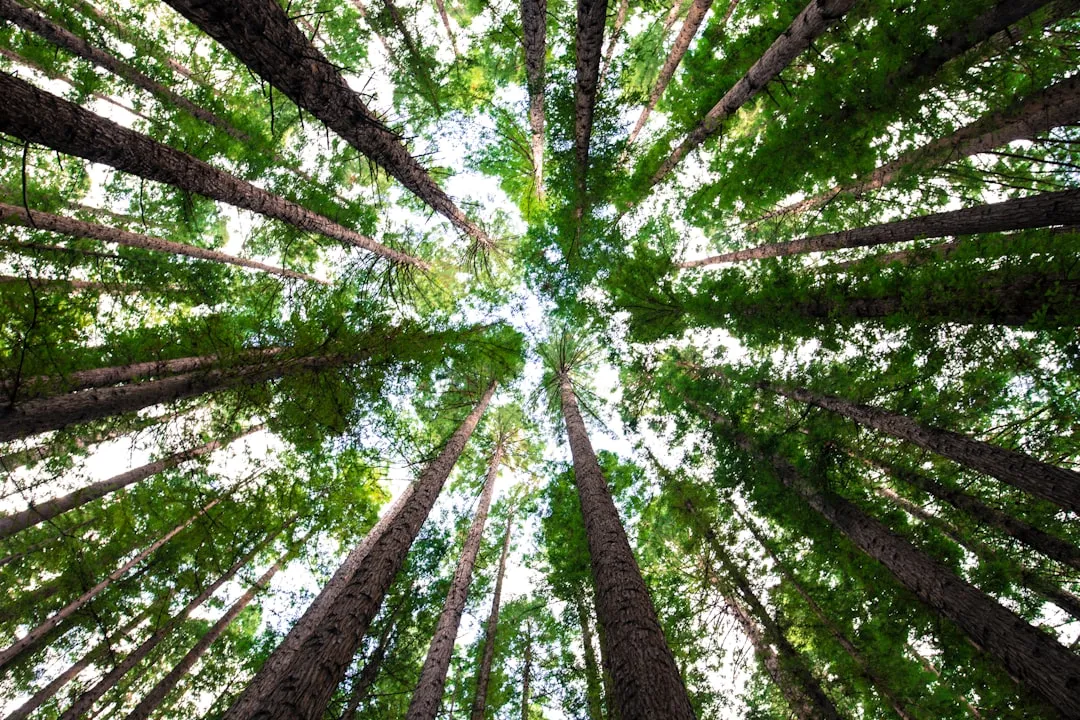
Self-pruning defines a crown’s base and depth and shapes the structure of entire stands. It’s not just a single tree’s affair. The way a species handles branch loss ripples through the entire forest ecosystem.
Self-pruning tends to occur in older branches of the lower crown as they become more and more shaded during stand development. Over time, as taller neighbors or the tree’s own upper canopy blocks out the light below, those lower branches simply stop earning their keep.
The Carbon Sink Problem
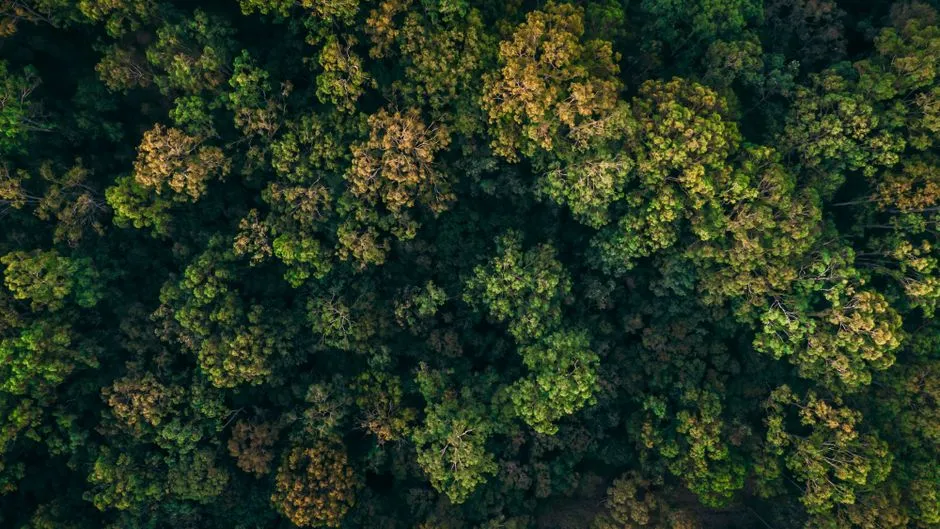
Researchers have often conjectured or assumed that individual branches are pruned as diminishing access to light causes them to transition from net carbon sources to sinks, an idea that has received some empirical support. When a branch stops photosynthesizing enough to cover its own metabolic costs, it becomes a drain on the whole tree.
Self-pruning is often thought to occur after shading causes individual branches to transition from carbon sources to sinks. Under this assumption, resource-conservative and shade-tolerant species would be expected to initiate self-pruning under deeper shade because their branches require less light to maintain a positive carbon balance. Species with efficient, low-maintenance branches can hold on longer before the math stops working.
The Abscission Zone: Where the Separation Happens
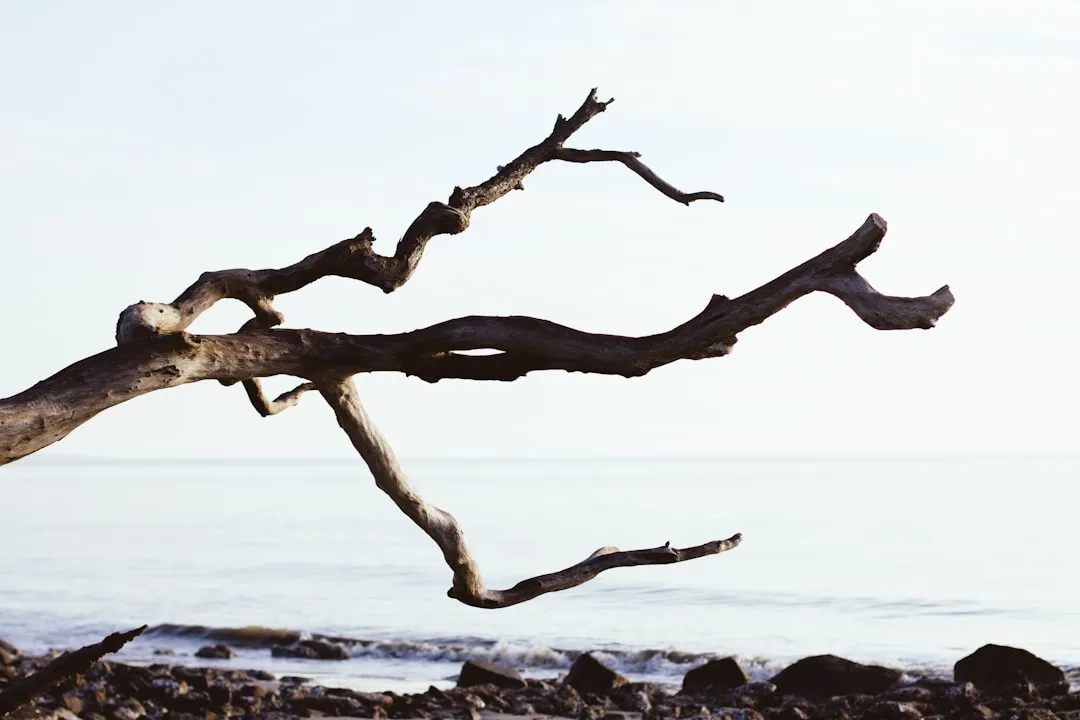
The shedding of plant parts begins with the formation of a specialized region called the abscission zone at the base of the organ to be shed. This zone consists of distinct layers of cells, smaller and more densely packed with cytoplasm than surrounding tissues.
The hormonal balance within the abscission zone largely governs the process. A decrease in the plant hormone auxin, which normally inhibits abscission, along with an increase in ethylene, a gaseous hormone that promotes shedding, triggers the next phase. It’s a tightly choreographed hormonal handoff, not a random cell collapse.
The sophisticated process of plant abscission involves several overlapping steps, including the differentiation of the abscission zone, activation of abscission, tissue detachment, and formation of a protective layer. That protective layer matters: it seals the wound so the trunk isn’t left exposed to pathogens.
Sealing Off the Branch
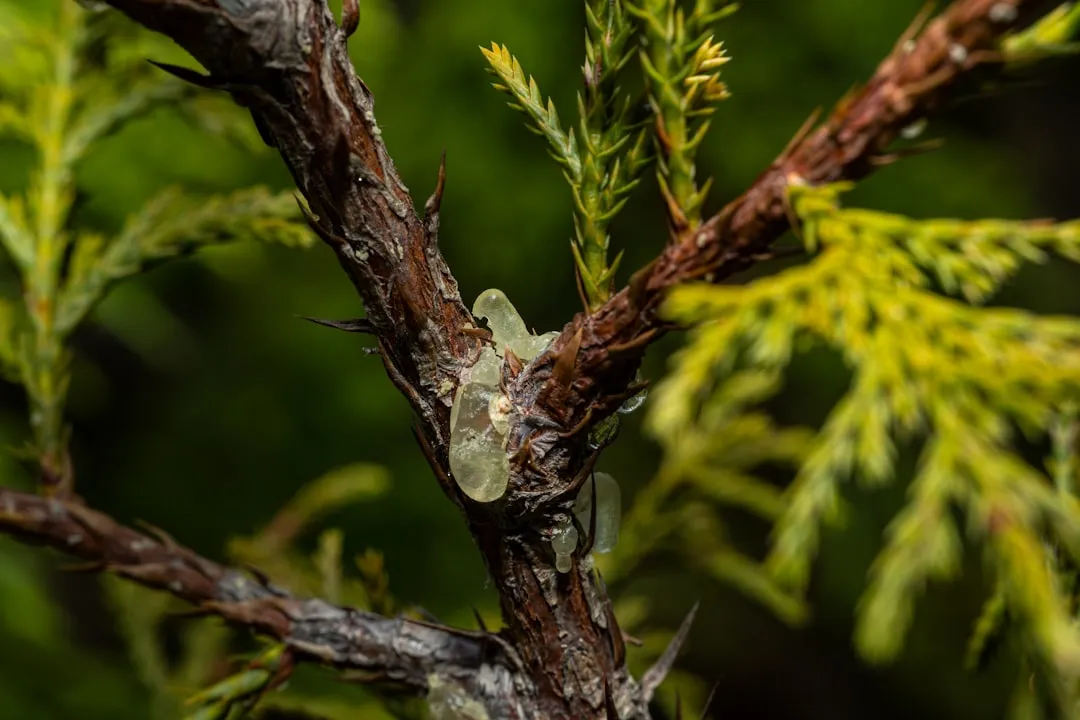
When the leaves on a branch no longer receive enough sunlight to photosynthesize and contribute energy for the tree, the tree deposits resins at the base of the branch to seal it off. This prevents the tree from wasting precious resources by supporting an unproductive branch.
The sealed-off branch dies and is weakened by fungi and insects before being broken off by wind, snow, or ice. In this way, external forces become the final stage of a process the tree itself initiated well before the branch ever fell.
Branches Are Not Fully Independent
For simplicity, branches are often taken to be autonomous, meaning they do not rely on carbon from other branches, and they live or die regardless of the carbon status of the whole plant. This assumption has long shaped forestry models.
However, some studies have challenged the idea of branch autonomy. For example, trees whose upper crowns are well-lit sometimes prune their lower branches at a higher level of light than trees that are fully shaded, an instance of “correlative inhibition.”
This phenomenon may result from preferential allocation of water and nutrients to branches that assimilate the most carbon, which may cause photosynthetic decline or hydraulic failure in shaded lower branches. The whole tree is influencing the fate of individual limbs, not just the limbs themselves.
Shade Tolerance Changes the Threshold
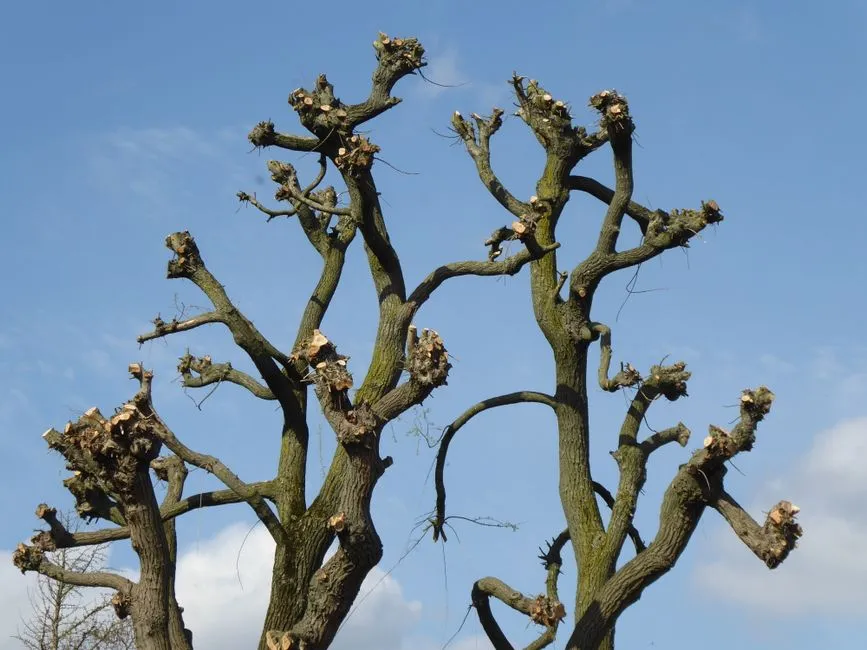
Different species of trees have varying levels of shade tolerance and self-prune their branches when they become too shaded for that species. Shade-intolerant Douglas-fir self-prunes its lower branches at a faster rate than shade-tolerant hemlock.
Lower branches die young on shade-intolerant trees like aspens, paper birch, red pine, elms, ashes, and cherries. These species have evolved to be fast and aggressive, investing heavily upward rather than spreading their energy across many lower limbs that will eventually be shaded out anyway.
The idea that late-successional, shade-tolerant species require deeper shade to initiate self-pruning may help explain why they have longer crowns with lower bases and themselves cast a deeper shade. The relationship between shade tolerance and branch retention is recursive and genuinely complex.
The Role of Neighbors
A 2025 study published in Functional Ecology by Kothari and colleagues examined self-pruning across temperate tree species in a diversity experiment in southern Quebec. The research showed that “correlative inhibition” may cause plants to preferentially allocate resources toward sunlit branches, and that trees with sunlit tops would initiate self-pruning at a higher light threshold.
Diversity in functional traits and especially in self-pruning strategy was positively related to crown volume. The most acquisitive and productive species in the experiment had much deeper crowns in mixtures with less acquisitive species than in the highly competitive environment of monocultures. Who your neighbors are genuinely changes how you manage your own branches.
Self-Pruning and Forest Carbon Accounting
Because dead branches lose carbon through time, self-pruning can also have a large, often overlooked influence on forest carbon accounting. This is an area where ecological detail and climate science intersect in ways that are only now getting serious attention.
Self-pruning in the lower parts of a tree crown defines the live crown base, and thus, along with tree height, determines crown depth, contributing to the complex, multi-layered vertical structure of light-limited forests. Getting that structure right in carbon models matters at scale.
Why Foresters Pay Close Attention
From a silvicultural perspective, since knots left by branches’ attachments to the trunk are a main cause of reductions in lumber grade, self-pruning and natural occlusion of knots over time often increase the value of wood. A tree that prunes itself efficiently produces cleaner, more valuable timber.
As a result, foresters often aim to choose species, environments, or planting conditions that reduce branching and increase self-pruning rates without compromising stand growth. It is one of those rare situations where a natural biological process perfectly aligns with commercial and ecological goals at the same time.
Self-pruning also serves as a defense mechanism, enabling the tree to shed diseased or infested branches to prevent the spread of pathogens or pests. This natural shedding is a long-term adaptation, ensuring the tree’s survival and structural integrity over time.
Final Thoughts
Trees don’t “choose” in the way animals do. There’s no brain, no deliberation. What they do instead is run a continuous, elegant resource calculation at the hormonal and cellular level, one refined by millions of years of selection pressure in light-competitive forests.
The result looks, from the outside, like a decision. A branch gets cut off. The wound gets sealed. The tree moves on, taller, cleaner, and more efficient than before. That’s not a bad outcome for a process that operates entirely without a mind.
As research from 2024 and 2025 continues to refine our understanding of how species identity, neighborhood competition, and whole-tree carbon status all feed into self-pruning behavior, it becomes clear that what seemed like a simple die-off is actually one of the more sophisticated survival strategies in the plant kingdom.
AI Disclaimer: This article was created with the assistance of AI tools and reviewed by a human editor.