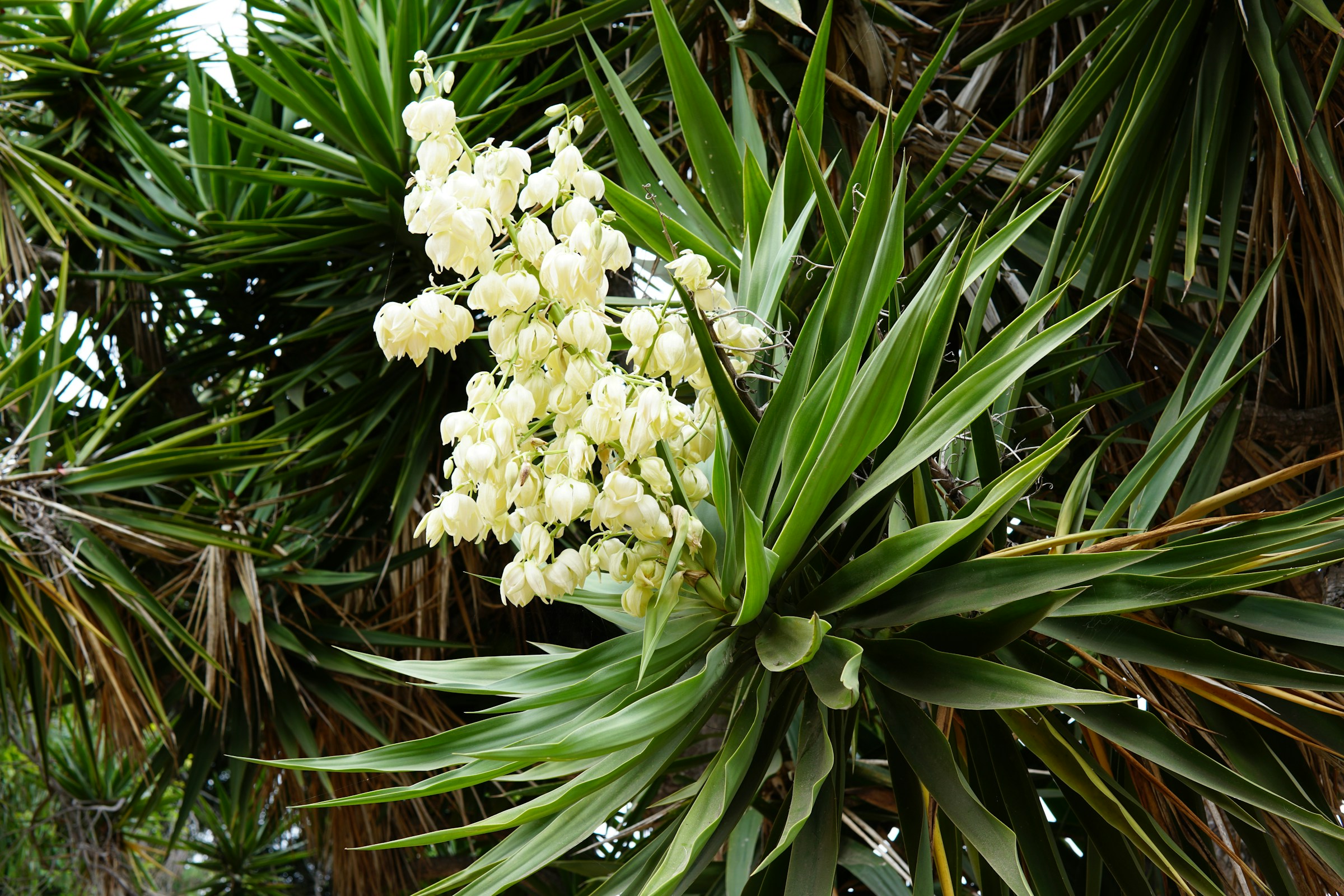

Most insects that carry pollen aren’t picky. A honeybee will visit hundreds of plant species in a single season. Butterflies drift from one flower to the next with no particular loyalty. Moths are nature’s secret pollinators, visiting more flower species than bees and butterflies while the world sleeps. That makes it all the more striking when one moth does the opposite: it binds its entire existence to a single plant, refusing to visit anything else.
That moth is the yucca moth. Its story is one of the most precise ecological partnerships ever documented, and it raises a question that biology keeps returning to: how does something so locked-in, so mutually dependent, survive at all?
A Partnership with No Exit
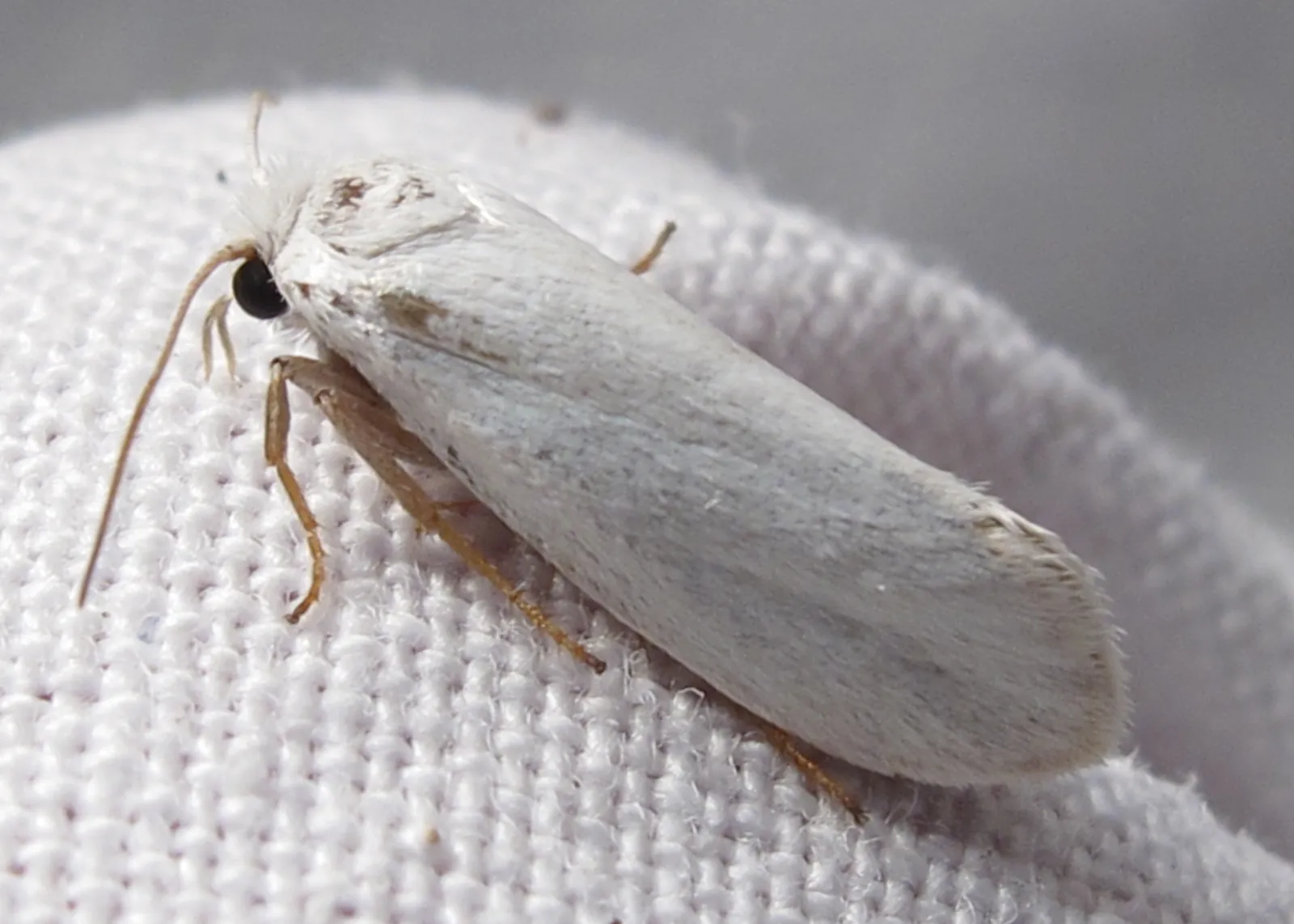
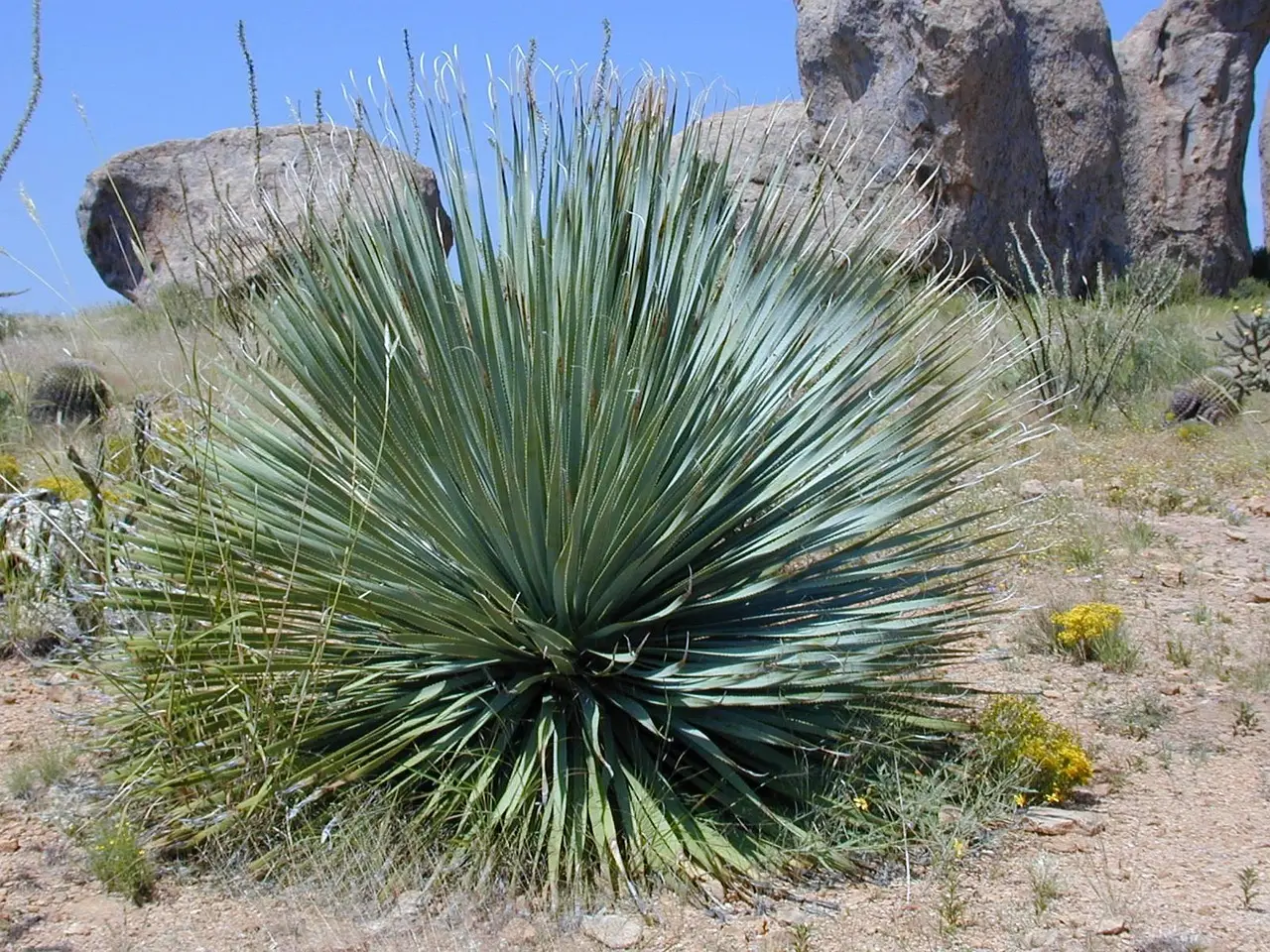
The yucca plant and yucca moth relationship represents an obligate mutualism, a biological partnership where both species completely depend on each other for reproduction. This is not a loose arrangement or a convenient habit. It is a biological contract with no workarounds.
The yucca has only one pollinator, the yucca moth. The yucca moth has only one food source, the yucca plant. Remove one, and the other collapses. That level of dependency is rare in nature, and it raises the stakes enormously for both species.
The interaction among yuccas and yucca moths is cited as a classic example of the importance of mutualism in specialization and diversification. Biologists have studied it for well over a century, yet new layers of complexity keep surfacing.
First Described in 1873
First described in 1873, the yucca-yucca moth pollination system is now considered the archetypical example of a coevolved intimate mutualism. That original description captured a behavior so unusual that it took time for the scientific community to fully accept it.
First described in 1873, the yucca-yucca moth pollination system is now considered the archetypical example of a coevolved intimate mutualism. Research conducted over the past three decades has transformed our understanding of yucca moth diversity and host plant interactions.
The system keeps revealing new details. A landmark 2024 review in the Annual Review of Entomology, authored by Smith and Leebens-Mack, confirmed how much remains to be understood, noting that the diversity and ecology of these moths continue to surprise researchers even 150 years after the initial discovery.
The Mouth Tentacles That Changed Everything
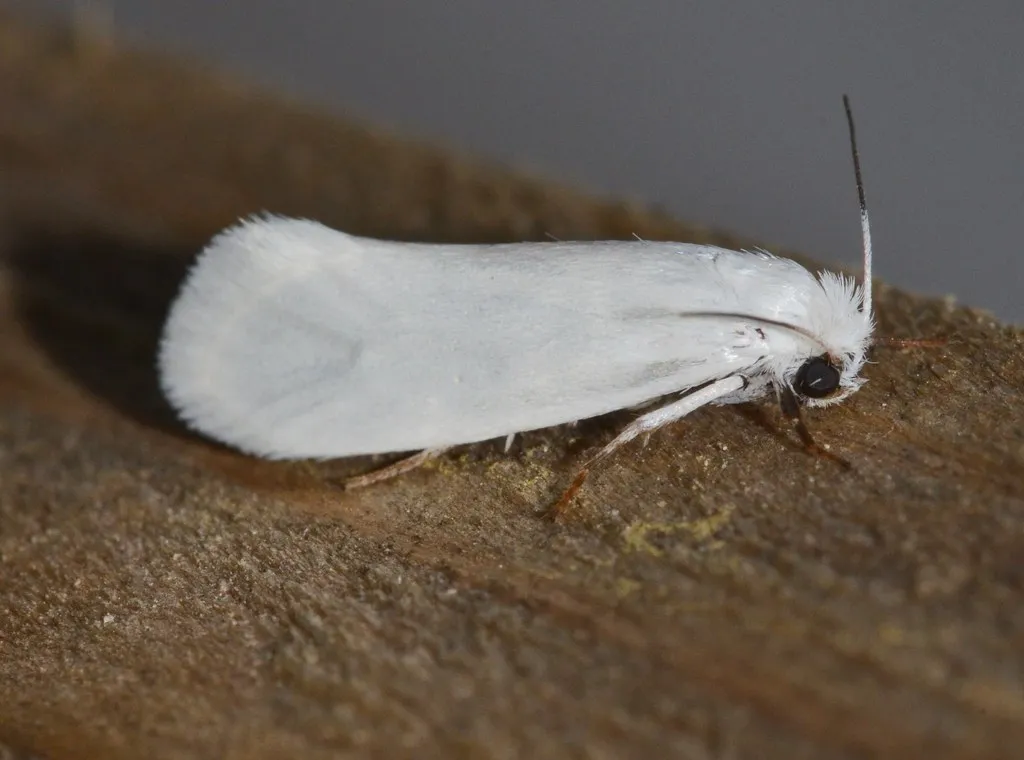
Yucca moths (Tegeticula and Parategeticula) are specialized pollinators of yucca plants, possessing unique, tentacle-like mouthparts used to actively collect pollen and deposit it onto the flowers of their hosts. These tentacles are found nowhere else in the insect world in the same form.
The well-known obligate pollination mutualism between yuccas and yucca moths is a major model system for studies of coevolution, and it relies on the key innovation in the moths of complex tentacles used for pollen collecting and active pollination. These structures lack apparent homology in other insects, making them a rare example of a novel limb.
The pollen mass may approach 10,000 grains and weigh up to roughly ten percent of the moth’s body mass. The moth carries that load deliberately, pressing it onto the flower’s stigma before laying her eggs. No other moth does anything quite like it.
An Active Pollinator, Not a Passive One
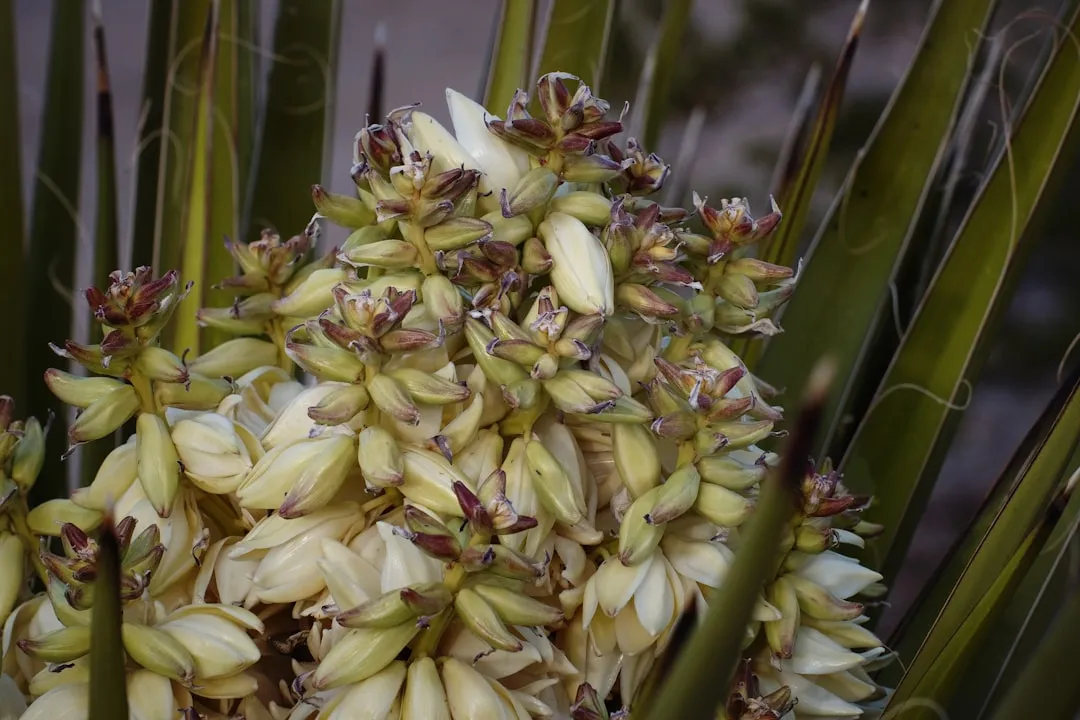
Most pollinators transfer pollen accidentally. A study published in Biology Letters found that more pollen is transported on the moth’s ventral thorax, its chest, rather than on its proboscis. As moths sit on flowers while feeding, their furry bodies touch the plant’s reproductive organs, resulting in an abundance of pollen carried to subsequent blooms. The yucca moth, however, goes several steps further.
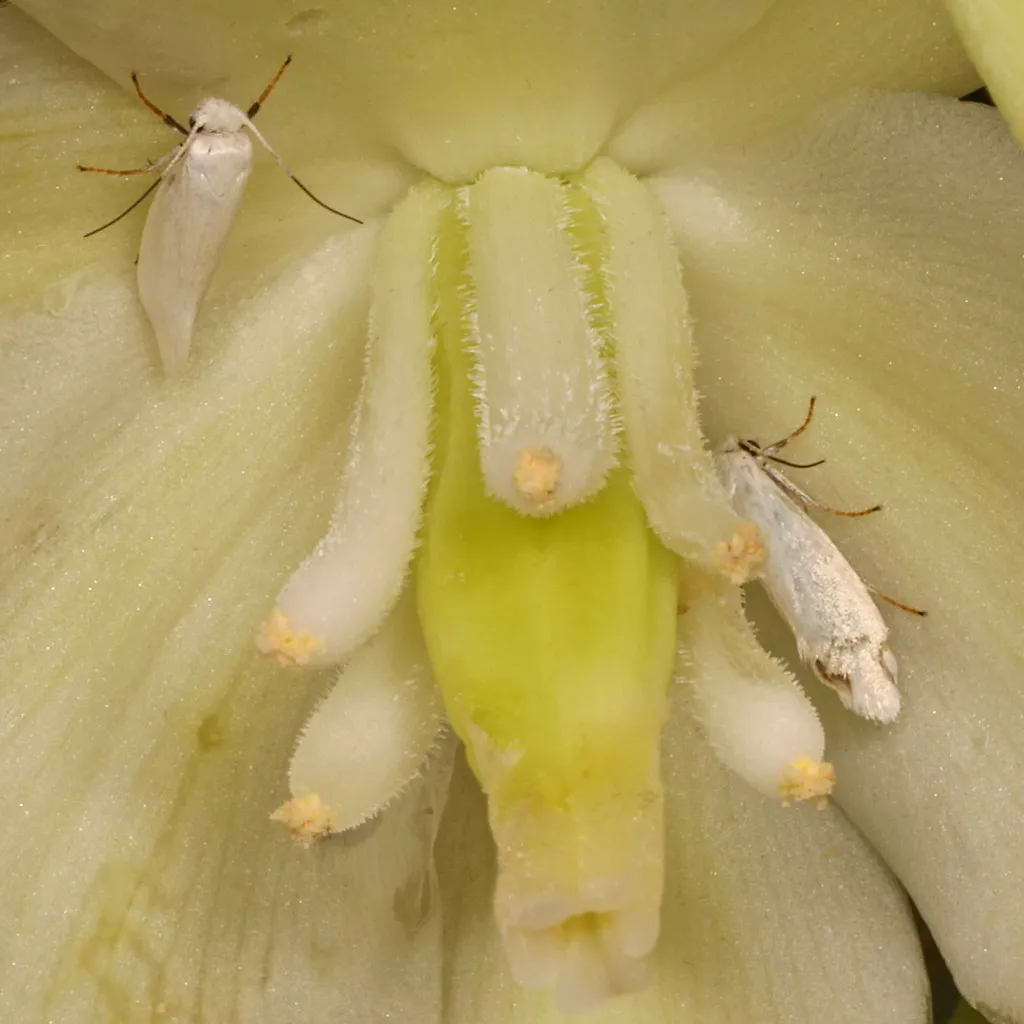
The uncommon pollination interaction between yucca and yucca moths involves active pollen collection and deposition employing behaviors that serve the exclusive function of transferring pollen between flowers. The moth is not visiting the flower to feed. It is there to work.
The yucca moth intentionally fertilizes Joshua trees, using a set of special tentacles to carry balls of pollen from flower to flower. Adult yucca moths don’t eat a single bite during their adulthood, which lasts only five days. Five days alive, with no food, doing nothing but pollinating and laying eggs. It is a tight, brutal schedule.
Egg-Laying and the Seed Bargain
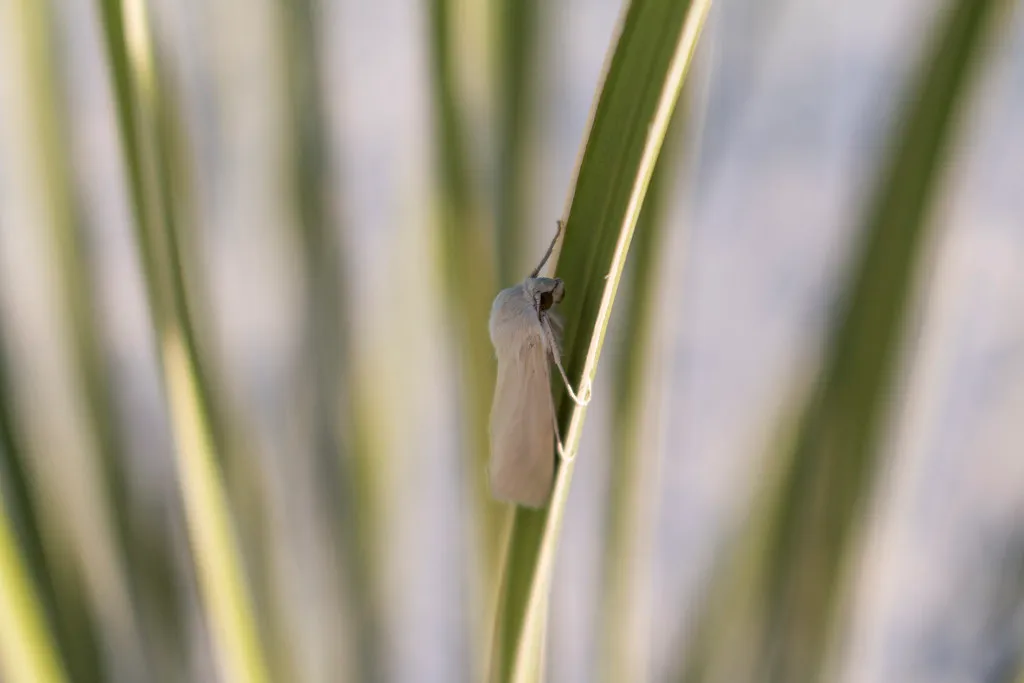
Yuccas are only pollinated by yucca moths, and yucca moth larvae only feed on yucca seeds. A female deposits eggs into the flowers and then actively pollinates using specialized mouthparts called tentacles, ensuring food for her developing offspring. The sequence matters: the moth pollinates the flower it lays eggs in, guaranteeing seeds will develop for her larvae to eat.
Along with pollen, female pollinators also deposit their eggs into female flowers. The ovules of the developing fruit then become the nursery and primary food source for the pollinator’s offspring. It is a tightly choreographed exchange.
The overall interaction is mutualistic because moth larvae only eat a small proportion of the developing seeds. The yucca gets pollinated. The moth’s larvae get fed. The plant does not lose all its seeds, only some. Both parties come out ahead, which is why the system has persisted for tens of millions of years.
Forty Million Years in the Making
Contemporary studies using DNA analysis have traced this relationship back approximately 40 million years, making it one of the oldest documented obligate mutualisms. To put that in context, 40 million years ago, the Rocky Mountains were still being shaped, and the deserts we recognize today did not yet exist.
For over 40 million years, these two organisms have coevolved to a point where reproduction for both hinges entirely on the other’s presence and behavior. That is an extraordinary length of sustained dependency.
Interestingly, the evolutionary story is more complicated than simple coevolution. The traits found in yucca plants and yucca moths that enabled them to cooperate were originally suspected to have arisen due to coevolution. However, the majority of these traits appear to have been present before yuccas became the host plant. There is a delay in speciation of yucca moth lineages compared with the phylogenies of yucca plants, suggesting that coevolution was not the main driving force of the mutualistic relationship.
More Than One Species of Yucca Moth

It is worth being precise here. The “yucca moth” is not a single species but a group. The yucca-yucca moth interaction includes over 22 species of pollinating moths in two genera. Each yucca species tends to pair with its own specific moth species.
The relationship between yucca moths and yucca plants is an example of obligate mutualism. Many species of yucca plant can be pollinated by only one species of yucca moth, while those yucca moths use the yucca flowers as a safe space to lay their eggs.
The Joshua tree is a well-known example of this. Recent studies have revealed that the plants commonly known as Joshua trees include two distinct sister-species: Yucca brevifolia and Yucca jaegeriana, each pollinated by two sister-species of yucca moth, Tegeticula synthetica and Tegeticula antithetica, respectively. The specificity runs deep, right down to the species level on both sides.
The Cheater Problem
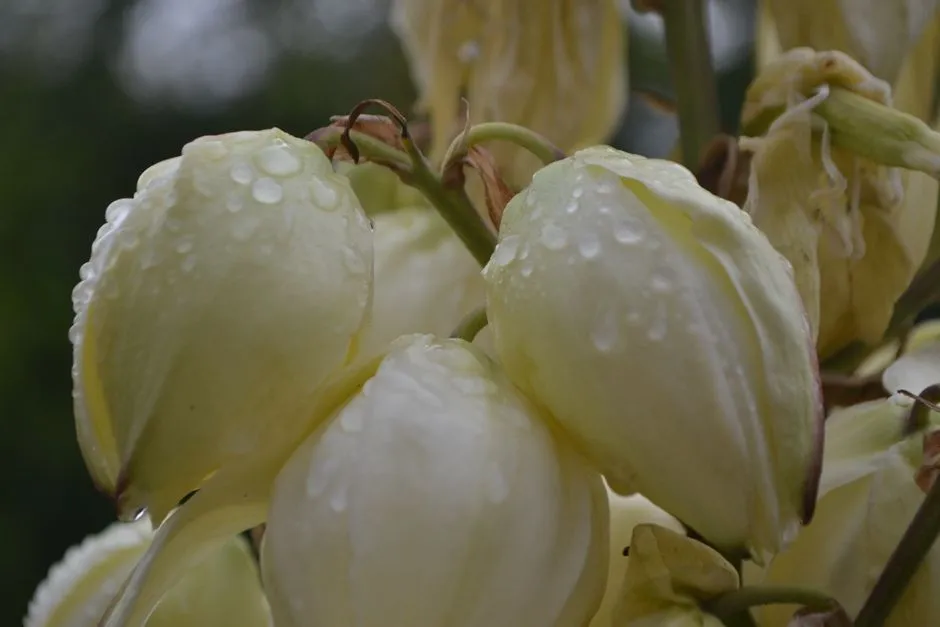
Every mutualism carries the risk of cheating, and the yucca-moth system is no exception. Some moths lay eggs without pollinating, taking the food resource for their larvae without contributing anything in return. Specialized brood pollination systems involve both mutualism and antagonism in the overall interaction and have led to diversification in both plants and insects. Although largely known for mutualism, the role of the antagonistic side of the interaction in these systems has been overlooked. Specialization may be driven by plant defenses to feeding by the insect larvae that consume and kill developing plant ovules.
Selective abortion of yucca flowers with high egg numbers prevents competition among larvae of the yucca moth Tegeticula yuccasella. The plant can effectively punish over-exploitation by dropping flowers that have been over-loaded with eggs. It is a form of enforcement built into the biology of the relationship.
Climate Change Is Pulling the System Apart

The real threat facing the yucca-moth mutualism today is one neither species evolved to handle. Joshua trees are imperiled by climate change, with decreases in suitable habitat predicted under future climate change scenarios. As the range of suitable desert habitat shifts, the question becomes whether the moth can keep pace.
According to research, yucca moths, which the Joshua tree relies on to reproduce, aren’t healthy in the few places where Joshua trees can survive the heat. The refuges that might protect the plant are not necessarily viable for the moth. If the yucca moths don’t survive in the park’s cold pockets, Joshua trees won’t make it long either, and both species will disappear from the park.
In 2020, the Dome Fire swept through Southern California’s Mojave National Preserve, blackening nearly 70 square miles of highly biodiverse desert. The conflagration killed 1.3 million Joshua trees, including most of those on Cima Dome, one of the largest and densest Joshua tree woodlands in the world. Then in 2023, the York Fire swept through and burned a large section of adjacent Joshua tree forest, killing another roughly one million trees. Each fire wipes out not just trees, but the habitat that sustains the moths that depend on them.
Why This System Matters Beyond the Desert
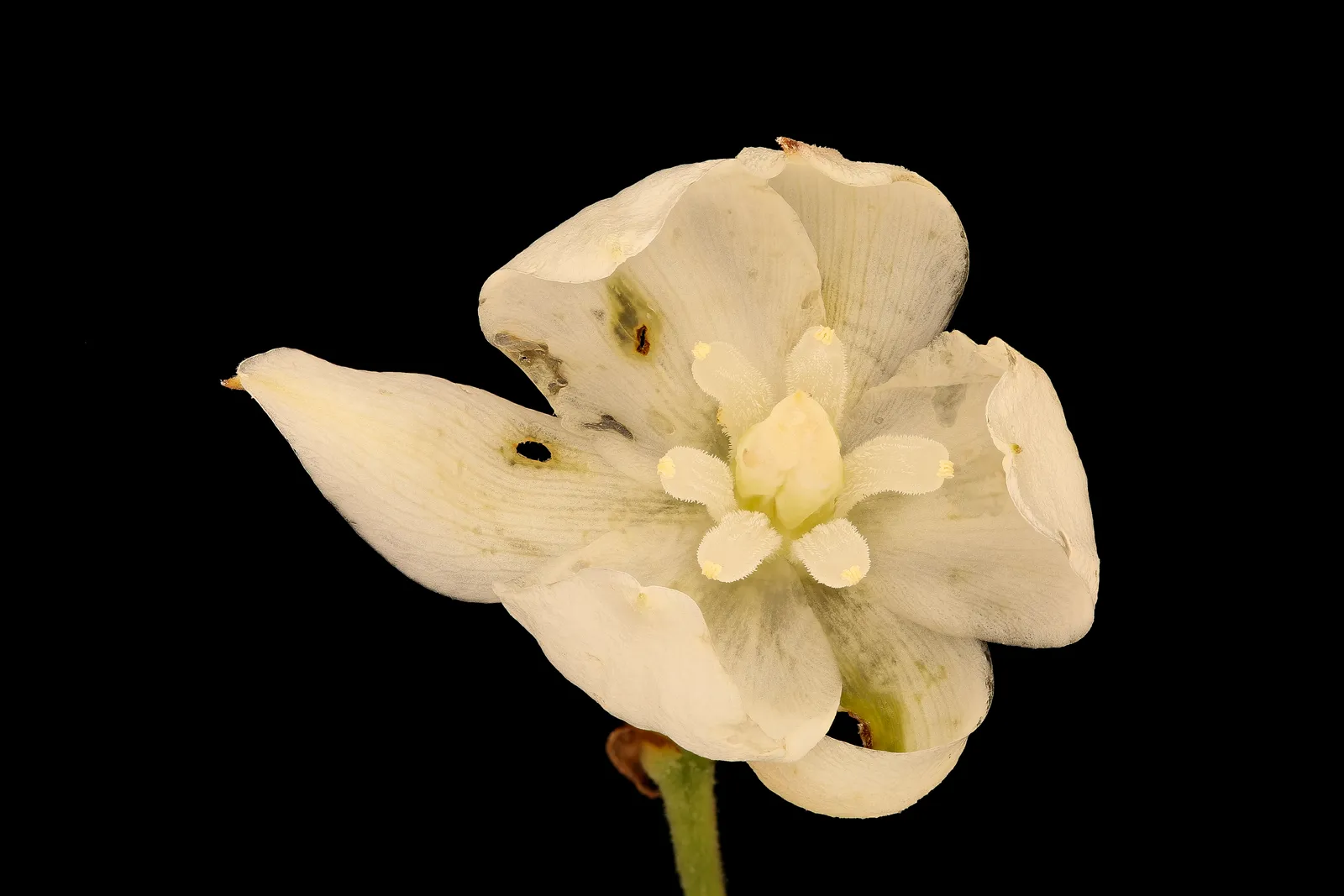
Today, insect pollination is generally associated with flowering plants, and for good reason. There are more than 300,000 flowering plant species, and roughly 90 percent of them rely, to some extent, on insects to transfer pollen from one flower to another. Within that vast web, obligate mutualisms like the yucca-moth system represent the most fragile threads.
In obligate pollination mutualisms, insect pollinators generally transport pollen between the male and female flowers of a single host plant species. The loss of one partner can spell the end for both. Without their sole pollinators, Joshua trees will perish regardless of whether their seeds can make the journey. Understanding these symbiotic relationships becomes even more essential when developing strategies for responding to climate change.
A 2025 court ruling in California signaled that federal agencies can no longer ignore how climate change affects young Joshua trees specifically, not just mature ones. U.S. District Judge Wesley L. Hsu ruled that it is “essential that the Service considers climate change’s effect on habitat suitability in relation to young Joshua trees.” Protecting the tree, in practice, means protecting the moth.
The Takeaway
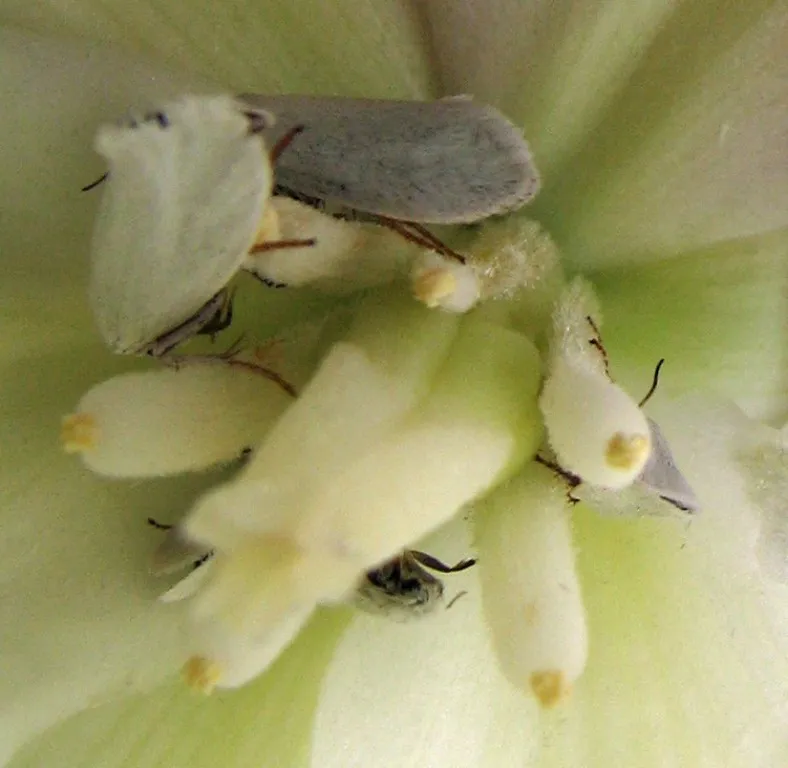
The yucca moth is an odd kind of wonder: a creature that evolved itself into a corner, committing entirely to one plant and one plant only. It developed specialized mouthparts found nowhere else in nature, gave up feeding as an adult, and now spends the last days of its life doing a single job. That kind of extreme specialization is genuinely rare.
What makes the story uncomfortable, not just remarkable, is that the same tightness that makes the mutualism so elegant also makes it brittle. A warming desert, a changed fire regime, or a shift in flowering timing by even a few weeks can break a 40-million-year-old contract. No backup pollinator exists. No substitute host is waiting.
The yucca moth is a reminder that some relationships in nature are so precise they have no room for disruption. That is worth understanding, especially now.
AI Disclaimer: This article was created with the assistance of AI tools and reviewed by a human editor.