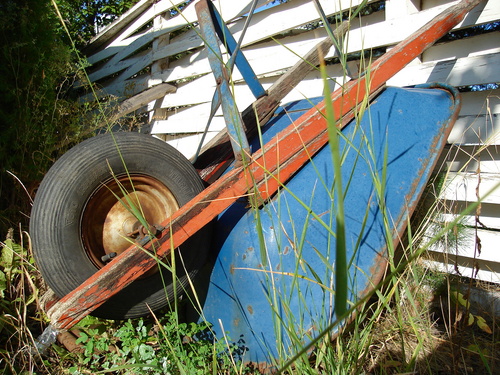

There’s something quietly compelling about an old wheelbarrow sitting at the edge of a garden. It’s weathered, a little lopsided, and has probably seen decades of hard use. Yet right now, all across the country, people are pulling these forgotten tools out of barns, sheds, and estate sales, and giving them new life with fresh paint, linseed oil, and a bit of intention.
The appeal isn’t just nostalgia. It fits neatly into a much larger cultural shift toward reclaimed materials, slower living, and outdoor spaces that feel genuinely personal rather than catalog-perfect. Here’s a look at capturing imaginations, and why it’s resonating now more than ever.
The Design That Started It All: The 1800s Wooden Wheelbarrow
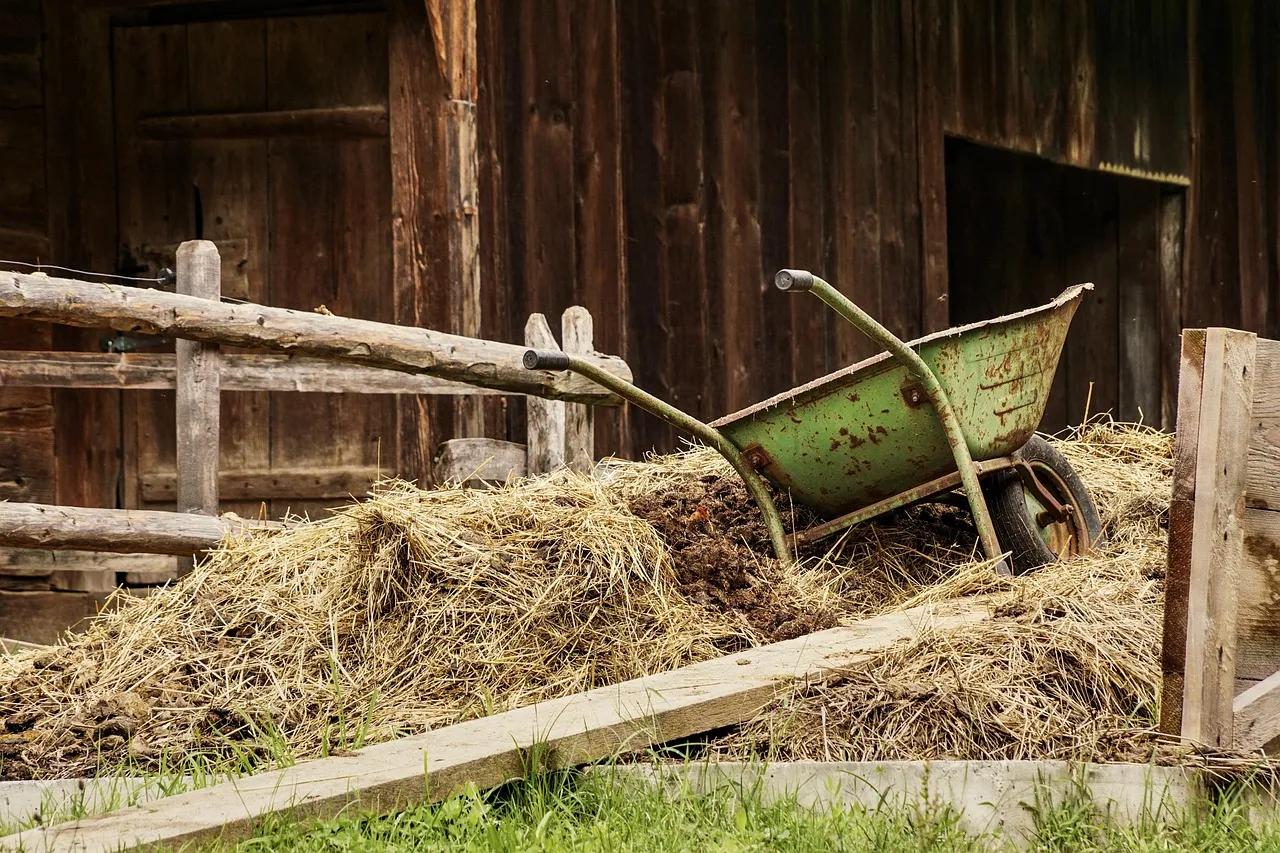
These old-style wooden wheelbarrows are working replicas of tools used in the 1800s and early 1900s, before items were fabricated from sheet metal. The construction was straightforward: a wide wooden tray, two long handles, and a single spoked wheel up front. Every part was made to be repaired and reused, not discarded.
They are so authentic in their design that reproductions have been used in movies and in historical parks. That level of historical accuracy says something about how timeless the form really is. It hasn’t needed updating, only rediscovering.
What Makes the Old Style Different from Modern Versions
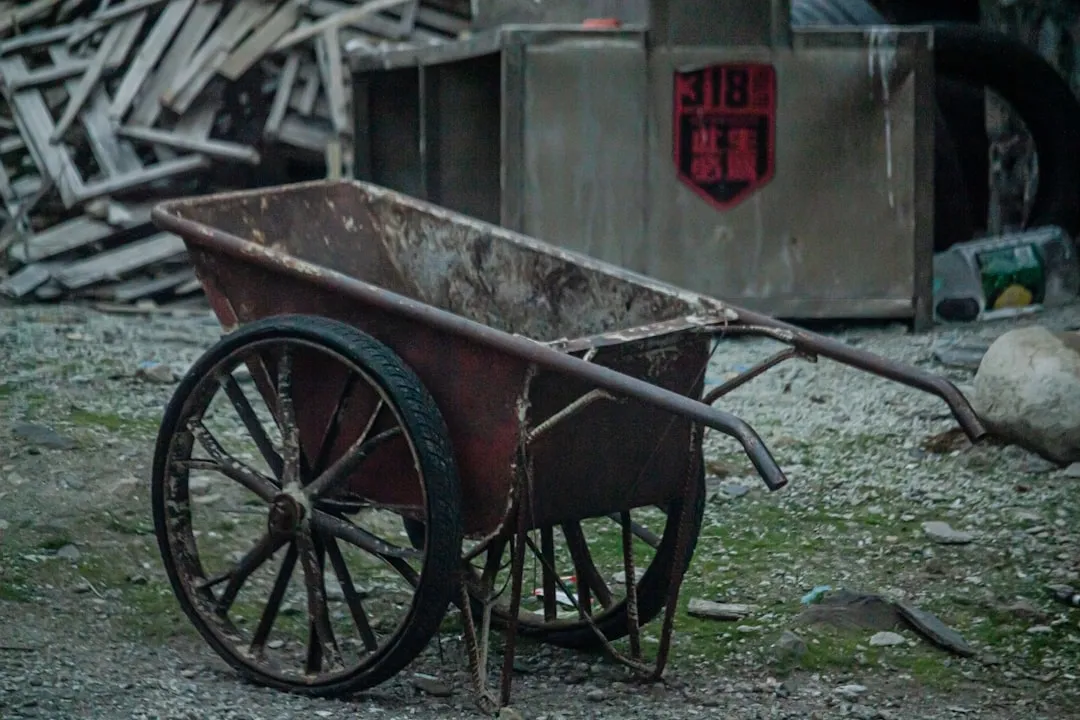
Whether a wheelbarrow features classic metal construction or sturdy wooden framework, each piece brings distinct personality. These time-tested tools, weathered by seasons of faithful service, offer countless opportunities for creative transformation. The old wooden style specifically, with its wide bed and hand-joined frame, looks nothing like the pressed-steel models sold at hardware stores today.
The patina of age, complete with rust stains and worn handles, adds authentic character that simply cannot be replicated with new materials. That’s exactly the quality restoration enthusiasts are trying to preserve, not erase.
The Farmhouse Aesthetic Is Fueling the Revival
Farmhouse decor remains a dominant trend in 2025, though it is evolving to incorporate modern elements, sustainability, and refined aesthetics. While traditional farmhouse features like reclaimed wood and neutral tones persist, consumers increasingly seek updated designs that blend rustic charm with contemporary functionality.
In 2026, farmhouse interiors are moving away from staged perfection and toward rooms that feel collected over time. Natural materials, softened color palettes, and practical furniture take the lead, creating homes that feel warm, grounded, and lived-in. An old wooden wheelbarrow fits that mood perfectly. It doesn’t look styled. It looks real.
Thrifted and Upcycled: The Search Trend Behind the Wheelbarrow Boom
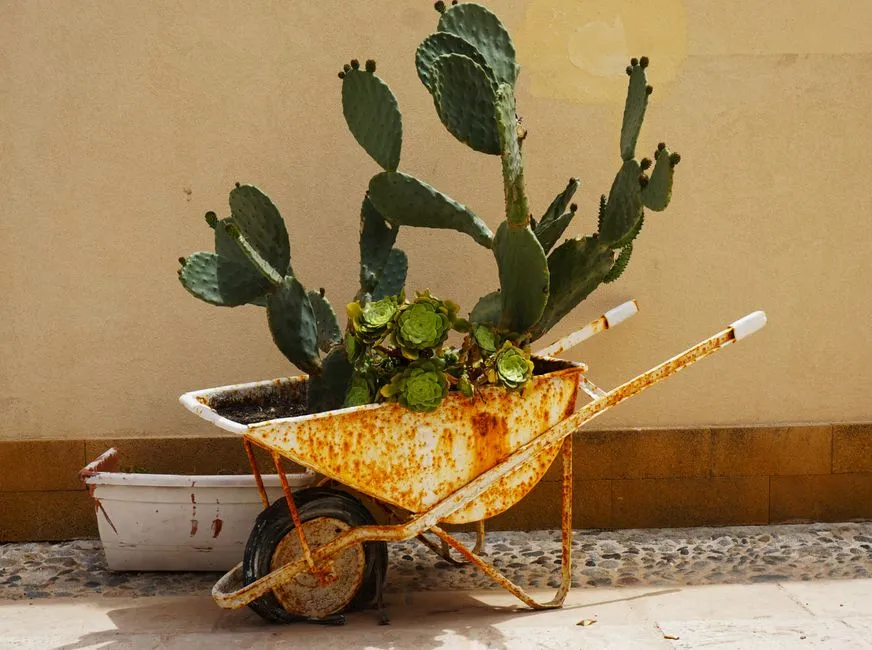
Pinterest has seen a significant rise in the hunt for thrifted decor, especially among Gen Zers. The search for “thrifted decor” went up by over 300%, while “thrift decor ideas” was up nearly 700%. Wheelbarrows found at estate sales or sitting rusted in a neighbor’s yard fit squarely into this broader appetite for reclaimed character.
Not only is the search for sustainable, long-lasting decor causing more consumers to look to their local thrift store, but there’s also the allure of adding timeless, worn, and unique pieces to the home. A restored wheelbarrow checks every one of those boxes at once.
How People Are Actually Restoring Them
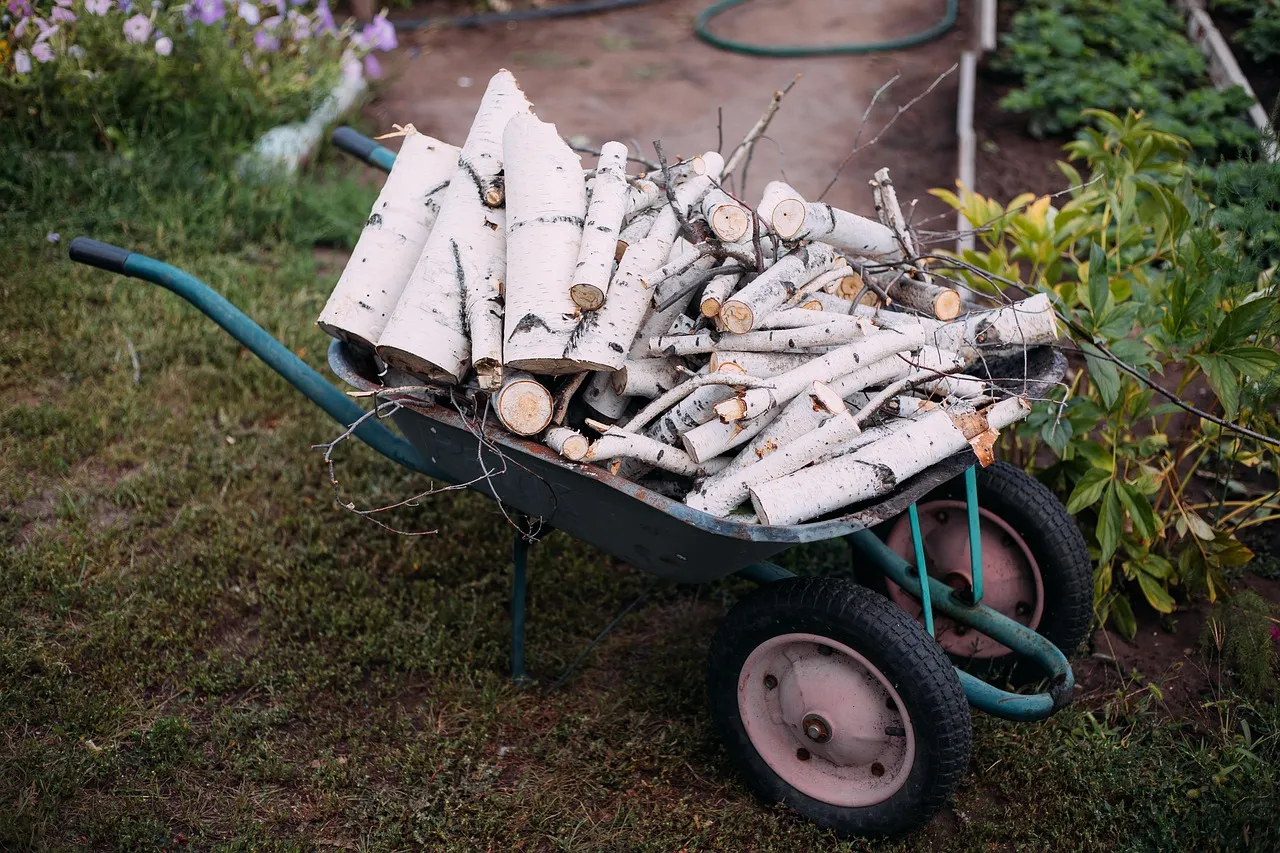
Restoring an old wheelbarrow is easier than most people think. The basic supply list includes rust preventative spray paint, boiled linseed oil, sandpaper in coarse and medium grits, axle grease, a steel brush, and a socket set. For wooden frames, linseed oil is applied to the timber to condition and protect it while keeping that beautiful aged look intact.
If the tray isn’t rusted through, restorers are in luck, because the wheelbarrow can be brought back to near-new condition. Most old wooden models only need re-sanding, a fresh coat of oil, and perhaps a replaced wheel to function and look stunning again.
Cedar and Amish Craftsmanship: The Benchmark for Restoration Goals
Carefully handcrafted by Amish artisans, the decorative wooden wheelbarrow blends old-world charm with practical garden functionality. Constructed from durable cedar, this style of wheelbarrow is naturally resistant to weather and insects, making it ideal for outdoor display throughout the seasons.
Crafted with traditional Amish craftsmanship from a late 1800s pattern, these wooden wheelbarrows are both functional and decorative. Whether used for landscaping, displaying flowers, or hauling firewood, they add a touch of country elegance. For many restorers, bringing an old wheelbarrow back to this standard is the entire point of the project.
What People Are Doing with Them Once Restored
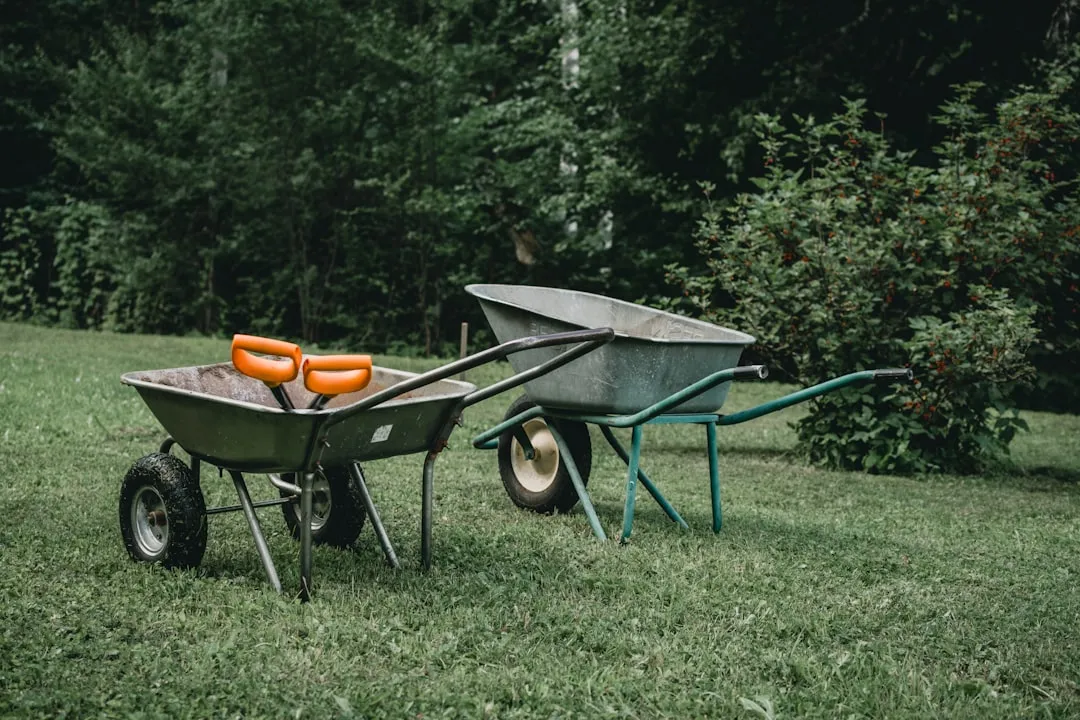
Transforming an old wheelbarrow opens endless possibilities for creative home and garden design. Whether the wheelbarrow has seen better days with rust, holes, or wobbly wheels, these weathered pieces can become stunning focal points in outdoor spaces. From functional furniture to enchanting water features, old wheelbarrows offer unique charm that new items simply cannot replicate.
For a functional vintage garden display, repurposed old wheelbarrows make excellent herb planters. This idea is especially great for those who love to cook with fresh herbs and want a convenient way to grow them. You can fill each wheelbarrow with potting soil and plant favorites such as basil, parsley, or thyme. Others simply use them as a seasonal flower display that gets moved around the yard as needed.
The Marketplace Has Caught Up with the Trend
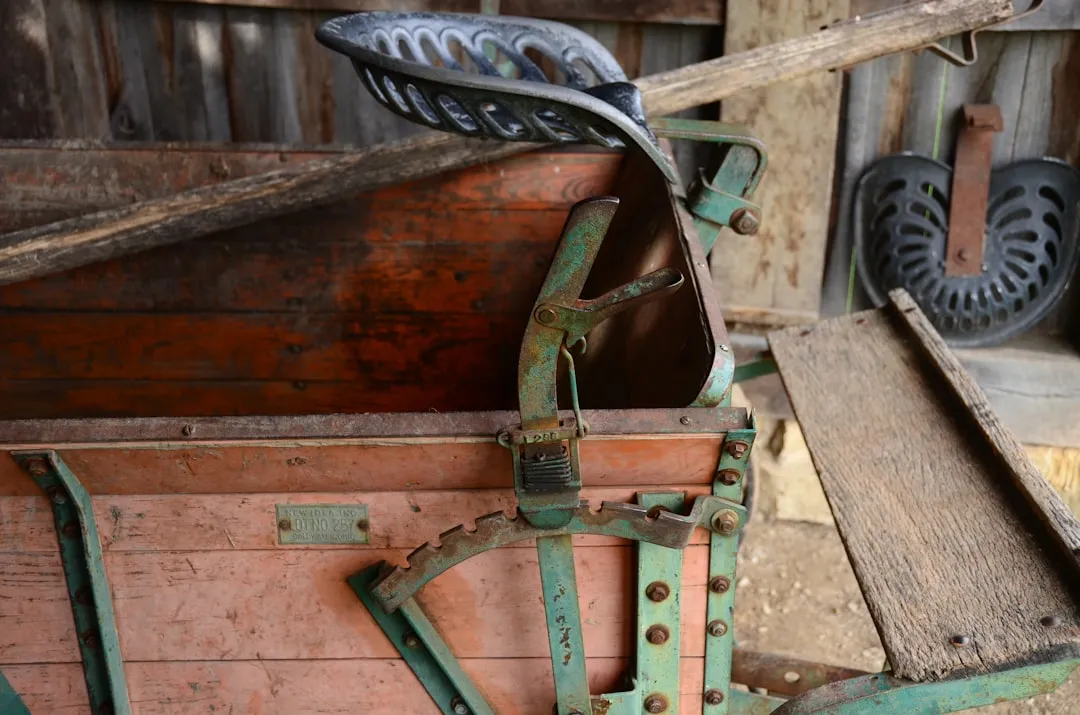
Antique wheelbarrows are now showing up across online marketplaces, perfect for garden decor, unique gifts, and creative projects. Vintage toys, cast iron carts, and decorative wagon wheels are all part of this broader appeal, offering a touch of history and rustic character.
Beyond their obvious charm, these wheelbarrows are not just ornamental. They double up as functional vessels, perfect for holding a variety of items. Sellers on platforms like Etsy and Wayfair have responded to this demand with a wide range of both genuine antiques and faithful reproductions, at prices that reflect the rising interest.
The Sustainability Angle That Keeps Growing
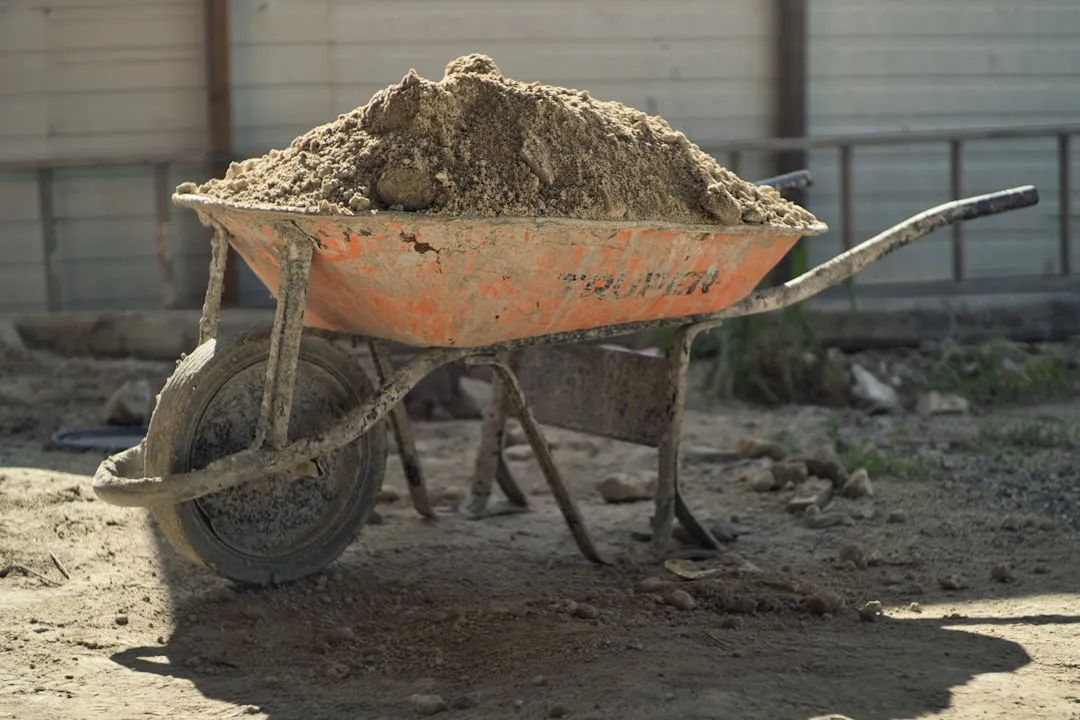
These repurposing projects celebrate sustainability while creating unique design elements that tell stories of craftsmanship and endurance. Restoring rather than replacing is a meaningful act when the broader conversation around consumption and waste is so prominent. A wheelbarrow that gets a second life avoids the landfill entirely.
Farmhouse decor is expected to remain relevant through 2026, with sustainable farmhouse products projected to grow at a 15 to 20 percent compound annual growth rate, driven by eco-conscious consumers. Restored vintage tools sit right at the intersection of that trend.
Why the Look Works So Well in Gardens Right Now
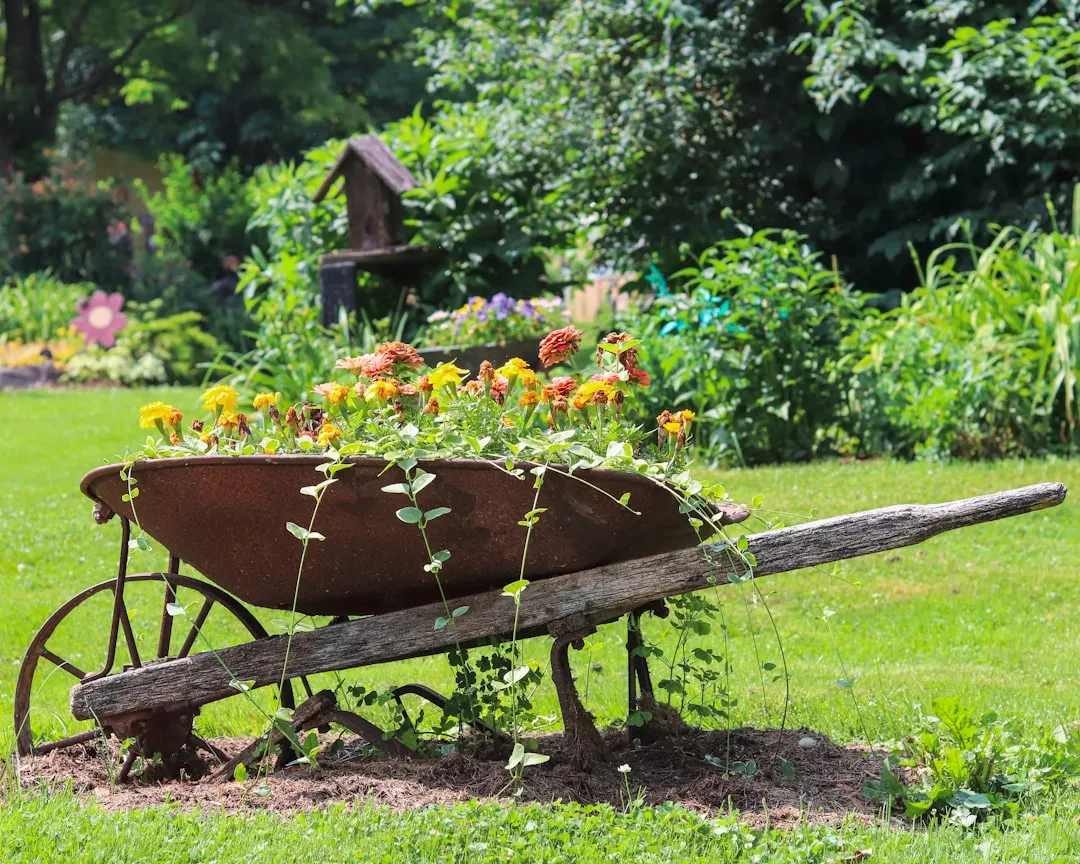
The rustic patina and authentic wear create character that enhances farmhouse, cottage, and country design themes. These versatile pieces can be easily moved, repurposed seasonally, and adapted to fit various garden styles while providing practical solutions for planting, storage, and decoration.
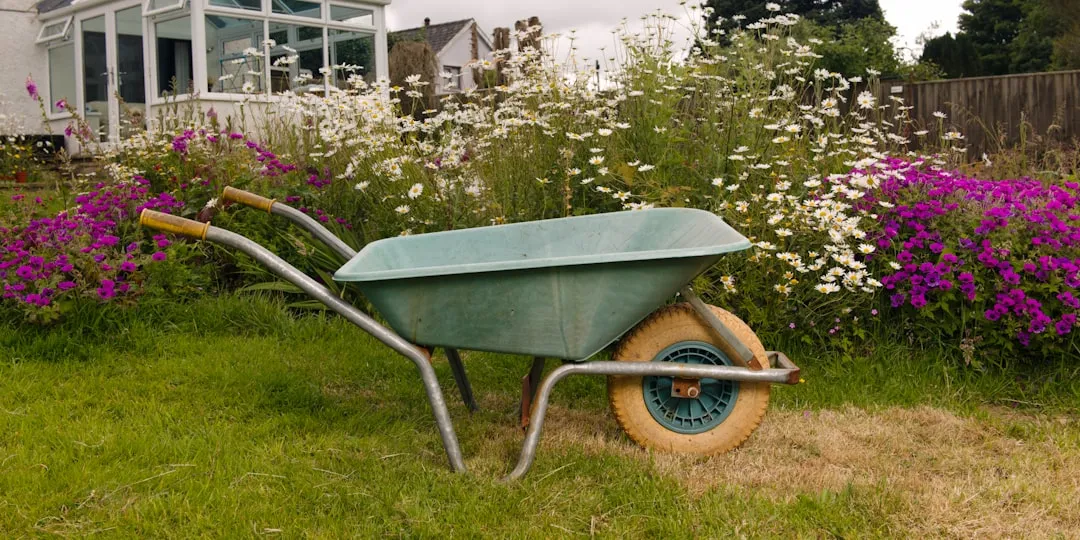
Whether filled with bright spring blooms, autumn mums, or holiday greenery, the wheelbarrow adds depth, texture, and rustic appeal to any landscape. Lightweight enough to reposition yet sturdy enough for long-term outdoor use, it’s a simple way to enhance curb appeal without a full garden renovation. That combination of flexibility and visual weight is hard to match with anything you’d buy new.
The Quiet Takeaway
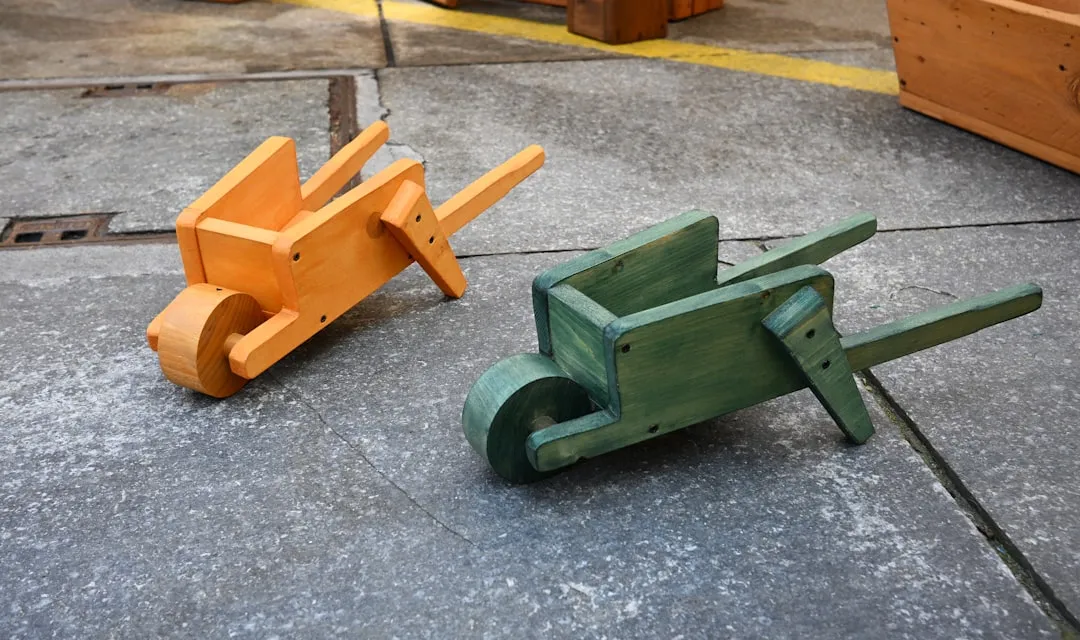
There’s a reason the old wheelbarrow is having its moment. It represents a kind of making-do that feels rare now. Something worn, useful, and fixable. In a time when garden trends can feel expensive and short-lived, picking up an old wooden wheelbarrow and bringing it back takes almost nothing except a little time and attention.
The style that people are restoring isn’t really about aesthetics alone. It’s about reclaiming something that was built to last and proving that it still can.
AI Disclaimer: This article was created with the assistance of AI tools and reviewed by a human editor.