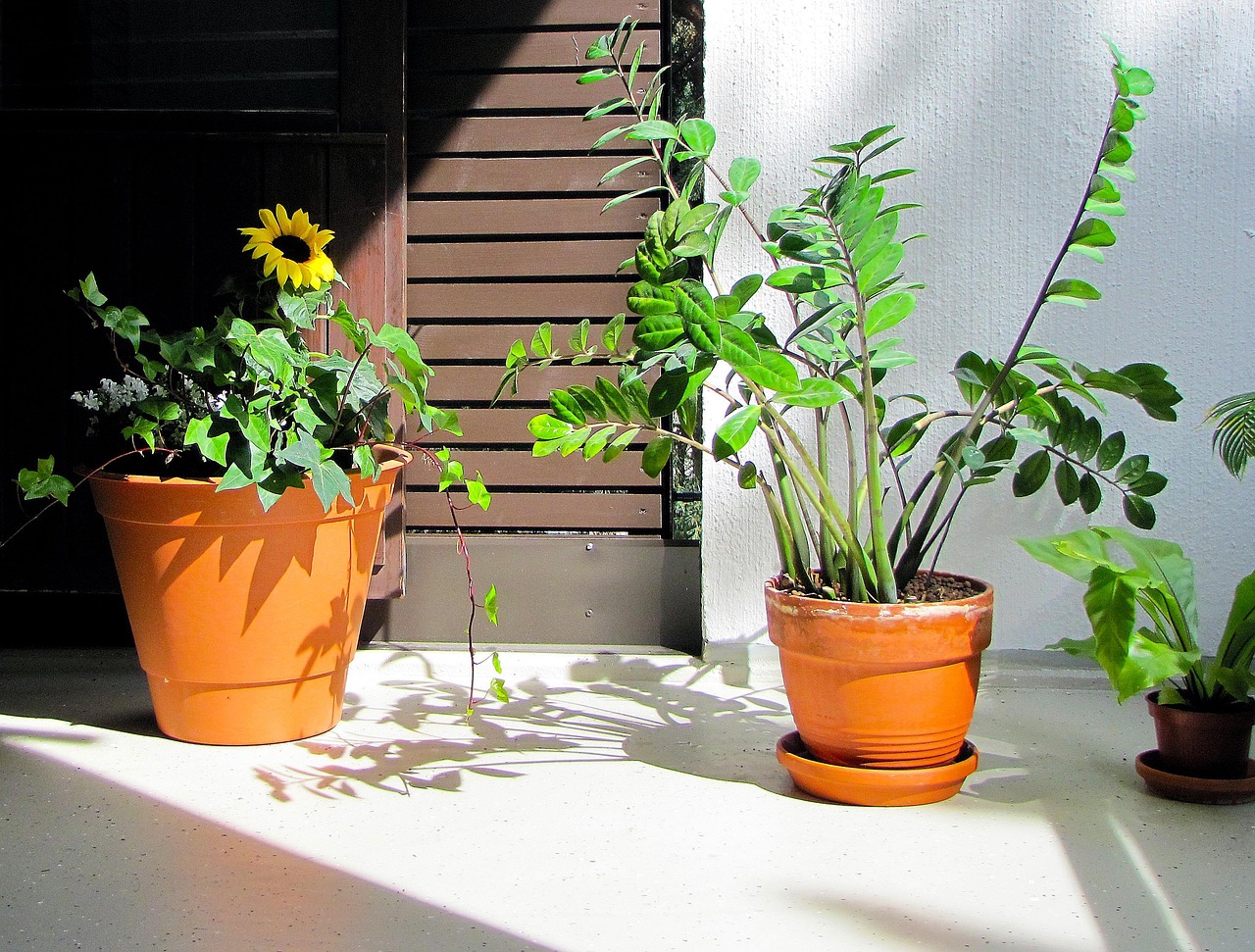

Most people assume you need a proper yard to grow real food. A few square feet of outdoor soil, or so the thinking goes, is the minimum price of entry. Urban gardeners are proving that wrong every season, showing that you don’t need a sprawling yard to enjoy a harvest and that even the smallest balcony, planned carefully, can supply fresh vegetables and herbs right outside your door.
Container gardening is booming, and it isn’t just for those without a yard. The global market is projected to grow from roughly fifteen billion dollars in 2024 to over twenty-six billion by 2034, driven by its adaptability, low maintenance, and accessibility. The surge makes sense. When you control the soil, the drainage, and the microclimate of each individual pot, you can squeeze more out of a ten-square-foot balcony than many gardeners manage in a full bed.
The six crops below are the ones that consistently reward container growers with harvests that rival or outstrip what a ground-level plot produces per square foot.
1. Cherry Tomatoes: The High-Output Standard
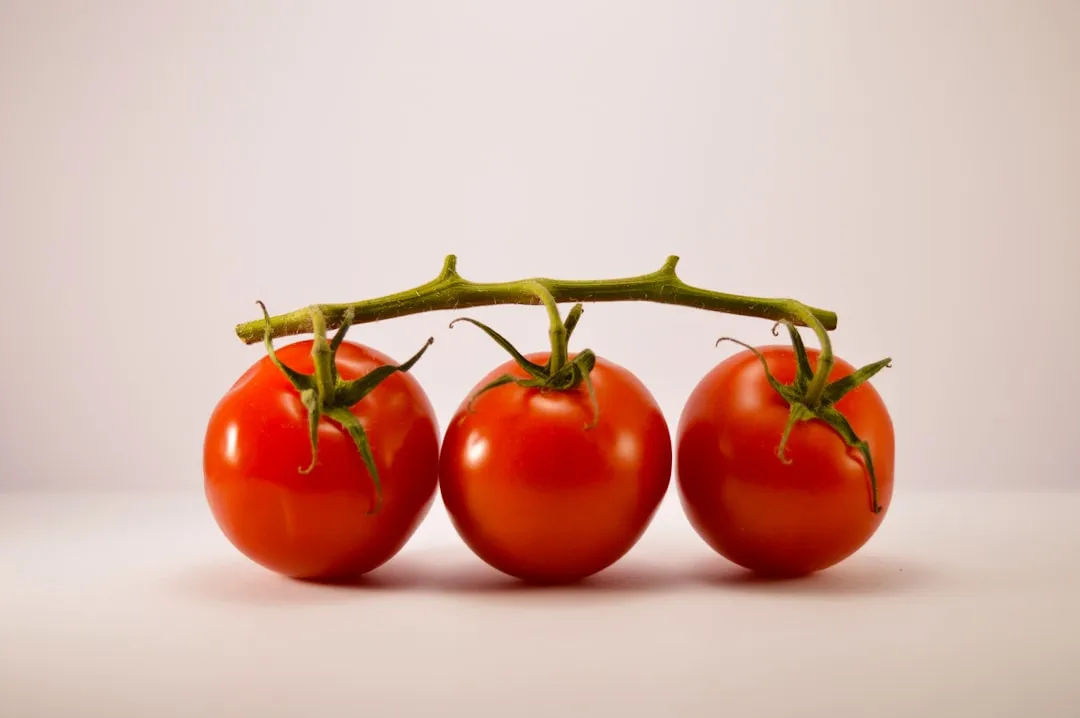
Cherry tomatoes are more productive per square foot than large beefsteak varieties and considerably more forgiving in containers. Varieties like ‘Tumbler,’ ‘Tiny Tim,’ and ‘Patio’ are bred specifically for this kind of growing. That breeding matters. A plant designed for a pot behaves differently from one that was never meant to leave the ground.
Cherry tomatoes produce fruit much faster than large varieties, typically fifty-five to seventy days from transplanting versus seventy-five to ninety or more days for beefsteaks. That faster cycle means more harvests per season in a container setup. On a sunny balcony with consistent watering, a single indeterminate variety can fruit for months without pause.
The cherry tomato is the type responsible for five-month harvest windows, making it the most productive crop per square foot you can put in the ground – or, as it turns out, into a pot. To get the most from a container plant, use fifteen or more gallon pots, self-watering systems, and fertilize weekly with liquid tomato feed.
2. Kale: The Workhorse That Never Stops
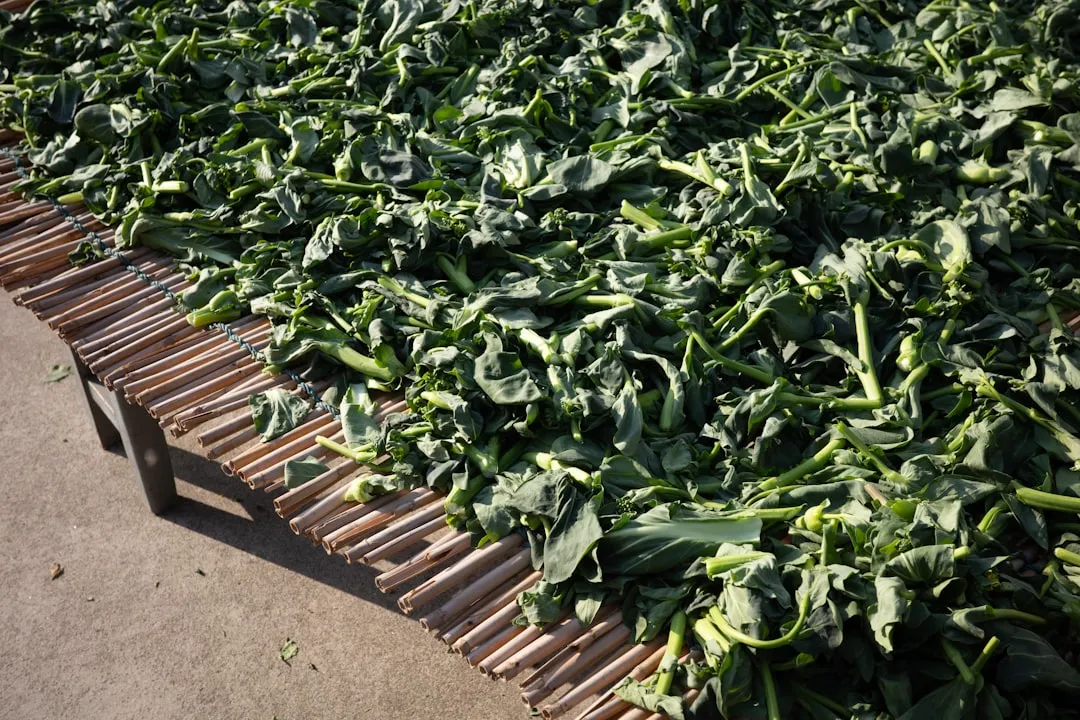
Kale is remarkably productive in containers and can be harvested leaf-by-leaf over the entire season. It also tolerates partial shade better than most vegetables, which is a genuine advantage on north-facing balconies. Few crops are that forgiving with light.
A single kale plant can produce leaves for months, especially in temperate climates where cool weather extends the harvest season. Instead of harvesting the entire plant, you simply remove the outer leaves as they mature. The center continues growing upward, producing fresh foliage week after week.
If you’re aiming for large, full-sized kale leaves, give each plant its own five-gallon container. For tender baby kale, you can plant more densely – about four to six plants in a single five-gallon pot. That density is hard to match in a traditional row garden, where spacing requirements eat up far more space per plant.
3. Lettuce: Cut-and-Come-Again Value
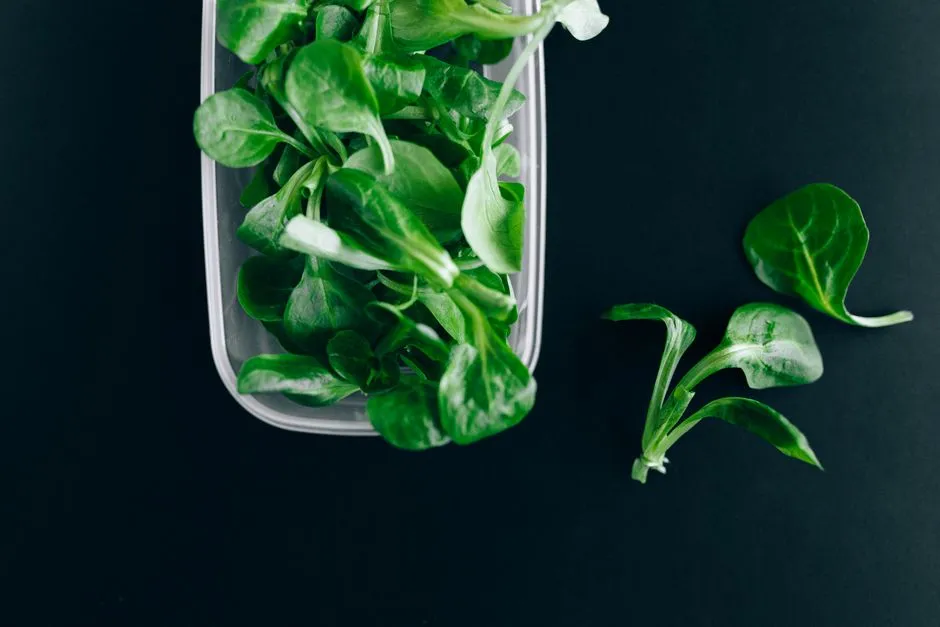
As a general guideline, a couple of twenty-inch pots can grow enough leafy greens for a family of four to enjoy lettuce or spinach with a meal twice a week. The real advantage of cut-and-come-again vegetables like lettuce is that once you harvest the leaves, the plants regrow for another harvest in just a couple of weeks.
Containers also let you match each crop to its favorite microclimate. A lettuce tub can chill in afternoon shade, while other crops bask beside a sun-soaked brick wall. That flexibility alone solves one of the most persistent problems in backyard gardening, where the whole plot gets whatever conditions the site provides.
For growing lettuce in containers, choose a wide planter rather than a deep one. Use well-draining soil and follow shallow, frequent watering. Square foot spacing guidelines allow for four lettuce plants per square foot, which makes even a window box a viable growing space.
4. Radishes: The Fastest Return in Any Garden
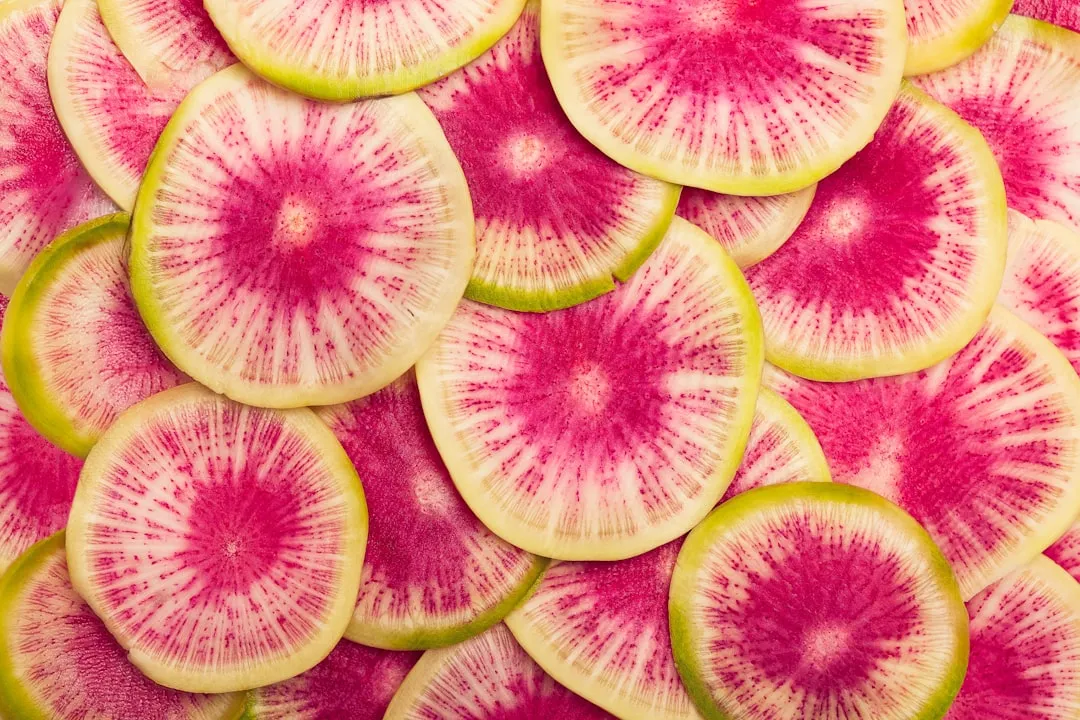
Radishes are the fastest return in vegetable gardening, ready to harvest in just twenty-five to thirty days. They’re perfect for filling gaps in larger containers. That speed is what makes them unusual among food crops. Most vegetables ask you to wait months for a result. Radishes ask for weeks.
You can sow radishes between slower crops such as tomatoes or peppers, harvesting them before the larger plants need the room. Many gardeners discover this trick when exploring compact planting combinations. Radishes also tolerate shallow soil and small containers, making them perfect for window boxes and narrow balcony planters.
Once you harvest a fast-growing square of radishes, replant it immediately. A single container square can yield two to three crops in one season. No backyard plot operates at that kind of turnover rate unless you’re managing it with serious intensity.
5. Herbs: The Highest Value per Square Inch
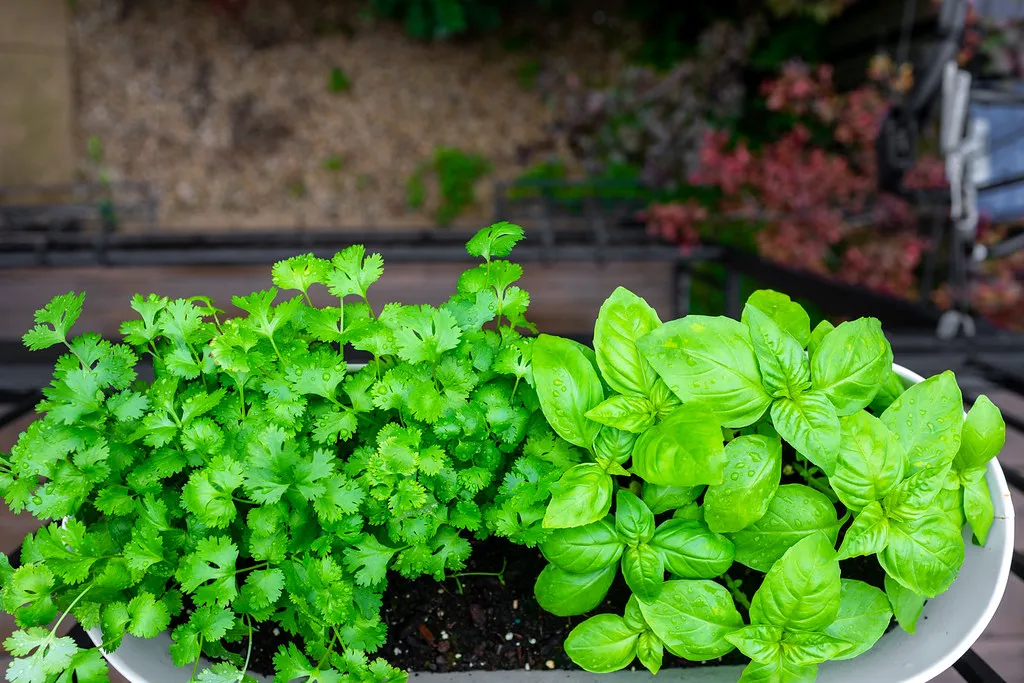
Herbs like basil, parsley, chives, and cilantro carry extremely high value for space. Fresh herbs cost significantly more at the grocery store than the minimal space they occupy on a balcony. Basil in particular loves heat and performs well near a south-facing wall.
There are times when containers are genuinely the best option for growing certain edible crops. Herbs like mint, for example, are invasive spreaders in open ground – confining them to pots is actually the smarter choice. A container is a feature, not a compromise.
When you grow in containers, you’re not at the mercy of poor native soil. You can use a custom potting mix rich in nutrients, perfectly draining, and free from weeds and pests. For herbs, which are sensitive to drainage and root competition, that control translates directly into stronger growth and more consistent harvests than most backyard herb patches deliver.
6. Peppers: Compact, Heat-Loving, and Relentlessly Productive
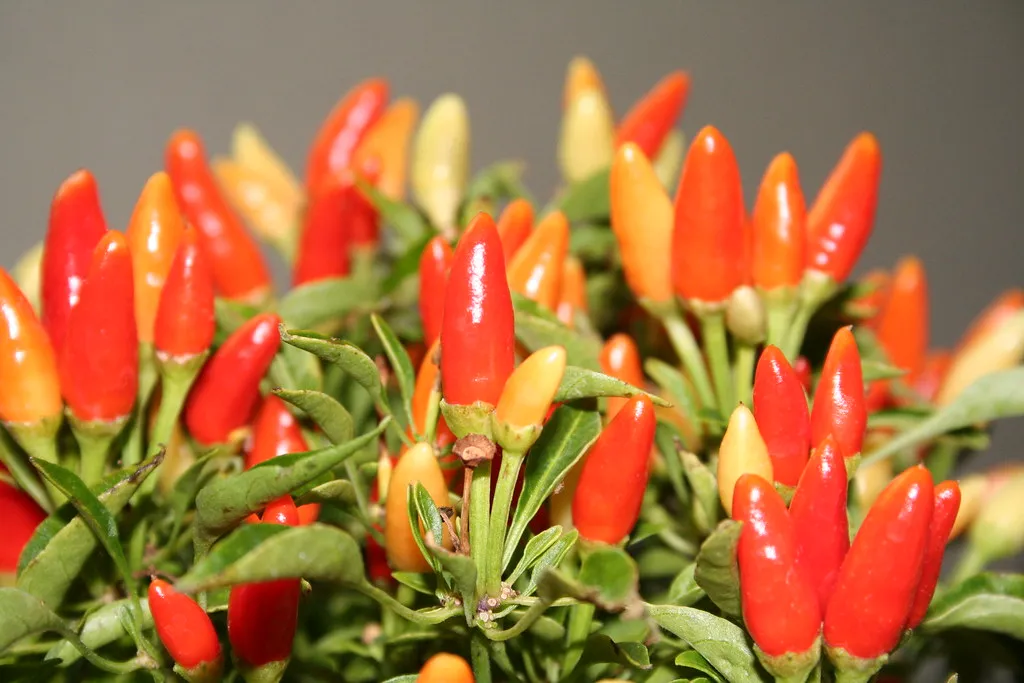
Peppers and chilies are super productive and excellent candidates for container growing. They look great in pots and need a sunny, warm place to thrive. A sunny apartment balcony, particularly one with a south or west exposure, is close to an ideal environment.
Peppers perform well in large containers of seven to ten gallons and need consistent heat and watering. One plant per two-to-three-gallon container is workable for smaller pepper varieties, though these plants need heat and are best placed against a south- or west-facing wall.
Chilies in particular grow exceptionally well in pots. A single chili plant in good conditions can produce fruit well into autumn, often outlasting what the same plant would achieve in open ground where soil temperature and drainage are harder to control. The container’s thermal advantage is real and consistent.
Why Containers Can Outperform Ground Plots
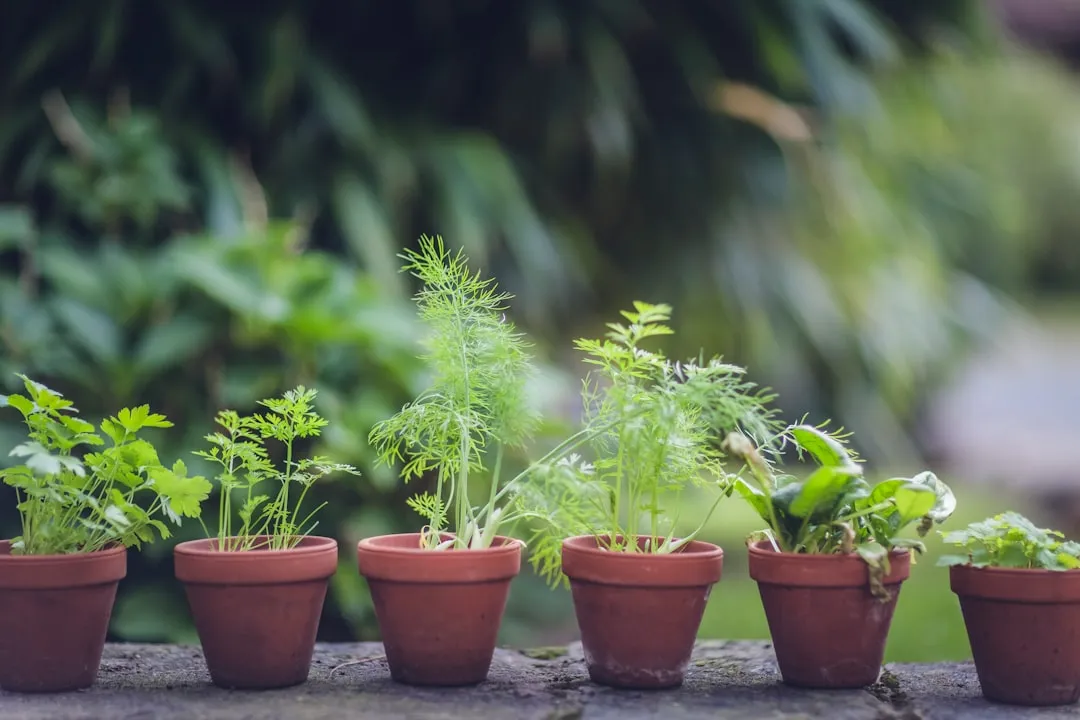
Pots let you match each crop to its favorite microclimate with a precision ground beds cannot match. Moving crops from container to container also plays a role in crop rotation, keeping problems like wilt or root rot from getting a foothold.
Container growing brings specific advantages over in-ground gardening. You can move pots to follow sun or protect them during extreme weather. You choose exactly what goes in the pot, with no dealing with heavy clay or soil-borne diseases from previous crops. Isolated containers also make it easier to spot and treat pests before they spread.
A four-by-five-foot balcony planted at high intensity could yield nearly one hundred pounds of food over a growing season, according to calculations from urban container farming researchers. That figure depends heavily on plant selection and management, but it illustrates what’s possible when every pot is working.
The Vertical Multiplier
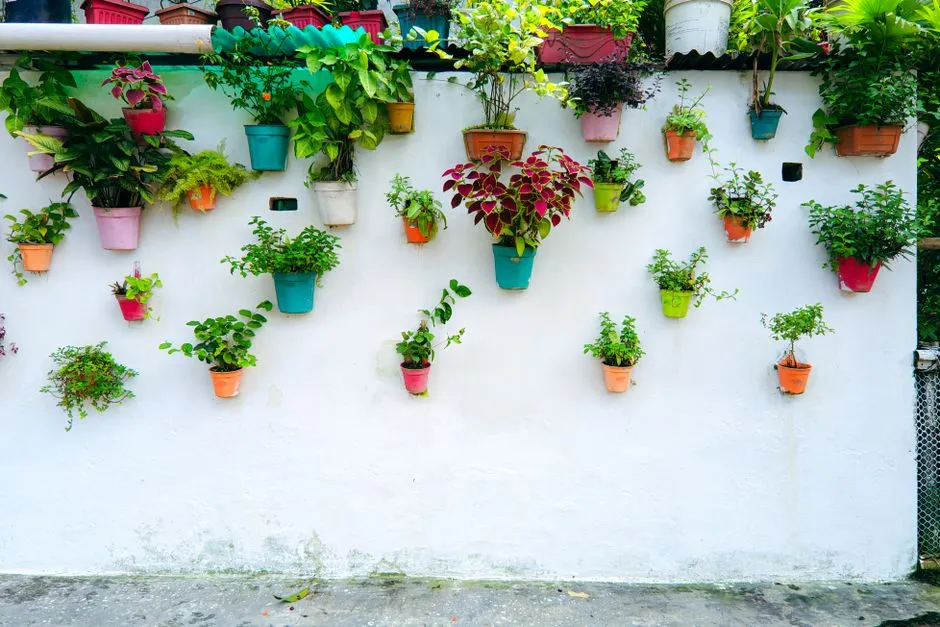
Vertical apartment gardening can significantly increase your yield whether you’re planting indoors or outdoors in small spaces. Utilizing vertical space means that you are not limited to the small square footage that an apartment balcony provides. It’s a fantastic way for gardeners to use their growing area more efficiently.
Succession planting can also profoundly maximize the capabilities of your growing space. Succession planting means planting another crop right after a variety has matured. To do this effectively, you need to be aware of maturation dates and practice seed-starting techniques at the appropriate times.
Stackable systems allow herbs, lettuces, and strawberries to grow upward instead of outward, turning a railing or a single wall section into a productive column of crops. Combined with succession planting, vertical growing is the closest thing balcony gardeners have to a yield superpower.
Soil and Container Size: The Variables That Decide Everything
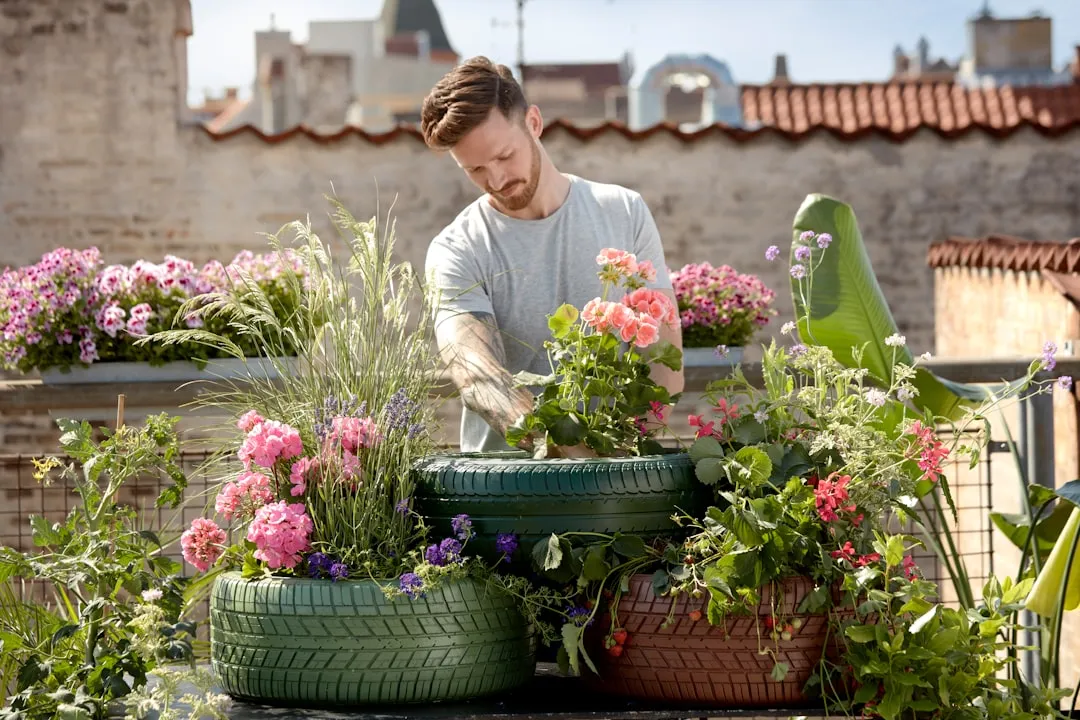
Container size is not a matter of aesthetics. It’s a root space and water-retention equation. Get the container wrong and no amount of good soil or attentive watering will save the harvest. This is probably the single most common error new balcony growers make.
When you grow in containers, you’re not at the mercy of poor native soil. You can use a custom potting mix rich in nutrients, perfectly draining, and free from weeds and pests. Investing in quality potting mix rather than standard garden soil is one of the highest-return decisions a container grower can make.
Container gardening requires significantly more frequent watering than in-ground growing. There is no surrounding soil to draw from, and containers in the sun can dry out completely within twenty-four hours during summer. Daily checking becomes a habit quickly, and self-watering containers solve much of that load for busy households.
Balcony Weight and Safety
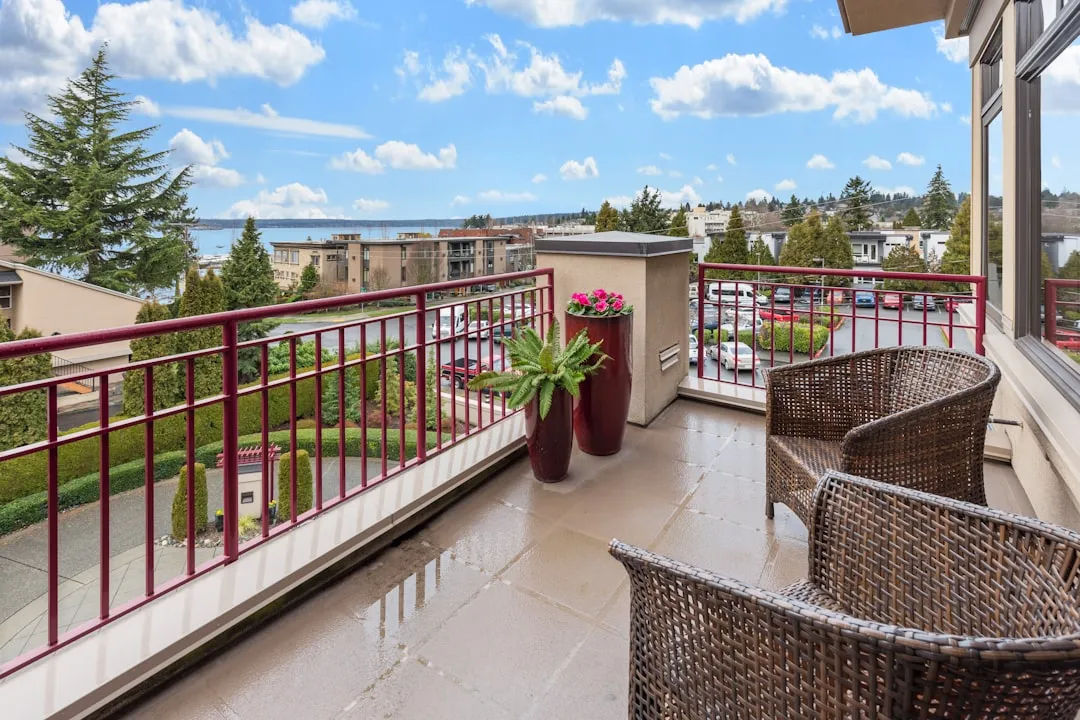
A fifteen-gallon container filled with wet soil can weigh eighty to one hundred pounds. Multiple large containers plus people creates real structural loads. Most residential balconies are engineered for forty to sixty pounds per square foot, so it’s worth verifying with building management before placing heavy containers, especially near the balcony’s outer edge.
To reduce weight, use lightweight container media, place large containers near the load-bearing walls of the building rather than the outer edge, and choose fabric grow bags over heavy ceramic pots. Fabric grow bags have become popular for exactly this reason. They’re lighter, they air-prune roots naturally, and they’re easy to store off-season.
Final Thoughts
The headline claim holds up under scrutiny. These six crops, chosen deliberately and managed with attention to container size, soil quality, and watering rhythm, can produce harvests that genuinely compete with what a traditional backyard plot delivers per square foot. The container gardener’s advantage isn’t land. It’s control.
Container gardening turns even the smallest balcony or stoop into a pocket-sized farm. If you rent an apartment, battle heavy clay soil, or just prefer vegetables closer to the kitchen door, planting in pots lets you sidestep many of the headaches that come with traditional plots.
Start with one or two of the crops above, get the containers right, and build from there. The balcony is smaller than a backyard. The harvest, if you choose wisely, doesn’t have to be.
AI Disclaimer: This article was created with the assistance of AI tools and reviewed by a human editor.