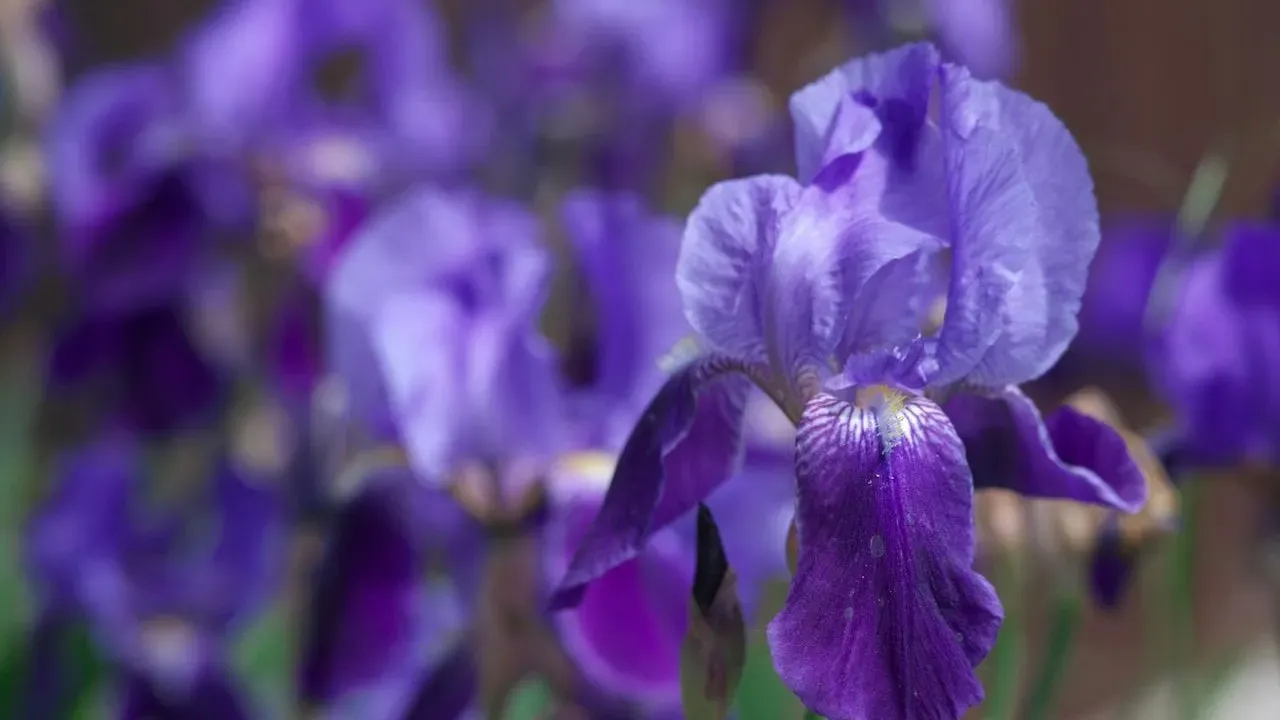

Gardeners seeking something distinctive often find themselves drawn to the German bearded iris. Its blooms stand out with ruffled petals in rich shades and a signature velvety beard that gives the flower an almost sculptural quality. From solid tones to striking bicolors, these perennials deliver visual drama while asking very little in return. They return reliably each year once established, making them a favorite for both new and experienced growers.
The Unexpected Allure of the Velvety Beard
The most memorable feature of the German bearded iris lies in that central beard, a soft, fuzzy strip that contrasts sharply with the surrounding petals. This detail transforms an already elegant flower into something more intriguing, almost like a living sculpture in the border. Bicolor varieties heighten the effect, pairing deep purples with bright yellows or soft pinks with bold burgundies.
Many gardeners report that the plants create focal points without demanding constant attention. Their upright stems and sword-like foliage add structure even after the flowers fade. The combination of color, texture, and form explains why these irises appear in more landscapes each season.
Why They Fit Modern Gardens So Well
Low-maintenance perennials appeal to busy homeowners who want reliable color without intensive upkeep. German bearded irises meet that need by thriving in full sun and well-drained soil, conditions common in many home landscapes. Once settled, they spread steadily and bloom again the following spring with minimal intervention.
Their drought tolerance after establishment also suits regions facing water restrictions. Gardeners appreciate that the plants rarely require staking or heavy feeding. This ease of care allows the focus to remain on enjoying the blooms rather than constant maintenance.
Quick Reference for Success
- Choose a sunny spot with excellent drainage.
- Plant rhizomes shallowly in late summer or early fall.
- Water regularly during the first season, then reduce.
- Divide clumps every three to four years to maintain vigor.
Simple Steps to Keep Them Thriving
Site selection makes the biggest difference. Full sun encourages strong stems and abundant flowers, while poor drainage quickly leads to rot. Raised beds or amended soil help in heavier clay areas.
Planting depth matters too. Rhizomes should sit near the surface with roots anchored below. Crowding can reduce blooms over time, so dividing older clumps restores performance. A light application of balanced fertilizer in early spring supports growth without excess foliage.
After flowering, removing spent stems keeps the garden tidy. The foliage continues to photosynthesize and should remain until it yellows naturally. This cycle supports next year’s display with little extra effort.
Looking Ahead in the Garden
German bearded irises reward patience with years of reliable performance. Their distinctive appearance adds personality to borders, cottage gardens, and even modern designs. As more gardeners discover how straightforward they are to grow, these plants continue to earn a place in summer landscapes.
AI Disclaimer: This article was created with the assistance of AI tools and reviewed by a human editor.