
Most gardeners and farmers reach for fertilizer when their plants look sluggish. The logic feels sound: plants need nutrients, so more nutrients should mean more growth. In reality, the relationship between fertilizer and plant health is far more delicate than that, and the most common mistake people make is not applying too little, but applying too much.
The damage from over-fertilization is real, well-documented, and surprisingly easy to trigger. Understanding the specific ways fertilizer can work against you is the first step toward actually getting the results you were after.
The “More Is Better” Myth That Hurts Your Plants
Many farmers and gardeners operate under the misconception that “more is better” when it comes to fertilizer. Overapplication, particularly of synthetic types, may seem like a way to boost productivity, but it often does more harm than good.
Over-fertilizing occurs when a garden or crop receives more nutrients than the plants can absorb, either through excessive application or the wrong type of fertilizer. This often happens with synthetic chemical fertilizers, which are quick-release and high in concentrated nutrients.
Fertilizer toxicity is what happens when too much fertilizer is applied to plants. Although fertilizer can be beneficial, when the level of nutrients introduced goes so far beyond the needs of your plants that you start seeing reduced yield, growth, and quality, that is the point where the fertilizer becomes toxic.
How Fertilizer Burn Actually Works

Crops lose moisture because water moves out of cells, which have a lower salt concentration, into the soil, which has a higher one. Plants normally cool themselves through water evaporation from their leaves. Without moisture, plants burn because they cannot cool themselves down.
Nutrient burn occurs when plants absorb more nutrients than they can process, especially nitrogen, phosphorus, and potassium, leading to toxic levels that cause visible damage and physiological stress. It primarily affects the plant’s roots first but quickly becomes apparent throughout the whole plant. The roots degrade, impairing the plant’s ability to absorb water and nutrients effectively.
Too much fertilizer results in excess salt, nitrogen, or ammonia, all of which have adverse effects on a plant. An excess of these nutrients can damage the plant’s ability to photosynthesize and cellularly respire, causing visible burns.
Nitrogen Overload: The Most Common Culprit
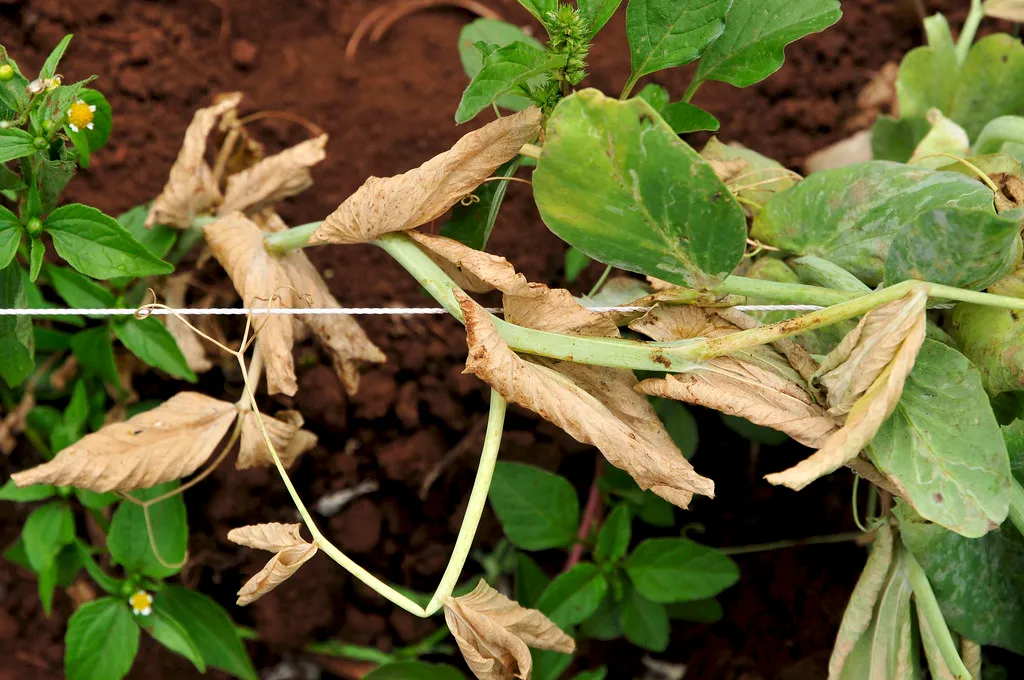
Nitrogen is the most common driver of fertilizer burn. In the early stage of nitrogen toxicity, leaves become an unusually dark, saturated green, a result of chlorophyll overproduction. This is followed by rapid deterioration as the nitrogen disrupts cellular respiration.
Too much nitrogen can promote excessive leaf growth while stunting root and flower development. This creates a plant that looks lush on the surface but is structurally hollow underneath.
High nitrogen concentrations also encourage excessive vegetative growth while suppressing root development, creating a structurally top-heavy plant with an underdeveloped root system, making recovery more difficult once burn begins.
Salt Accumulation and What It Does Underground
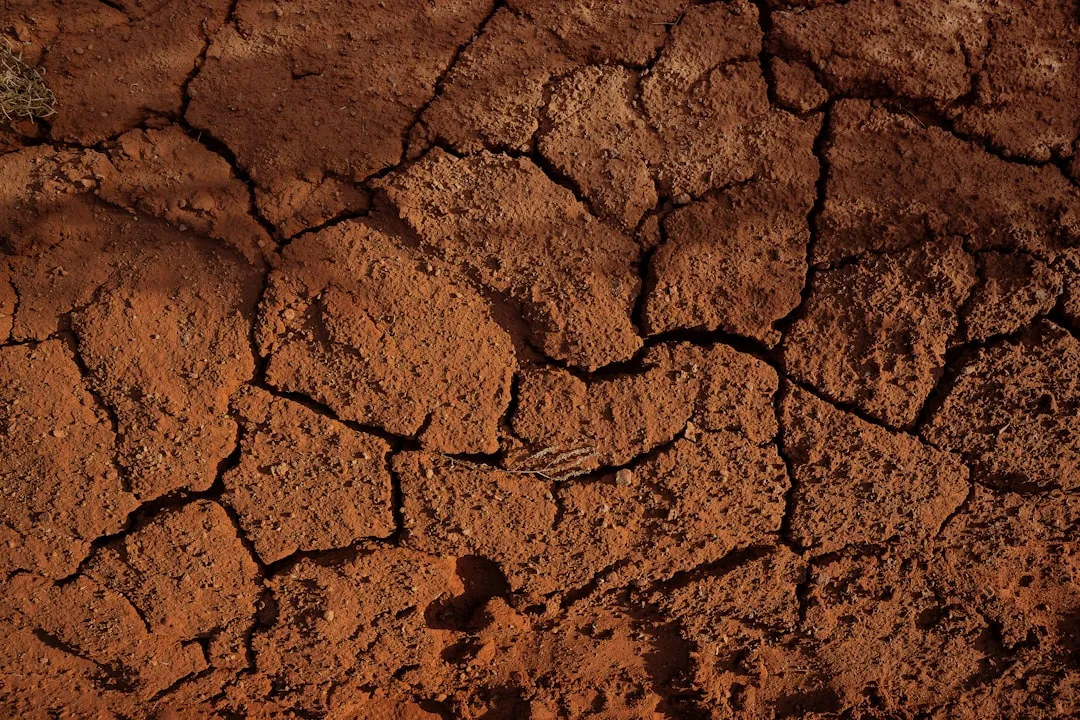
Fertilizers contain salts that can build up in the soil or in growing mediums. With increased salinity in the medium, water is drawn out of the plant roots, causing not only plant dehydration but also nutrient burn symptoms.
In severe cases, plants exhibit nitrogen fertilizer burn, where leaf edges or tips turn brown and dry out. This results from salt accumulation in the root zone, common in overfertilized soils.
A noticeable white crust may appear on the surface of the soil, a clear sign of excess fertilizer salts building up. If you see that white residue and your plants are struggling, the fertilizer is the most likely suspect.
How Over-Fertilizing Destroys Soil pH
One of the long-term effects of over-fertilization is the alteration of soil pH. Synthetic fertilizers, particularly those high in nitrogen, can acidify the soil over time.
When ammonium-based fertilizers are applied to the soil, bacteria convert the ammonium nitrogen to nitrate and release hydrogen ions through a process called nitrification. If more fertilizer is continuously applied, more hydrogen ions are released, which can cause an imbalance in the soil and lead to soil acidification. The increased number of hydrogen ions directly affects the functionality and structure of soil microbial communities.
A 12-year study on tomato cultivation found that long-term overfertilization decreased soil pH by more than one full unit. That kind of shift changes the entire chemistry of what nutrients plants can access, regardless of how much fertilizer you continue to add.
The Invisible Damage: Killing Beneficial Soil Microbes
Overfertilization decreased the activity of key soil enzymes compared to control groups. In one study, bacterial diversity fell by roughly six percent and richness declined by nearly a third under overfertilization conditions over twelve years.
Excessive application of chemical fertilizers can lead to nutrient imbalance, soil compaction, increased pH, and degradation of soil structure, thereby reducing soil quality.
Beyond visible symptoms, nitrogen toxicity can harm soil health and nearby ecosystems. High levels of soluble nitrogen can leach into groundwater or run off into waterways, contributing to pollution and algal blooms. Overuse also disrupts microbial balance in the soil, leading to reduced biodiversity and long-term fertility decline.
When Fertilizer Fails to Boost Growth at All
Research across 61 unfertilized rangelands on six continents found that while fertilization increased average yield by roughly forty-three percent on average, it failed to improve biomass more than a quarter of the time.
Variability in biomass response to fertilization within fields, among regions, and over time creates simultaneous risks of under-yielding and overfertilization. In other words, adding fertilizer is not a reliable guarantee of better growth, even under otherwise favorable conditions.
Implementing precision fertilization to maximize crop yield while minimizing economic and environmental impacts has become critical for modern agriculture. That shift toward precision is a direct response to the consistent failure of blanket over-application.
The Timing Mistake That Wastes Every Bit of Fertilizer You Apply
Applying fertilizer when a crop is dormant, heat-stressed, or in the wrong developmental phase leads to nutrient loss through leaching, volatilization, or runoff, with little to no benefit for the plant itself.
Fertilizer application is not just about how much you apply, but when you apply it. Applying at the wrong time can drastically reduce effectiveness. According to research published in Field Crops Research, applying fertilizer outside the critical nutrient uptake stages of crops can lead to up to thirty percent nutrient loss.
Heavy fertilization during dormancy can raise salt concentration in the soil, a damaging effect that carries into the next growing cycle and forces higher inputs just to maintain baseline productivity.
Fresh Manure and Other Common Missteps
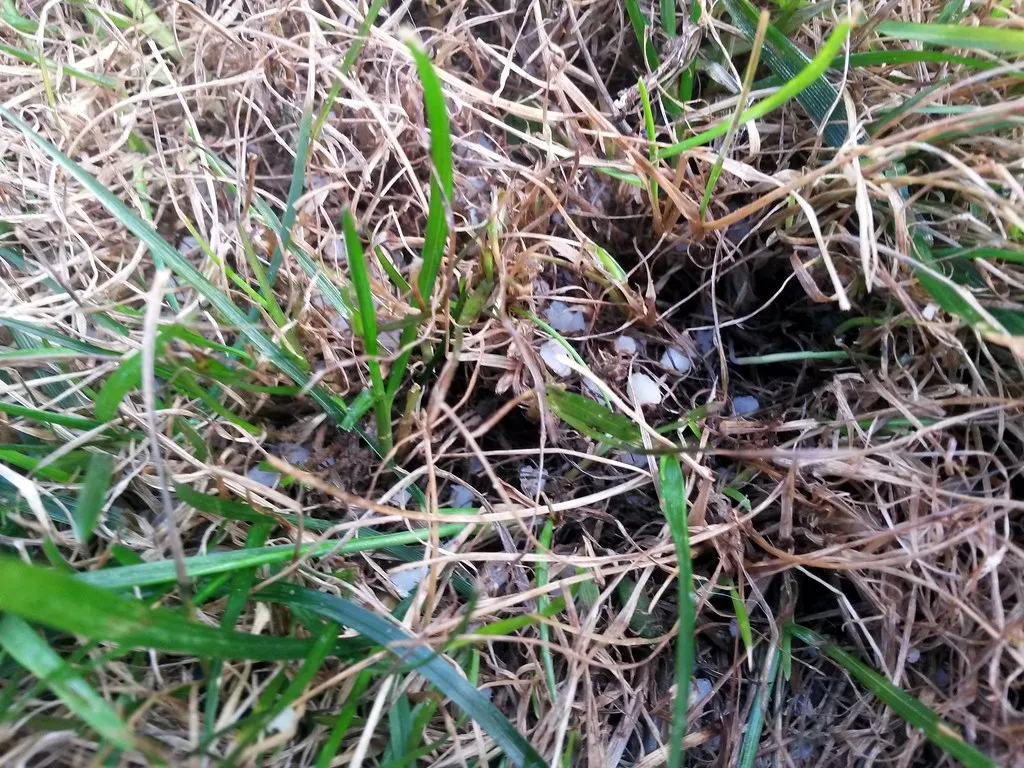
Fresh manure is too high in nitrogen, which is a common cause of fertilizer burn. The nitrogen breaks down naturally over time, so manure should be aged at least three months before application.
Soils with poor drainage trap fertilizer salts, leading to a concentration of nitrogen around the roots, which causes burning. Using fresh, uncomposted manure can also release too much nitrogen too quickly, shocking the plants and burning them.
It is easier to move from deficient to toxic with micronutrients than with macronutrients. The plant needing less of a particular nutrient makes it easier to accidentally give it too much. This is a particularly easy trap with micronutrient supplements in container gardening.
Global Consumption Has Reached an Unprecedented Scale
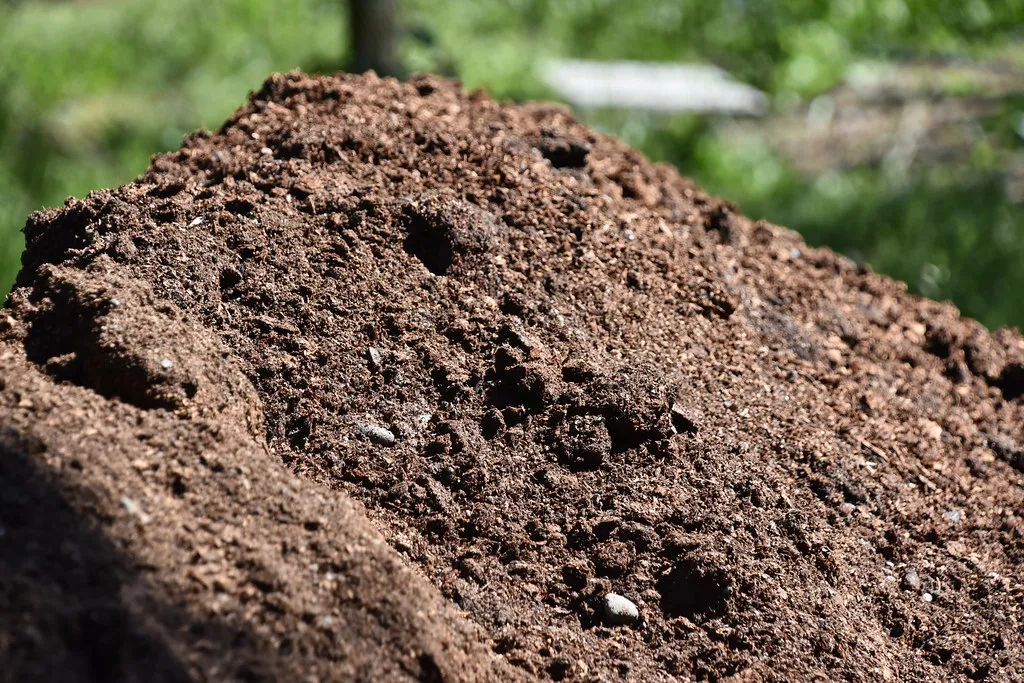
As of 2022, global fertilizer consumption reached an unprecedented level of 185 million tons, marking a more than thirty-seven percent increase since the beginning of the century. The application of inorganic fertilizer per unit of cropland globally rose to 113 kilograms per hectare, with Asia experiencing peak usage of 176 kilograms per hectare, according to the FAO.
Nutrient imbalances resulting from excessive and irrational fertilization have compelled microbes to change their survival strategies. The consequences of this shift are still being studied, but early findings point to soil systems becoming increasingly fragile.
Long-term monoculture cropping and overfertilization degrade soil fertility, which reduces crop growth and promotes the development of soil-borne diseases. The scale of this problem is no longer a minor agricultural inconvenience. It is a global soil health crisis unfolding gradually across millions of hectares.
How to Reverse the Damage and Fertilize Smarter
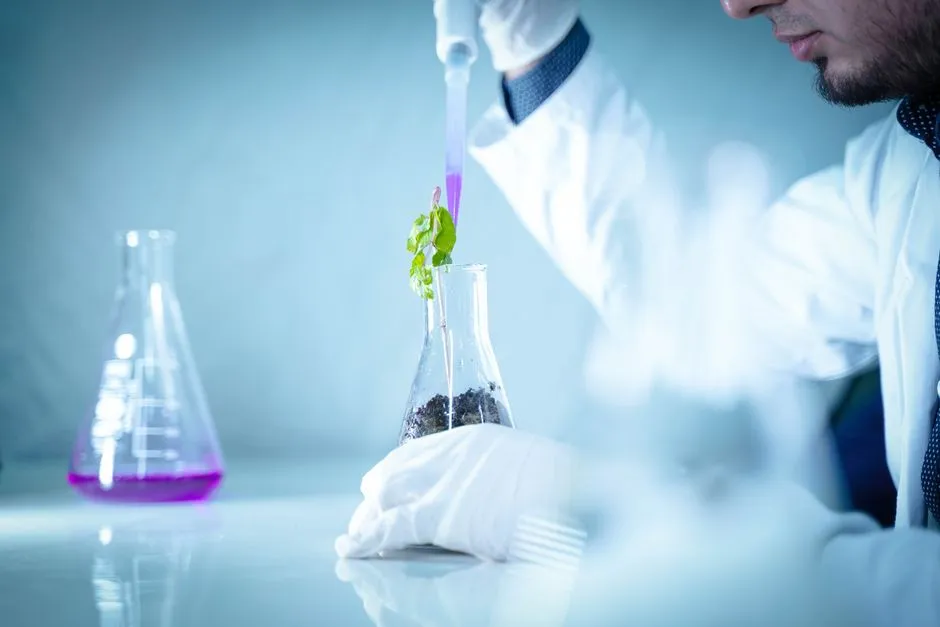
Deeply watering the soil helps flush out excess nutrients and reduces their concentration in the root zone. Removing burnt leaves and stems also helps the plant recover and redirect energy to healthier parts.
Before setting any fertilization schedule, a soil test is essential. It reveals existing nutrient levels, identifies deficiencies and excesses, and determines soil pH, all of which directly influence which fertilizer to apply and when.
Slow-release fertilizers are a practical option for reducing risk, as controlled-release formulations provide nutrients gradually over time, reducing the chance of overfeeding. Paired with a soil test and awareness of your plant’s growth stage, this approach eliminates most of the guesswork that leads to fertilizer damage in the first place.
The Takeaway
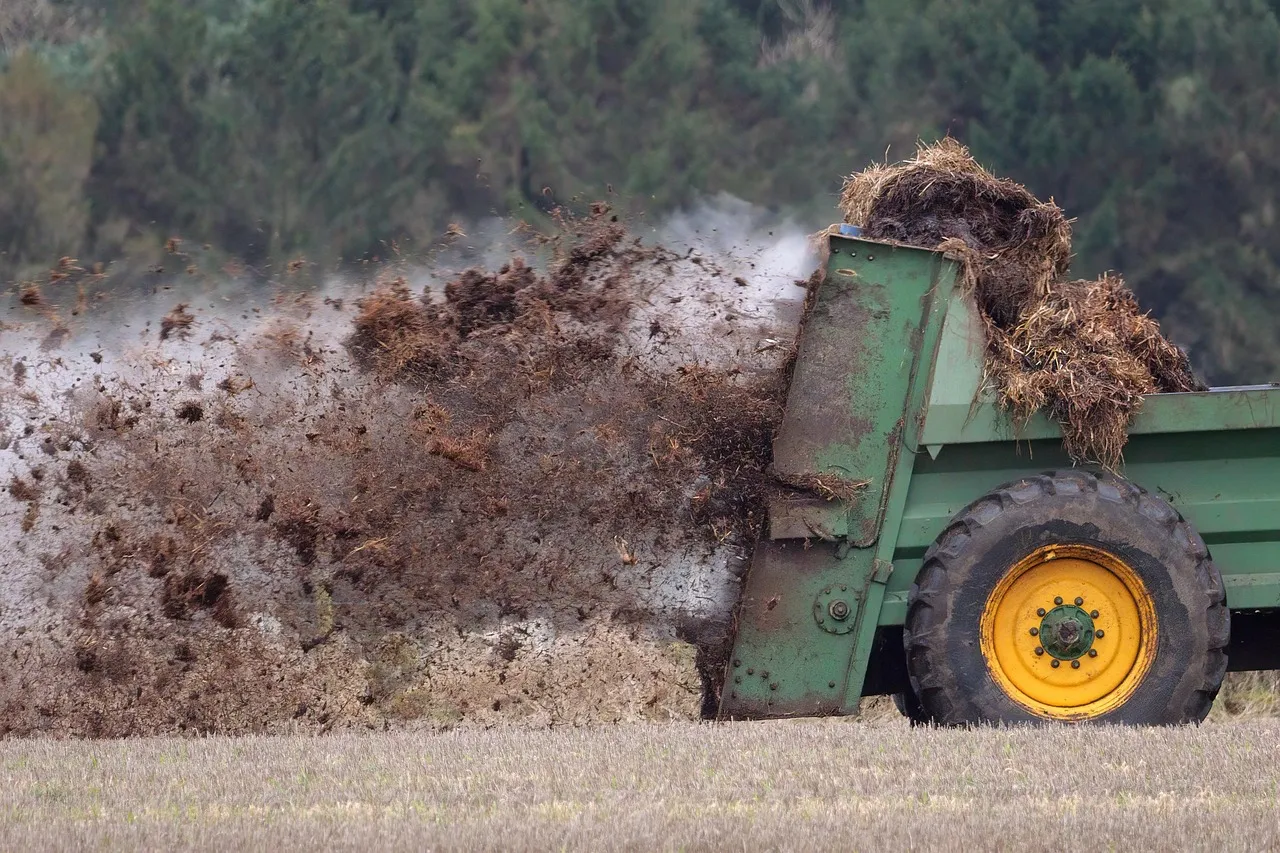
The fertilizer mistake that stunts growth is not one dramatic error. It is a quiet accumulation of small misjudgments: the extra handful of granules, the bag applied before a rainstorm, the fresh manure worked in too early. Plants are not passive recipients of whatever you add to the soil. They operate within a finely balanced system, and when that system gets overloaded, the plant is often the last thing that benefits.
Fertilizer works best when it follows the plant’s own rhythm rather than trying to force it.
AI Disclaimer: This article was created with the assistance of AI tools and reviewed by a human editor.