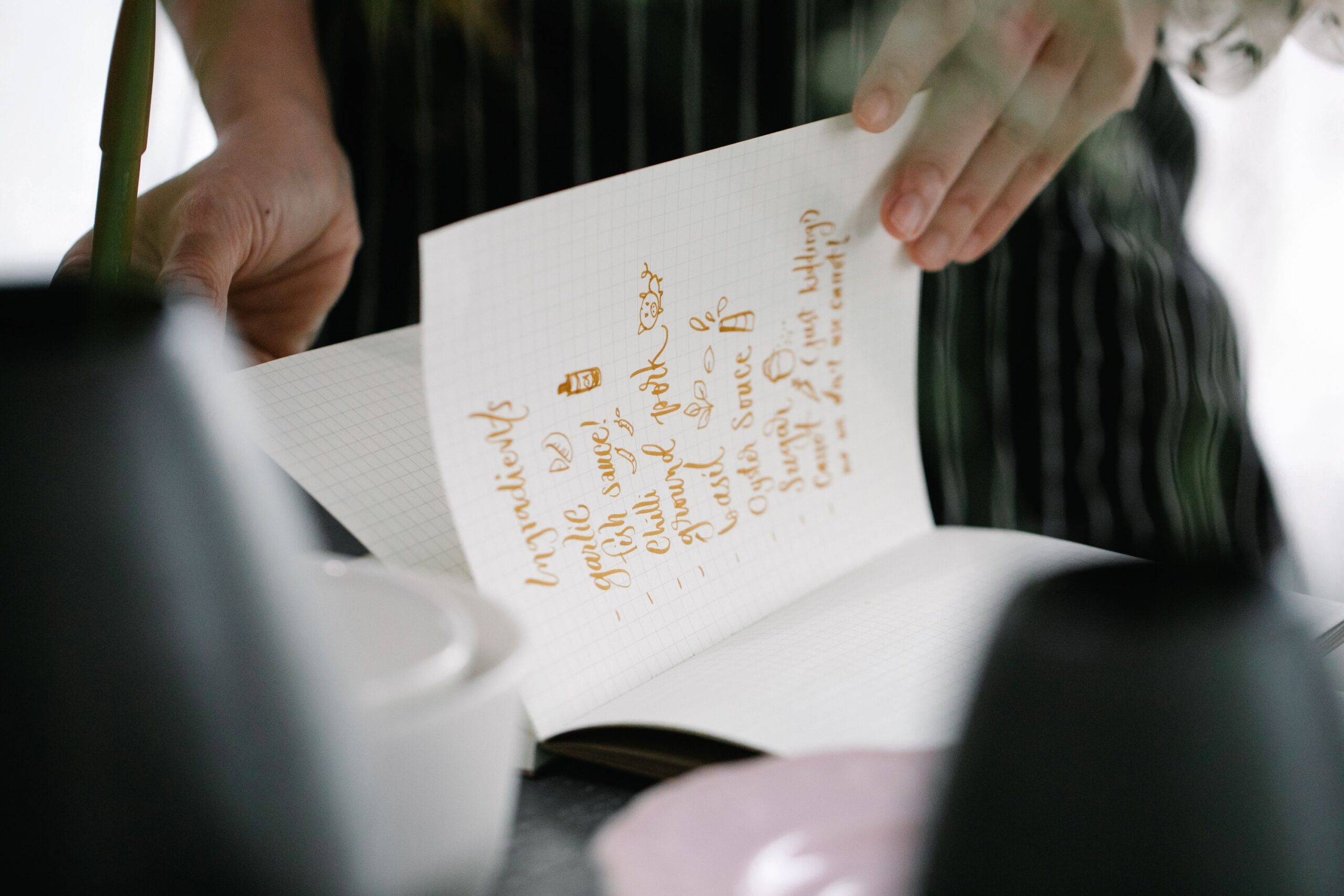

There’s something quietly moving about finding a recipe card tucked inside an old tin box, the ink smudged from years of kitchen use, the handwriting unmistakably someone else’s. It tells you exactly who stood at that stove before you did. In an era when most people pull up a recipe on their phone and swipe past three ads to find the ingredients, a growing number of home cooks are choosing something older instead.
In a surprising shift from the relentless march of technology, home cooks across the country are dusting off their old recipe cards and returning to the kitchen traditions of previous generations. The revival isn’t just sentimental. It’s deliberate, and it’s gaining real momentum.
Why Handwritten Recipe Cards Are Having a Moment Right Now

Retro kitchen items are back as the mixing of modern and old-school elements is having a style moment, and designers and aspiring chefs alike are bringing recipe boxes back into fashion. Handwritten recipes not only add a touch of nostalgia to home decor but can elevate classic meals. There’s a quiet confidence to a card that has survived decades in a kitchen drawer.
In a world that’s constantly changing and full of uncertainty, there’s something comforting about going back to the classics. Vintage recipes are making a comeback, and these retro dishes offer a sense of familiarity, tradition, and connection to family history. The timing feels less like coincidence and more like a collective exhale.
More Than a Recipe: Family History in Ink
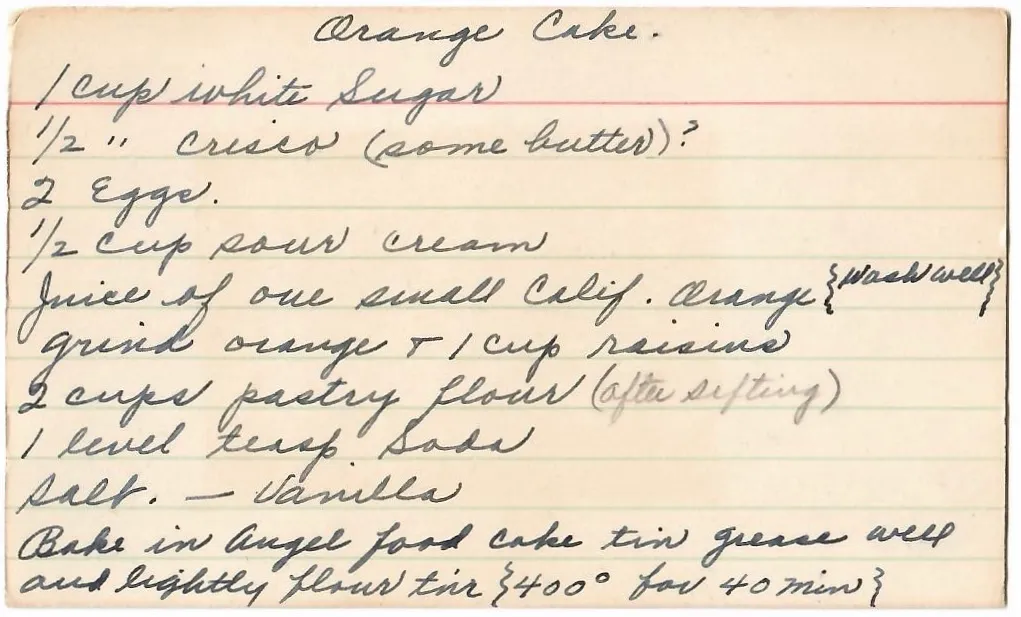
In an age of endless food blogs, TikTok tutorials, and Pinterest boards, there’s something profoundly moving about holding a handwritten recipe card. The paper might be worn soft at the edges, the ink faded, the surface marked by grease stains or flour fingerprints. Yet those imperfections tell a story of a dish made countless times, of hands that prepared it, of memories folded into every bite.
Family recipes are a connection to our past, a link to cherished memories, and a way to keep loved ones close, even when they’re no longer with us. The handwriting on those old recipe cards, the notes in the margins, and the splashes of sauce on the paper all tell stories of family gatherings, shared meals, and traditions passed down through generations.
The Statistics Behind the Sentiment
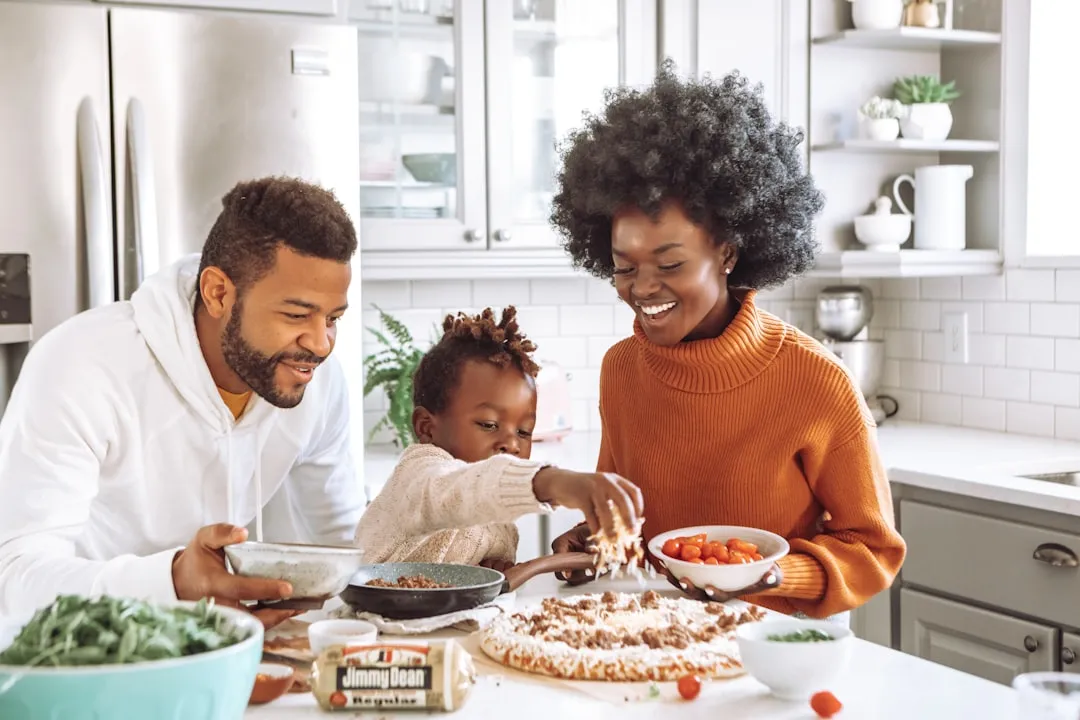
In a poll of 2,000 parents, the vast majority say their family has its own traditional recipes, and more than a third know how to make these recipes themselves. More than half of Americans still follow their original family recipes exactly as written.
Nearly three quarters of respondents have been given a recipe from their parents, and more than half have gotten one from their grandparents. Some went even further back in the family tree, as a significant portion of parents have received recipes from their great-grandparents. These numbers suggest the tradition never truly died. It was simply waiting.
Social Media Is Fueling, Not Replacing, the Tradition
Viral hashtags like #RetroCooking and #GrandmasRecipes introduce these dishes to younger generations, driving them to become new culinary trends. The irony is that the very platforms known for disposable content are now helping people rediscover the slowest, most tactile form of recipe keeping.
Some TikTok users share personal recipes and dietary habits, while others use step-by-step cooking videos to grow their online presence. The widespread popularity of these trends has influenced various aspects of society, including interest in cooking among younger generations. When a young cook films herself copying her grandmother’s chicken soup onto an index card, the gesture lands differently than a typed recipe ever could.
The Brain Science That Makes Handwriting Worth It

A 2024 study featured in Scientific American showed that handwriting activates more areas of the brain than typing. It engages regions involved in movement, memory, and sensory processing. Since writing by hand is slower, learners naturally pause to summarize and reflect.
Research from the Norwegian University of Science and Technology found that “when writing by hand, brain connectivity patterns are far more elaborate than when typewriting on a keyboard,” with those connections playing a big role in memory and learning. Writing a recipe down, then, isn’t just preservation. It’s comprehension in action.
The Recipe Card as a Cultural Document
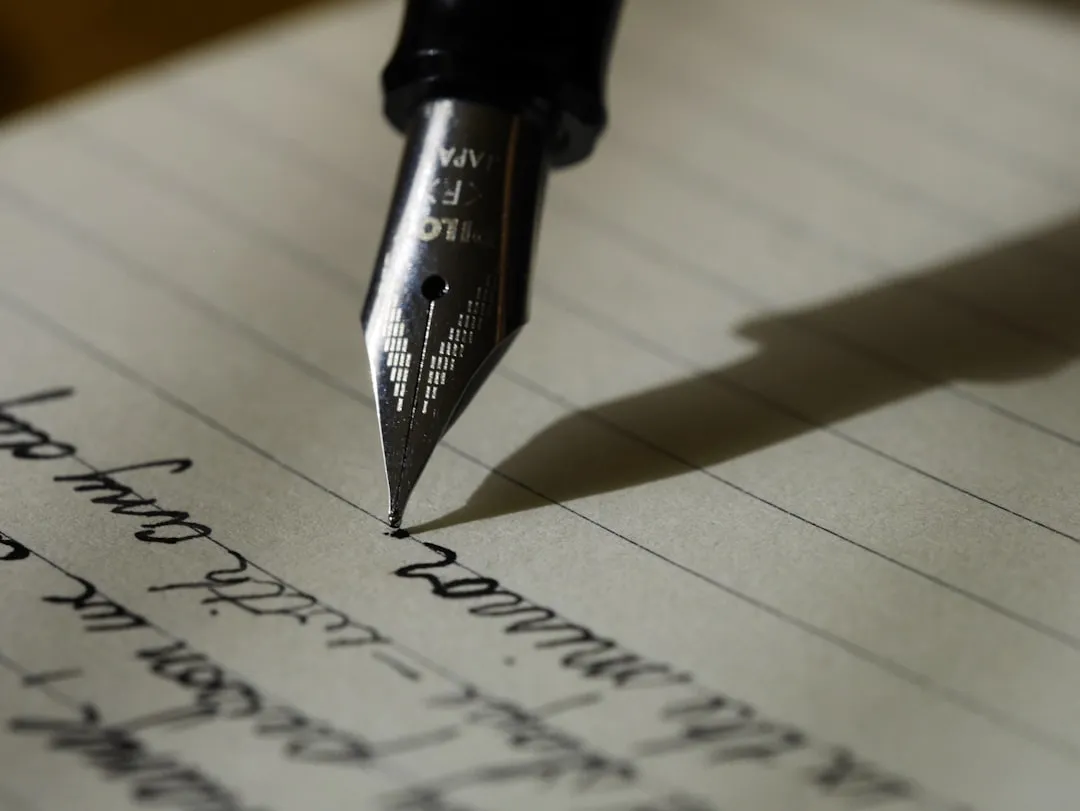
A handwritten recipe card, holiday dish, regional specialty, or family cooking tradition can reveal where a family came from, what ingredients were available, how traditions moved across generations, and which meals brought people together.
Genealogy records provide the facts of family history, but recipes provide texture and emotion. They show what people ate, what they celebrated, what they valued, and how traditions survived across generations. A recipe card isn’t just about food. It’s a window into an entire way of living.
The Growing Risk of Losing These Cards
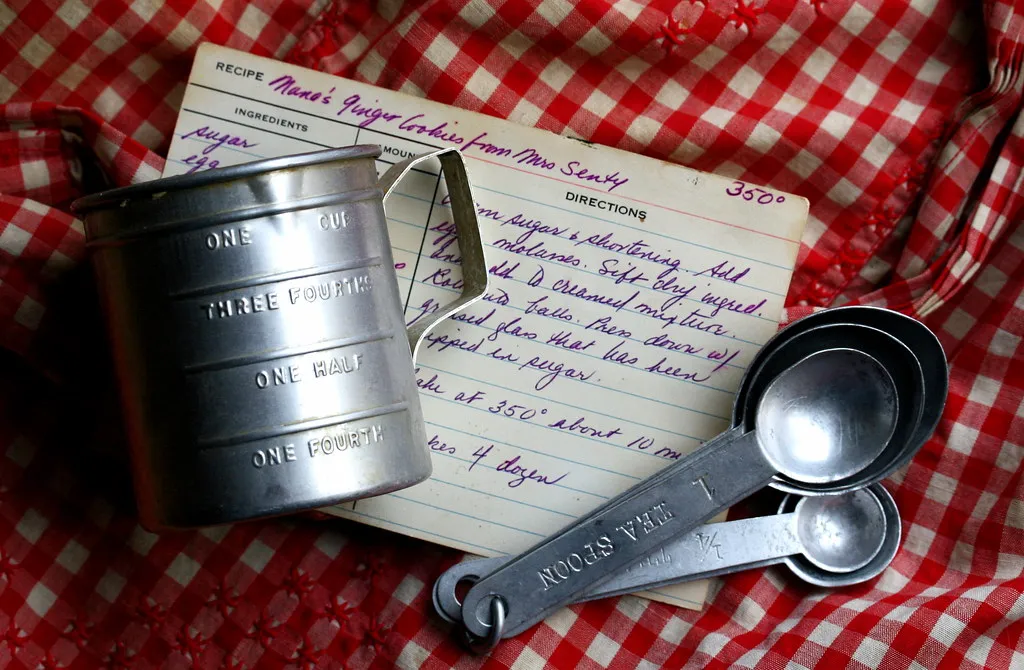
As life becomes increasingly digital, handwritten recipe cards are slowly disappearing. Families no longer rely on index cards, tin boxes, or binders filled with clippings. Instead, recipes are scattered across phones, texts, emails, and cloud storage, easy to access but lacking the personal warmth of ink on paper.
As time passes, handwritten treasures become fragile and susceptible to fading, tearing, and other forms of damage. Digitization offers a way to preserve these recipes for future generations while making them accessible to everyone in the family, no matter where they are. The good news is that awareness of this loss is itself driving the revival.
Passing It Forward: Teaching the Next Generation

Families keep traditions alive through recipes handed down to each new generation, and creating memories together in the kitchen is important, according to Oklahoma State University Extension educator Lisa Hamblin. “We retain those memories because we use all of our senses in the kitchen,” she said.
Spending time together in the kitchen is a great way to introduce younger generations to traditional family recipes and create lasting memories. A child who watches a parent write out a recipe by hand is absorbing far more than a list of ingredients. They’re learning that certain things deserve care.
What Modern Cooks Are Actually Doing with Old Cards
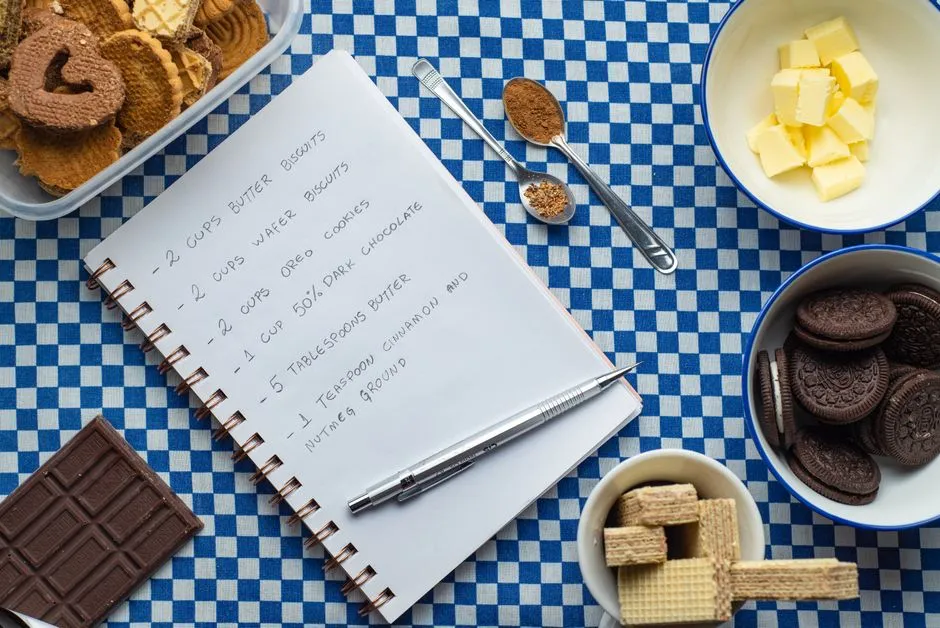
Beyond practical benefits, writing down recipes is a wonderful way to create beloved family heirlooms that will be used and cherished for generations to come. If you’ve ever found an old recipe box in a relative’s kitchen, you’ll know the unique joy of flipping through handwritten instructions for vintage family favorites.
More than four in five respondents agreed that traditional recipes require more work than modified ones, and a notable portion modify them to increase efficiency. Popular modifications include changes to ingredient sourcing, ingredient amounts, and ingredient substitutions. The tradition stays intact even as the recipe itself adapts, which is exactly how living culinary culture is supposed to work.
Preservation Methods That Are Gaining Traction
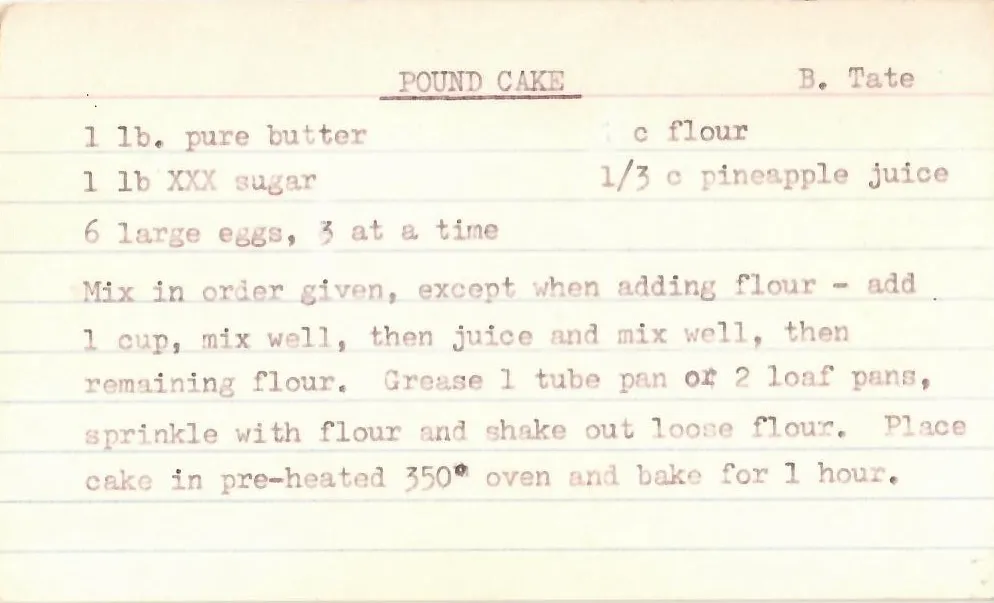
Preserving handwritten recipes deserves extra care, and archivists suggest storing them in acid-free paper, protective sleeves, or as digital scans to ensure their longevity. Some families are going further, compiling recipe collections into printed books alongside photographs and family stories.
A genealogy-inspired family cookbook that combines recipes, photos, family stories, handwritten notes, regional traditions, and memories into one printed keepsake becomes more than a cookbook. For genealogists and families alike, it becomes a family history document future generations can read, cook from, and pass along. That’s a different kind of permanence than a saved link.
A Quiet Resistance to the Purely Digital Kitchen
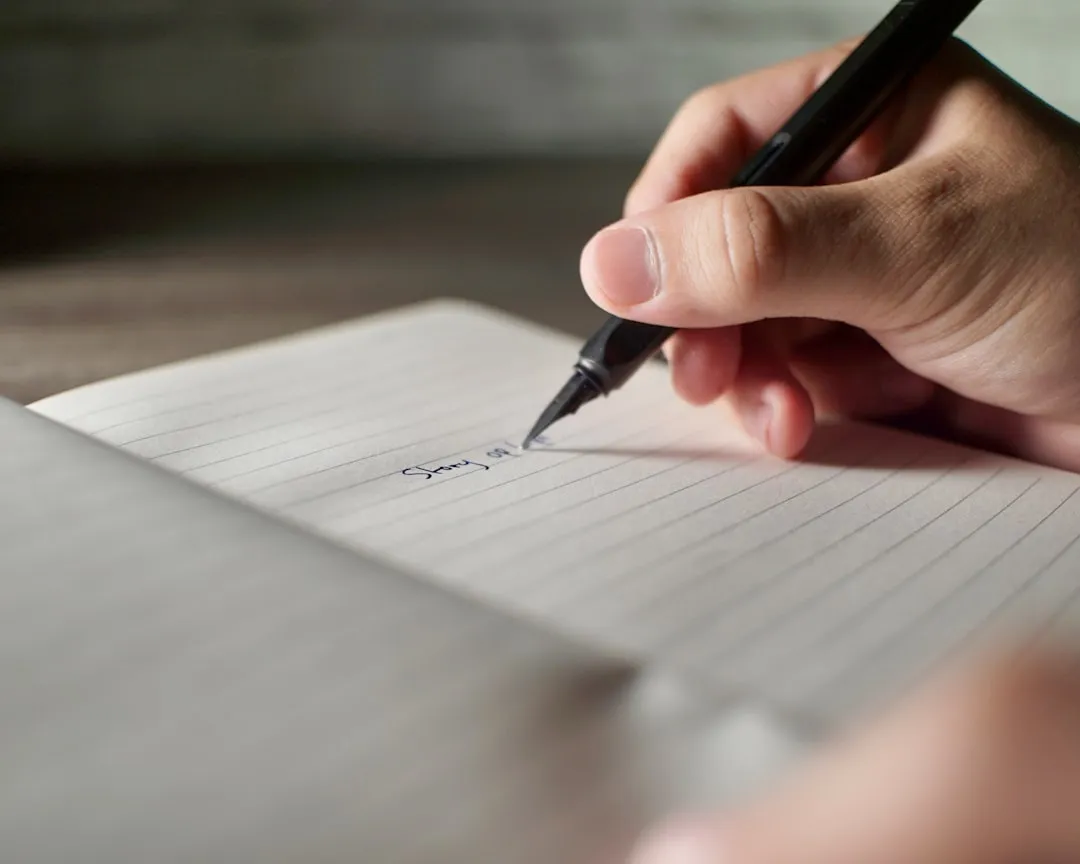
In a world increasingly dominated by the digital, the handwritten recipe card is a testament to human connection’s enduring power. It is a reminder that the most cherished things in life cannot be downloaded or streamed.
The value of recipe cards lies in their tangible nature. Unlike the fleeting existence of online recipes, they possess a physical presence, a weight that grounds them in reality. There’s something worth protecting in that weight. Not out of resistance to progress, but out of genuine love for what a piece of paper in a grandmother’s handwriting can hold.
The Lasting Meaning of an Ink-Stained Card
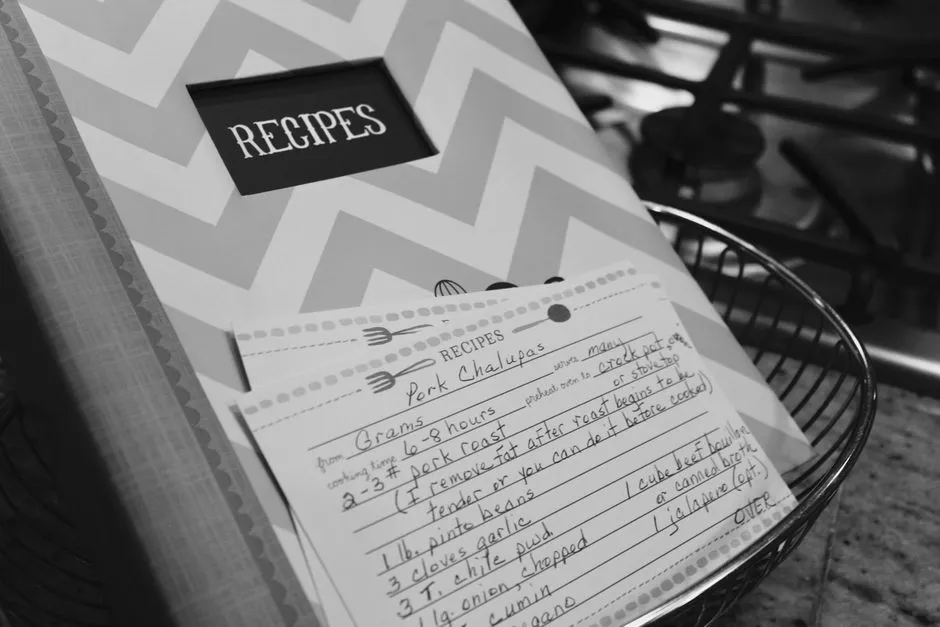
The handwritten recipe card revival isn’t about rejecting modern convenience. It’s about recognizing what convenience quietly costs when it becomes the only option. Though notecards may appear trivial, recipes written on them preserve memories of loved ones and offer recollections of holidays and dinners shared with family and friends.
What’s happening in kitchens right now is less a trend and more a correction. These recipes anchor people to tradition and offer a sense of continuity in an era marked by rapid change. Some things, it turns out, were always worth keeping on paper.
AI Disclaimer: This article was created with the assistance of AI tools and reviewed by a human editor.