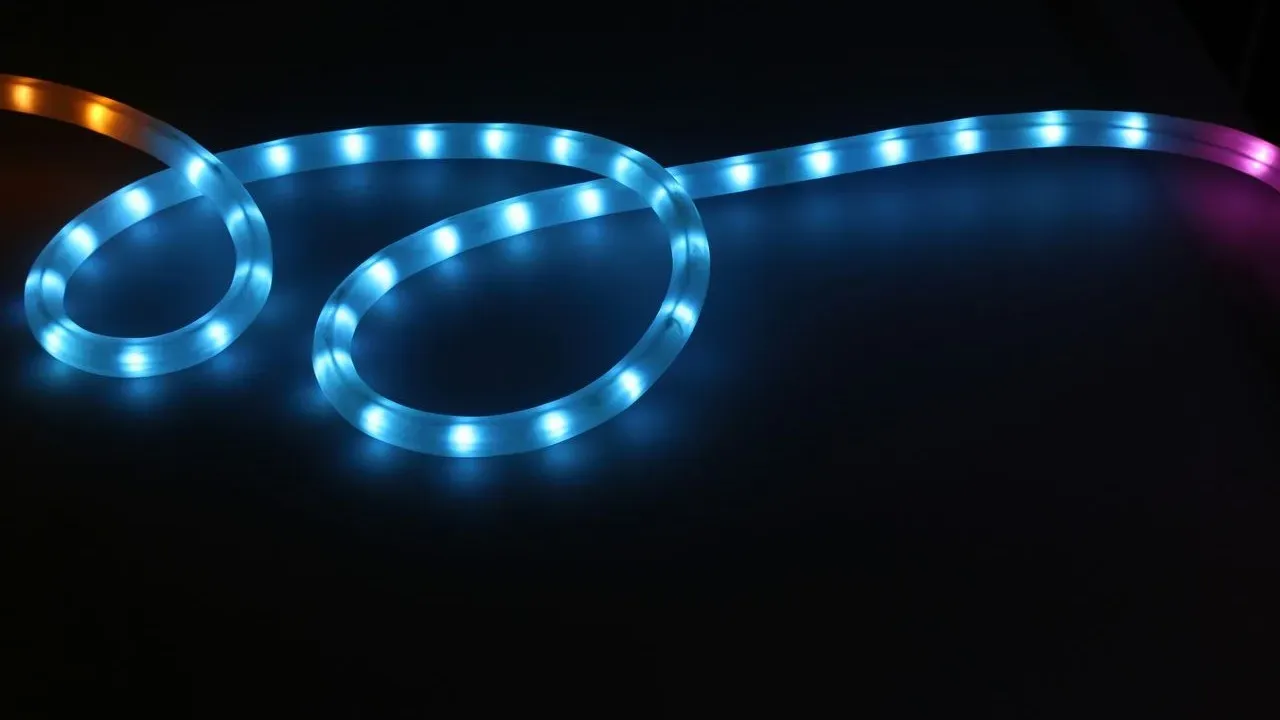

Homeowners are discovering that a modest investment in LED strip lighting can shift the entire feel of a space, turning ordinary rooms and garden areas into inviting retreats. The technology moves well beyond basic bulbs, offering precise control over mood and function at a fraction of the cost of major renovations. What once required professional electricians and high budgets now fits within reach for many households seeking quick, visible improvements.
The Role of Colour Temperature in Setting the Right Mood
Colour temperature stands out as one of the most influential yet overlooked factors in lighting choices. Measured in Kelvin, it determines whether a space feels warm and relaxing or crisp and energising. Warm white options around 2700K produce a soft glow with gentle yellow tones, making them suitable for bedrooms, living areas, and quiet garden corners where relaxation takes priority.
Cooler ranges between 3000K and 4500K deliver brighter, more focused light that supports tasks such as food preparation or reading. Daylight settings from 4500K to 6500K mimic natural outdoor conditions and work well in utility spaces or covered patios. Excessively high ratings risk a harsh, clinical appearance, while adjustable strips provide flexibility to match changing needs throughout the day or season.
Achieving a Seamless, Professional Appearance
The spacing of individual LEDs on a strip directly affects the final look. Lower-density options leave visible gaps that create a dotted pattern, which can undermine the intended elegance. Higher-density strips place chips closer together, producing a continuous line of light without dark spots or uneven patches.
This difference becomes especially noticeable in longer installations along shelves, under cabinets, or along garden edging. The result is a polished effect that resembles high-end custom lighting rather than a basic add-on. Homeowners who prioritise this uniform output often find the upgrade feels more substantial than the price suggests.
Matching Voltage to Project Scale
Power requirements introduce another practical consideration for larger installations. Twelve-volt systems suit shorter runs, such as a single display or small accent feature, with a typical maximum length around 16 feet before dimming occurs. Twenty-four-volt systems handle extended lengths more reliably, supporting runs up to roughly 32 feet from one power source without noticeable loss in brightness.
Selecting the appropriate voltage prevents performance issues over distance. Pairing the supply with a modest buffer above the total wattage needed also helps manage heat and extend the life of the components. These choices keep the system efficient whether the project stays indoors or extends to protected outdoor zones.
Protection Levels for Different Environments
Environmental conditions dictate the level of protection required. Standard indoor settings with low moisture exposure work well with basic ratings that guard against dust. Areas exposed to steam, splashes, or outdoor humidity benefit from higher ratings that add a silicone seal for added durability.
Proper selection avoids premature failure and maintains consistent performance. This consideration proves especially relevant when extending lighting ideas from kitchens or bathrooms into covered garden structures or near water features, where moisture levels vary.
Practical Installation and Everyday Flexibility
Modern strips simplify the process through adhesive backing that adheres to clean surfaces, with cut points marked for custom lengths. Reinforcement clips provide extra security on challenging materials. Different chip types further expand options, with some delivering higher efficiency and others enabling colour mixing for varied effects.
These features reduce the barrier to entry for homeowners who want results without specialised tools or extensive wiring. The overall approach supports incremental upgrades that deliver noticeable ambiance improvements across both interior living spaces and adjacent garden areas.
Thoughtful selection of these elements allows LED strip lighting to serve as a versatile tool for enhancing daily environments. The combination of mood control, visual continuity, and adaptability continues to appeal to those seeking meaningful yet manageable changes at home.
AI Disclaimer: This article was created with the assistance of AI tools and reviewed by a human editor.