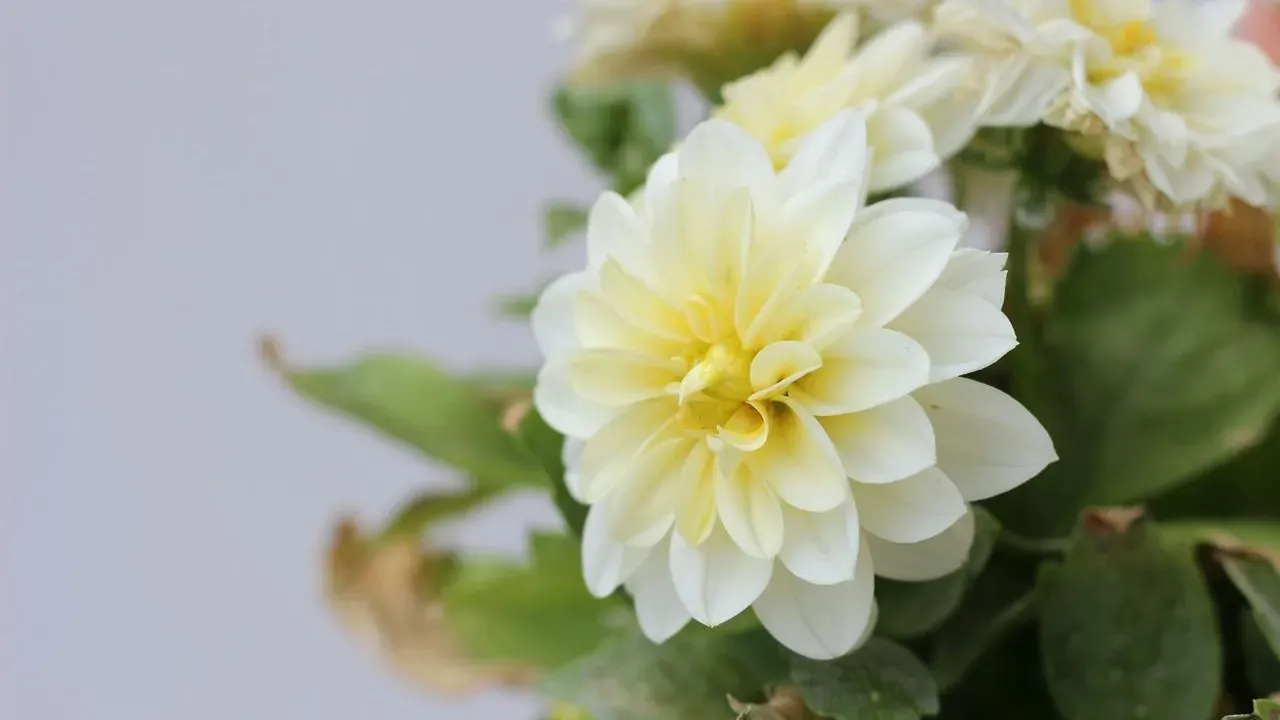

August often arrives with prolonged heat and limited rainfall that can leave many gardens looking tired and colorless. Unlike the abundant displays of spring, this month demands a more selective approach to planting. Yet dedicated gardeners know that certain flowers continue to thrive and provide welcome color even when conditions turn harsh.
Why August Presents Unique Gardening Demands
High temperatures and drier soil create stress for many plants that performed well earlier in the season. Bloom cycles shift, and some species enter a period of reduced flowering or go dormant altogether. This natural slowdown explains why many outdoor spaces appear less vibrant during the height of summer.
Gardeners who plan ahead can counter these effects by choosing varieties that tolerate heat and require less frequent watering. The result is a more resilient landscape that maintains interest without constant intervention. Understanding these seasonal patterns helps set realistic expectations for what can still be achieved.
Identifying Plants Suited to Late-Summer Conditions
Successful August performers tend to share traits such as deep root systems and tolerance for full sun exposure. These characteristics allow them to draw moisture from lower soil layers and withstand periods of drought. Selecting such plants reduces the need for supplemental irrigation while still delivering visual appeal.
Local climate variations also play a role in determining which options perform best. What succeeds in one region may need adjustment in another, so matching plant choices to specific growing conditions remains essential. This targeted selection process supports both plant health and garden longevity.
Many of these resilient species also attract pollinators that remain active through the warmer months. Their continued presence supports local ecosystems even as other floral resources diminish. The practical outcome is a garden that serves both aesthetic and ecological purposes.
Practical Steps for Sustaining Color Through the Month
Preparing soil with organic matter before planting improves moisture retention and provides nutrients that help plants endure stress. Consistent mulching around the base of new additions further protects roots from extreme temperature swings. These foundational practices create conditions where late-season flowers can establish quickly.
Watering routines should focus on deep, infrequent applications rather than daily light sprinklings. This approach encourages roots to grow downward and strengthens overall plant resilience. Monitoring for signs of stress allows timely adjustments before problems become severe.
Regular deadheading of spent blooms encourages additional flowering on many heat-tolerant species. Removing faded petals prevents the plant from diverting energy into seed production and keeps the display tidy. Such simple maintenance extends the season of color with minimal effort.
Longer-Term Advantages of August Planning
Investing in plants that perform well now sets the stage for smoother transitions into fall. Many of these varieties continue blooming or provide attractive foliage as temperatures moderate. The garden therefore maintains continuity rather than experiencing a sudden drop in visual interest.
Over time, repeated success with heat-adapted selections builds a more reliable planting palette. Gardeners learn which combinations work reliably in their specific setting and can refine choices each year. This accumulated knowledge reduces trial and error while increasing overall satisfaction.
August need not mark the end of garden color. With thoughtful plant selection and basic care, late-summer displays remain possible and rewarding. The effort invested during this demanding period often yields gardens that stay engaging well into the cooler months ahead.
AI Disclaimer: This article was created with the assistance of AI tools and reviewed by a human editor.