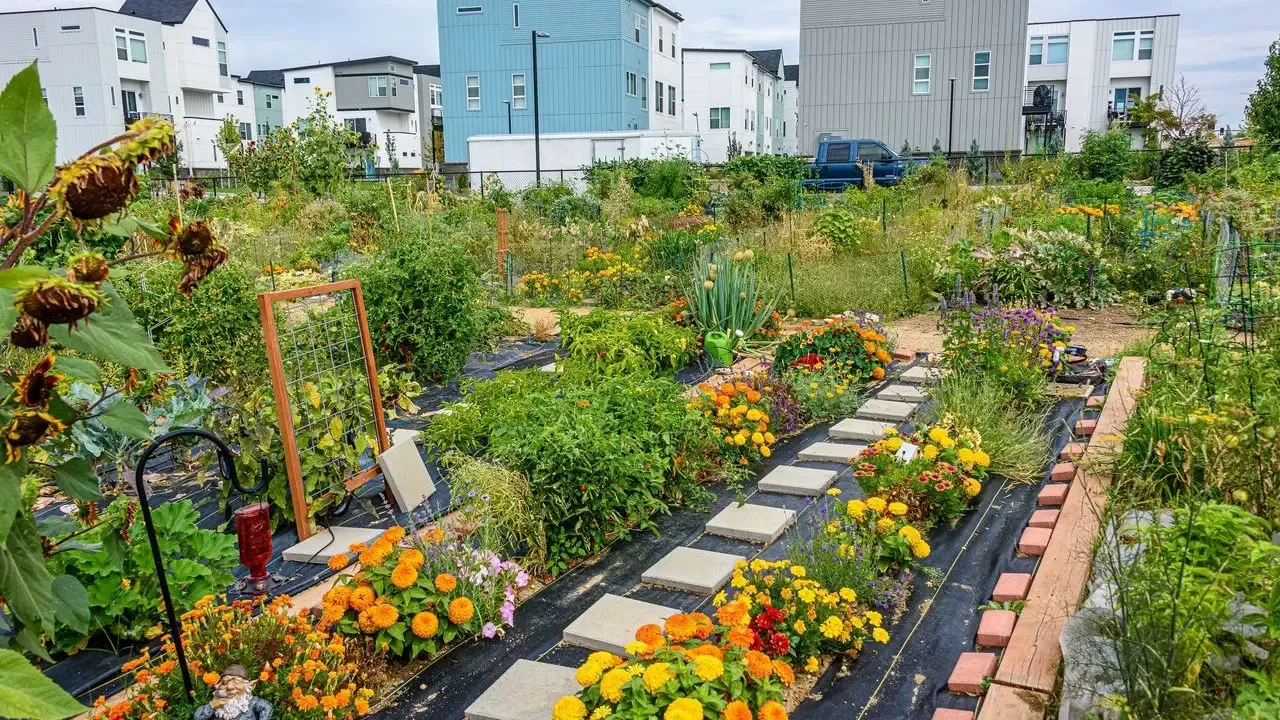

In a modest corner of Philadelphia, a small urban lot once defined by its emptiness now draws quiet attention for its layers of surprise. Asha saw potential where others saw limitation and set about reshaping the space with intention and resourcefulness. The result feels less like a conventional garden and more like a living invitation to explore.
From Neglected Plot to Personal Canvas
The lot began as little more than a blank rectangle hemmed in by neighboring buildings. Asha approached the challenge by first clearing debris and assessing the light, soil, and boundaries that would shape every future decision. Rather than imposing a rigid plan, she allowed the site itself to guide the layout, creating paths and pockets that reward slow movement.
Early choices focused on structure. Raised beds and simple divisions gave the space definition without crowding it. Over time, the garden gained depth through repeated visits and small adjustments, each one responding to how plants settled and how the light shifted across seasons. The process remained personal, driven by daily observation rather than outside trends.
Repurposed Objects Bring Unexpected Character
Found and discarded items became central to the design. Old crates, weathered metal pieces, and salvaged containers found new purpose as planters, supports, and focal points. These elements add texture and history, turning what might have been ordinary beds into compositions that feel collected rather than purchased.
Each object carries its own story, yet none dominates. Instead they sit comfortably among the greenery, their previous lives softened by moss, vines, or the patina of weather. The approach keeps costs low while giving the garden a distinctive personality that changes with the light and the growth around it.
Visitors often pause at these details, noticing how a rusted frame now cradles climbing stems or how a wooden box has become a miniature habitat. The reuse feels natural rather than forced, an extension of the same imaginative spirit that shaped the planting.
Planting Designed for Discovery
Imaginative planting choices encourage movement and repeated visits. Layers of height, color, and texture create moments of revelation as one rounds a corner or steps past a screen of foliage. Some areas remain open and sunny while others stay shaded and intimate, offering contrast within the same small footprint.
Seasonal shifts keep the experience fresh. Early blooms give way to later textures, and self-seeding plants add an element of chance that Asha welcomes. The garden rewards attention without demanding it, allowing different discoveries on each walk through.
Children and adults alike respond to the sense of play. A low arch might frame a hidden bench, while a cluster of tall stems creates a temporary tunnel. These effects emerge from thoughtful placement rather than elaborate construction, proving that scale need not limit wonder.
A Lasting Sense of Place
The garden now stands as evidence that even the smallest city spaces can hold richness when approached with patience and creativity. Asha continues to refine details, yet the core feeling of discovery remains constant. Neighbors notice the change, and the lot has become a quiet reference point in the block.
What began as a practical reclamation has grown into something more enduring. The combination of repurposed materials and thoughtful planting has produced a space that feels both personal and generous, open to anyone willing to slow down and look closely. In Philadelphia’s dense fabric, such transformations offer a reminder that imagination can turn constraint into opportunity.
AI Disclaimer: This article was created with the assistance of AI tools and reviewed by a human editor.