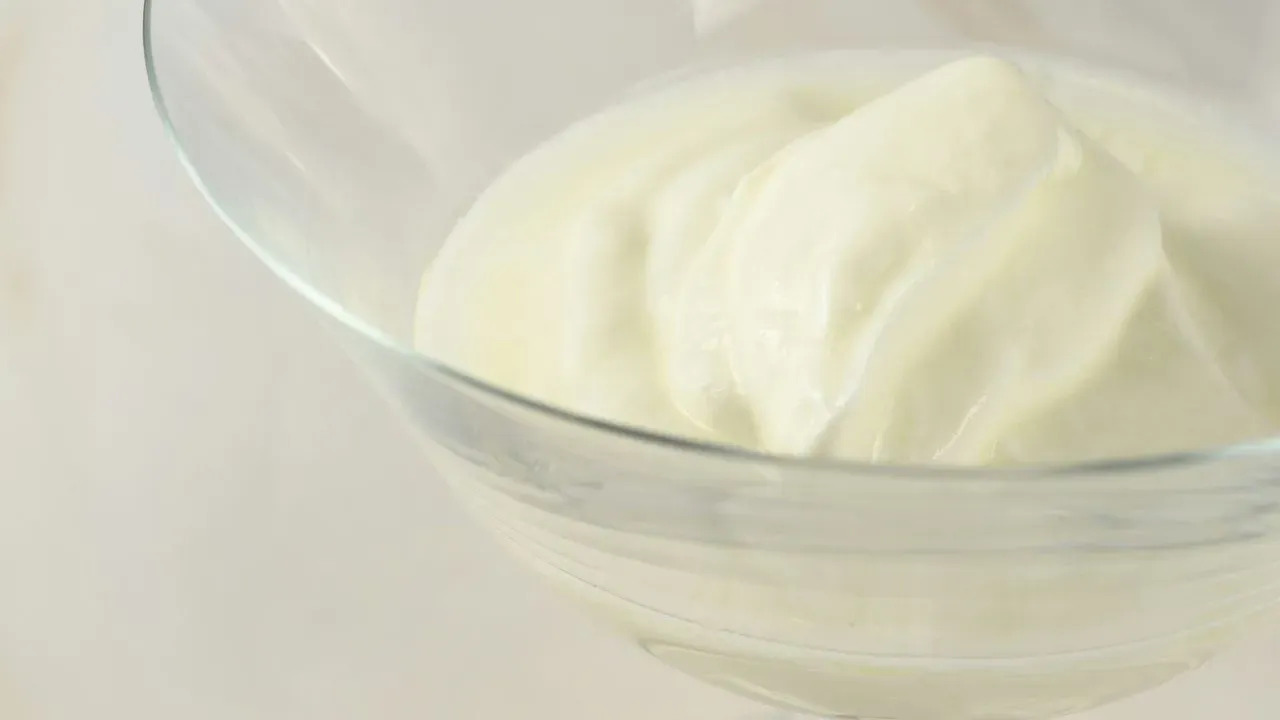

You reach for the tub to finish a batch of enchiladas or to top baked potatoes, only to find it empty. The same moment arrives when a cheesecake recipe calls for a full cup that simply is not there. Sour cream brings both tangy acidity and a thick, cooling texture to countless dishes, yet several common ingredients already on hand can fill the gap without a trip to the store.
The Two Roles Sour Cream Plays
Sour cream contributes fat and acidity that shape both cooked dishes and finished plates. In batters and sauces the acidity reacts with baking soda to create lift and tenderness, while the fat keeps textures moist. As a garnish it must stay thick enough to sit neatly on tacos, chili, or potatoes without thinning or separating. Those two jobs call for different qualities in a substitute. Heat stability matters most when the ingredient will simmer, whereas body and tang matter when it will be spooned on top. Matching the right swap to the task keeps the final result close to the original.
Strong Dairy Options That Deliver
Greek yogurt stands out as the most versatile everyday replacement. Full-fat versions match sour cream’s thickness and tang at a one-to-one ratio and work in both baked goods and cold toppings. Stir it in off the heat or temper it with a spoonful of the hot mixture if the recipe involves simmering, since it can still separate under prolonged high heat. Crème fraîche offers the safest choice for anything that will cook on the stove. Its higher fat content, typically around 30 percent, lets it simmer in sauces and soups without breaking. The milder flavor also suits mashed potatoes or roasted vegetables where a richer finish is welcome. Buttermilk brings the same acidity that helps cakes and quick breads rise. Use three-quarters of a cup for every cup of sour cream called for and reduce other liquids slightly to account for the extra moisture. It works best in baking or dressings rather than as a dollop, because it is thinner and can curdle under direct heat.
Plant-Based Swaps Worth Keeping on Hand
Cashew cream provides a reliable dairy-free alternative that many cooks turn to for its natural mild tang. Soak raw cashews, blend them smooth with water and a splash of lemon juice or vinegar, then use the result at a one-to-one ratio. Once chilled it holds a thick, spoonable texture that works well on tacos or chili. Coconut cream or plain coconut yogurt offers another straightforward option for vegan or dairy-free cooking. Scoop the solid layer from a chilled can of full-fat coconut milk or use coconut yogurt straight from the tub. A squeeze of lime or lemon juice restores some of the missing tang, though a subtle coconut note remains.
Matching the Substitute to the Dish
The best choice depends on whether the sour cream is meant to cook, bake, or simply garnish. A quick comparison helps narrow the options:
| Use Case | Top Substitute | Ratio | Key Note |
|---|---|---|---|
| Hot sauces or soups | Crème fraîche | 1:1 | Stays stable under heat |
| Baking | Greek yogurt or buttermilk | 1:1 or 3/4 cup | Supplies needed acidity |
| Dolloping on tacos or potatoes | Greek yogurt or cashew cream | 1:1 | Holds shape when chilled |
| Cold dips and dressings | Plain yogurt or mayonnaise | 1:1 | Add citrus for extra tang |
Blended cottage cheese, thinned cream cheese, and kefir each fill narrower roles when the situation calls for extra protein, richness, or a pourable consistency. Experimenting with what is already in the refrigerator often yields results that are every bit as satisfying as the original ingredient.
AI Disclaimer: This article was created with the assistance of AI tools and reviewed by a human editor.