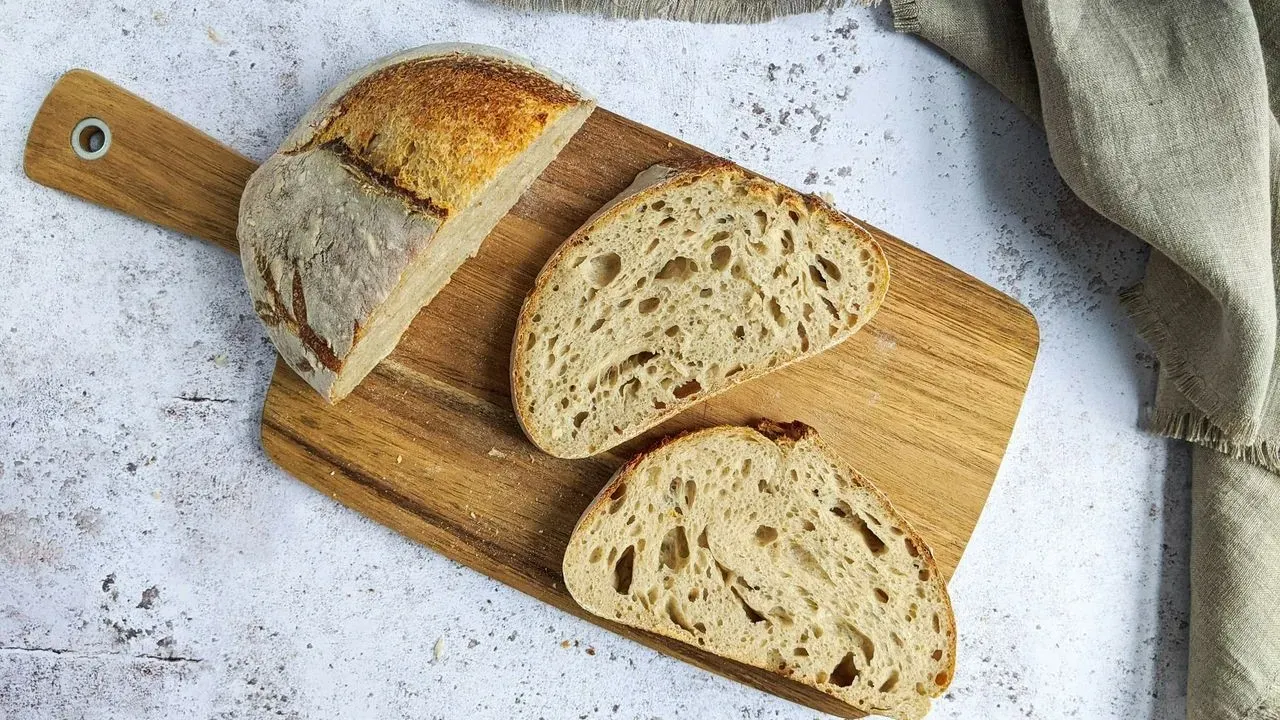

Costco introduced its Kirkland Signature olive and rosemary sourdough bread as a new bakery item, and many regular shoppers quickly added it to their carts. The product has prompted a wider discussion among home bakers and food enthusiasts about the precise requirements for calling bread sourdough. At stake is how retailers present items that carry traditional names while using modern production methods.
Product Details and Rollout
The bread combines olives and rosemary with a sourdough base and appears in Costco warehouses across the United States. Shoppers report purchasing it alongside other bakery staples, noting its convenience as a ready-to-eat option. The rollout follows Costco’s pattern of expanding its Kirkland Signature line with seasonal or specialty baked goods. Early feedback from buyers centers on flavor and texture, yet the conversation has shifted toward production standards.
Criteria for Authentic Sourdough
Traditional definitions require that sourdough bread rely exclusively on a live sourdough culture for leavening. This means no commercial yeast or additional rising agents can be present. The dough must also avoid additives that extend shelf life or alter flavor beyond the natural fermentation process. These rules stem from long-standing baking practices that emphasize wild yeast and bacteria working together over time. Several core elements separate genuine sourdough from other loaves:
– Fermentation driven solely by a maintained starter culture
– Absence of commercial yeast in the recipe
– Minimal or no added preservatives and conditioners
– A baking timeline that allows full flavor development from the starter Retailers sometimes apply the sourdough label more broadly, which has fueled ongoing questions about consistency across brands.
Stakeholder Reactions and Business Context
Home bakers and artisan producers have voiced concerns that loose labeling can blur distinctions in the marketplace. They point out that true sourdough demands specific time and care that commercial-scale production may shortcut. Costco, as a major retailer, faces these questions whenever it adds items that reference heritage baking terms. The debate reflects wider tensions between convenience-driven retail and expectations for ingredient transparency. Consumers who prioritize traditional methods now examine ingredient lists more closely before purchase. Smaller bakeries that adhere strictly to starter-only recipes see the discussion as an opportunity to highlight their own practices. Large chains must balance broad appeal with accurate product descriptions to maintain trust.
Practical Effects on Shoppers
Buyers interested in sourdough for its digestibility or flavor profile may need to verify labels themselves. The current exchange encourages greater attention to how bread reaches store shelves. Over time, clearer standards could influence how companies formulate and market similar products. The episode underscores that even routine grocery decisions can connect to larger questions of food production.
AI Disclaimer: This article was created with the assistance of AI tools and reviewed by a human editor.