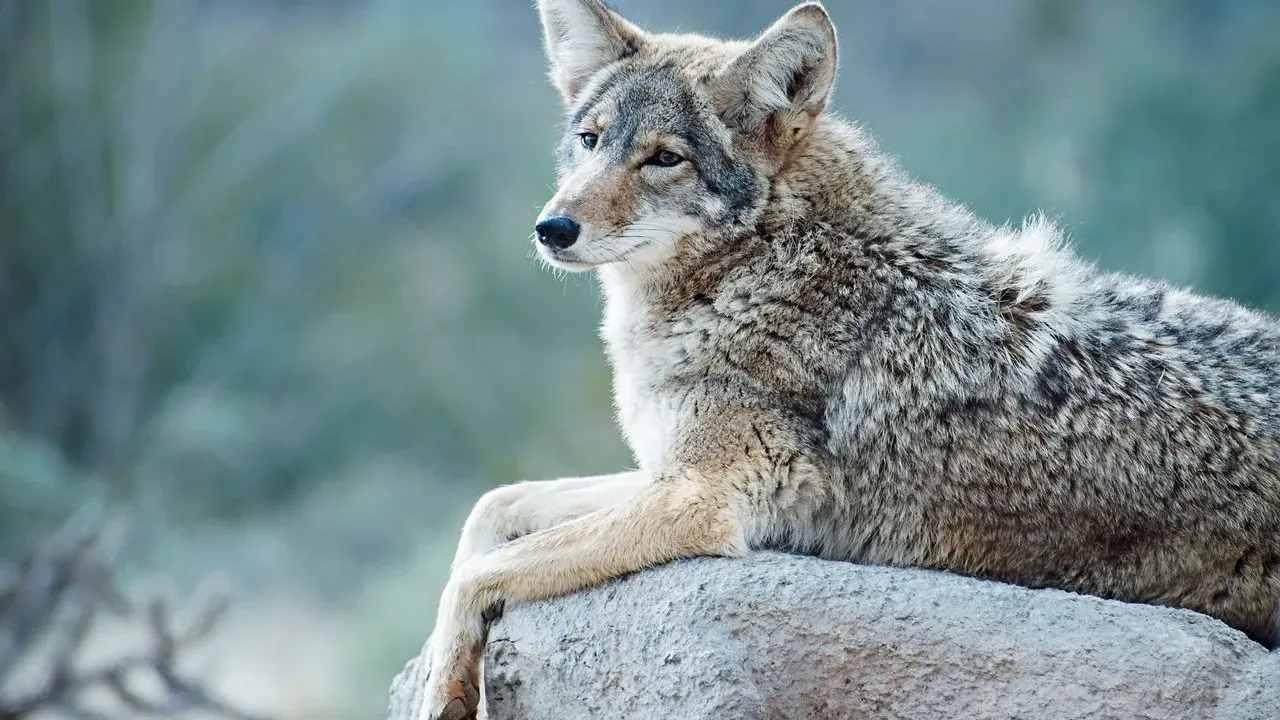

West Hollywood residents have noticed a distinct change in the nighttime soundscape around a long-vacant construction site. A pack of coyotes has moved in, turning the fenced-off lot into a regular gathering place. Their calls carry clearly through the surrounding streets after dark, creating an unexpected reminder of wildlife in the heart of the city.
Signs of a New Routine
The animals appear to have claimed the space as their own territory. Neighbors report consistent activity once the sun sets, with the pack using the open ground and remaining structures for shelter and movement. The site, left idle for months, offers the kind of undisturbed area that urban wildlife often seeks out when human activity stops. The presence of the coyotes has become predictable enough that some locals now mark their evenings by the first distant yips. This pattern suggests the animals have grown comfortable with the location and treat it as a reliable base rather than a temporary stop.
Residents Adjust to the Nighttime Chorus
The most noticeable effect has been the sound. Howling and barking echo from the lot most evenings, sometimes lasting for extended periods. People living nearby describe the calls as loud and frequent, enough to interrupt conversations or draw attention from inside homes. Many residents find the experience surprising rather than threatening. The noise serves as a reminder that even densely built neighborhoods can still host wild animals when conditions allow. Some have begun to time their outdoor activities differently or simply close windows earlier to reduce the volume inside. Others view the situation with a measure of curiosity. The coyotes represent a small but visible shift in how city spaces are shared once development pauses. Local discussions often center on whether the pack will stay as long as the site remains empty or move on if construction eventually resumes.
Urban Spaces and Wildlife Patterns
Abandoned or underused lots like this one can quickly become attractive to adaptable species. Without regular human presence or active maintenance, the area provides cover and a sense of security that busy streets or occupied properties do not. Coyotes in particular have shown they can thrive in such pockets across many cities. This kind of occupation is not uncommon when construction halts for extended periods. The animals take advantage of the quiet and the physical barriers that keep people out while allowing them relatively free movement inside the perimeter. Over time, the site functions more like a small habitat than an inactive building zone.
What Comes Next
The situation remains fluid as long as the property stays vacant. City officials and wildlife experts generally advise residents to avoid feeding or approaching the animals and to secure trash and pets at night. Most encounters stay at the level of sound rather than direct interaction. For now, the pack continues its routine, and the lot serves as an unplanned refuge. The story highlights how quickly nature can reassert itself in spaces left unattended, even in a well-developed urban setting like West Hollywood.
AI Disclaimer: This article was created with the assistance of AI tools and reviewed by a human editor.