

Most drivers have noticed it at some point: you open your car door after a rainstorm and something about the air inside seems off. It might smell earthy, damp, vaguely musty, or completely different from how it smelled yesterday. That shift isn’t random. It’s a signal, and understanding it can tell you quite a lot about your car’s condition and even your own biology.
Rain doesn’t just wet the world outside. It sets off a cascade of chemical, microbial, and physical processes that interact directly with your vehicle in ways most people never consider.
The Outside Smell That Gets In: Petrichor and Your Car

The scientific name for the earthy scent that follows rain is petrichor, and it was first named by two Australian researchers in the 1960s. The word itself is derived from two Greek words: “petros,” meaning “stone,” and “ichor,” which in Greek mythology referred to the fluid that flowed in the veins of the gods.
The distinctive smell of petrichor is contributed to by a number of factors, including oils secreted by plants during dry periods, chemical compounds secreted by bacteria, and, for stormier showers, the splitting of atmospheric chemicals to form ozone. When you open your car door in the moments after rain, these airborne compounds flow right in, coating the interior air with that familiar earthy note.
Geosmin: The Molecule Responsible for That Earthy Note
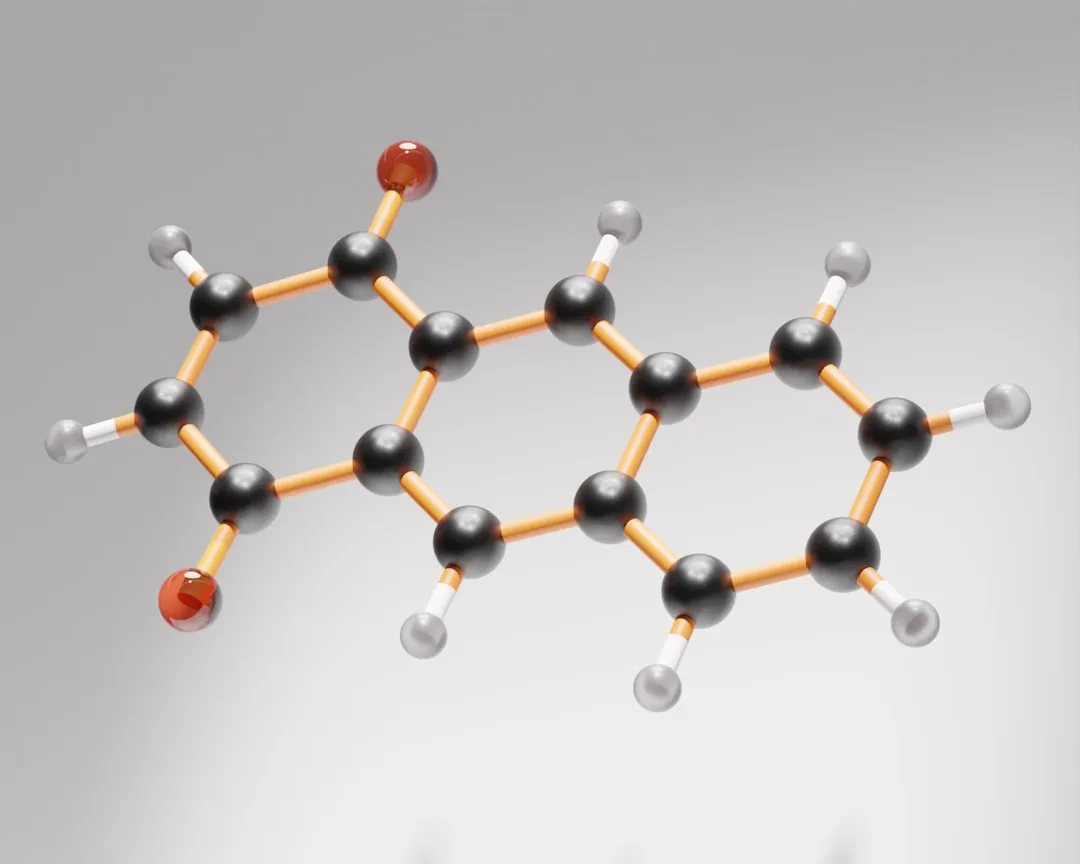
At the molecular level, the earthy scent is primarily driven by geosmin, a bicyclic alcohol belonging to the class of terpenoids. Geosmin is produced by a group of bacteria called actinomycetes. These bacteria live in soil and on outdoor surfaces, including the undercarriage of your car.
Geosmin is also responsible for the earthy taste of beetroots and is a key contributor to the strong scent known as petrichor, that occurs when rain falls after a spell of dry weather or when soil is disturbed.
A rather low human odor detection threshold for geosmin has been determined between 4 and 10 ng/L in water, which is roughly equivalent to about one teaspoon in 200 Olympic swimming pools. That extraordinary sensitivity is why even a brief rain event can make your car smell noticeably different within minutes.
How Rain Physically Launches Scent Molecules into the Air

When a raindrop hits a porous surface, it traps tiny air bubbles at the point of contact, much like bubbles in champagne. These bubbles then shoot upward and burst from the raindrop, creating a cloud of aerosols.
Researchers believe that in natural environments, these aerosols may transport aromatic compounds, as well as microorganisms and chemicals from the soil. Your car’s exterior surfaces, door seals, and undercarriage all act as porous collection points for these aerosols. The smell is notably stronger after long periods of drought, as the amount of oils builds up over time.
Ozone: That Sharp, Electric Pre-Rain Smell

That sweet, zingy, and pungent smell that hangs in the air before a storm is ozone, a naturally occurring gas in the atmosphere. Electrical charges from lightning or other sources split atmospheric oxygen molecules into separate atoms, which then combine quickly with other oxygen molecules to form ozone.
Ozone molecules are carried down from higher altitudes to nose level by a storm’s downdraft. When this happens near your parked car, ozone seeps in through ventilation gaps and fresh-air intakes. The result is a sharp, almost metallic smell inside the cabin that fades as the storm passes.
Why Your Car Smells Worse a Day After Rain, Not During

Moisture trapped in carpets and upholstery is the main cause of that musty odor that lingers well after the rain has stopped. Carpet padding, seat foam, and underlayment act like sponges. Even if the top surface feels dry, moisture underneath can remain for days, creating the perfect environment for bacteria and mildew.
Because moisture trapped under the carpet takes time to break down and release odor, the smell often becomes noticeable a day or two after the rain, not immediately. This delayed reaction is why many drivers mistakenly think the smell is coming from outside, when the real source is beneath their feet.
Your Car’s AC System Is Quietly Making It Worse

Mold often grows near the AC evaporator core, releasing foul odors through vents. Without proper cleaning or maintenance, this leads to musty smells that worsen each time you use your car’s air conditioner in warmer weather.
When you turn the AC back on, the air passing over a moldy evaporator coil picks up the smell and carries it straight into your car. Your car’s ventilation system can accumulate dust, pollen, and organic matter over time. When combined with humidity, this debris fosters mold growth in the ducts, and turning on the fan spreads the spores, making the smell worse.
Degraded Door Seals: A Hidden Entry Point
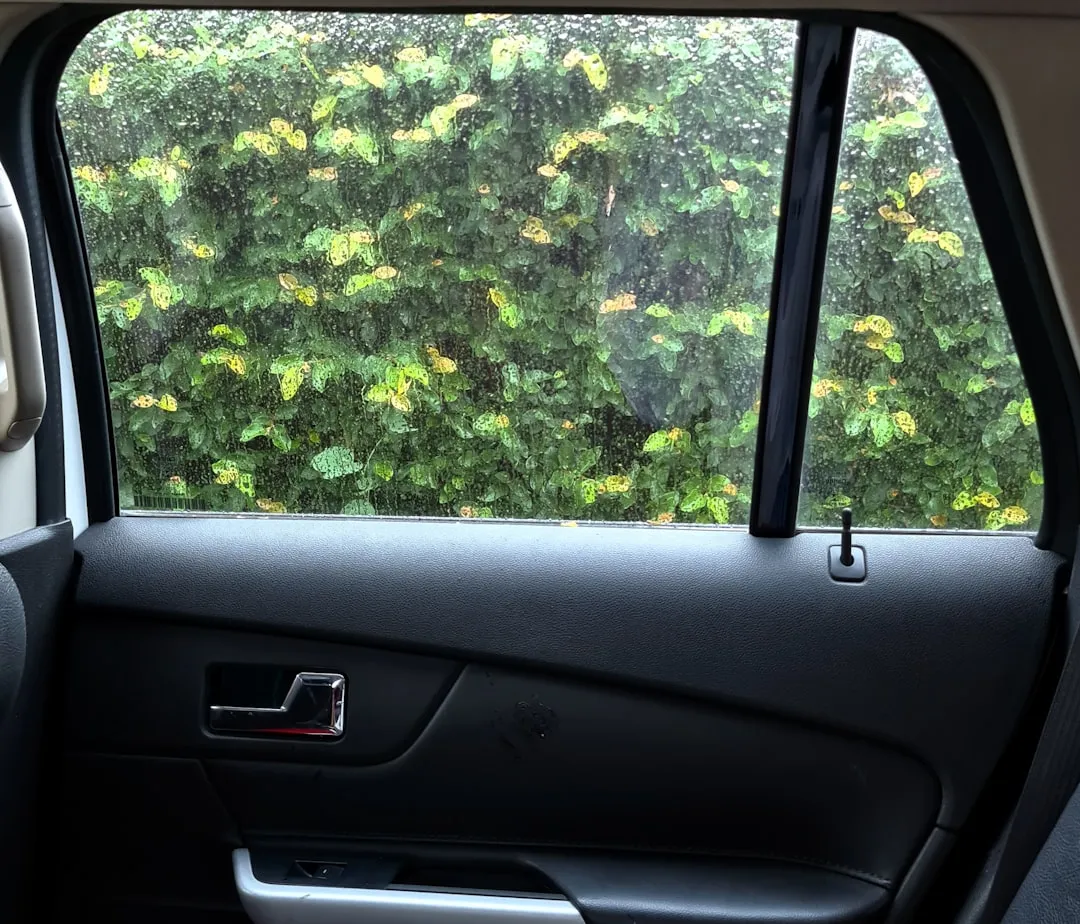
One of the primary culprits behind the mildew smell in cars is water entering through leaks in the vehicle’s seals. Over time, the rubber seals around doors and windows can deteriorate due to exposure to the elements and general wear and tear.
When these seals fail, they allow rainwater to seep into the car, getting into the upholstery, carpets, and even the padding beneath. Water from clogged sunroof drains or cracked window seals can also soak the interior, causing a mildew smell after rain. These entry points are often invisible until the smell gives them away.
The Cabin Air Filter’s Role in Post-Rain Odors
Research from MANN+FILTER published in 2024 found that roughly every third vehicle interior is contaminated with bacteria, mold, particulate matter, pollen, and harmful gases. Service intervals are often not adhered to since most car drivers are not aware of them, and dirty cabin air filters and poorly maintained air conditioning systems can cause real health risks.
The cabin air filter is part of your vehicle’s HVAC system and cleans the air coming into the cabin from outside, filtering out dust, pollen, mold spores, smog, and even tiny insects. In extreme cases, a neglected filter can become a breeding ground for mold and bacteria, turning every rainy day into a recycling event for stale, contaminated air. Replacing the filter every 12,000 to 15,000 miles, or more frequently in humid regions, helps reduce mold risk while improving air quality.
When the Smell Is a Health Warning, Not Just an Annoyance
Mold exposure in car interiors can cause health problems such as coughing, sneezing, allergies, or worsened asthma, and prolonged exposure may lead to lasting respiratory issues.
Sneezing, scratchy throats, or watery eyes that only show up behind the wheel might be tied to mold spores moving through your vents. Pay attention to how your body reacts once you’re inside the car. Particles inhaled by drivers and passengers can accumulate in the respiratory system, predisposing people to conditions such as sinusitis, laryngitis, bronchitis, or pneumonia.
Why Human Noses Are So Tuned to Rain Smells
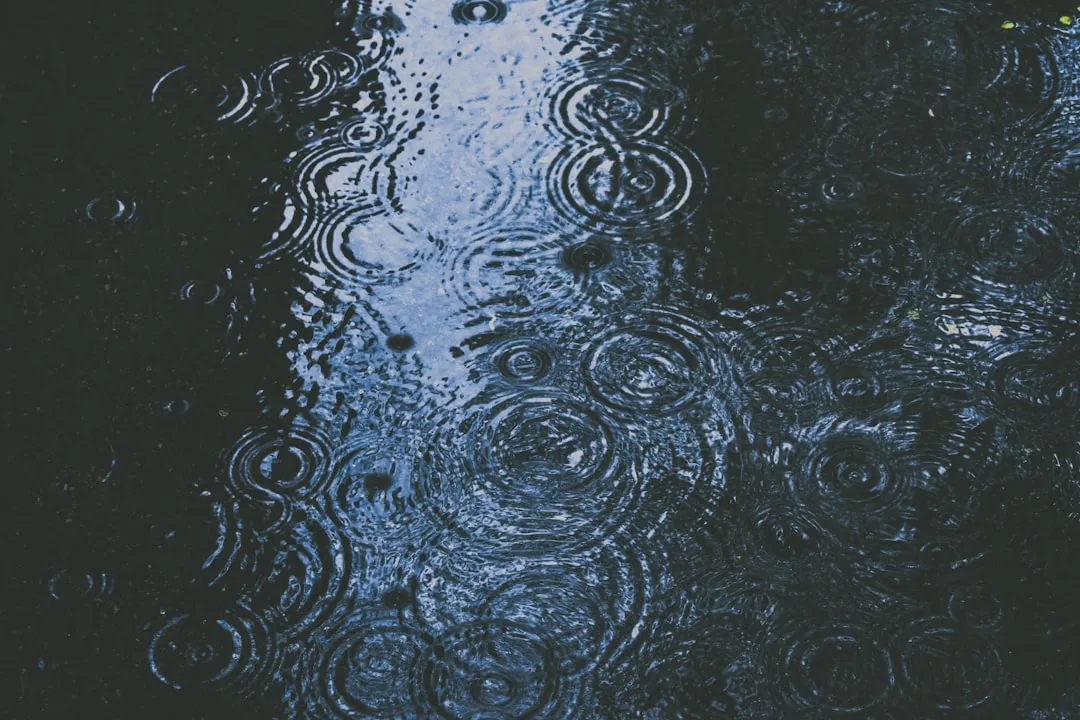
A research team from the Leibniz Institute for Food Systems Biology at the Technical University of Munich identified and characterized the human odorant receptor for geosmin for the first time. Geosmin is responsible for the typical odor when rain falls on dry soil, and it is produced by microorganisms in the soil and is also found in plants such as cactus flowers and red beet.
Beyond its sensory impact, geosmin functions as a biologically meaningful chemical signal detected across a wide range of species, and recent research has identified the human odorant receptor OR11A1 as a highly selective receptor for geosmin. It appears that human sensitivity to geosmin may be as low as 9.5 parts per trillion, suggesting that humans at some point in our evolutionary past were highly sensitive to detecting wetness based on odor. In other words, your nose evolved to pick up on rain, and it does so with remarkable precision.
What You Can Actually Do About It
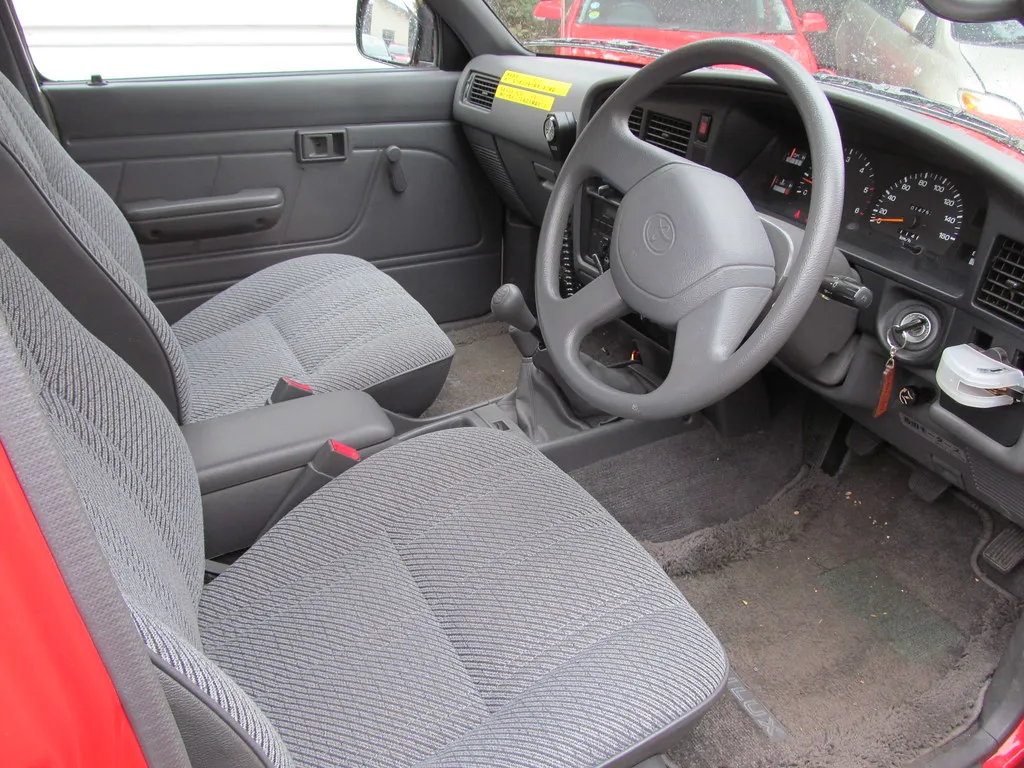
After ensuring proper ventilation, placing bowls of activated charcoal or baking soda in your car for a couple of days can help neutralize lingering smells. Professional interior detailing uses controlled steam cleaning and hot water extraction to remove moisture and odor-causing residue from deep within carpets and upholstery, followed by proper drying so the problem does not come back.
Checking sunroof drains and window seals every six months, especially before rainy seasons, is a simple preventive step. Placing a compact dehumidifier in your car when parked absorbs excess moisture, keeping the interior dry. Activated carbon cabin filters take protection a step further by incorporating a layer of activated charcoal with millions of tiny pores that trap molecules, not only capturing particles but also helping reduce odors and certain harmful gases that may enter the vehicle cabin.
The Takeaway
That post-rain smell in your car is never just one thing. It’s a mixture of ancient chemistry from soil bacteria, atmospheric ozone, plant oils released by water impact, and potentially a warning about your car’s interior condition. Some of it is beautiful science. Some of it is a maintenance reminder.
The good news is that once you understand what’s actually happening, you can tell the difference between the pleasant earthiness of petrichor drifting in through an open window and the warning sign of moisture quietly building a mold colony under your back seat. Your nose is a surprisingly precise instrument. It pays to listen to it.
AI Disclaimer: This article was created with the assistance of AI tools and reviewed by a human editor.