

Most people assume house fires start from a forgotten candle or an unattended stove. The reality is more unsettling. Some of the most dangerous fire hazards in your home are built into the walls, hiding in plain sight as ordinary electrical outlets.
Home electrical fires account for an estimated 51,000 fires each year, nearly 500 deaths, more than 1,400 injuries, and $1.3 billion in property damage. Knowing which outlet poses the greatest risk in each room is the kind of information that could genuinely matter.
The Kitchen Outlet: The Most Dangerous Spot in Your Home
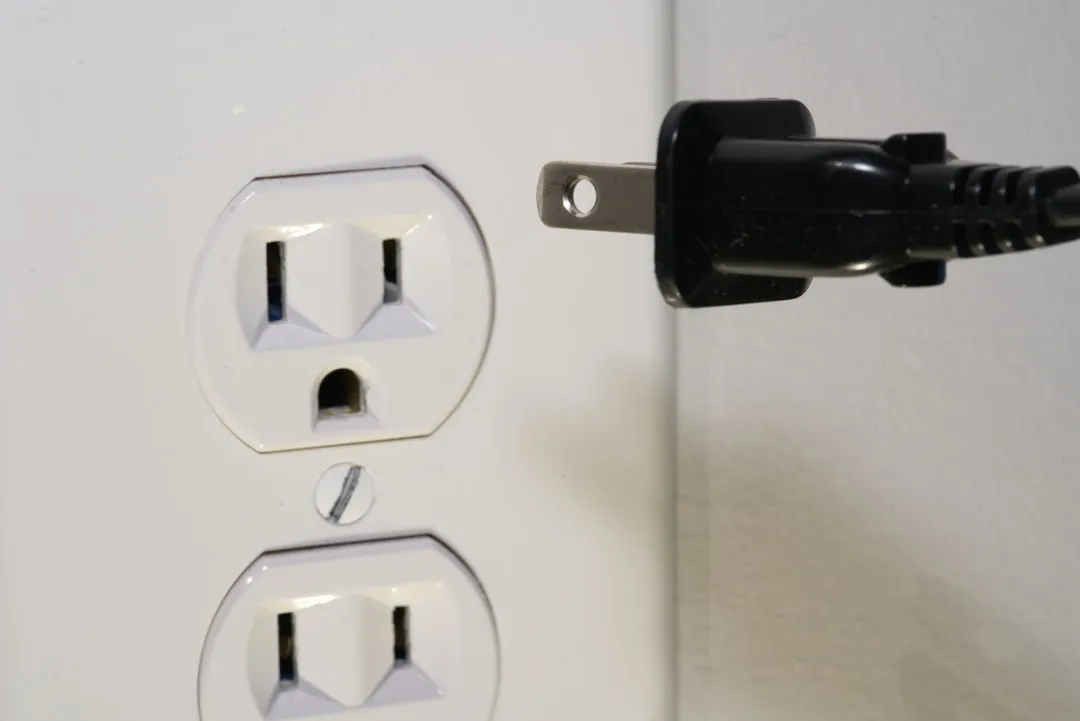
The kitchen outlet earns the top spot without much competition. The kitchen is where two-thirds of all home fires start. That’s a striking number when you think about how casually most people treat their kitchen outlets.
Kitchen outlet sparking isn’t just a minor annoyance. Sparks occur when electrical current jumps across gaps in damaged wiring or loose connections, creating intense heat that can ignite nearby materials. The combination of moisture, grease, and high-powered appliances makes kitchens particularly vulnerable to sparking outlets.
GFCI outlets are now required by the National Electric Code in new kitchens. Still, you should never overload a kitchen outlet with too many appliances, and always unplug units when they are not being used.
The Laundry Room Outlet Behind Your Dryer

The outlet behind your clothes dryer is easy to forget about. It sits behind the machine, rarely inspected, and routinely put under enormous electrical strain. According to the National Fire Protection Association, 78% of dryer fires involve electric models.
Electric dryers are shown to be more than 2.5 times more likely than gas dryers to cause fires due to the higher heat discharge from electric dryers. That heat puts constant stress on the outlet connection itself, not just the appliance.
Never plug your dryer into a regular extension cord. Most household extension cords aren’t rated for the electrical load a dryer pulls. The cord itself can overheat and start a fire before the dryer even does anything wrong. Dryers need to plug directly into a proper wall outlet.
The Bedroom Outlet Buried Behind Furniture
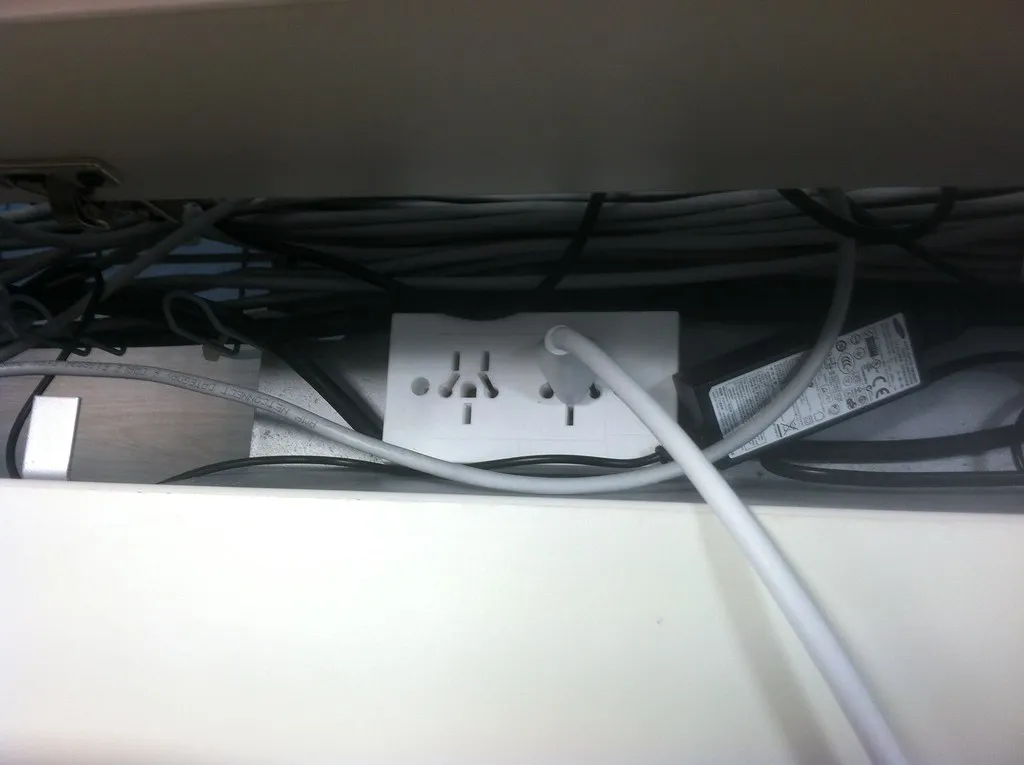
Bedrooms may feel like a low-risk room, but the outlets in them carry a specific danger that other rooms don’t: you’re asleep when something goes wrong. The functional areas of the home are the most likely to experience electrical fires, and included in that functional category are bedrooms, dining rooms, kitchens, bathrooms, and laundry areas.
The most common causes of home electrical fires include frayed appliance cords, damaged wire insulation, overloaded outlets, and loose connections. Pinching cords under furniture and rugs also frequently sparks fires. Bedrooms are where furniture most commonly sits directly on cords for years at a time.
Frequent circuit breaker trips, flickering lights, oddly hot or discolored outlets, and burning smells all indicate electrical trouble. Arc-fault circuit interrupters detect electrical arcing and cut power flow when arcing starts. Installing one as the first outlet on high-risk branch circuits serving bedrooms offers meaningful protection.
The Bathroom Outlet Near the Sink

Water and electricity have no business being near each other, yet every bathroom in America places an outlet within feet of a sink and a shower. Moisture is a key danger factor. Water in an outlet creates a very dangerous sparking risk, and bathrooms require GFCI protection because of this.
Kitchen and bathroom environments constantly expose electrical systems to moisture through steam, splashes, and cleaning activities. Even small amounts of water can create conductive paths that bypass normal safety mechanisms.
GFCI outlets detect dangerous conditions and shut off power within milliseconds, but they must be properly installed and regularly tested to remain effective. An untested GFCI outlet is little better than having no protection at all.
The Living Room Outlet Behind the Entertainment Center
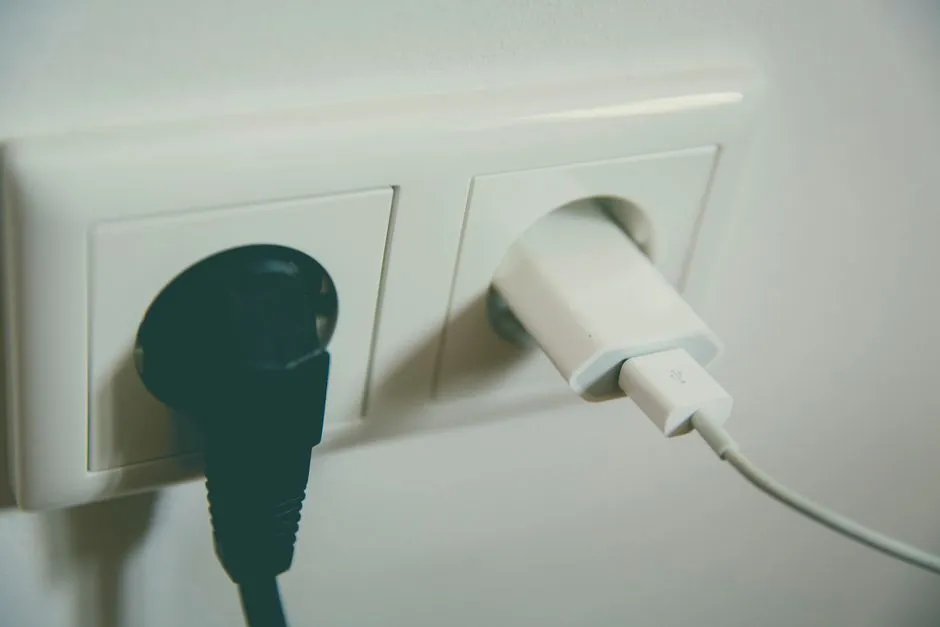
The living room often becomes a tangle of power strips, extension cords, and devices running around the clock. Many electrical fires are caused by outlets and extension cords being overloaded. With the increasing number of electrical devices like televisions, computers, and charging equipment for cell phones, it can be easy to overload electrical outlets and increase the chances of a fire.
Overloaded circuits and outlets carry more electricity than they have been designed for, which generates heat in undetectable amounts. This excessive heat causes damage to wires and components and can ignite an electrical fire.
The problem is largely invisible. Heat builds inside the wall cavity long before any visible sign appears. Regularly check outlets for excess heat, discoloration, or unusual odors, which can indicate overheating or faulty wiring. Loose or sparking outlets are a red flag that increases fire risk significantly.
The Garage Outlet Used for High-Draw Tools

Garages are where people plug in power tools, battery chargers, workshop equipment, and occasionally a spare refrigerator or freezer. That’s a lot to ask from a single outlet circuit. Most electrical fires start because of faulty wiring, overloaded circuits, damaged outlets, aging electrical panels, or malfunctioning appliances.
Pay close attention to the storage location of flammable liquids, including lighter fluid and gasoline. Even in a garage, these liquids need to be kept a safe distance away from outlets to help prevent a fire. The combination of flammable materials and high-load outlets makes the garage uniquely dangerous.
Electrical failures and malfunctions remain one of the leading causes of residential fires, especially in older homes with outdated electrical systems. Garages in older properties rarely get the same electrical upgrades as main living areas, which compounds the risk.
The Outlet Connected to a Space Heater
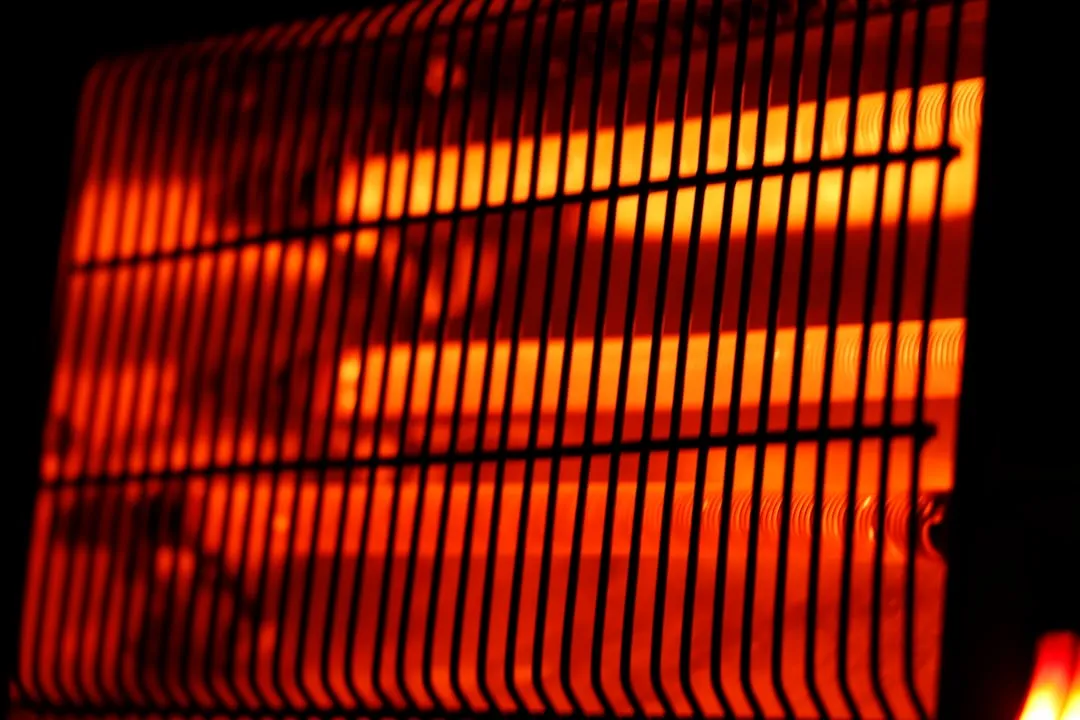
Space heaters are responsible for a significant share of winter electrical fires, but the outlet they plug into shares the blame. Extension cords should only be used temporarily and never with space heaters or air conditioners. This is one of the most widely ignored safety guidelines in the country.
Electrical fires are most common in the winter months due to more indoor activities taking place and increased use of electricity for lighting, heating, and appliances. Space heaters running through the night on an already-stressed outlet circuit is a recipe for disaster.
The current from a heater could melt the cord and cause a fire. Regularly check cords for damage and never repair by splicing. If the outlet itself feels warm to the touch while a heater is running, that’s a warning sign worth acting on immediately.
The Old Two-Prong Ungrounded Outlet
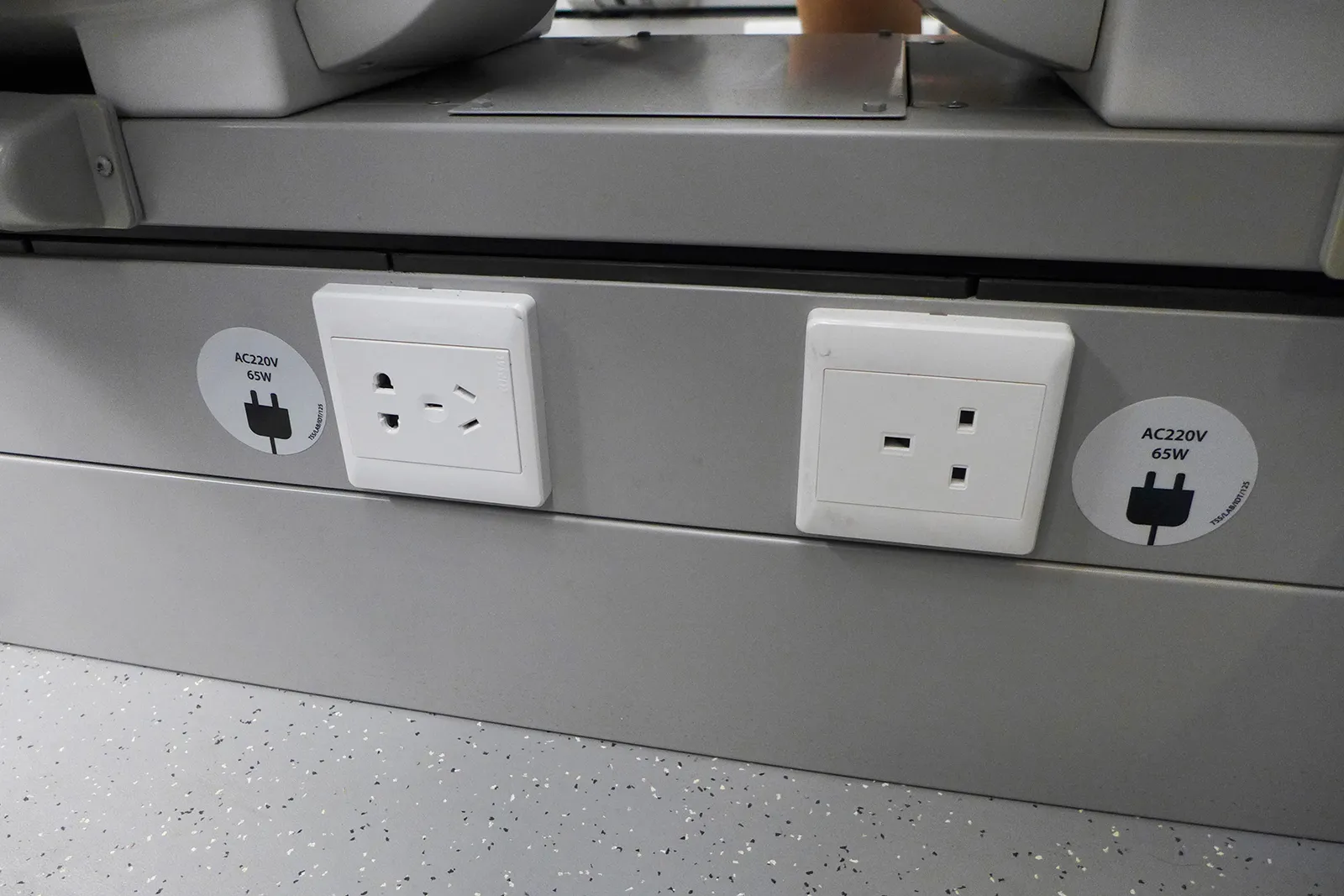
Older homes still contain two-prong outlets that lack a ground wire, and these are a measurably higher fire risk than their modern replacements. Old and outdated receptacles are a known hazard. If you have an older home, consider updating any two-prong ungrounded receptacles to GFCI or other reliable three-prong devices.
Sometimes outlet fires stem from issues in the outlet itself. If the outlet is older, it may not be up to current safety standards and can be more prone to failure. Age alone increases the risk, independent of how the outlet is being used.
Many fatal electrical fires occur in homes that have not received electrical upgrades for decades. Replacing outdated outlets is one of the most cost-effective fire prevention steps a homeowner can take.
The Outlet Feeding a Power Strip Daisy Chain
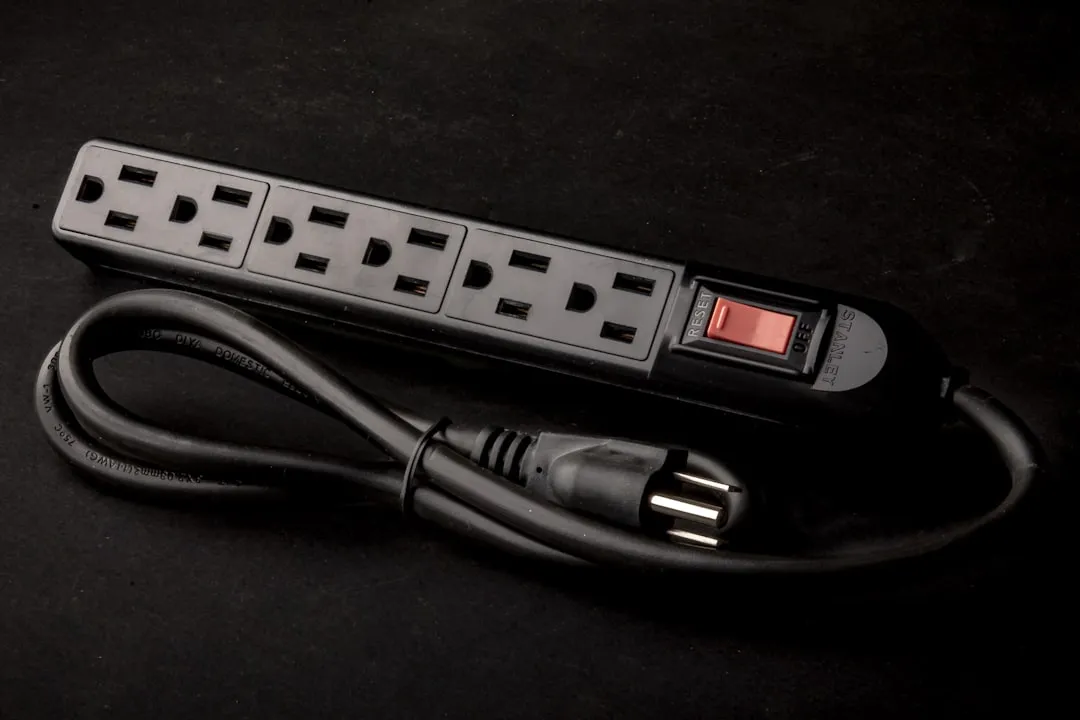
Plugging a power strip into another power strip is one of those things that feels harmless in the moment and appears on fire investigation reports far too often. The NFPA estimates that each year between 2015 and 2019, more than 32,000 residential fires were caused by faulty electrical equipment and lighting, with 13% involving outlets and receptacles. That does not even include direct property damage of $120 million in 2019 dollars, deaths, and injuries.
Overloaded outlets are a primary concern. Most outlets in your home are rated for 15 or 20 amps, and it’s important not to overload them. When you plug in more than the circuit can handle, it can fail, spark, and pose significant electrical fire danger.
Extension cords should never be a substitute for permanent wiring, since daily use could introduce fire risks. Properly installing new outlets is the safer alternative compared to using extension cords as permanent or semi-permanent solutions.
The Outlet with Loose or Poorly Fitted Plugs
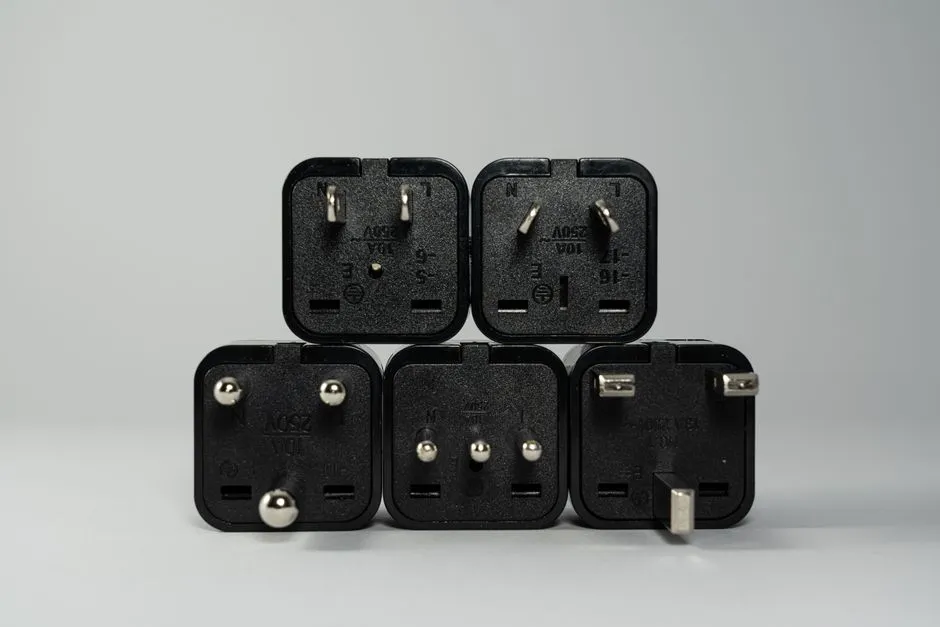
A plug that slides loosely in and out of an outlet is not just annoying. It’s a sign of a real fire hazard. Short circuits are a serious concern. Loose connections inside an outlet can cause arcing, sparks, shock, and fires.
According to NFPA data, three out of five reported electrical fires involving failures and malfunctions involved electrical arcing. Arcing is the kind of ignition that can smolder inside a wall for hours before becoming visible.
The U.S. Fire Administration recommends replacing wall outlets if plugs do not fit snugly. It’s a simple fix that many homeowners put off indefinitely, not realizing how much risk a worn outlet carries.
What to Do About All of This

The pattern across every high-risk outlet in your home is the same: age, overloading, moisture, and neglect. Many electrical fires are preventable. Regular electrical inspections, panel upgrades, proper circuit use, and timely repairs can significantly reduce fire risk.
Warning signs such as frequent breaker trips, flickering lights, burning odors, or warm outlets should never be ignored. These signals rarely fix themselves, and waiting tends to make things worse.
Electrical fires can be devastating, but they’re also preventable. Avoiding overloaded outlets, always hiring a licensed electrician for any electrical work, and being vigilant about replacing or repairing damaged electrical cords and fuses goes a long way. The most dangerous outlet in your home is almost always the one that has been quietly overlooked the longest.
AI Disclaimer: This article was created with the assistance of AI tools and reviewed by a human editor.