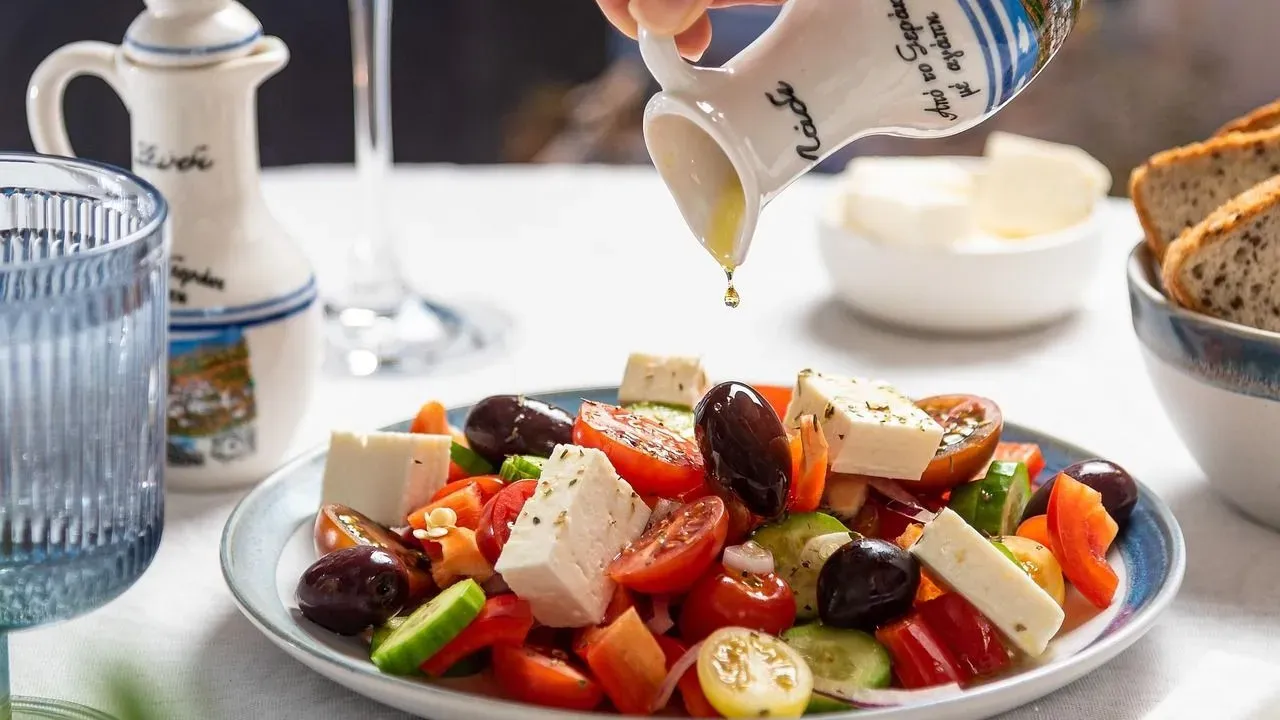

In backyards across the country, vines heavy with colorful heirloom tomatoes signal the height of summer abundance. Gardeners who have tended their plants through spring now face the pleasant task of using up the harvest before the season turns. One dish that captures this moment particularly well is a fresh, herb-packed fattoush salad built around those just-picked tomatoes.
The Appeal of Heirloom Tomatoes at Their Peak
Heirloom varieties bring more than bright color to the table. Their complex flavors range from sweet and fruity to deeply tangy, qualities that shine brightest when the fruit is picked at full ripeness from the garden. Unlike uniform supermarket tomatoes, these specimens vary in shape and size, making each salad slightly different from the last.
Many home cooks find that the simple act of harvesting and chopping these tomatoes encourages lighter, no-cook meals during the warmest weeks. The result is a dish that feels both nourishing and effortless, highlighting the produce without masking it.
Building the Salad Around Garden Ingredients
A traditional fattoush relies on crisp vegetables, fresh herbs, and toasted bread for texture. This version stays true to that spirit while centering the garden harvest. Large wedges of heirloom tomatoes form the base, joined by crunchy cucumbers sliced into half-moons and torn leaves of crisp lettuce. Generous handfuls of mint, parsley, dill, or cilantro add brightness that only fresh-picked herbs can provide.
Toasted pita pieces supply the necessary crunch, either baked until golden or quickly crisped in an air fryer. For those seeking a more substantial plate, slices of halloumi fried until golden offer savory contrast and extra protein. The cheese is not part of classic recipes, yet it turns the salad into a complete meal without requiring additional cooking.
A Creamy Dressing That Highlights Summer Flavors
Classic fattoush dressings lean toward bright vinaigrettes, but a creamy tahini version clings gently to the vegetables and balances the tomatoes’ natural acidity. Olive oil, fresh lemon juice, a pinch of sumac, salt, and a touch of pomegranate molasses create the foundation. The sumac contributes a pleasant tang reminiscent of certain Indian spice blends, while the molasses adds subtle depth.
Everything combines in a jar and shakes together in seconds. A small drizzle of honey can soften any sharp edges if desired, though many prefer the dressing bright and straightforward. Prepared in advance, the mixture keeps well in the refrigerator for several days, making weeknight assembly even quicker.
Putting It All Together
Assembly takes little time once the components are ready. The toasted pita and seared halloumi can be prepared while the tomatoes are still cool from the garden. Everything then lands on a large platter, the dressing poured over just before serving so the bread retains its snap. The finished salad offers a satisfying mix of juicy, crunchy, creamy, and herbal notes in every bite.
Gardeners often serve it alongside simple grilled proteins or as part of a larger spread for outdoor meals. Its flexibility allows for easy swaps based on what the beds are currently producing.
What matters now: With tomatoes ripening daily, this salad offers a practical way to enjoy the harvest while it lasts. The combination of peak-season produce and minimal cooking keeps the focus on flavor rather than effort.
Why This Approach Resonates in Mid-Summer
Recipes that celebrate abundance without demanding hours in the kitchen tend to become regulars during tomato season. This fattoush variation does exactly that, turning a backyard surplus into repeated meals that still feel fresh. Its Levantine roots provide structure, while the garden additions make it distinctly personal to each cook’s harvest.
As the days remain long and warm, dishes like this one help bridge the gap between garden work and the table, ensuring that the season’s best produce receives the simple treatment it deserves.
AI Disclaimer: This article was created with the assistance of AI tools and reviewed by a human editor.