
There’s a certain quiet satisfaction in wearing a shirt five years after you bought it, knowing it still fits and holds together perfectly. Most people never get there, not because they don’t care, but because no one ever told them about the few sewing techniques that actually make the difference between a garment that survives and one that falls apart after a season.
Clothing today is worn only seven to ten times before being thrown away, a decline of more than thirty-five percent in just fifteen years. That’s a staggering number. The good news is that a handful of deliberate sewing choices, things that tailors and garment makers have known for decades, can push that number dramatically in the other direction. Here’s what actually works.
Why Seams Are the Weak Link in Everything You Wear
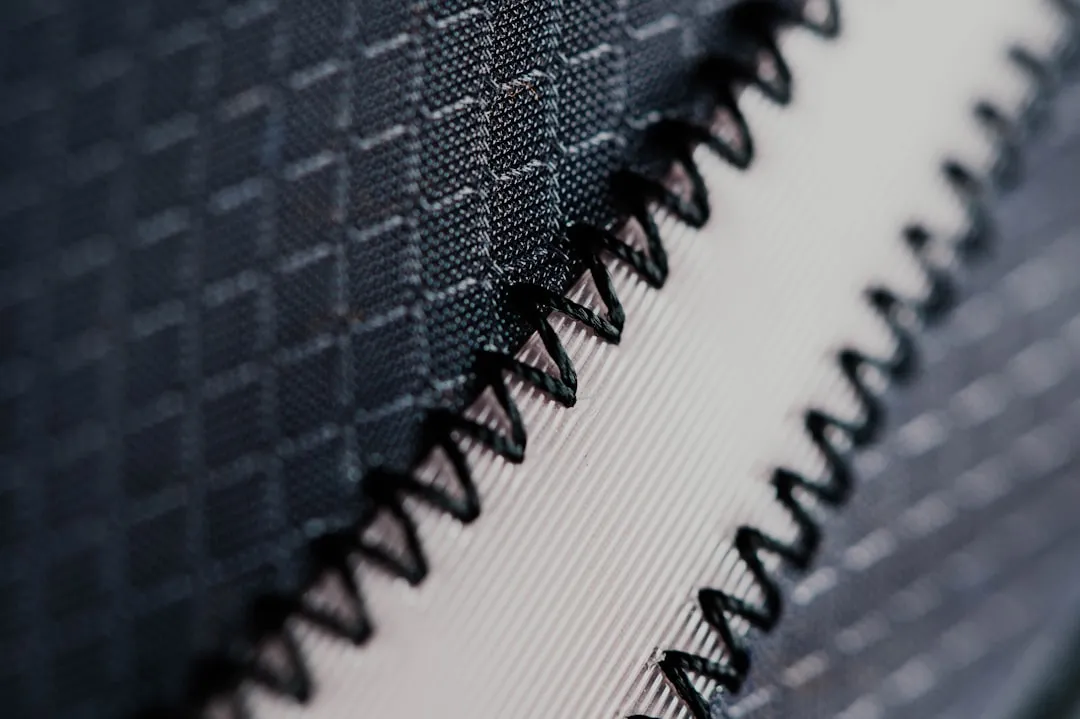
The quickest way to start making clothing that lasts longer is by paying attention to your seams. These are the weak points of garments, so if they’re not finished and reinforced, they’ll start to fray away and rip apart. This is true whether you’re sewing from scratch or repairing something you already own.
Fast fashion sacrifices durability to cut costs: shorter and less resistant fibres, less dense weaves, less stable dyes, and construction with reduced seam allowances. So when a cheap shirt starts unraveling at the shoulder, it’s not a coincidence. It was built that way.
Knowing this changes how you approach mending or making. The seam is where you invest your time first, and the payoff is immediate and measurable.
The Flat-Felled Seam: The One Technique Worth Learning First
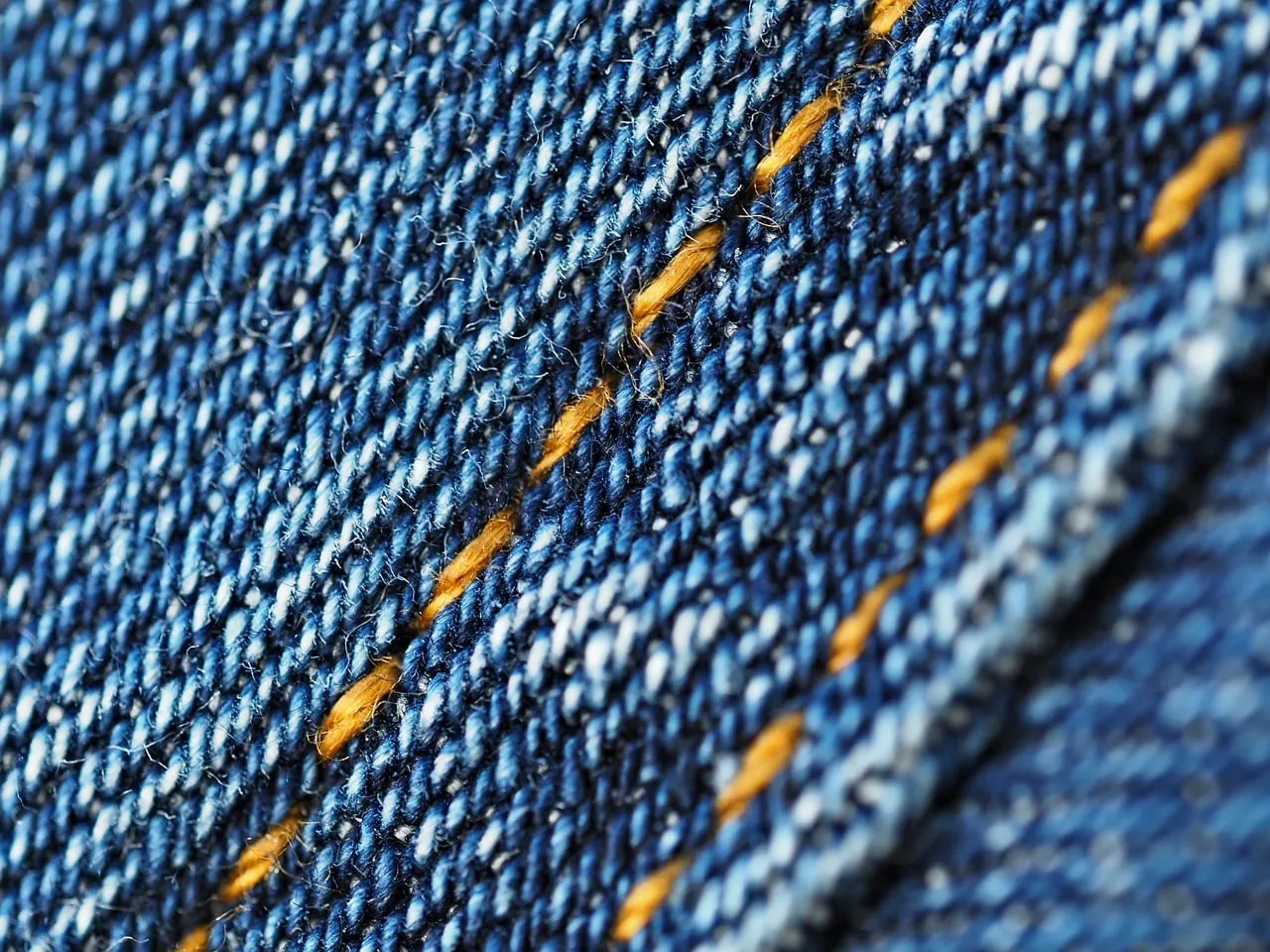
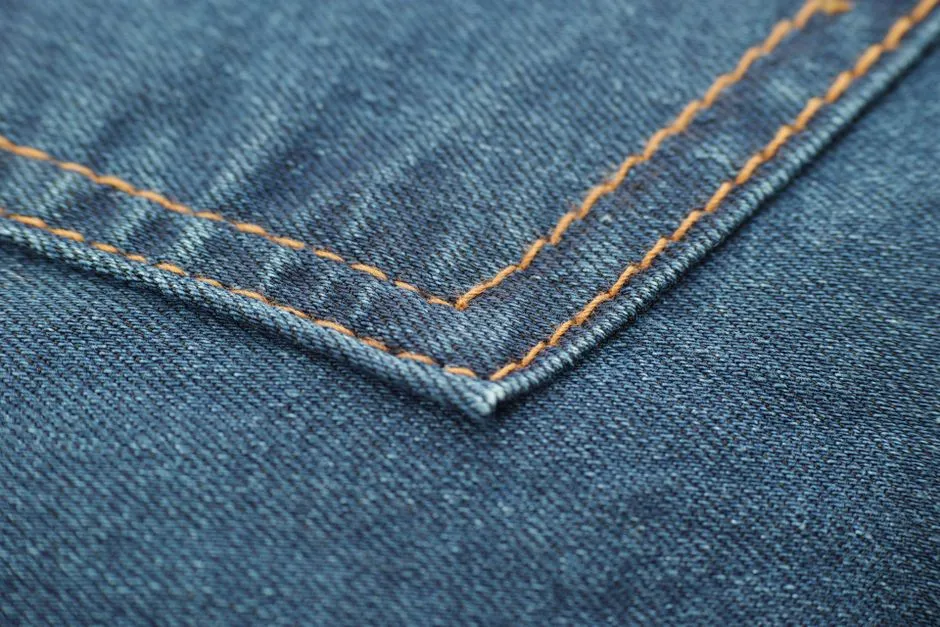
A flat-felled seam is a strong and durable seam finish. It involves folding one edge of the fabric over the other, then enclosing the raw edges and topstitching the seam flat through all fabric layers. The result is a seam that’s stitched twice, with no raw edges exposed to fray.
Flat-felled seams are typically seen on jeans, other denim, workwear, sportswear, and tailored men’s shirts, or any other type of garment that needs good durable seam finishes for a long time. There’s a reason this technique keeps showing up in clothes built for hard use.
Whether reinforcing knee patches or tailoring crisp shirts, the enclosed edges resist wear from washing and movement. It’s why premium brands still rely on this centuries-old method for high-stress areas like inseams and armholes.
Backstitching: The Thirty-Second Step Most People Skip
Backstitching is one of the simplest reinforcement techniques in sewing, and one of the most consistently overlooked. Backstitching reinforces seam beginnings and ends. Backstitching for two to three inches at both the start and finish prevents seam separation.
Think of it as a lock on a door. The seam itself keeps the fabric together, but without backstitching at each end, the thread can gradually pull free under repeated stress. It adds almost no time to the process and makes a real difference over years of washing and wearing.
Pressing Your Seams: The Step That Doubles Their Strength
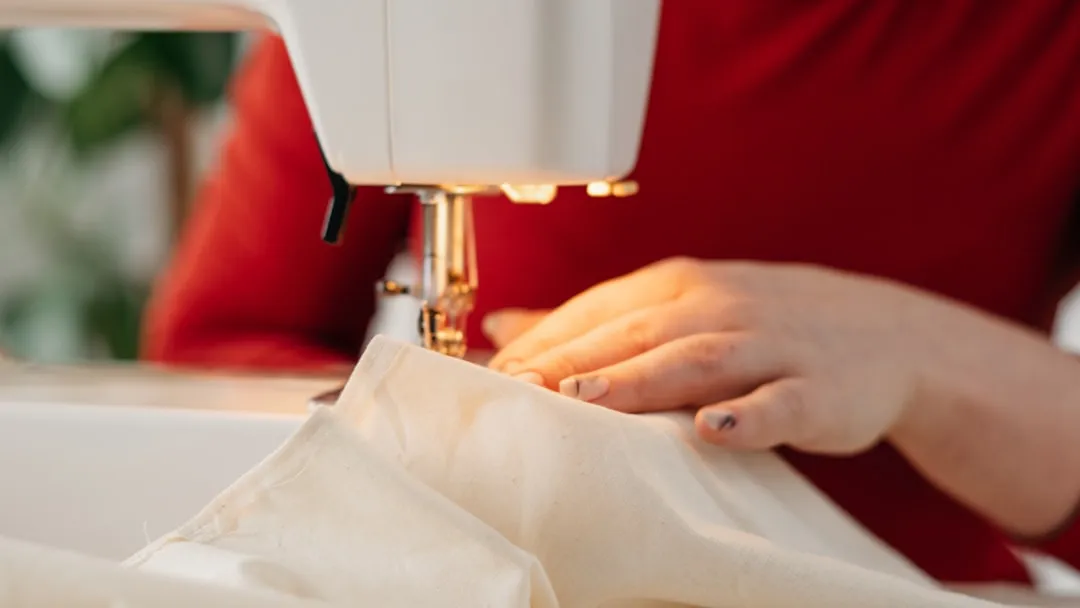
One habit that transformed sewing results is pressing every seam, both before and after stitching. It may seem minor, but pressing helps the fabric lie flat and makes it easier to sew evenly. This directly impacts the seam’s strength and durability.
Pressing seams open or to one side depending on the design matters too. When maximum strength is needed, pressing to one side and topstitching helps lock everything in place. A pressed seam sits flatter against the body, experiences less friction, and holds its shape through many more wash cycles than an unpressed one.
Reinforcing High-Stress Areas Before They Fail
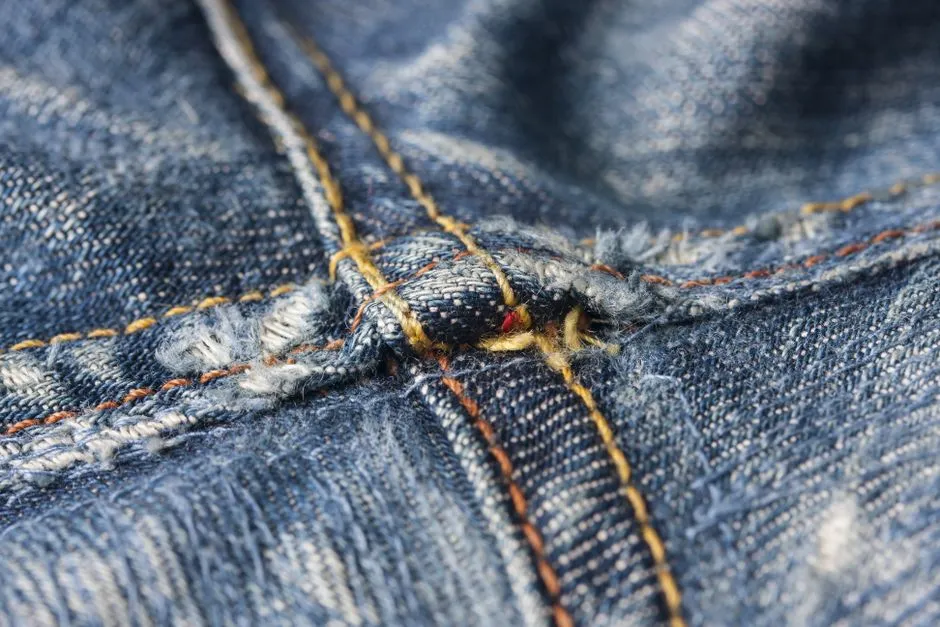
The main reason makers choose the flat-felled seam is its exceptional strength. Designers often use this construction method in parts of a garment that experience a lot of stress. These high-stress seam areas include crotch seams, armholes, and side seams.
Kids move a lot, which puts pressure on seams in ways adult clothing doesn’t. Reinforcing crotches, underarms, and knees with extra stitching or bar tacks, and using stretch stitches for knit garments, helps them withstand playtime and repeated washes. The same logic applies to adult workwear or anything worn in motion.
A bar tack, which is simply a dense cluster of tight stitches, takes seconds to sew and can add years to a pocket corner or belt loop. It’s one of the most underrated micro-techniques in garment construction.
Finishing Raw Edges to Stop Fraying in Its Tracks
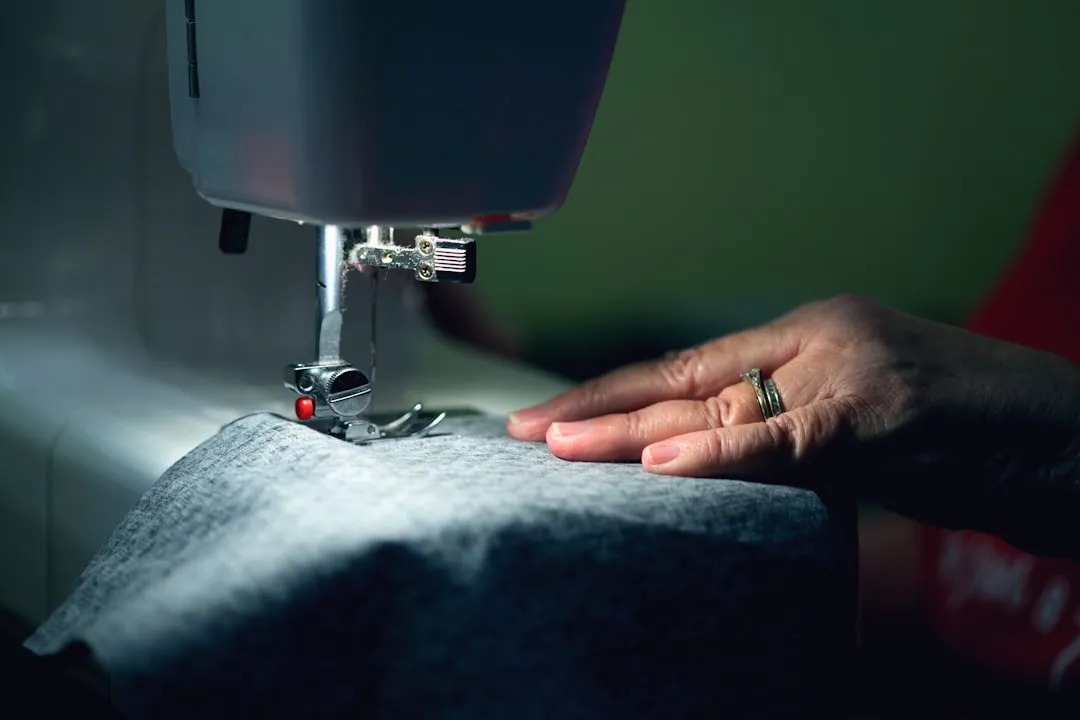
If you don’t take the time to cover the raw edges of the fabric, they will continue to fray into nothing while you wear and wash your clothing. Using an overlock presser foot to finish your seams prevents fraying. An overlocker or serger does this in one pass, but a tight zigzag stitch on a standard machine works nearly as well.
The difference this makes over time is considerable. An unfinished raw seam edge in a cotton garment can lose a noticeable amount of material after just a dozen washes, weakening the entire seam line. Finishing that edge takes one extra minute per seam.
Mending Early: Why Timing Changes Everything
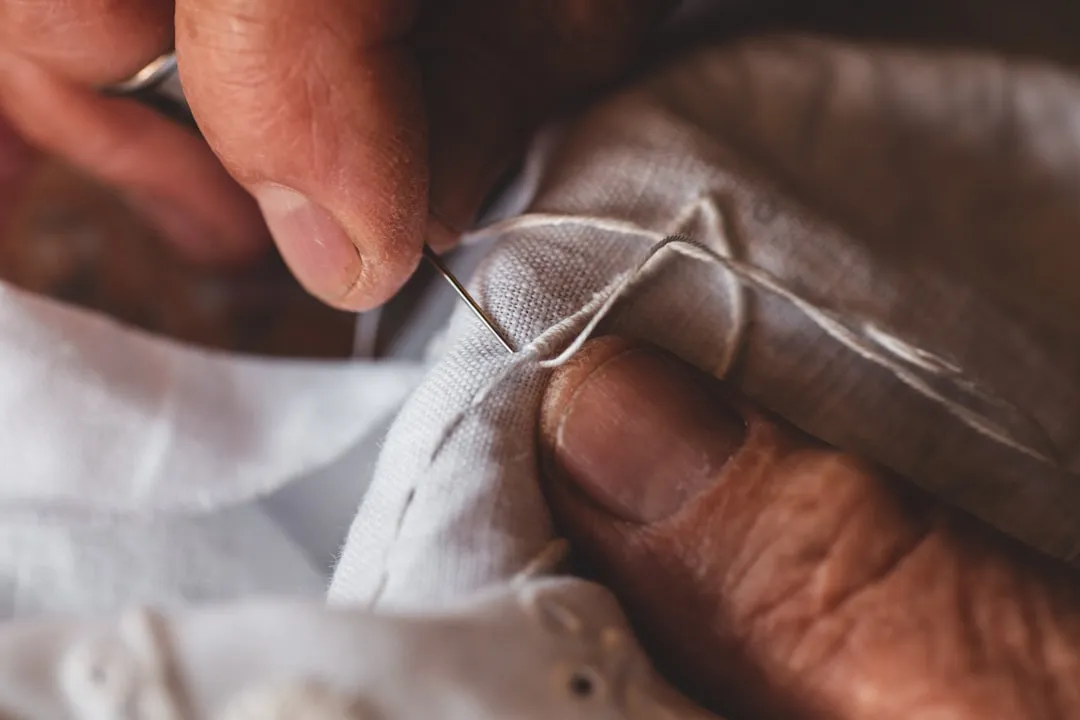
Accidents happen. You might rip your jeans across your knees when you fall or snag your favorite sweater on something. Instead of buying a replacement and throwing your perfectly good clothes away, learning how to mend them is the answer.
Research found that even if consumers care about their clothes and want to extend their life, lack of repair skills can be a hindrance. A small snag repaired within the week costs almost nothing in time or thread. That same snag ignored for a month becomes a hole that requires a patch or a full seam reconstruction.
The repair-to-replacement math is hard to argue with. A professional repair typically costs sixty-five to seventy-five percent less than buying a replacement garment.
Visible Mending: When the Repair Becomes Part of the Design
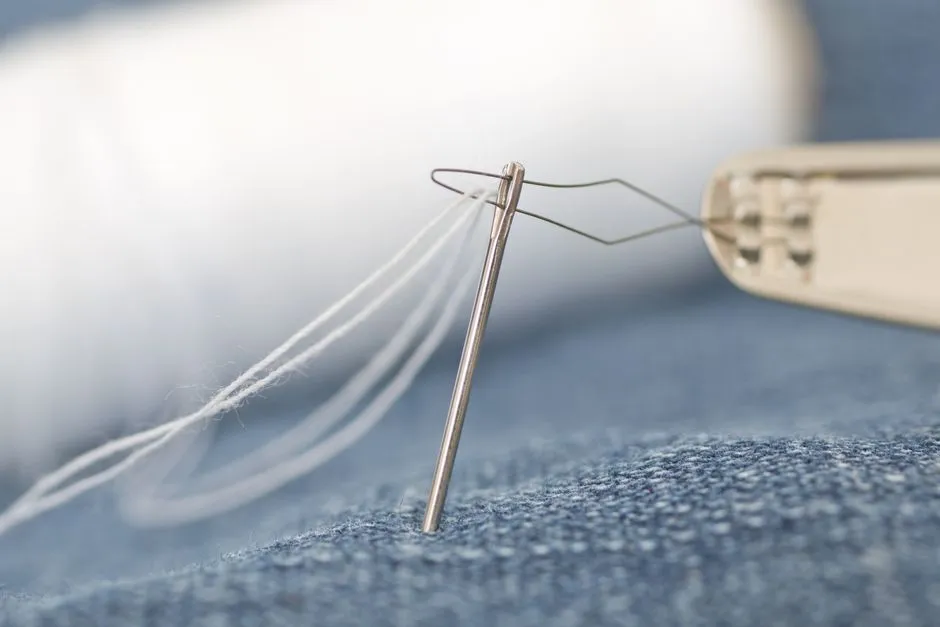
The concept of “visible mending” embraces the beauty of imperfection by highlighting repairs with decorative stitching. This practice not only restores functionality but also transforms the garment into a unique piece of art.
This approach, drawn partly from Japanese textile traditions, has gained real traction in the past few years. In 2024, upcycling and repurposing took the sewing world by storm. Visible mending turns a potential reason to discard a garment into a reason to keep it, which is both practical and satisfying.
Embroidered patches over worn elbows, contrasting thread darns on the knees of jeans, reinforced hems with a pop of color: these aren’t workarounds. They’re choices that make a garment genuinely one of a kind.
The Growing Repair Economy and What It Tells Us
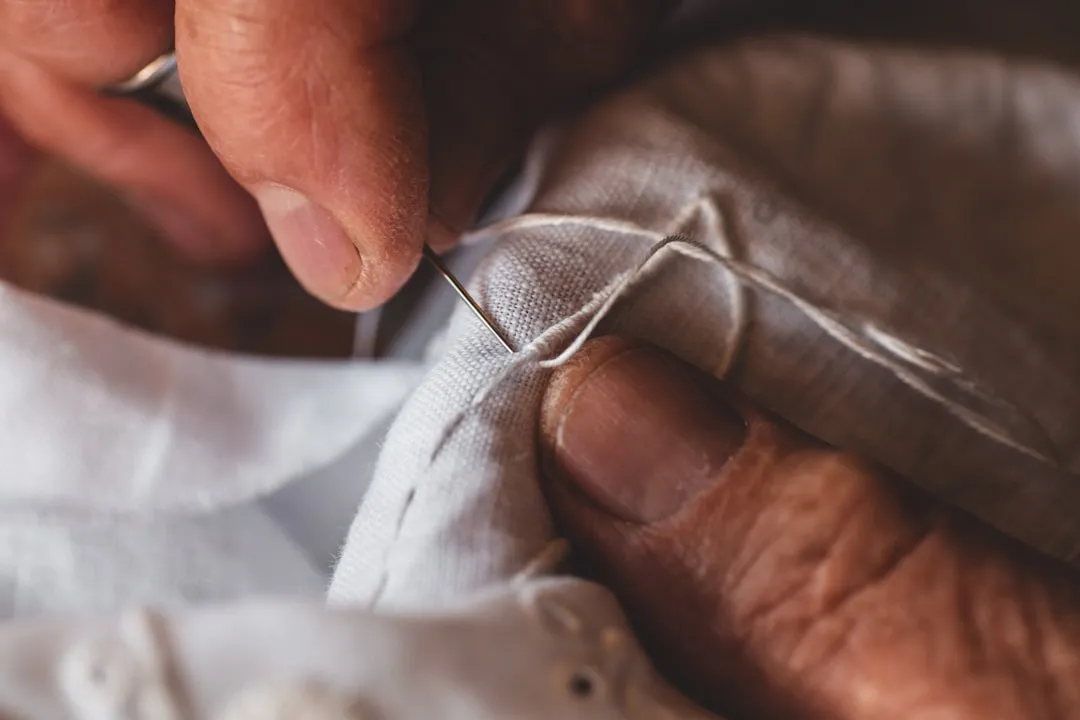
The global clothing repair service market was valued at roughly five billion dollars in 2025, supported by a structural shift toward circular fashion and garment longevity. The market is expected to reach over nine billion dollars by 2034. That’s not a niche hobby. That’s a significant and growing industry built entirely on the idea that extending garment life is worth the effort.
Around thirty-seven percent of global consumers opted for repair services at least once within a six-month period in 2023, indicating consistent demand. The momentum behind repair culture is real, and it’s accelerating as both costs and environmental concerns grow.
A few retailers have started to recognise the need to help consumers enjoy their clothes for longer and offer genuine after care. This signals a shift, however slow, in how the industry thinks about what it sells.
Thread Quality and Needle Choice Matter More Than You Think
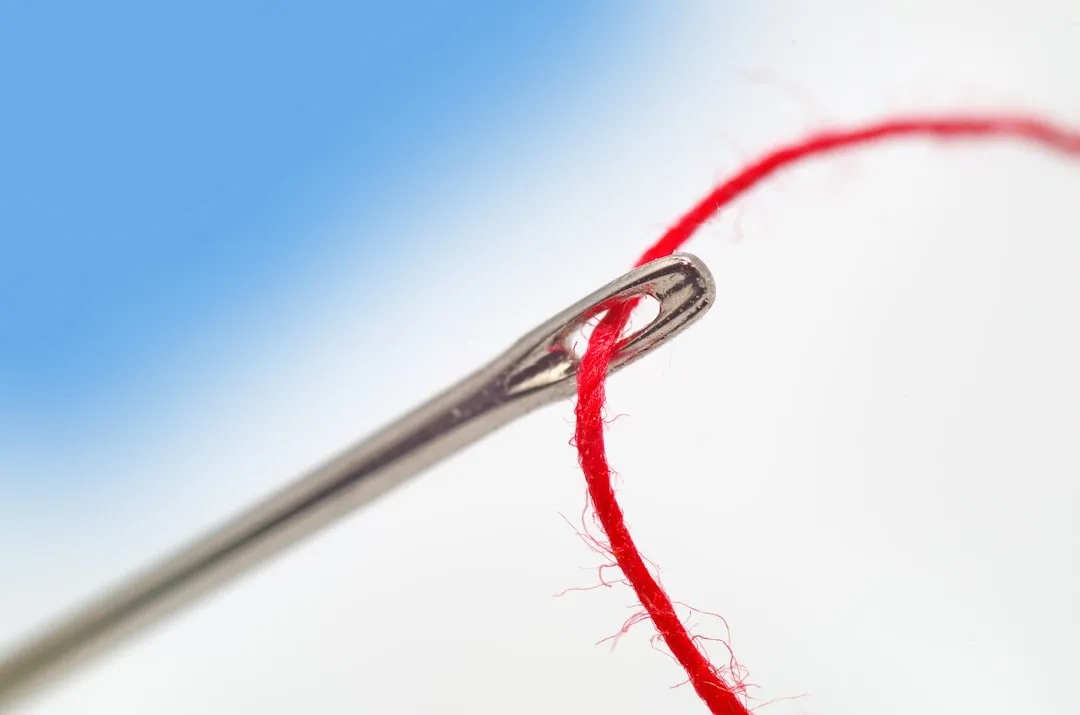
Selecting strong, durable thread and the appropriate needle ensures reinforced seams withstand heavy use. Most people grab whatever thread is nearby, but using a thread weight and fiber that actually matches the fabric makes a measurable difference in how long a seam holds under stress.
For denim or canvas, a heavier thread paired with a denim needle creates a seam that absorbs friction instead of breaking at the first sign of strain. For stretch fabrics, a polyester thread with a little give prevents the thread from snapping when the fabric moves. Matching thread to fabric isn’t overthinking it. It’s just basic material science.
Building the Habit: Repair Skills Are Easier to Learn Than Ever
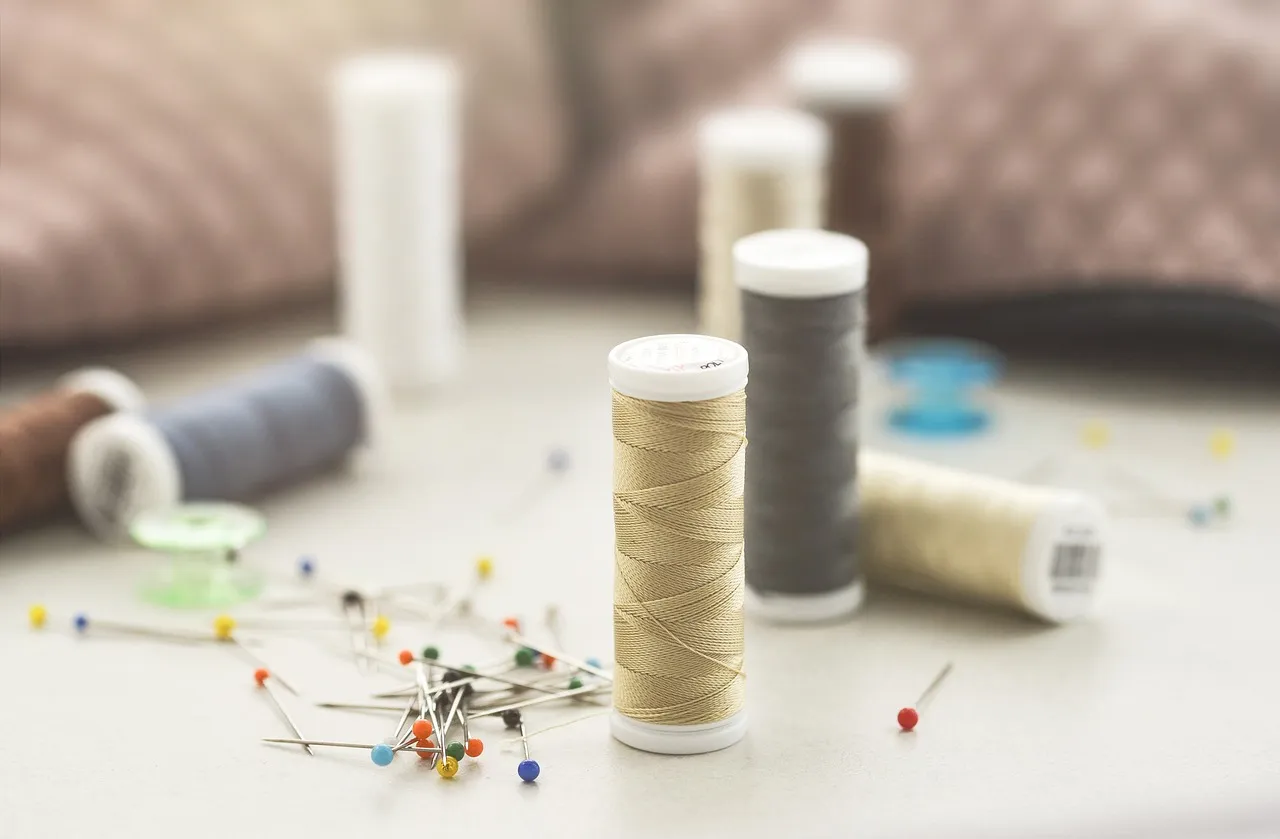
There are free videos online that teach beginner sewing techniques. All you need is a basic kit to get started. A needle, thread, and scissors will help you repair a hole in your favorite stretchy T-shirt or sew a hole shut in your sweater.
The growing popularity of public repair workshops provides an opportunity to exchange repair skills and connect with a like-minded local community. These workshops, often found through local libraries or community centers, make skill-building accessible to people who have never threaded a needle in their lives.
Importantly, the vast majority of US respondents agreed that repairing or mending clothing is important, good, and valuable. The attitude is already there. The gap is simply practical knowledge, which is a gap that’s increasingly easy to close.
The Takeaway
The clothes that last aren’t necessarily the most expensive ones. They’re the ones that were built or maintained with a little more care at the seams, literally. A flat-felled seam here, a backstitch there, a finished edge before the first wash: these are small decisions that compound over years into a wardrobe that actually holds up.
With fast fashion being a major environmental polluter, making your clothes last longer isn’t just better for your wallet; it’s more sustainable too. The trick isn’t one dramatic technique. It’s the accumulation of small, informed choices, made early, made consistently, and made with decent thread.
AI Disclaimer: This article was created with the assistance of AI tools and reviewed by a human editor.