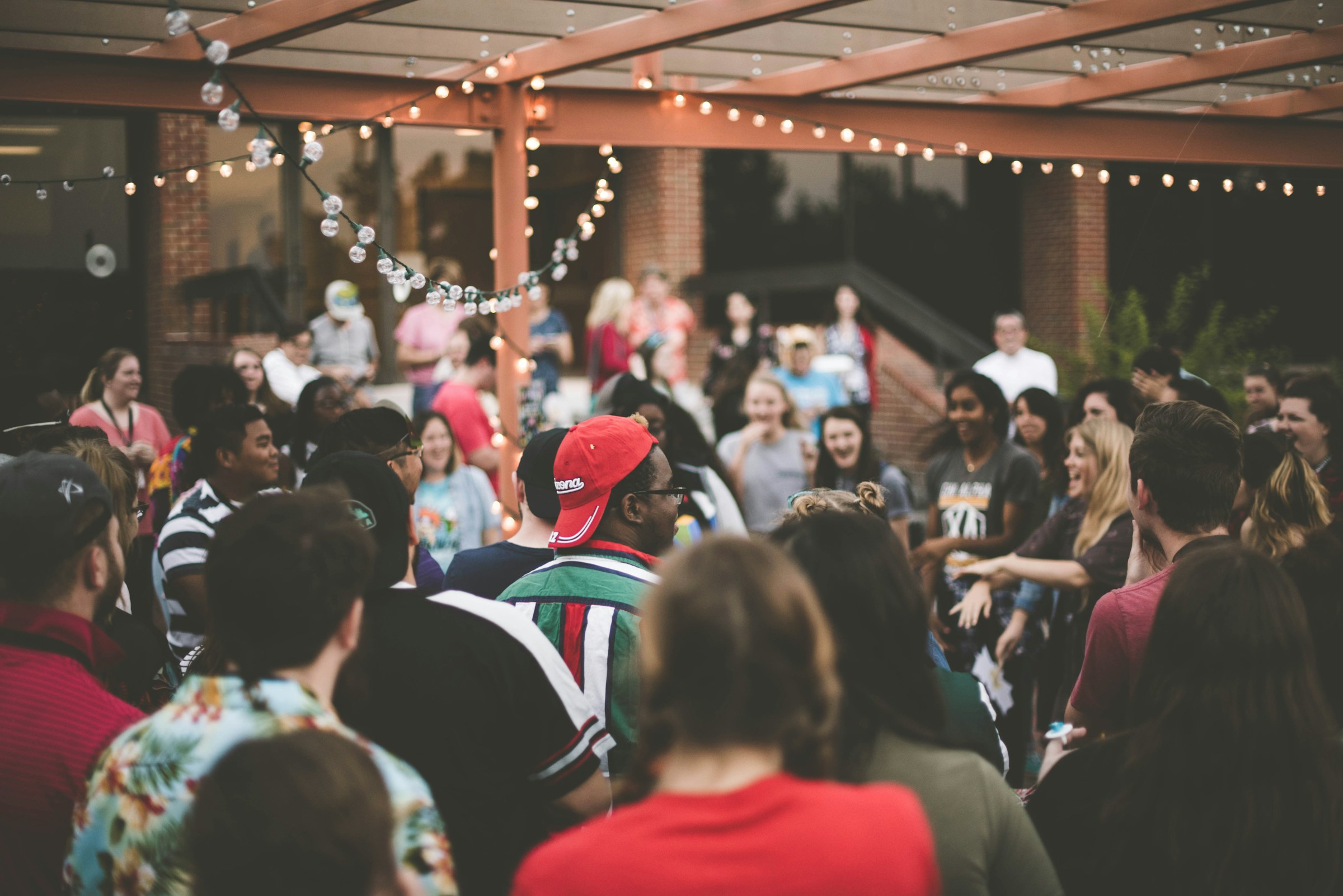
Something quiet but meaningful is happening on streets across America. Neighbors who once passed each other with a polite nod are now setting up folding tables, firing up grills, and spending entire afternoons together in the open air. It’s not nostalgia driving this shift, exactly. It’s something more urgent.
The block party, long associated with a certain mid-century image of suburban life, is back. What’s pushing it forward is a mix of hard data, public health urgency, and a genuine hunger for the kind of connection that a screen simply can’t deliver.
The Loneliness Crisis That Lit the Match

The backdrop to this whole revival is a public health emergency that few people have been able to ignore. In 2023, the U.S. Surgeon General officially declared loneliness a national epidemic. The WHO’s landmark June 2025 report from the Commission on Social Connection revealed that one in six people worldwide experiences persistent loneliness.
About two in ten U.S. adults now have no close friends outside of family. In 1990, only three percent said that, according to Gallup. That shift is staggering when you sit with it for a moment. Block parties, humble as they are, have become one of the most practical responses people have found to that problem.
Neighborhoods Are Choosing Proximity Over Platforms
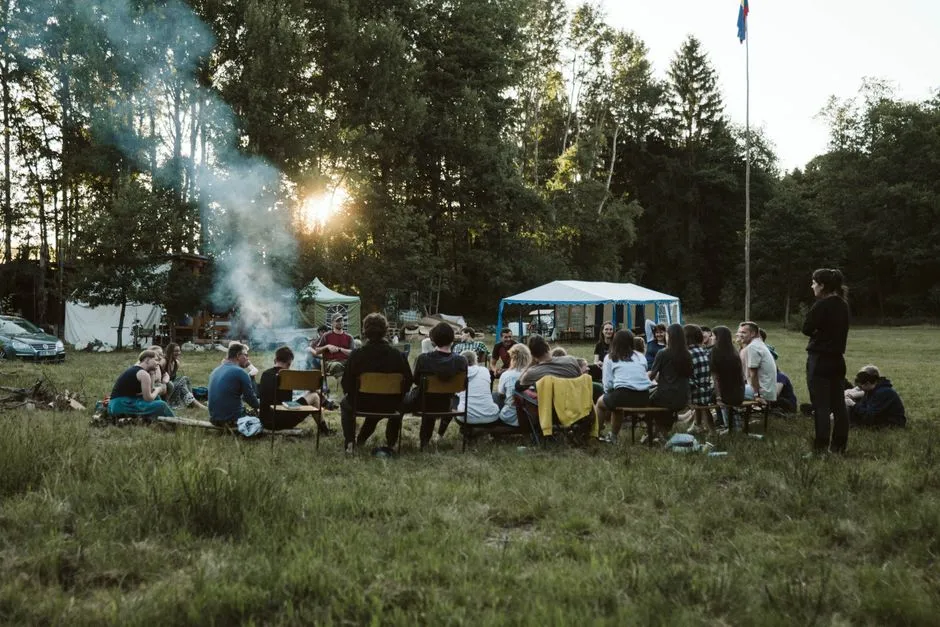
Eventbrite’s 2026 Social Study identified “Neighborhood Revival” as one of five defining trends in how people gather, showing that attendees are choosing events that bring them closer to where they live. Among those surveyed, 89 percent said it’s important that an event helps them feel connected to their local community.
Neighborhood identity, not online identity, is what younger generations are increasingly optimizing for, with 89 percent of 18 to 35-year-olds wanting events that connect them to their local community. That’s a remarkable pivot from a generation once assumed to prefer digital socializing above everything else.
Gen Z Is Driving the Offline Summer
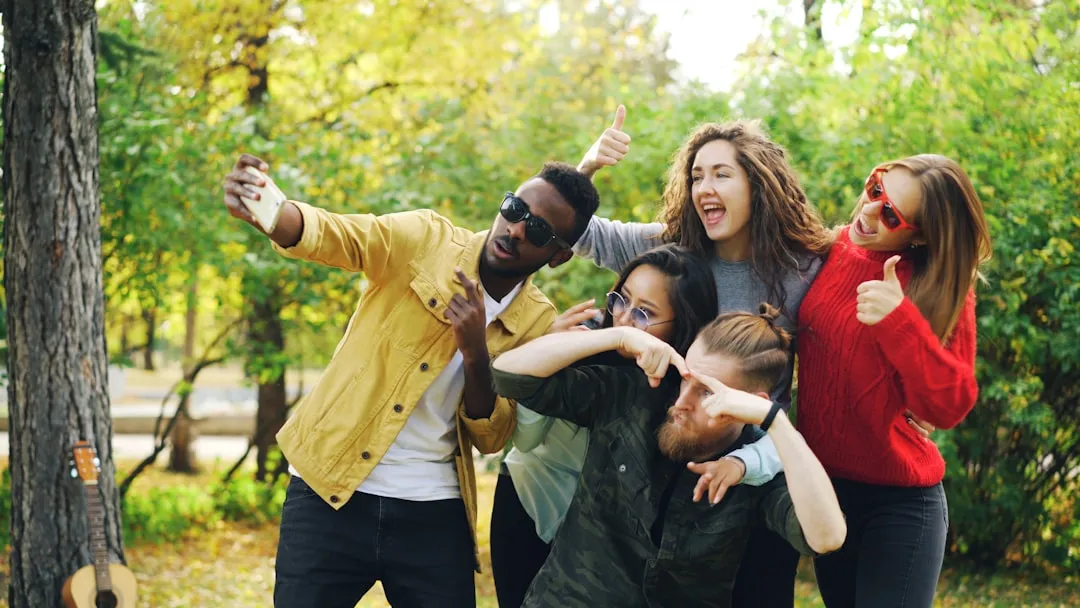
A hyper-intentional cultural shift is underway as Gen Z and Millennials swap screen time for unplugged presence outdoors. Average daily screen time has climbed to five hours and sixteen minutes, up fourteen percent year-over-year, and more than half of Americans now want to cut back.
Roughly a third of Gen Z report nostalgia specifically for the 1990s, the last era before the internet rewired social life. Most weren’t alive to experience it. That gap between memory and experience is exactly what’s driving the hunger to recreate it. Block parties, with their emphasis on spontaneous outdoor presence and no agenda, slot neatly into that longing.
The Numbers Behind the Revival
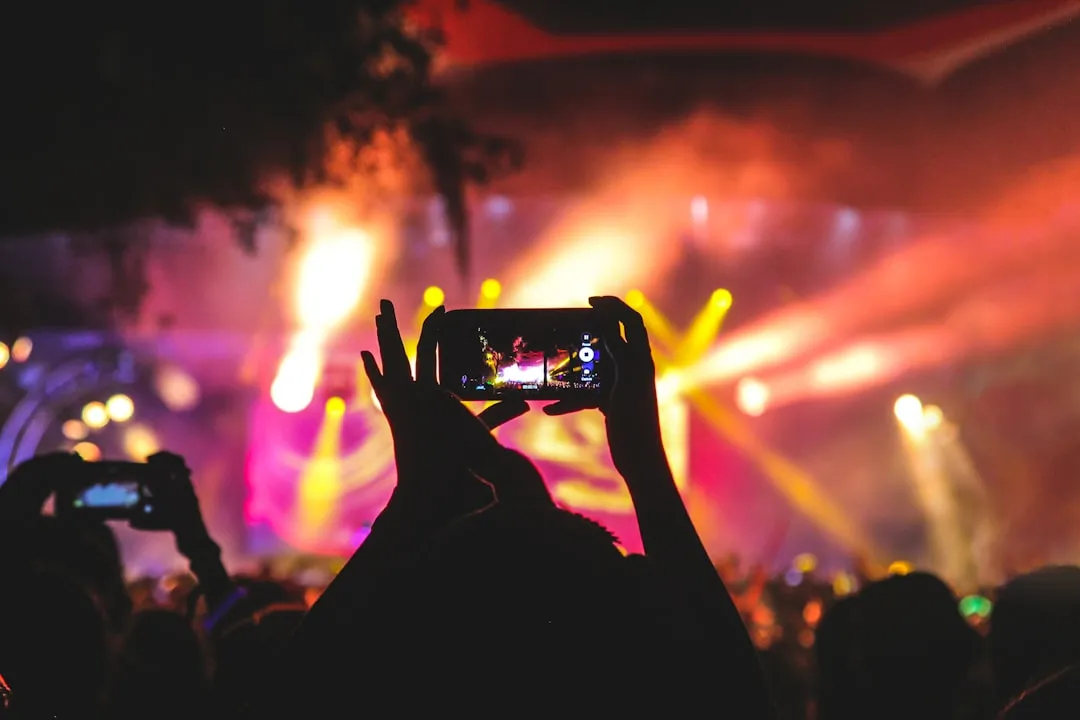
In just five months, 2026 had already surpassed the entire prior year’s community event bookings, according to Eventbrite platform data. Farmers markets were up eighteen percent and community gardens up thirteen percent compared to the same period the year before.
Local art walk attendance in the U.S. rose by 49 percent, according to Eventbrite’s neighborhood-focused event data. This sustained double-digit growth proves that the shift toward outdoor, analog gatherings isn’t a fleeting, one-summer phenomenon. It’s a lasting cultural movement.
Cities Are Getting Officially Involved
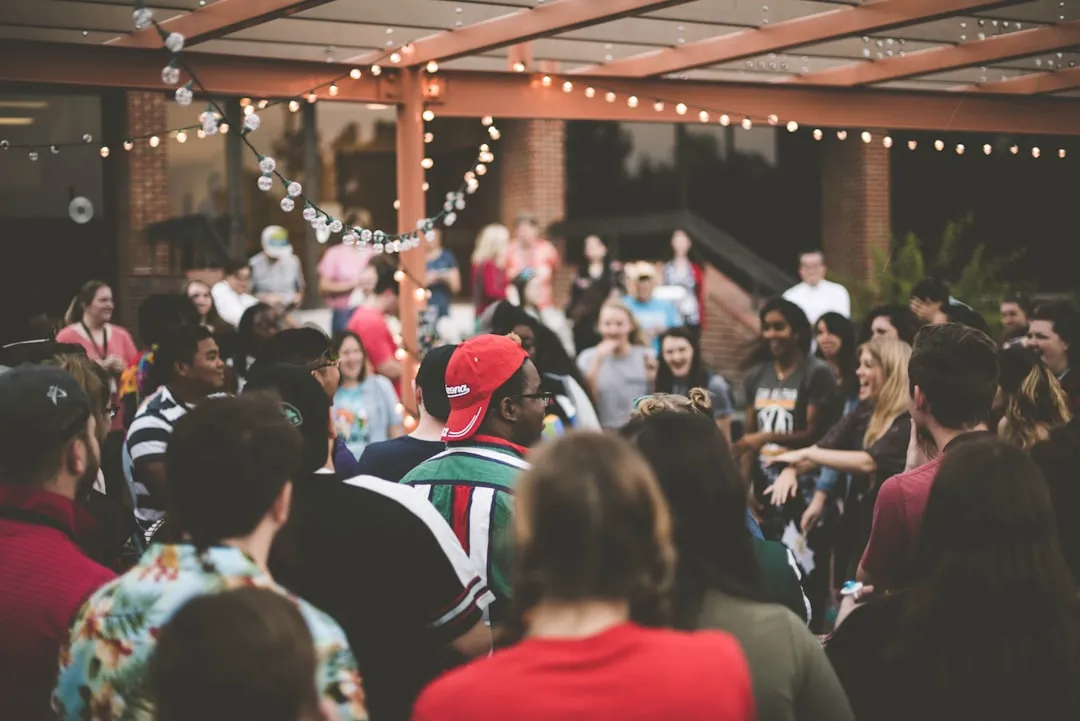
Colorado Springs launched a formal initiative with the goal of hosting 1,000 block parties between May and September 2024. The effort was a concerted push to strengthen community bonds and promote unity, led by the mayor and a coalition of civic leaders who wanted neighbor-love to become a citywide value.
In 2024, mental health concerns became a central driver of these neighboring efforts. Cities framing block parties as a mental health strategy rather than just a fun event is a genuinely new development, and it reflects how seriously local governments are taking the isolation crisis on their doorsteps.
Block Parties Build More Than Friendships
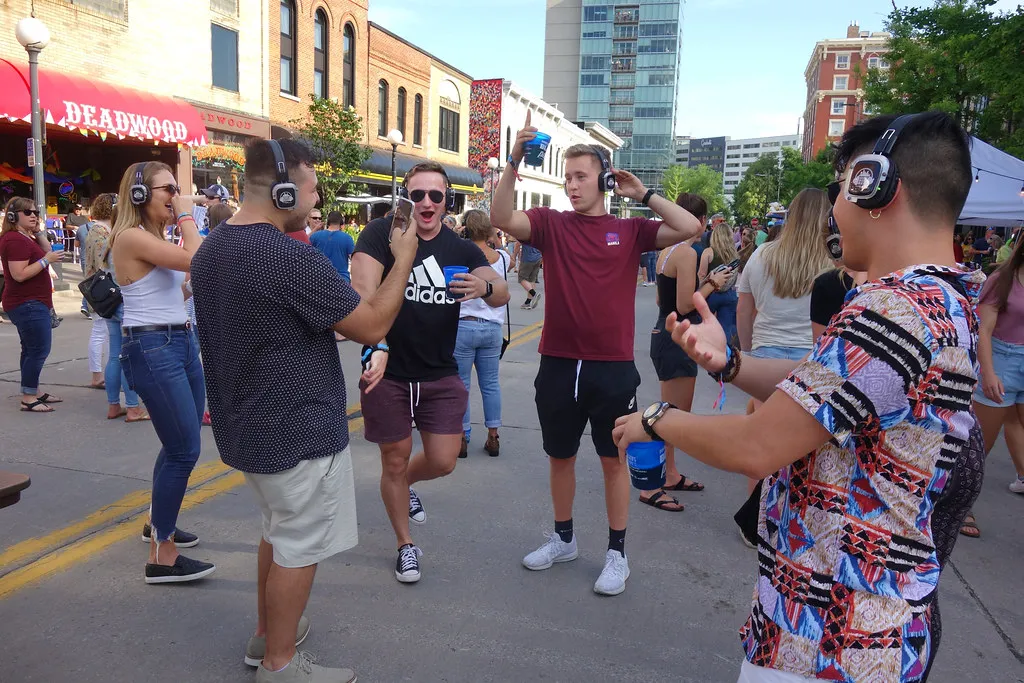
Studies have shown that strong social connections among neighbors lead to decreased crime rates and improved overall well-being. By bringing neighbors together around shared interests, block parties can inspire residents to shape their neighborhoods actively, from organizing community clean-ups to advocating for local improvements.
Research shows that when people know and trust their neighbors, they’re far more likely to engage civically: voting, volunteering, even running for local office. The ripple effects of a single afternoon with folding chairs and food can be surprisingly wide.
Democracy Gets a Boost Too
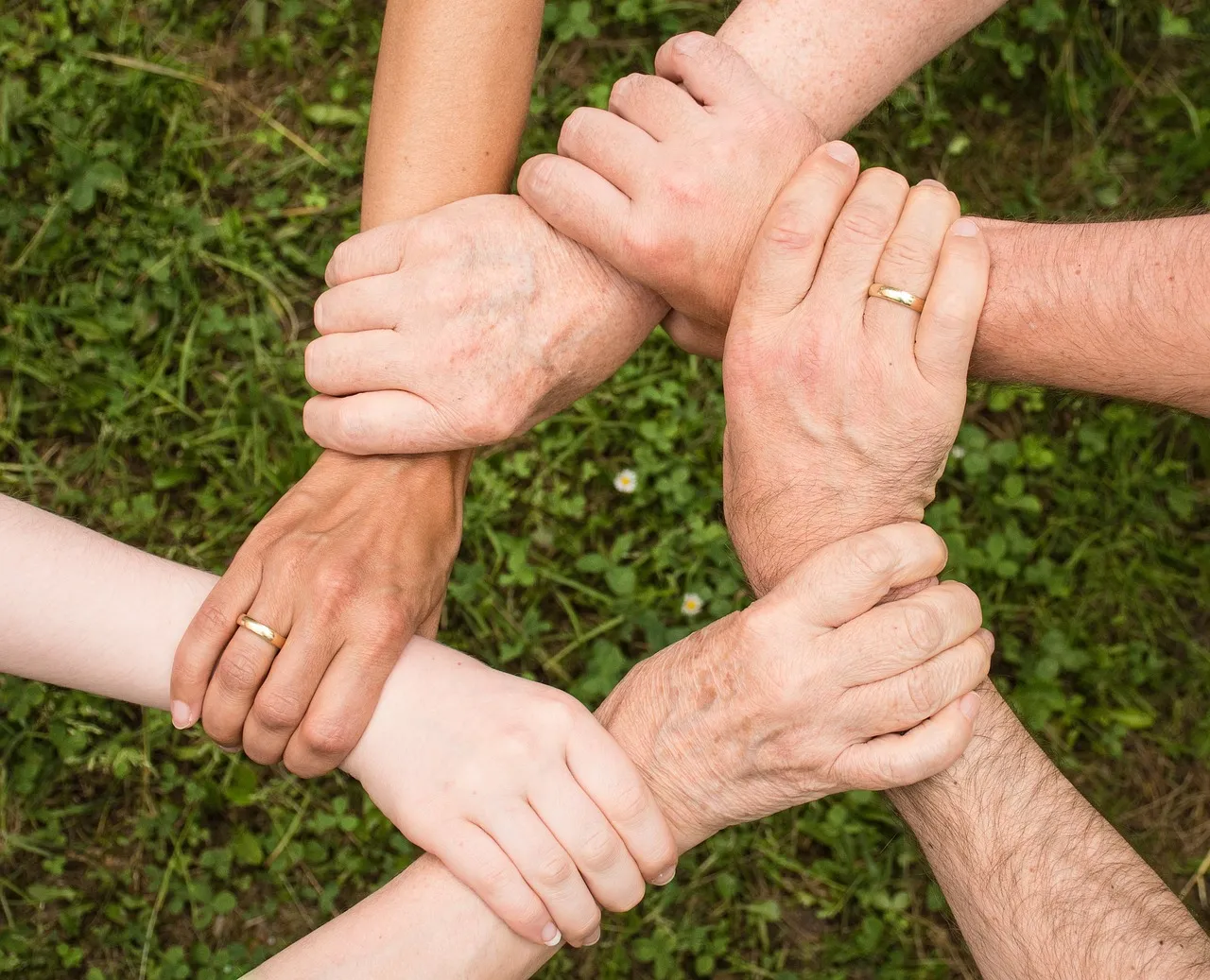
Americans today are facing a troubling rise in social isolation and a decline in trust within their communities, trends that were intensified by the COVID-19 pandemic and that pose serious challenges to democracy. Research shows that people most disconnected from communal groups and institutions have low trust. Without those connections, people end up in a negative feedback loop of disconnection, which contributes to distrust, which contributes to further disconnection.
The Karsh Institute of Democracy at the University of Virginia has been directly exploring this link, launching a “Civic Possibilities Neighbor Gatherings” initiative that provides microgrants to residents to host shared meals and activities with their neighbors. The logic is straightforward: you can’t build civic trust between strangers.
The “Reset to Real” Generation
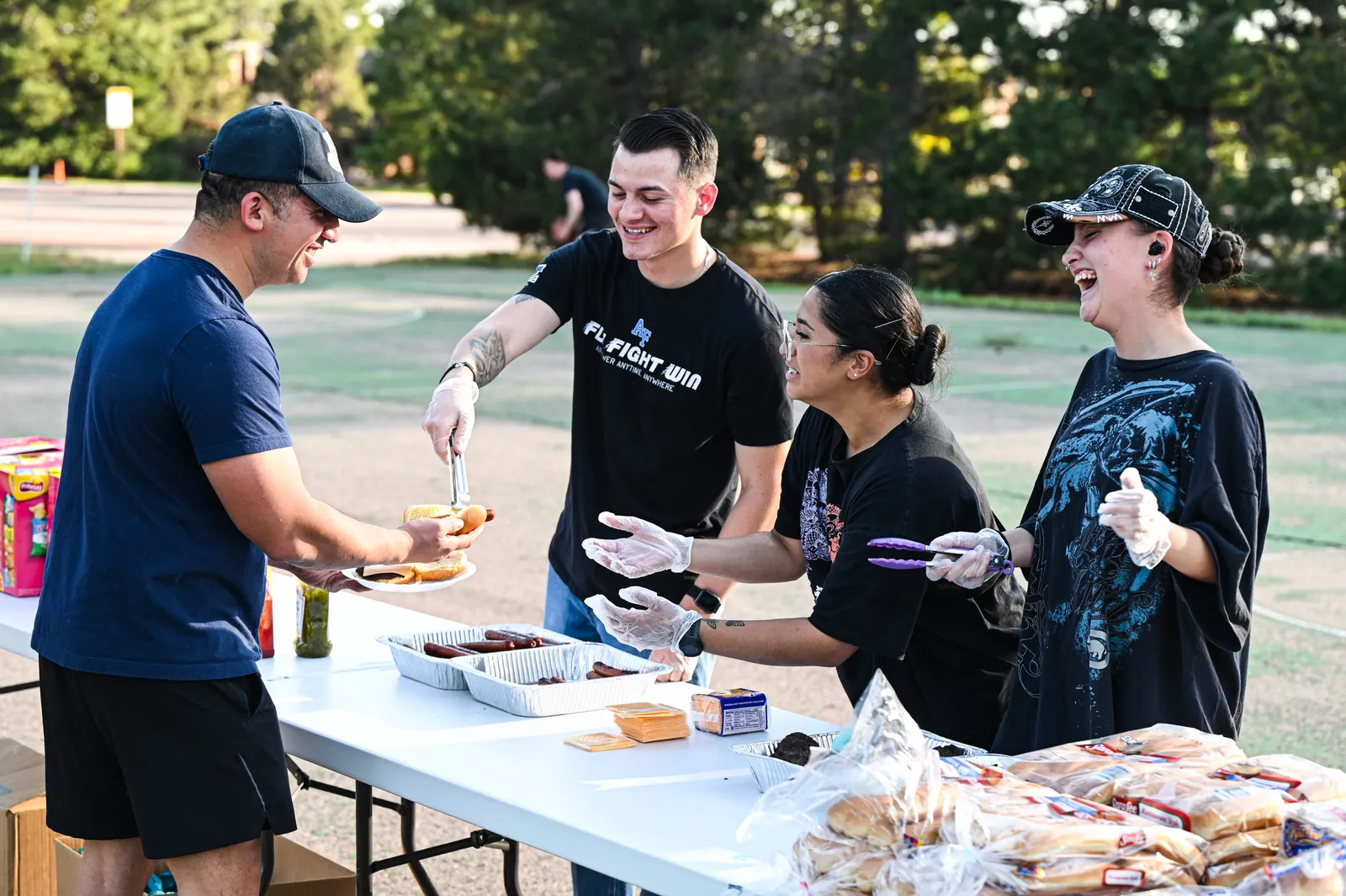
After years of hyper-curation and screen fatigue, audiences are craving something different. Eventbrite’s 2026 Social Study reveals a generational reset in motion: Gen Z and Millennials want authentic live experiences, with 58 percent saying they want events to feel one-of-a-kind and 49 percent wishing events felt less curated and more real.
While nearly four in five 18-to-35-year-olds plan to attend more events in 2026, what they’re seeking has shifted significantly. After years of curated feeds and polished experiences, people now crave gatherings that feel less choreographed, unrepeatable moments that could only happen once. A block party, by its very nature, fits that description perfectly.
Brands Are Taking Notice
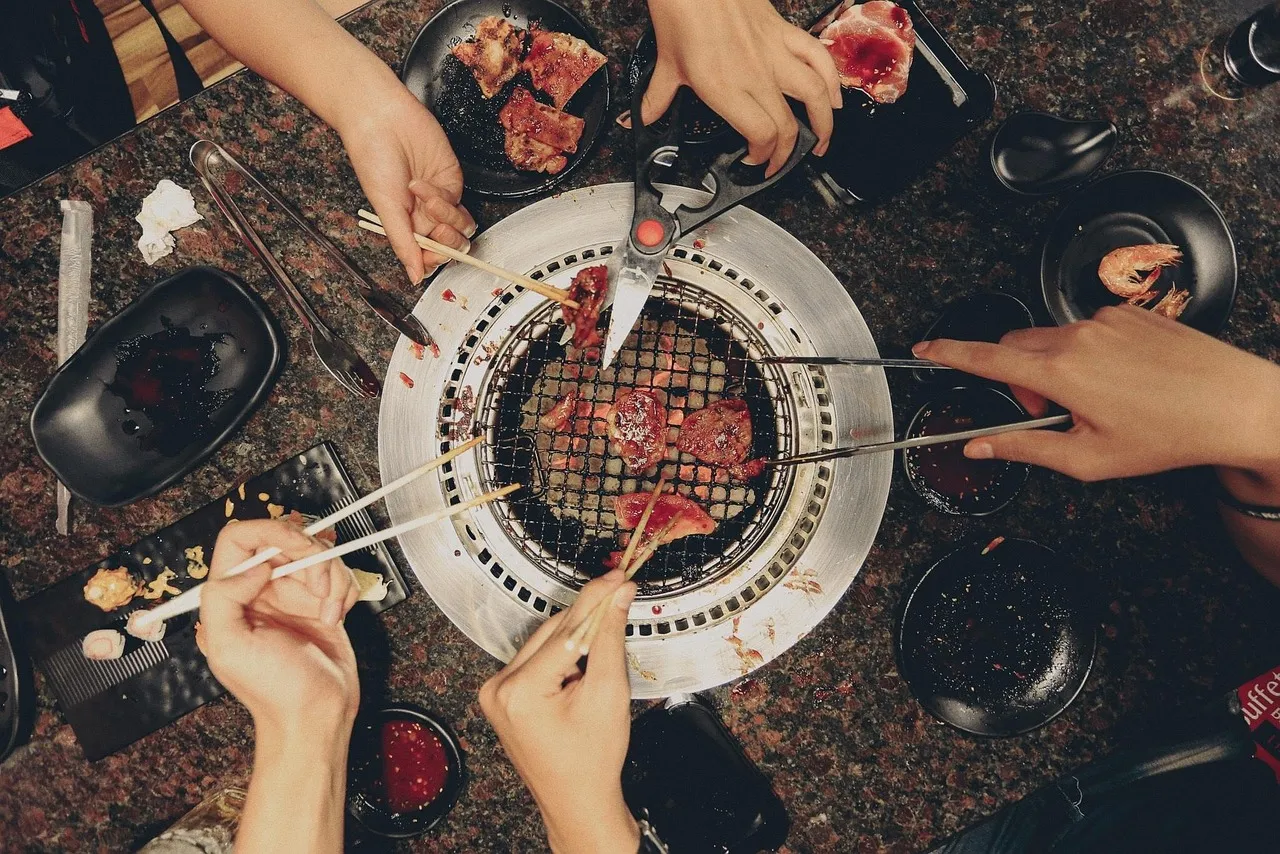
Block parties are built on community, and the spirit of these street gatherings is consistent: to foster connections, reinforce a culture of support, and create a sense of belonging. Brands are now curating block parties of their own to bring together consumers and further their commitment to representation and community impact.
For Hispanic Heritage Month, Garnier partnered with Latina artist Becky G to host a free block party in Downtown Los Angeles spotlighting 14 handpicked Latin-owned local businesses. Garnier fully funded the marketplace so attendees could enjoy vendor offerings, tastings, and experiences at no cost. When brands are investing real money into this format, it signals something more than a passing moment.
One Event Can Change an Entire Street
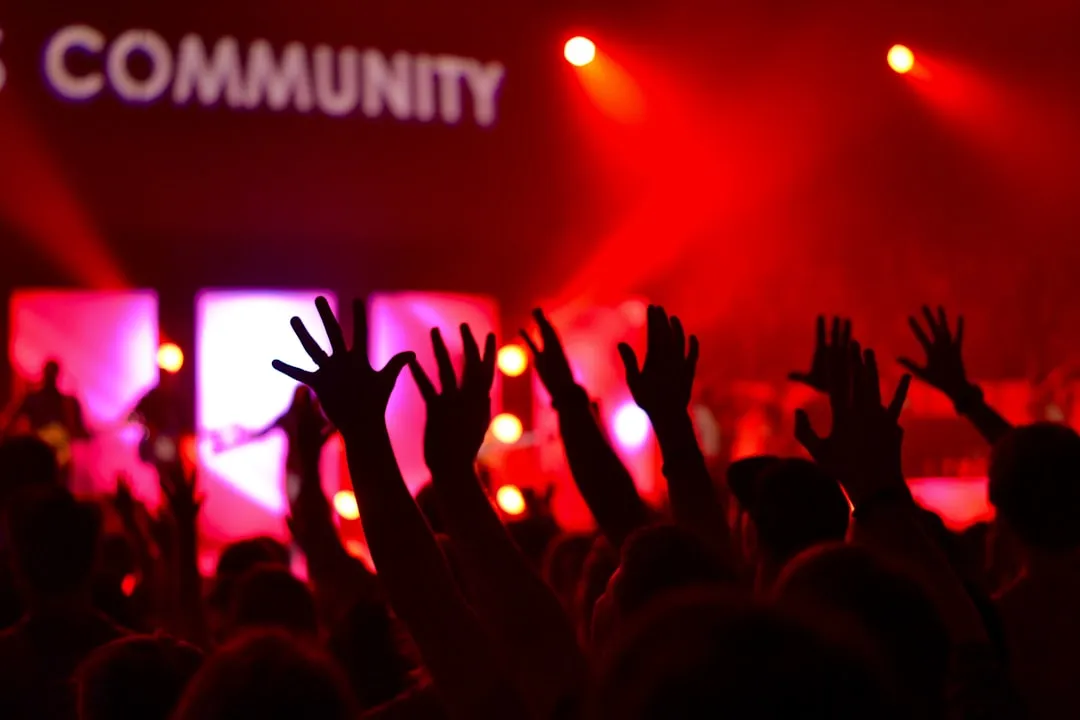
One person in the news for his love of block parties saw firsthand how a single event can inspire continued community connections. After he brought the block party tradition to his new street, neighbors enthusiastically came up with more ideas and ran with them: corn roasts, movie nights, chili cook-offs, and more.
North American society is beginning to understand the devastating toll that loneliness can have on human health and how vital social bonds are. Those bonds take time to build, but they can be nurtured. That’s the quiet truth behind the whole revival. Nobody needs a festival. They just need a reason to step outside and meet the person next door.
The Takeaway
Block parties were never really gone. They were just waiting for the moment when people got tired enough of their screens, lonely enough to act, and motivated enough to do something about it. That moment has clearly arrived.
The shift toward outdoor, analog gatherings isn’t a fleeting, one-summer phenomenon. It is a lasting cultural movement. The block party, stripped of any nostalgia and examined plainly, turns out to be one of the most efficient community tools humans have ever invented. All it takes is a closed street and someone willing to go first.
AI Disclaimer: This article was created with the assistance of AI tools and reviewed by a human editor.