

You’ve been there. A deal pops up, a clock ticks down, the page says only three items are left. Your heart rate nudges up slightly, and before you’ve properly thought it through, you’ve clicked “buy.” That experience isn’t accidental. It’s engineered. The online shopping world has become remarkably good at compressing your decision window, and the mechanics behind it are far more deliberate than most people realize.
The Science of Artificial Urgency

Scarcity accelerates a decision maker’s perceived perishability of an offer, limiting their freedom to delay a purchase and creating a sense of urgency for immediate action. That’s not a marketing opinion. It’s a well-documented psychological mechanism that retailers have actively built into their digital storefronts.
Research findings indicate that consumers react differently to psychological triggers, and urgency and scarcity produce more powerful purchase intent effects than even personalization strategies. That says a lot given how much money the industry has poured into personalization over the past decade.
Urgency becomes the primary factor in decision making, leading consumers to make impulsive purchases as they try to secure offers before it is too late. The result is a buying environment where the shopper is reacting, not evaluating.
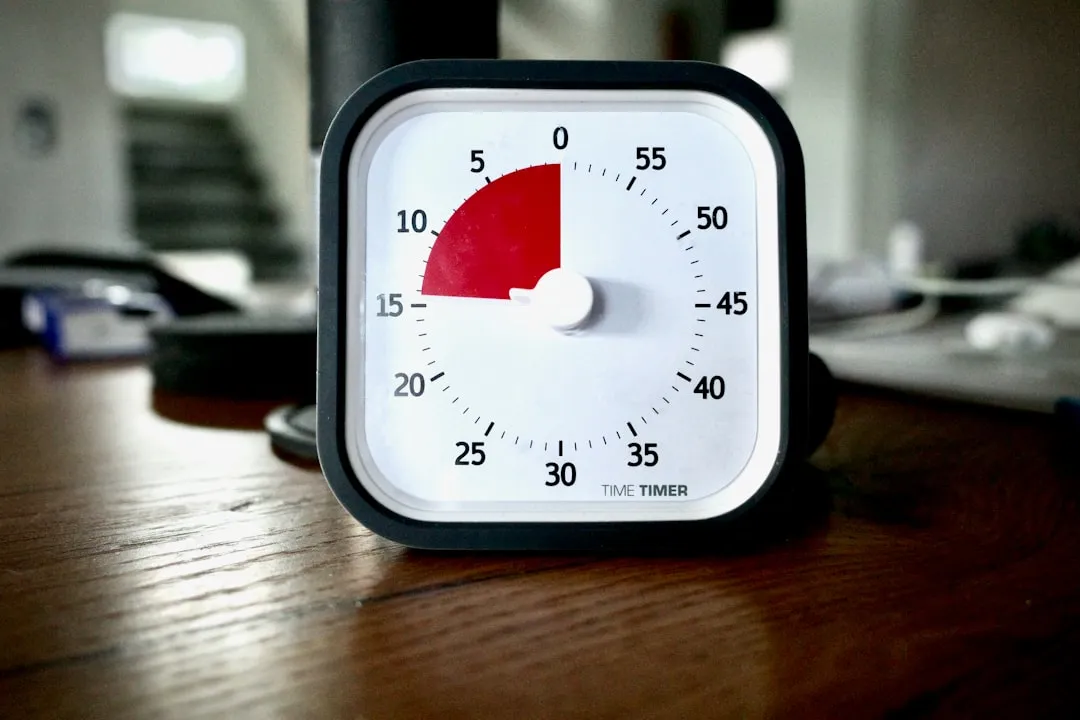
Countdown Timers: Real Deadlines or Theater?

Retailers have long used limited time offers to prompt a sense of urgency, but online storefronts have taken it further with countdown timers. Watching the seconds tick away until a deal is gone forever gives shoppers a visceral sense of time running out.
Researchers tracking a sample of Etsy products with countdown sales found that of the 20 products monitored, 16, which is 80 percent, simply reset when they hit zero with no change in price. The timer was counting down to nothing. Fake timers reset on a range of products, including personalized sweatshirts, baby toys, dog collars, wall art, and wedding keepsake boxes, all with no change in price.
In one observed case, once a timer was over, the exact same sale started again with a new 24-hour timer. The urgency was completely fabricated.
The “Only X Left” Message and What It Does to Your Brain

Messages like “Only 2 items left” and “Limited stock available” generate feelings of exclusivity that trigger FOMO in online shopping experiences. Such buying behavior often leads to overspending and financial challenges, and the scarcity advertising method can compel consumers to acquire things they don’t actually need.
A website might also warn that six other people have an item in their cart or that 20 people have purchased in the past hour. These social signals pile pressure on top of pressure. There is no true way for a consumer to determine how much inventory a website actually has.
FOMO by the Numbers

According to a 2024 Statista poll, roughly 4 in 10 shoppers admitted they spent more than intended when a deal or product was marketed as limited or trending. That’s a substantial share of consumers admitting to financial regret driven directly by marketing framing.
A 2024 survey by Slickdeals found that over half of consumers said FOMO marketing tactics, such as countdown timers or “only X left” tags, pushed them into buying without pre-planning. And the scale of influence is even broader: a 2025 Brightpearl report indicated that over 6 in 10 online shoppers have made purchases due to FOMO messages or influencer posts promoting exclusivity.
About 69 percent of millennials and Gen Z feel FOMO regularly, and the same proportion admit to overspending to avoid it. These aren’t edge cases. They describe a mainstream behavioral pattern.
Dark Patterns: When Design Becomes Manipulation

Dark patterns are techniques that influence consumer behavior in ways that persuade people to make purchases not to their benefit. Countdown timers are one example, but the category is broader. The dark psychology of discounts refers to manipulative pricing tactics that exploit cognitive biases like scarcity, loss aversion, and anchoring to override rational decision-making in consumers.
In 2024, over 80 percent of ecommerce emails from major brands included some form of discount. Common dark patterns include fake urgency timers, fabricated scarcity counters, and progressive discount spirals that train customers to never pay full price.
Dark patterns are becoming increasingly pervasive online, raising consumer protection, privacy, and competition concerns. They influence consumer behavior and decision making through psychological, visual, and emotional tactics.
How Big Is the Problem Globally?

An international review that examined 642 websites and mobile apps offering subscription services found that nearly three quarters of the sites and apps employed at least one possible dark pattern, and nearly two thirds used multiple possible dark patterns.
As far back as 2020, the European Commission identified dark patterns as commercial practices that “disregard consumers’ right to make an informed choice, abuse their behavioral biases, or distort their decision-making processes.” The problem has only grown since then.
Regulators Are Pushing Back

Following an automated check of thousands of online stores, the Netherlands Authority for Consumers and Markets confronted dozens of online stores with their use of misleading countdown timers. Timers put pressure on consumers to make a purchase decision faster than they probably want to, and if the special deal is not actually temporary, these practices mislead consumers and are therefore prohibited.
In September 2025, the FTC secured a record-breaking 2.5 billion dollar settlement against Amazon on allegations that Amazon used deceptive dark patterns to sign up consumers for a Prime subscription and later made it difficult to cancel. The FTC’s complaint detailed that customers were repeatedly asked to enroll in Prime during checkout, with the option to opt out obscured. Amazon also implemented what was internally called the Iliad Flow, a four-page, six-click, 15-option process to cancel.
Loss Aversion: Why the Fear of Losing Beats the Joy of Gaining

The fear of loss aversion is a psychological trigger where people are more sensitive to potential losses than equal gains, and this fear is amplified when time bounds are present, increasing the opportunity cost of missing a deal.
Studies found that with limited time offers, purchases increase by roughly 60 percent or so during flash sales. Time scarcity also reduces advice-taking tendencies, making consumers less thoughtful and more reactive. Slowing down, in other words, is exactly what urgency tactics are designed to prevent.
Research shows that around 60 percent of millennial consumers have revealed making reactive purchases after experiencing FOMO, most likely within 24 hours. The window between exposure and purchase is intentionally tiny.
When Savvier Shoppers Reject the Pressure
Not everyone is fooled, and that matters too. Research findings indicate that deceptive timers can induce a fear of missing out, but can also make consumers averse to the offers and websites that use such practices.
This finding adds to existing research that argues that in some situations, countdown timers can actually decrease purchase intent and have the potential to reduce the effects of discount incentives. When shoppers sense manipulation, trust erodes. The tactic can backfire.
For some consumers, deceptive countdown timers mark the line between acceptable marketing and outright manipulation, viewing fake timers as misinformation used to force a buying decision. That perception is increasingly common among digitally aware shoppers.
How to Protect Yourself at the Digital Checkout

The most practical defense is slowing down deliberately. If a deal feels urgent, that’s worth pausing over, not speeding up because of. Repeated exposure to scarcity and urgency tactics can also shape long-term consumer behavior, conditioning shoppers to seek out limited-edition releases or wait specifically for flash sales, which ironically hands even more control to retailers.
A few concrete habits help. Open the same product in a new browser session or revisit it the next day. If the “limited time” price is identical, you have your answer about whether the deadline was real. Urgency can speed up transactions, but it also increases the chance of regret if the purchase doesn’t meet expectations. Responsible shopping means ensuring urgency doesn’t override your ability to make a well-informed choice.
Checking independent price history tools is also useful. Several browser extensions track how long a “sale” price has actually been in place, and the results are often revealing.
The Takeaway

Online urgency is a designed experience, not a coincidence. The ticking clock, the dwindling stock counter, the “someone else is viewing this right now” notification, these are tools built to compress your judgment window and replace deliberate thought with instinct.
Regulators around the world are catching up. Webshops are increasingly required to remove misleading countdown timers from their websites and adopt fair and transparent practices when displaying product availability and offers, with the aim of protecting consumer interests and maintaining trust in online shopping.
Until enforcement catches up fully with practice, the sharpest tool a shopper has is simply awareness. Once you know what you’re looking at, the countdown clock loses a lot of its power.
AI Disclaimer: This article was created with the assistance of AI tools and reviewed by a human editor.