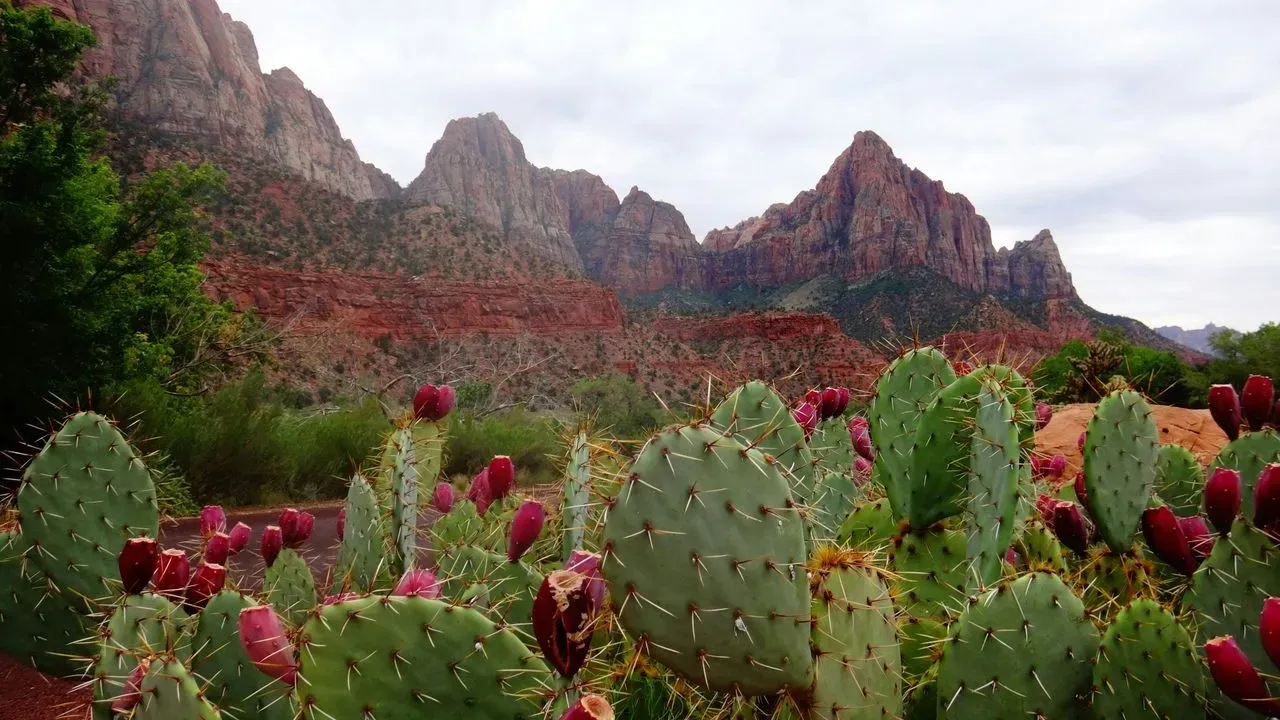

Arizona gardeners often walk into nurseries looking for plants that will handle the intense heat and limited rainfall of the low desert. Tags promising native species sometimes point instead to plants from Texas, northern Mexico, or Baja California. These regional lookalikes share drought tolerance and heat resistance, yet they evolved in different soils and rainfall patterns. The distinction matters most when the goal is supporting the insects, birds, and other wildlife that depend on plants native to the Sonoran Desert itself.
What Native Actually Means
A true Arizona native evolved in the Sonoran Desert alongside local insects, birds, and soil organisms. It matches the exact rainfall patterns, temperatures, and soil conditions found in central and southern Arizona. Plants labeled simply as Southwest natives often come from the Chihuahuan Desert of Texas or the coastal deserts of Baja California.
These species perform well in Arizona yards but do not share the same long evolutionary relationship with local wildlife. Desert-adapted plants represent a separate category still. They originate from Mediterranean climates, Australia, or other arid zones around the world and happen to survive here without any connection to Arizona’s native ecosystems. Many popular nursery offerings fall into this broader group rather than the narrower category of Sonoran Desert natives.
Why the Distinction Matters
Water savings draw many people to native plants, yet the deeper value lies in the specific relationships these plants maintain with local wildlife. Native bees, butterflies, and birds evolved to rely on particular species for food and shelter. Monarch and queen butterfly caterpillars, for example, can feed only on milkweed, while Gulf fritillary caterpillars require passionflower vines.
A garden filled only with regional or desert-adapted plants may look attractive and use little water, but it cannot fully replace the precise ecological connections that true natives provide. Gardeners do not need to remove every non-native plant already in place. Adding more authentic Sonoran Desert species alongside existing choices simply strengthens the habitat value over time.
Finding Authentic Arizona Plants
Common native trees and shrubs appear at many local nurseries. Less common shrubs, wildflowers, and vines often sell out quickly at the spring and fall plant sales organized by the Desert Botanical Garden and Boyce Thompson Arboretum. Arriving early improves the chances of securing the best selection.
The Arizona Native Plant Society maintains a vetted list of species confirmed as native to the Phoenix area and beneficial to wildlife. Its Phoenix chapter resources help gardeners verify native status before purchase and connect with local growers who specialize in these plants. Joining the society also opens access to additional sales and practical guidance from experienced members.
Starting With Sonoran Desert Favorites
Several reliable performers stand out for new or expanding native gardens. Blackfoot daisy produces white daisy-like flowers nearly year-round and reseeds readily when gardeners collect and scatter seed. Tufted evening primrose offers large, fragrant white blooms that open at dusk and attract nighttime pollinators.
Firecracker and Parry’s penstemons add vivid spring color that hummingbirds seek after winter. Queen’s wreath, though native to neighboring regions, grows vigorously with bright pink flower clusters from summer into fall. Desert milkweed and creosote both establish quickly and then require little attention. Creosote performs best when given room on the edge of a property rather than close to the house, where extra irrigation can stress the plant. A short list of confirmed Arizona natives includes:
– Blue palo verde and foothills palo verde (trees)
– Velvet mesquite and ironwood (trees)
– Desert broom, fairy duster, and red justicia (shrubs)
– Desert marigold, blackfoot daisy, and sacred datura (perennials)
– Arizona grape ivy and Arizona passionflower (vines)
– Saguaro, beavertail prickly pear, and fishhook barrel cactus (cacti)
Supporting Desert Wildlife
Plantings that emphasize true natives often bring noticeable changes in garden visitors. Hummingbirds frequent red justicia, firecracker penstemon, and fairy duster. Tarantula hawk wasps appear on desert milkweed, while bush dalea draws large numbers of bees during its winter bloom.
Queen and monarch butterflies concentrate on Gregg’s mistflower and milkweed species, and Gulf fritillaries show clear preference for Arizona passionflower over nearby non-native passion vines. These interactions reflect relationships that developed over thousands of years. Each new native plant added increases the likelihood that specialized pollinators and other wildlife will find the resources they need within the garden. Over time, the cumulative effect creates a more resilient and lively desert landscape.
AI Disclaimer: This article was created with the assistance of AI tools and reviewed by a human editor.