

Space heaters are everywhere in winter. They sit in bedrooms, home offices, living rooms, and garages, quietly doing the job that central heating sometimes can’t. For a lot of households, they’re a practical solution to drafty rooms or high utility bills. The trouble is that the way most people position them is also one of the leading causes of residential fires in the country.
The core problem isn’t the heater itself. It’s placement. Most fire investigators will tell you that the single most common ignition scenario comes down to one simple habit: putting a heater too close to something that can burn. That sounds obvious until you realize just how many things in a typical room can catch fire, and how quickly they do.
The Number One Placement Mistake: Too Close to Combustibles
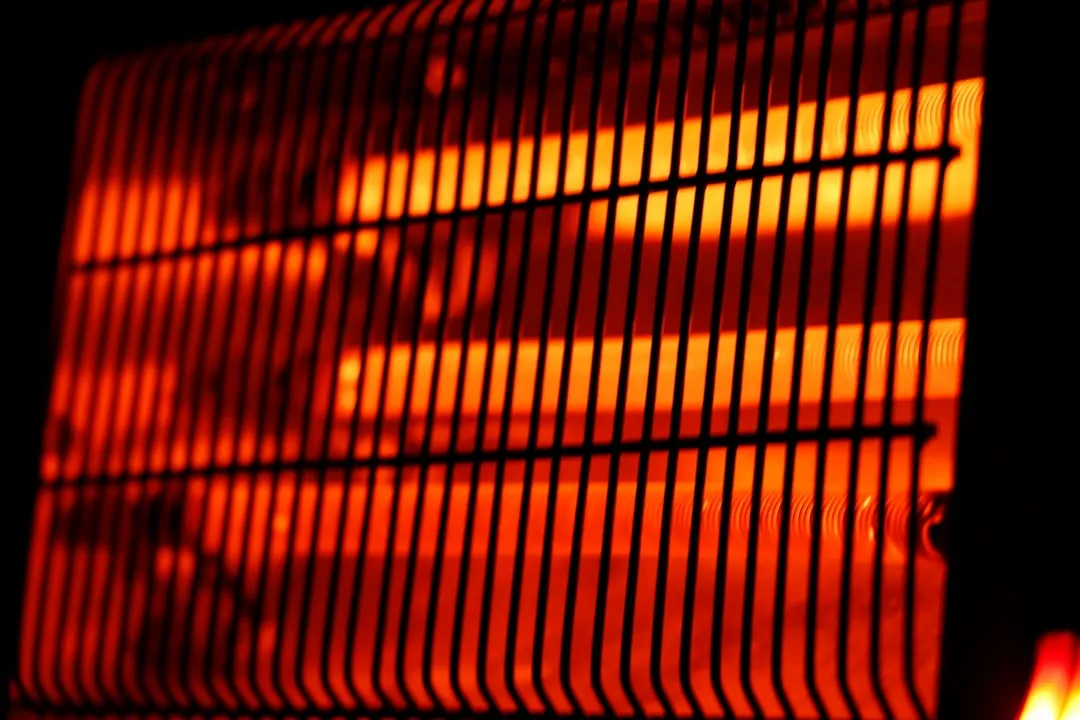
Portable electric heaters are high-wattage appliances that have the potential to ignite nearby combustible materials like curtains, sofas, rugs, paper, and clothing. The majority of space heater fires occur when these types of combustible materials are placed too close to or come in contact with the heater, causing them to catch fire. This is the single most documented ignition pattern across fire investigation data.
People who use space heaters are often not vigilant enough to avoid the biggest contributor to fires, which is flammable items such as curtains, furniture, and bedding placed close to the heater. Roughly more than half of all deaths related to home heating fires are a result of the space heater igniting flammable items nearby. That figure alone puts improper placement in a category of its own.
The Three-Foot Rule Most People Ignore
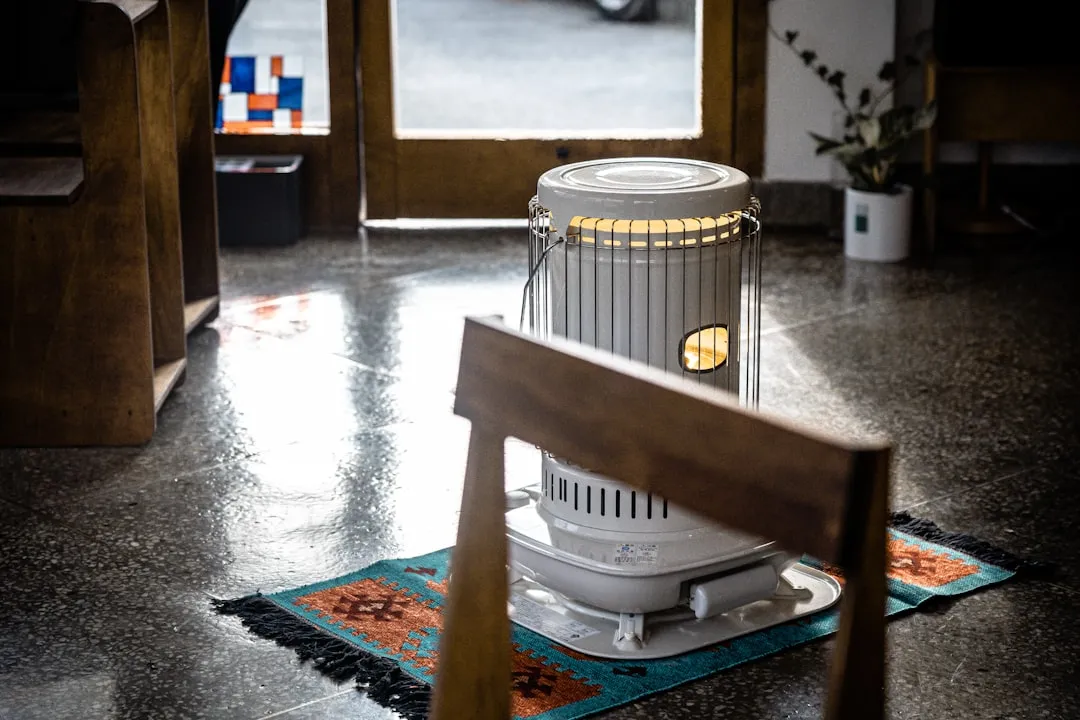
Space heaters should be kept at least three feet away from flammable materials like rugs, carpets, bedding, curtains, papers, clothes, or furniture. This is the consistent guidance from fire safety authorities including the NFPA, the CPSC, and FEMA, yet it remains one of the most widely ignored recommendations in home fire prevention.
Everything that can burn should be kept at least three feet from all heat sources, including fireplaces, wood stoves, radiators, space heaters, and candles. In small rooms or cluttered spaces, maintaining that clearance takes real discipline. Most fires happen in exactly those kinds of spaces, where the heater gets pushed into a corner surrounded by furniture, laundry, or storage.
The Death Toll Behind the Statistics
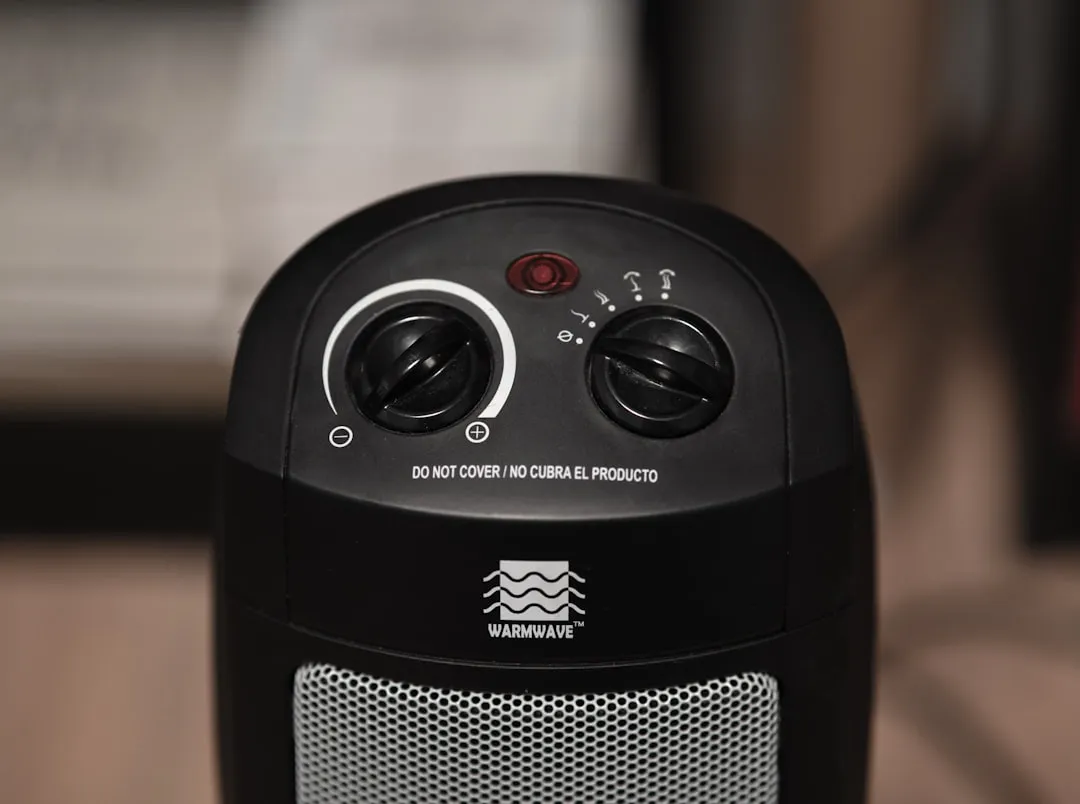
Fire departments responded to an estimated average of 37,365 fires involving heating equipment per year from 2020 to 2024, accounting for roughly one in ten of all reported home fires during this time. These fires resulted in an estimated 417 civilian deaths, 1,260 civilian injuries, and $1.2 billion in property damage annually.
Space heaters and heating stoves were the type of heating equipment responsible for the largest shares of losses in home heating fires, accounting for nearly a third of the fires, but over seven out of ten deaths and seven out of ten of the injuries in home fires caused by heating equipment. The disproportion between their share of fires and their share of fatalities is striking. They don’t start the most fires, but they are by far the deadliest when they do.
Winter Is When It Gets Dangerous
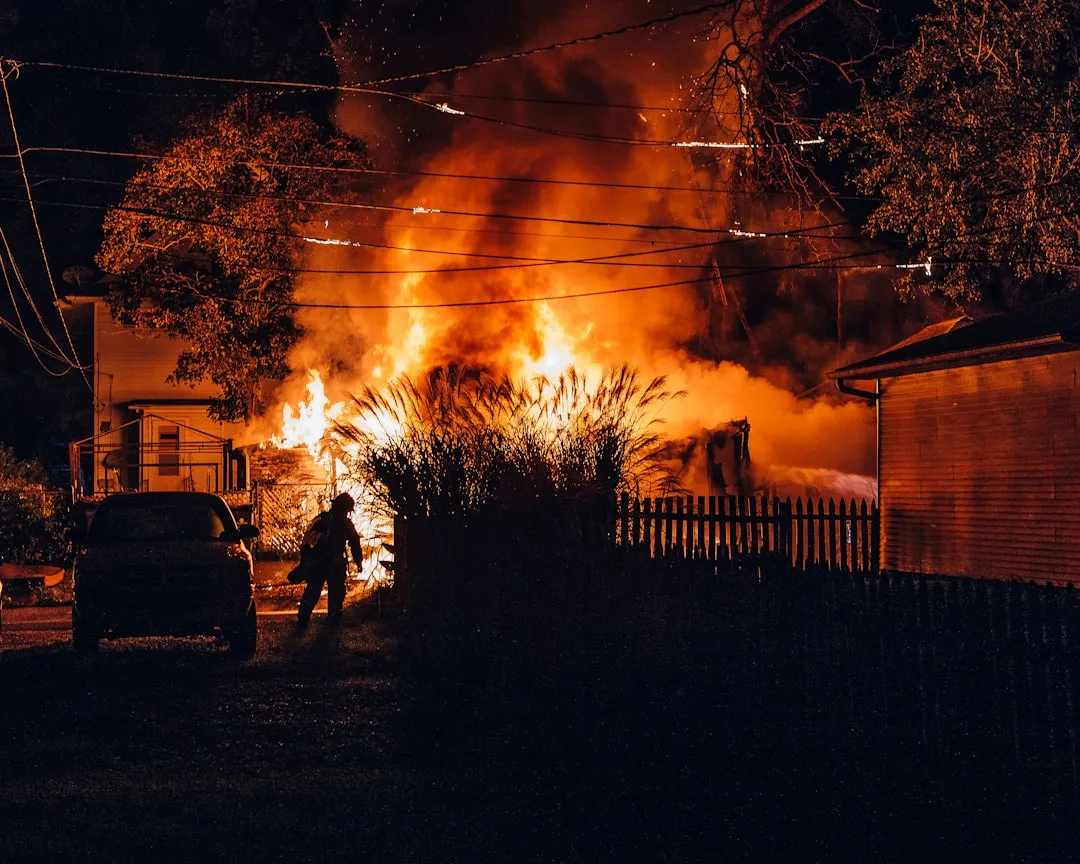
Nearly half of all home heating equipment fires, roughly 46 percent, occur between December and February. Cold snaps drive more people to plug in space heaters, often in rooms where they haven’t been used before, or in arrangements that weren’t really thought through.
According to the latest NFPA data, fire departments responded to an annual estimated average of 38,881 home heating equipment fires from 2019 to 2023, resulting in 432 civilian deaths, 1,352 injuries, and $1.1 billion in property damage. These numbers hold relatively steady year over year, which suggests the behavior driving them isn’t changing much either.
The Bedroom: A Particularly High-Risk Location

Portable heaters should be turned off when leaving the room or going to sleep. The bedroom is where this rule gets broken most often. People leave heaters running through the night for warmth, and that’s precisely when the combination of proximity to bedding and lack of supervision becomes most dangerous.
Portable electric space heaters have a higher risk of fire than fixed electric heating devices, and should never be left on when unattended. Sleeping next to a heater that’s close to a mattress, blankets, or hanging curtains is one of the riskiest placement scenarios documented in fire investigation reports.
Running the Cord the Wrong Way
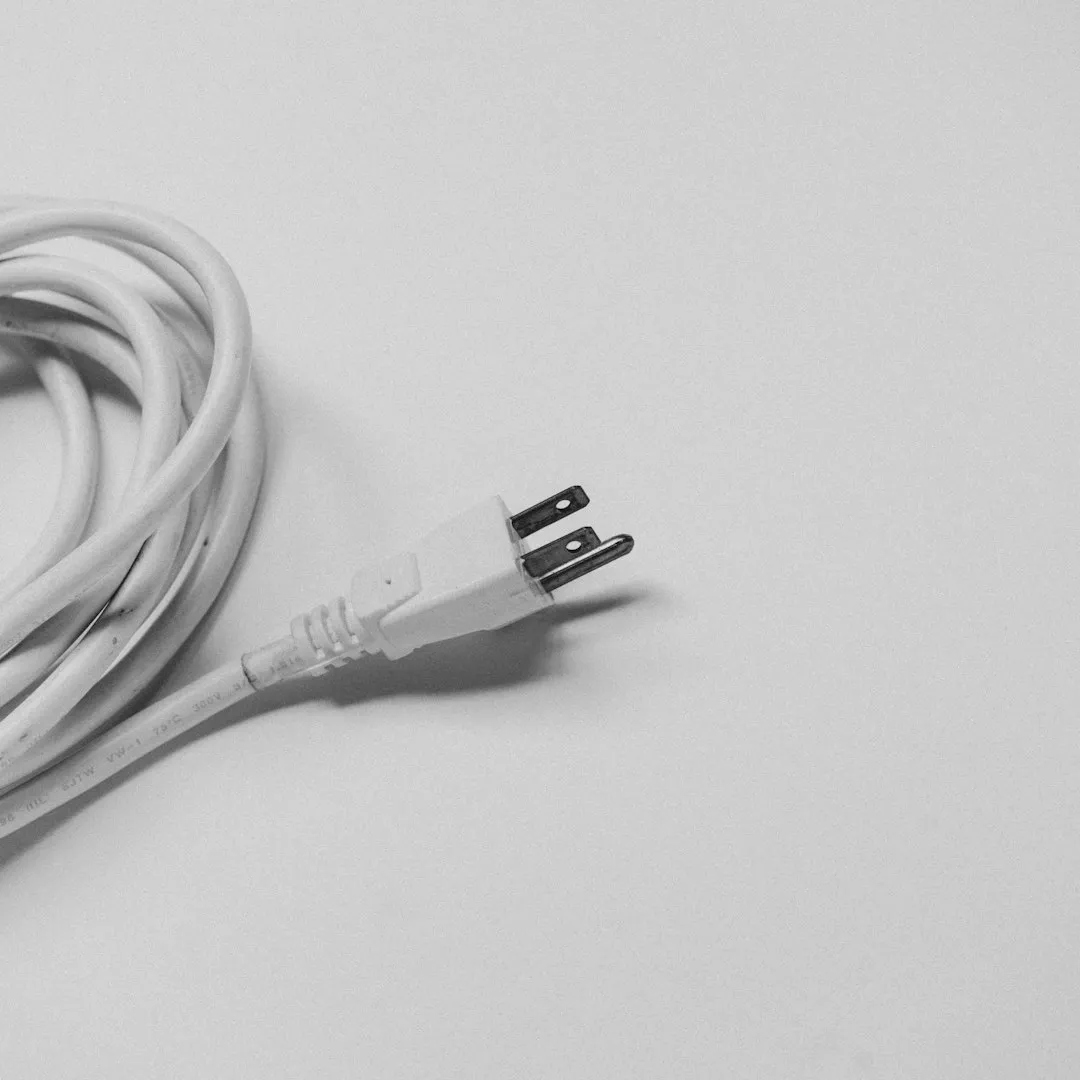
A space heater’s cord should never be run under rugs or carpeting. This can damage the cord and cause a fire. It’s a placement habit people develop to keep walkways clear, without realizing that the carpet traps heat and accelerates wear on the insulation.
Electrical cords should not be running across doorways or under carpets. Extension cords are intended for temporary use only. A qualified electrician should add more receptacle outlets if needed, rather than relying on extension cords. Plugging a high-draw appliance like a space heater into an extension cord is consistently flagged as a fire hazard by fire authorities across the country.
Unstable Surfaces and Tip-Over Risks
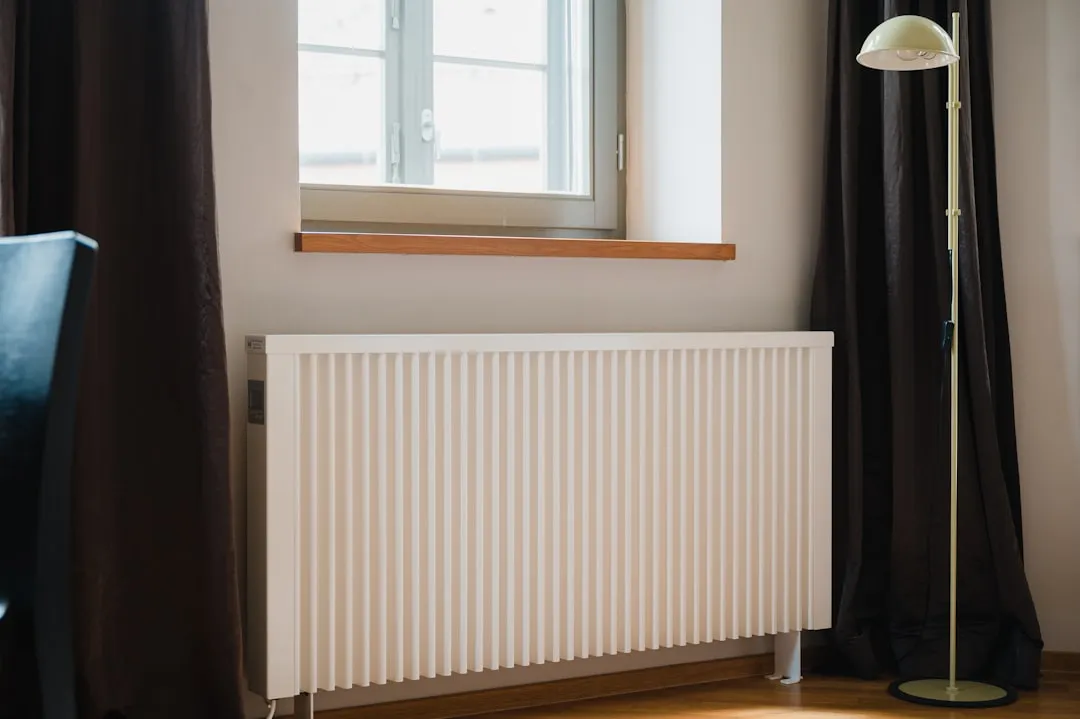
A heater should be placed on a level, hard, and nonflammable surface in the home. Placing a space heater on a rug, a wood floor near fabric, or on top of a table or dresser raises the risk significantly. Soft surfaces allow heaters to tilt, and tilted heaters that don’t have automatic shutoffs can stay on while directing radiant heat sideways into whatever is nearby.
A UL-listed portable electric heater must pass a tip-over test that simulates the most severe tip-over orientation. Certified heaters are built with this scenario in mind, but that protection only matters if the heater is on a surface where it can actually function properly. Placing one on an uneven or soft surface defeats the purpose of the safety feature entirely.
The 2022 Bronx Tragedy: A Real-World Example
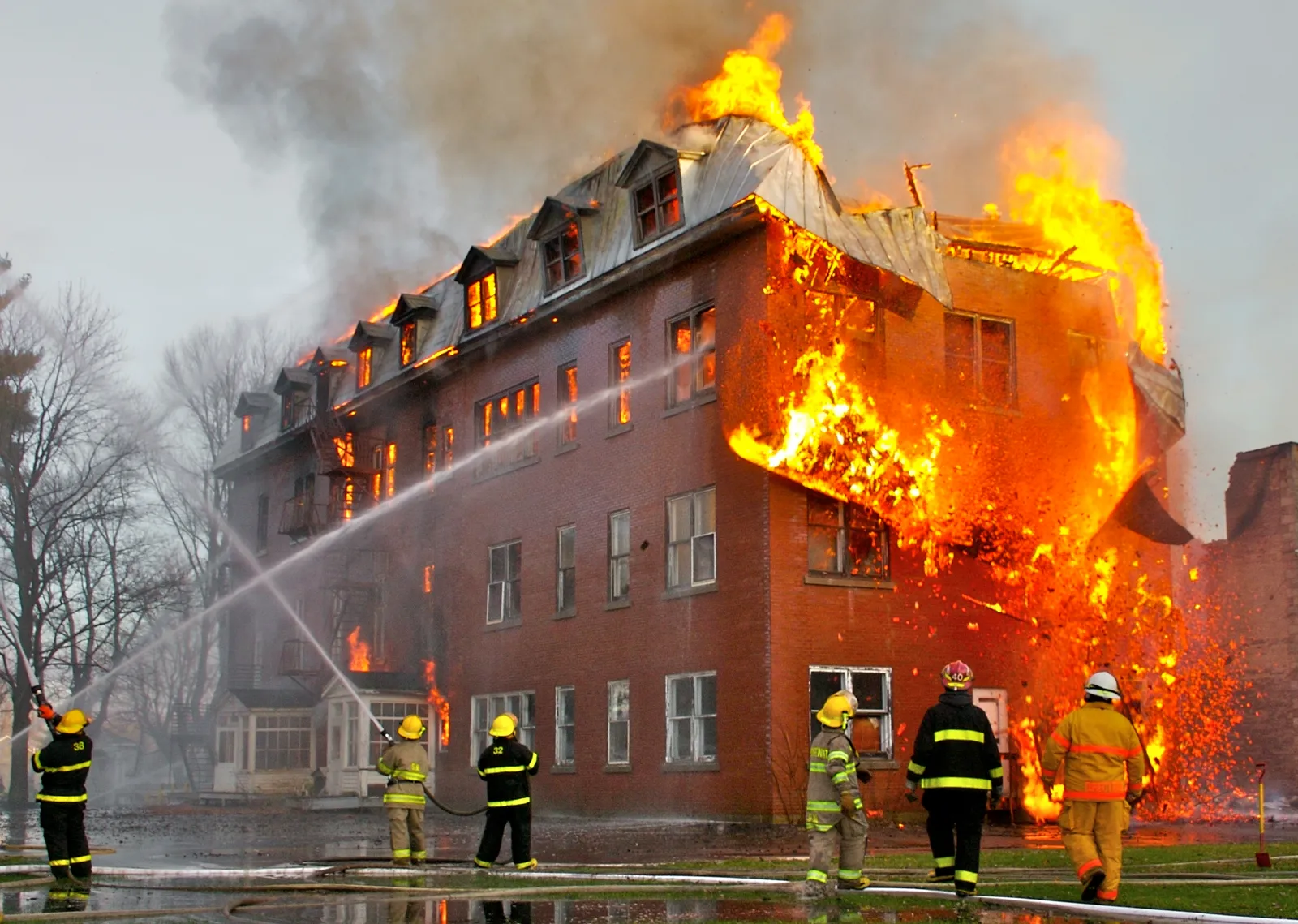
On the morning of January 9, 2022, a high-rise fire killed seventeen people, including eight children, at a residential apartment building in the Bronx, New York City. It became one of the deadliest residential fires New York City had seen in decades. The cause was traced directly to a space heater.
Investigators determined that the fire was caused by a defective space heater bursting into flames. Smoke spread through the building as a result of two malfunctioning self-closing doors, causing deaths throughout the building. The placement and condition of that single appliance had consequences that extended far beyond one apartment.
What Percentage of Fires Are Preventable
While portable heater fires in residential buildings were only a small share of all heating fires, their consequences were substantial, accounting for roughly four in ten fatal heating fires in residential buildings. Many of these fires were preventable, as human error was a contributing factor, for example, placing the heater too close to combustible items or leaving the heater unattended.
Each year, about 1,700 fires, 80 deaths, and 160 injuries are caused by portable space heaters as estimated by the U.S. Consumer Product Safety Commission (CPSC). The word “estimated” matters here. The real figures may be higher, since not every fire is fully investigated or attributed to a specific cause in national datasets.
How to Place a Space Heater Safely
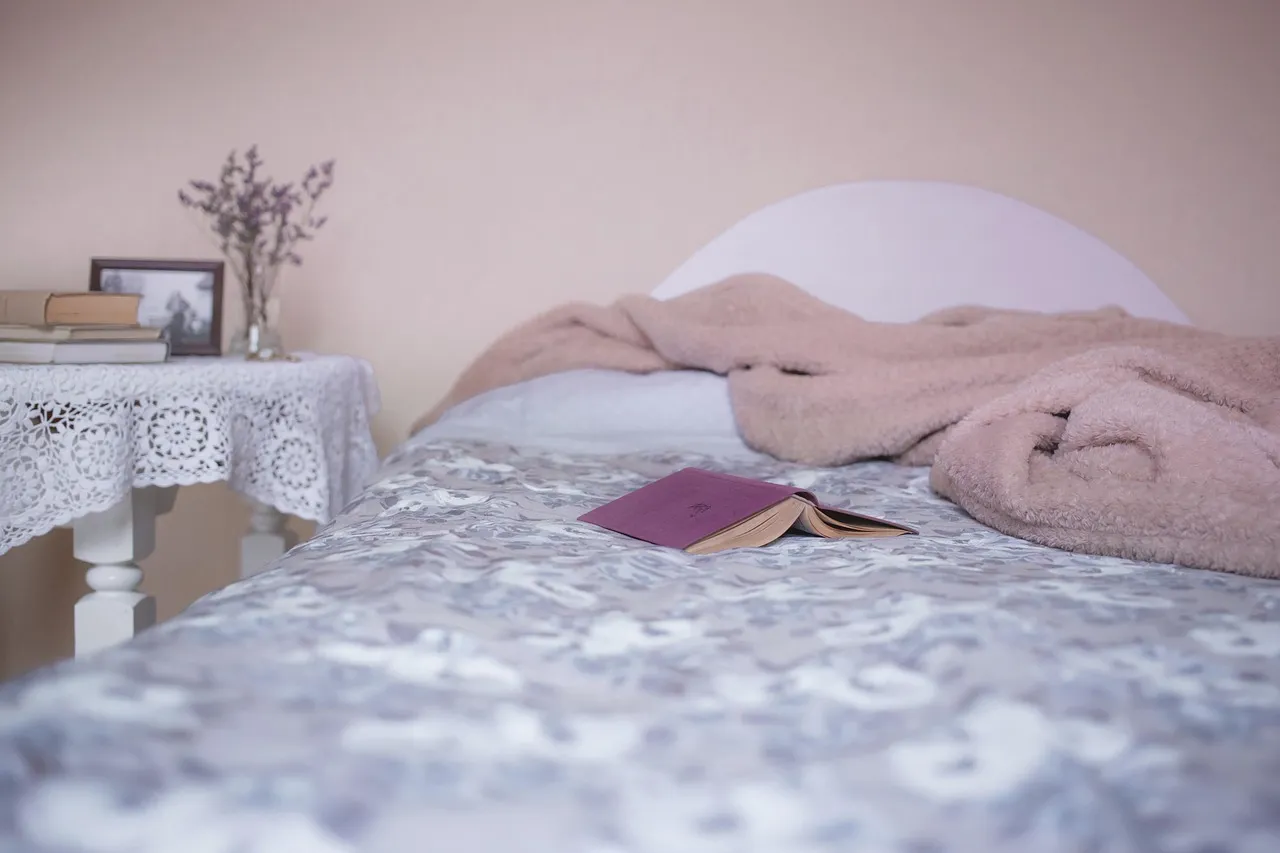
All potential sources of fuel such as paper, clothing, bedding, curtains, and rugs should be kept at least three feet away from space heaters, stoves, or fireplaces. Portable heaters should never be left unattended. Space heaters should be turned off and any embers in the fireplace extinguished before going to bed or leaving home.
If using a space heater, look for a model that shuts off automatically if the heater falls over. Beyond the hardware itself, the room setup matters just as much. Before plugging one in, take a real look at what’s within arm’s reach of where you plan to put it. A pile of clothes, a low shelf of books, a synthetic rug, or curtains that drift in an open window draft can all become ignition sources faster than most people expect.
The Takeaway
The most dangerous thing about space heaters isn’t a manufacturing defect or a faulty plug. It’s the habit of setting one down wherever it fits and walking away. Placement is the variable that fire data keeps pointing to, year after year, across thousands of investigations and hundreds of deaths.
The three-foot clearance rule is easy to remember but hard to maintain in a cramped room on a cold night. That gap between knowing and doing is exactly where most of these fires start. A heater positioned thoughtfully, on a hard surface, away from fabric and foot traffic, and turned off before sleep, is a dramatically safer tool than the same heater placed carelessly. The difference between the two is nothing more than attention.
AI Disclaimer: This article was created with the assistance of AI tools and reviewed by a human editor.