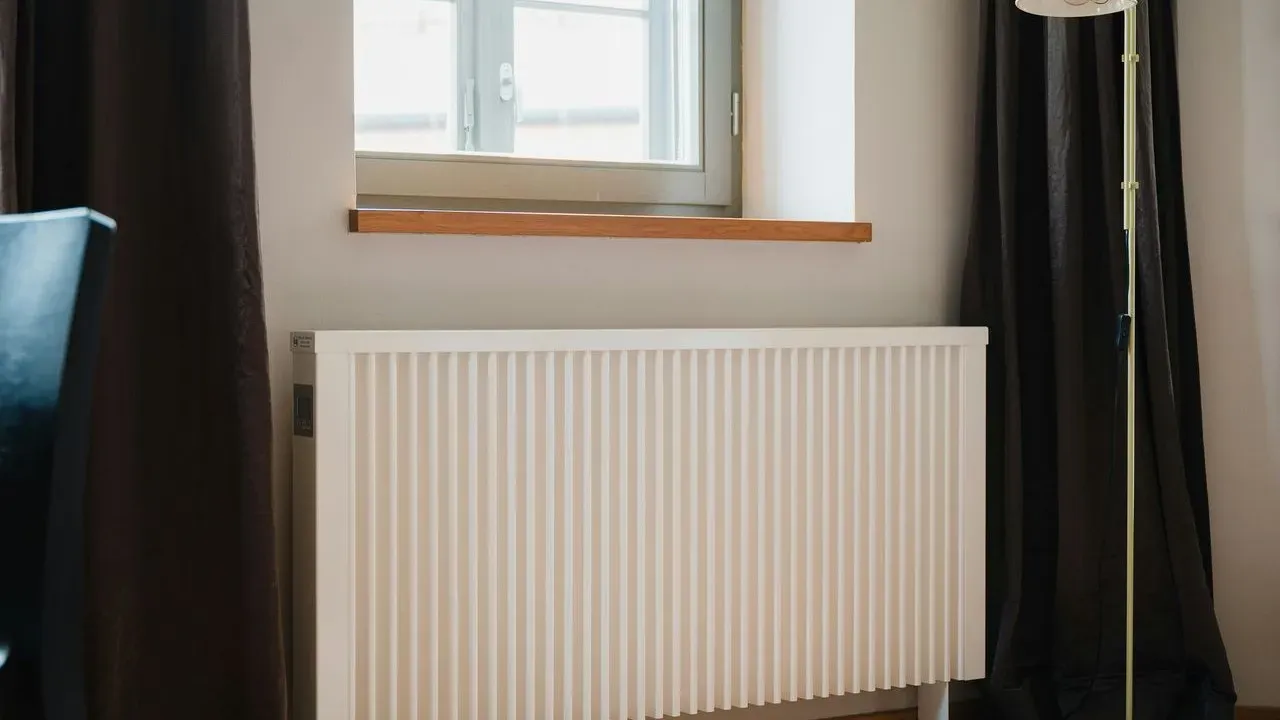

Homeowners often notice uneven warmth or slow radiator response only after temperatures drop, yet the underlying circulation problems build gradually through the year. These issues waste energy, increase costs, and can strain equipment if left unchecked. Early attention to flow restrictions helps restore even comfort while protecting the system from further wear.
Why Circulation Matters in Any System
A wet central heating setup relies on steady water movement from the boiler through pipes and into each radiator. The pump drives this closed loop so heat reaches every room before cooler water returns for reheating. When flow slows or becomes uneven, some areas receive less warmth regardless of boiler output. The result appears as cold spots or extended warm-up times rather than outright failure.
Early Signs That Point to Restricted Flow
Problems rarely appear overnight. One or two rooms may stay noticeably cooler while others reach temperature quickly. Radiators can gurgle, whistle, or produce banging sounds as water struggles past air pockets or debris. The boiler may also switch on and off more often in an attempt to meet the thermostat setting. Tracking whether the issue affects a single unit or the entire property narrows the likely cause before any tools are used.
Simple Checks Before Opening Valves
Start with the controls and boiler display. Confirm the programmer and thermostat call for heat, then note any warning lights or codes. The pressure gauge should sit within the manufacturer’s recommended range; low readings prevent proper circulation. Repeated pressure loss usually signals a leak or component fault that needs professional diagnosis rather than repeated topping up.
Common Causes and Targeted Fixes
Trapped air often collects at the top of a radiator, leaving the upper section cold while the bottom warms. Bleeding the unit after the system cools restores flow in many cases. Sludge and rust settle lower down and block channels, requiring chemical cleaning or flushing by a qualified engineer. Valve restrictions or unbalanced lockshield settings can also starve distant radiators of hot water even when pressure is adequate.
What matters now
Addressing circulation early improves comfort, lowers running costs, and reduces the risk of pump strain or repeated boiler cycling.
Knowing When Professional Help Is Essential
Basic steps such as bleeding radiators or confirming valve positions resolve many isolated problems. Persistent cold sections, recurring pressure drops, unusual noises after simple checks, or suspected pump issues call for an engineer. Regular servicing, occasional valve movement, and proper inhibitor levels help prevent the same faults from returning season after season.
AI Disclaimer: This article was created with the assistance of AI tools and reviewed by a human editor.