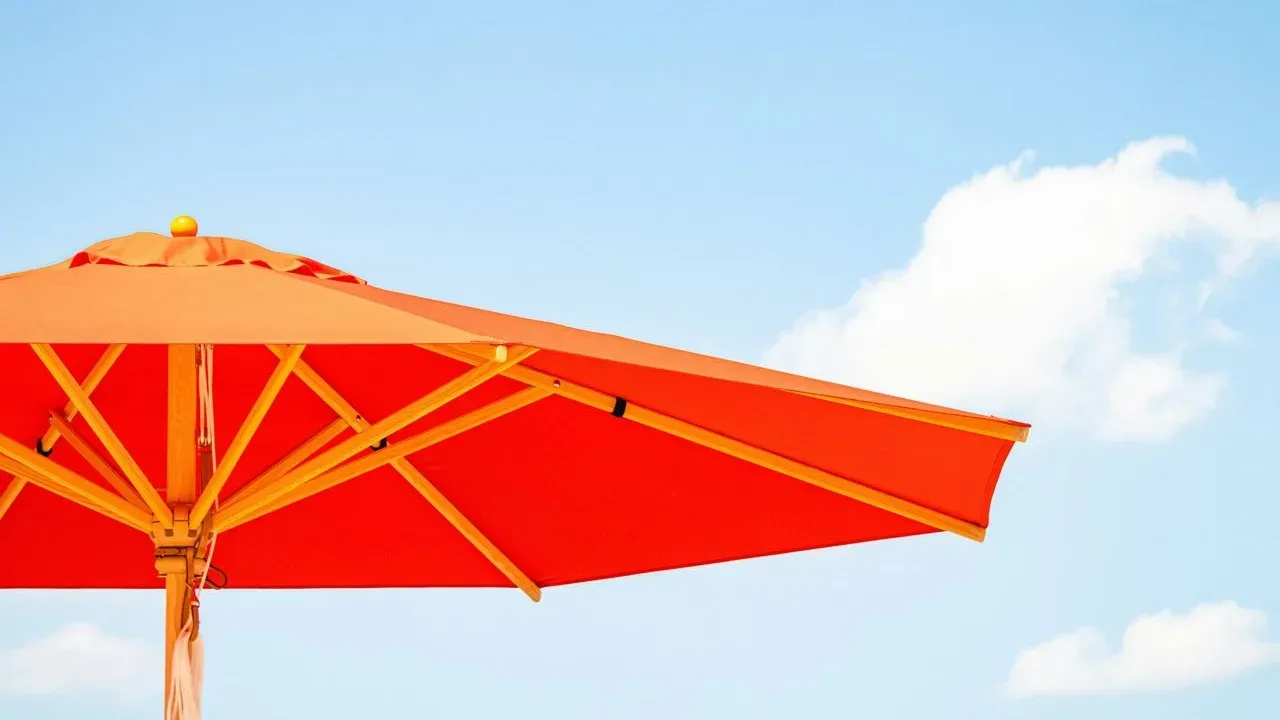

The patio furniture sits ready, yet the midday sun turns the space into an oven that drives everyone back indoors. Summer after summer, the same pattern repeats: plans for outdoor meals or quiet evenings fade under the heat. The right shade structure can change that equation, turning an unused slab of concrete or decking into a place where people actually want to linger.
Matching the Structure to Your Outdoor Layout
Center-pole designs remain popular because they deliver straightforward coverage over a dining table or seating group. The pole sits in the middle, the canopy spreads outward, and the whole unit can be repositioned as the sun tracks across the sky. These work well when the area is open and the furniture arrangement stays fairly fixed.
Side-mounted styles shift the support away from the center, letting the canopy float above loungers or a pool deck without a pole in the way. That reach proves useful for larger zones where people move around freely. Wall-mounted versions attach directly to the house, freeing floor space on balconies or narrow courtyards while still angling to follow the light.
Calculating Coverage That Actually Works
Measure the full area you hope to keep comfortable, then add at least two feet on every side so the shadow stays useful as the sun moves. A typical four-person table usually needs a canopy roughly nine feet across. Larger gatherings or lounging areas call for twelve feet or more to keep everyone out of direct light.
Poolside spots often require extra generosity because sunbathers change positions and water reflects additional glare. Portable styles that fold down quickly suit households that want shade only on certain days or for occasional gatherings rather than permanent fixtures.
Features That Hold Up Through Real Summer Conditions
Look first for fabric rated to block at least 98 percent of ultraviolet rays; anything less leaves skin exposed during long afternoons. The same material should resist fading after hundreds of hours in strong light, which rules out lightweight polyester that loses color within a single season.
Wind matters as much as sun. Reinforced ribs and a sturdy base keep the canopy from lifting or toppling during sudden gusts. Vents built into the top allow air to pass through, reducing the upward pull that can damage lighter frames. Aluminum poles stay light and resist rust near water, while powder-coated steel offers extra strength where wind is frequent. Wood frames bring a natural look but need regular sealing to survive repeated wetting and drying cycles.
Installation details also count. Wall-mounted units require solid masonry anchors and sometimes professional fitting so the bracket holds through storms. Freestanding models need weighted bases sized to the canopy diameter; skimping here leads to constant adjustments or worse.
Deciding What Matters Most for Your Space
Start with how the area is used most often. Frequent dining favors a stable center-pole model that stays put. Lounging or pool time points toward a cantilever that clears the deck. Tight quarters make wall-mounted options worth the extra planning for mounting hardware.
Quality construction costs more upfront yet avoids the cycle of replacements that cheaper versions demand after one or two intense summers. The difference shows up in fabric that keeps its color, frames that do not wobble, and shade that remains reliable day after day.
What matters now: Measure first, check UV and wind ratings second, and match the style to the actual layout rather than the lowest price tag.
With those priorities in place, the patio stops being a place to escape and becomes the part of the house everyone chooses on warm evenings.
AI Disclaimer: This article was created with the assistance of AI tools and reviewed by a human editor.