
You water faithfully. Maybe every other day. Perhaps you even put in a timer system. Yet every summer, the same thing happens: brown patches creep in, expand, and leave you staring at a lawn that looks more straw than grass. The frustrating truth is that watering is just one variable in a much larger equation.
If your grass is turning brown despite watering, the problem often isn’t a lack of water. Compacted soil, poor irrigation coverage, fungal diseases, insect damage, heat stress, dull mower blades, dormant grass, or even watering too often can all cause a lawn to turn brown. Knowing which of these is actually at work on your property makes all the difference.
Your Grass Might Simply Be Dormant
One of the most common reasons a watered lawn still turns brown is natural dormancy. During the height of summer, the most common answer is often dormancy. This is a natural defense mechanism where the grass “shuts down” to survive extreme heat or drought conditions.
Fescue, Kentucky bluegrass, and perennial ryegrass are cool-season grasses, which means they often go dormant during hot, dry weather, turning brown to conserve moisture and energy. This isn’t a sign of failure. It’s the grass protecting itself.
Dormant grass has firm, whitish crowns. Dead grass has brown, brittle, or mushy crowns. Checking the crown, the spot just above the soil where the stem meets the roots, is the quickest way to know whether you’re dealing with dormancy or something more serious.
Compacted Soil Is Blocking the Water
One of the most overlooked reasons for grass turning brown despite watering is compacted soil. When soil becomes compacted, water may sit on the surface or run off before it ever reaches the root zone. You could be watering generously and still starving your grass.
Compacted soil restricts water, oxygen, and nutrient movement, making it difficult for roots to stay healthy during periods of heat and drought stress. Over time, even healthy lawns in high-traffic areas develop this problem without the homeowner realizing it.
Check soil compaction by pushing a screwdriver into the ground. If you’re facing resistance, your soil is compacted. Core aeration is often one of the most effective solutions because it allows water and nutrients to reach deeper root zones.
Your Sprinklers Aren’t Covering the Whole Lawn
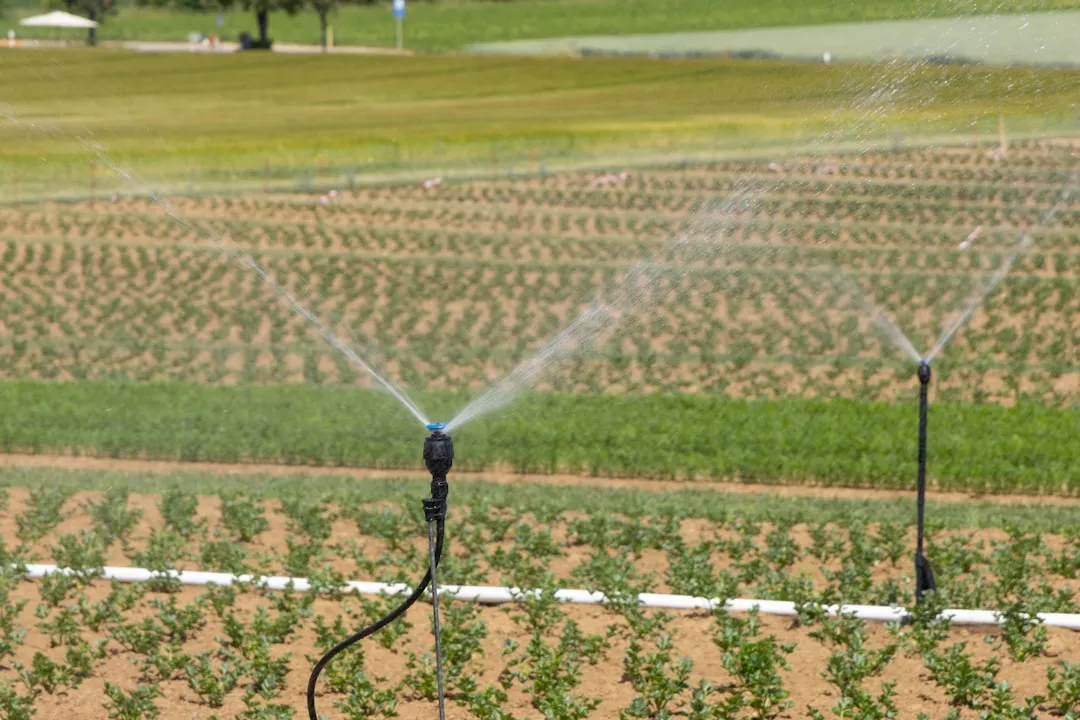
Many homeowners regularly run their irrigation systems and assume that every part of the lawn is receiving enough water. Unfortunately, sprinkler coverage is rarely perfect. Some areas may receive plenty of water while others stay dry.
Try placing several empty tuna cans around your lawn while your irrigation system runs. If some cans collect significantly less water than others, you’ve found your problem. It’s a simple test that regularly surprises people.
Adjust sprinkler heads, repair damaged irrigation equipment, and aim for around 1 to 1.5 inches of water per week, including rainfall. Deep watering encourages roots to grow deeper and improves drought resistance.
Extreme Heat Is Outpacing Your Irrigation

Sometimes your lawn is receiving enough water, but the weather is simply asking too much of it. During extreme heat, turfgrass loses moisture faster than roots can replace it. Even healthy lawns can temporarily turn brown during prolonged heatwaves.
High air temperatures and prolonged exposure to temperatures above 85°F (29°C) can cause heat stress in many types of turfgrass. At that point, watering more doesn’t necessarily solve anything; the grass is physically unable to keep up.
Watering early in the morning allows grass to absorb moisture before the heat of the day increases evaporation. During hot weather, keeping grass longer at 3 to 4 inches provides shade for the soil and reduces water loss. Both adjustments cost nothing and make a measurable difference.
Fungal Disease Is Spreading Beneath the Surface
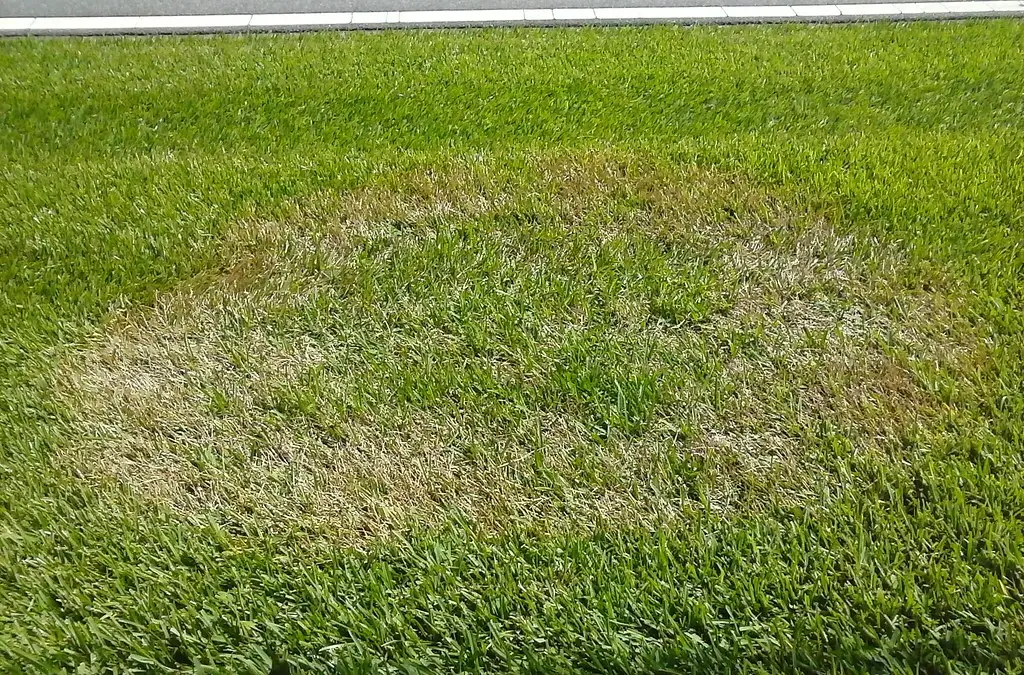
One common reason for brown patches is fungal disease, which affects even well-maintained lawns. Fungi such as Rhizoctonia Solani thrive in hot and humid conditions, leading to unsightly brown patches.
Fungal diseases like brown patch and dollar spot are more common during hot, humid weather. These problems often show up as circular, straw-colored, or expanding patches across the lawn. The circular shape is an important visual clue that separates fungal damage from drought stress, which tends to be more diffuse.
Overly soggy or swampy soil that pools water is a clear indicator of overwatering. This often leads to conditions conducive to fungal growth and root diseases. Ironically, too much water can directly encourage the very diseases that turn grass brown.
Grubs and Insects Are Eating the Roots
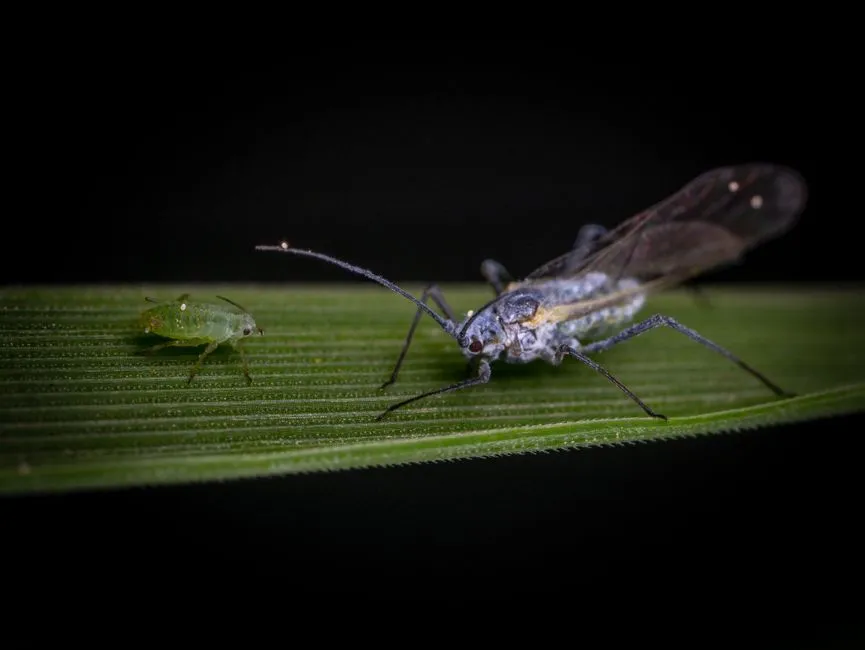
White grubs feed on the grass roots in the late and early summer months. This stresses the turfgrass by reducing its ability to absorb water from the soil and causes patches of grass to turn yellow or brown. Since the damage happens underground, it’s easily mistaken for drought.
The best way to identify grub damage is the “tug test.” Because grubs feed on the roots, affected areas will no longer be secured to the soil and can be easily pulled up like a carpet. If you can pull sections of your lawn up like a carpet, you likely have an infestation.
Chinch bugs are equally deceptive. Because chinch bugs tend to be most active in sunny and dry areas of the lawn, the pattern of injury may look like drought stress. However, after irrigation or rain, turf that went into dormancy during dry weather will green up again, while chinch bug-damaged turf will remain brown because it is dead. That persistence after watering is the key tell.
Poor Soil pH Is Starving the Grass
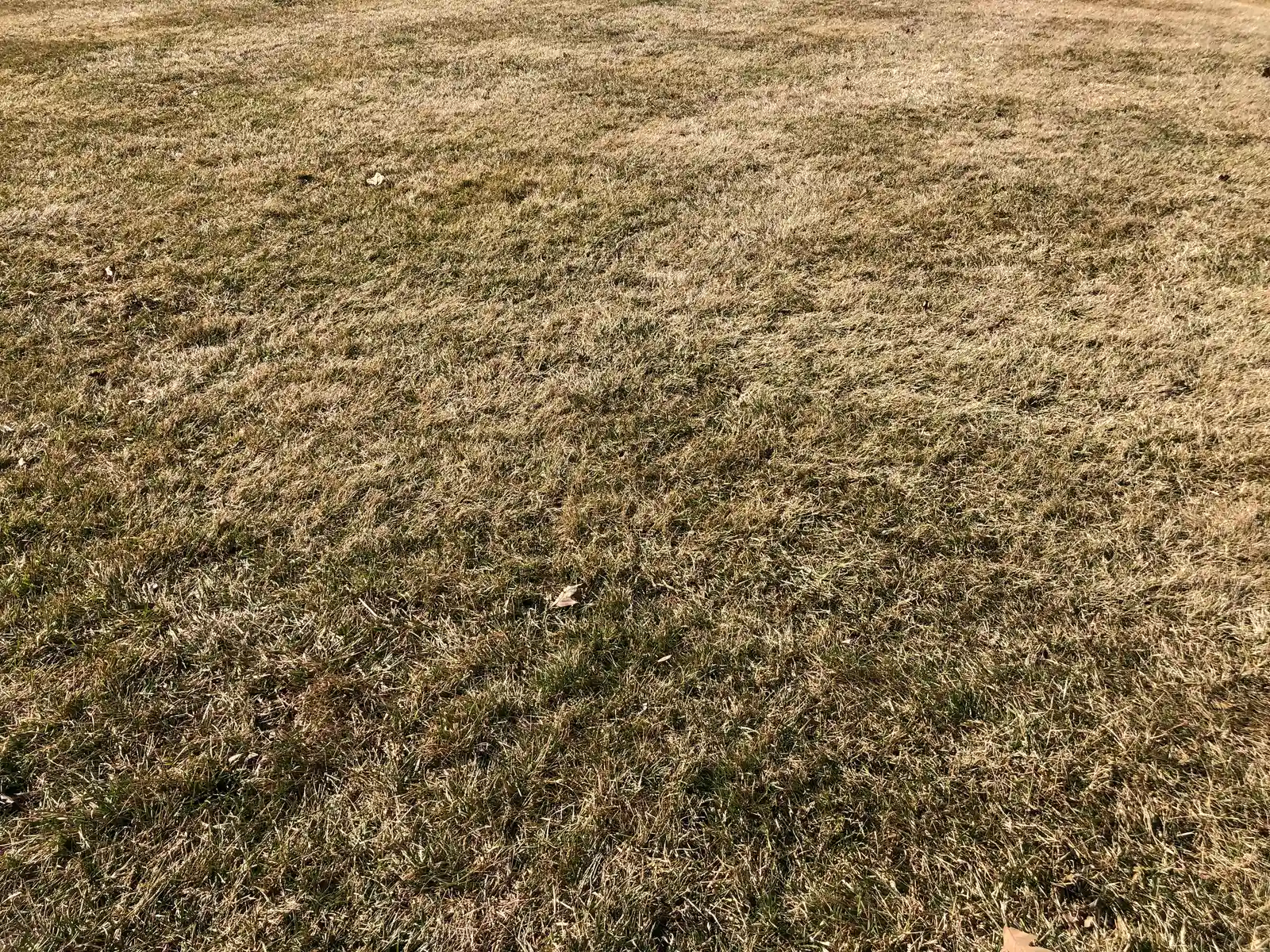
Soil with an imbalanced pH level, either too acidic or too alkaline, can hinder nutrient absorption by the grass. This can result in the grass turning brown due to nutrient deficiencies. The grass may look watered but is effectively malnourished.
When pH is too acidic or alkaline, grass cannot absorb nutrients properly. Most lawns thrive with pH between 6.0 and 7.0. Outside that range, grass progressively weakens.
A lack of nitrogen, iron, magnesium, or potassium can cause the grass to pale, yellow, or brown. A simple soil test, available at most garden centers, will reveal these imbalances quickly and tell you exactly what amendment your lawn needs.
Thatch Buildup Is Acting Like a Wall
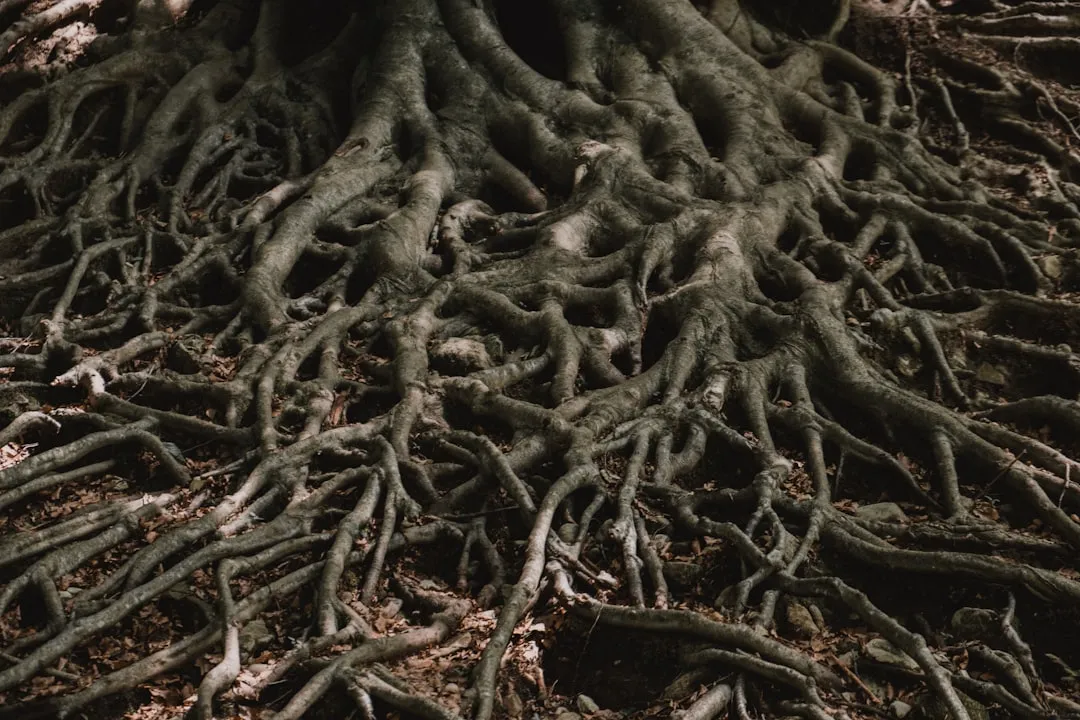
Thatch buildup is a squishy layer of decomposing roots and stems that sits between living grass and soil. When it accumulates beyond half an inch, water runs off instead of soaking in, and disease organisms multiply underneath.
This is one of the sneakier causes of brown lawns. The sprinkler runs, the surface looks wet, but the water never actually reaches the root zone because it’s deflected by the thatch layer. Cutting a small plug and measuring the spongy brown layer between green blades and soil is a useful diagnostic. More than half an inch can block water and fertilizer.
Dethatching in early fall or spring, depending on your grass type, removes that barrier and lets your irrigation actually do its job. It’s a step that surprisingly few homeowners take regularly.
Mowing Too Short Is Scalping the Lawn
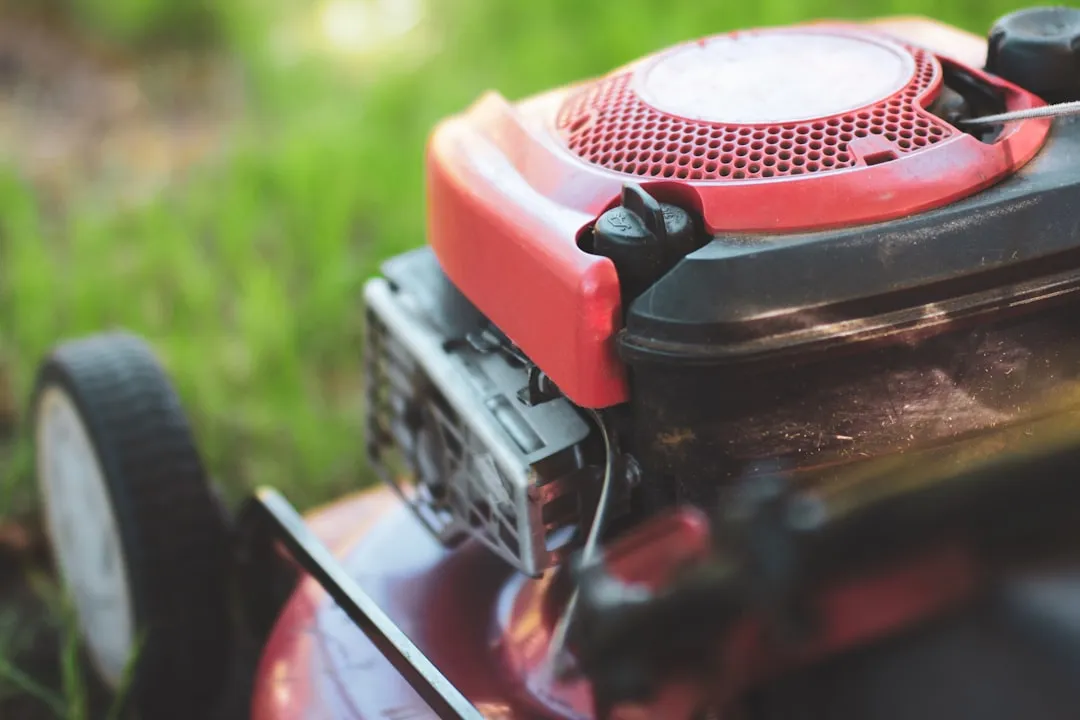
Scalping a lawn can weaken the grass, expose the soil, and make it more difficult for the lawn to cope with heat and dry conditions. It can also create opportunities for weeds to establish themselves in thin or stressed areas.
Incorrect mowing practices, such as cutting the grass too short or using a dull mower blade, can stress the grass and cause it to turn brown. It’s essential to mow at the right height and with sharp blades to maintain a healthy lawn.
Dull mower blades tear grass, making it more prone to stress and disease. Only cut about one third of the grass blades’ height each session. Following this one simple rule prevents a substantial share of summer browning that gets wrongly blamed on drought.
Overwatering Is Drowning the Roots
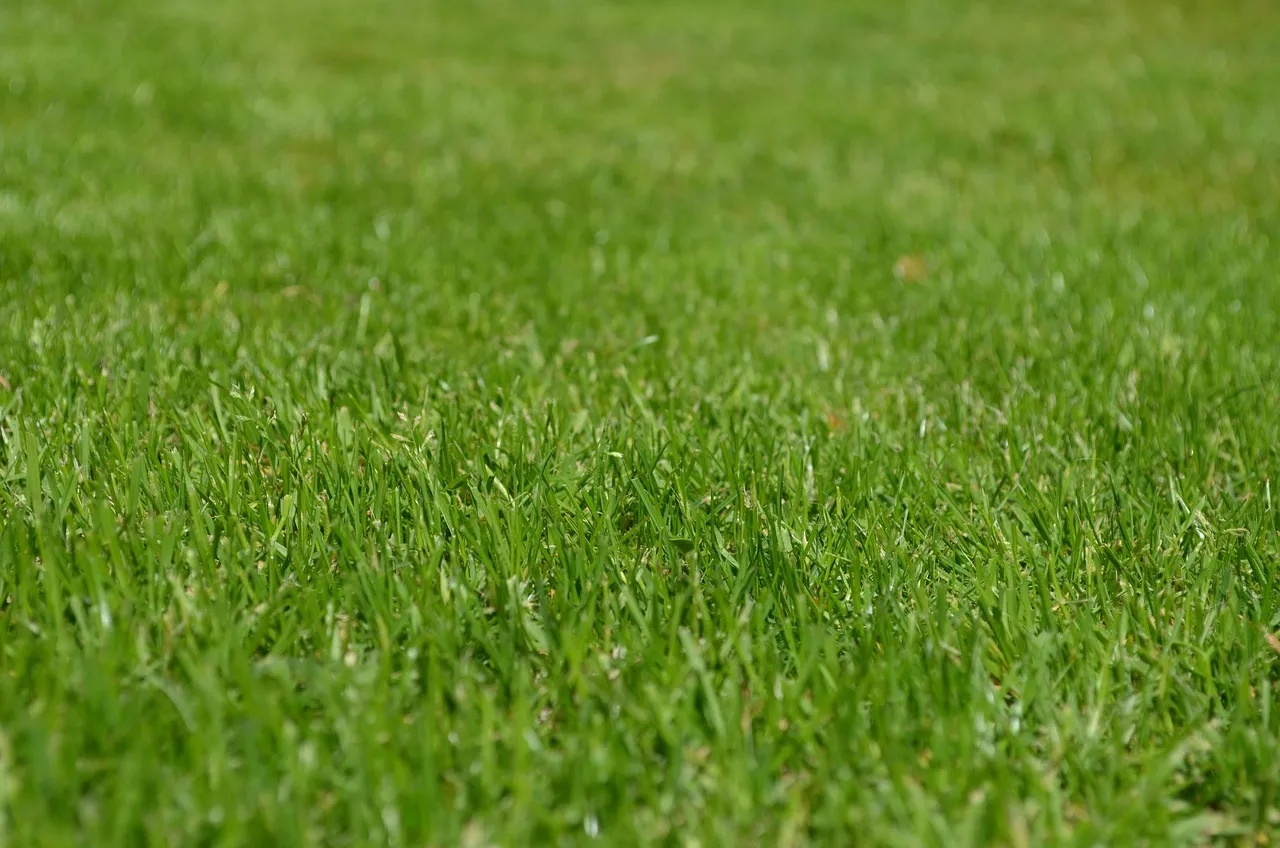
Believe it or not, overwatering can create many of the same symptoms as underwatering. Constantly saturated soil prevents roots from accessing oxygen. As roots weaken, the grass struggles to absorb nutrients and water efficiently.
Overwatering or poor drainage can cause excess water to remain on the surface and internally, suffocating grass roots and leading to browning. Grass may recover if drainage is improved and watering is reduced.
Watering excessively in the heat can cause shallow root growth, fungus problems, and wasted water. Instead, water deeply and infrequently, about 1 inch per week. Deep, infrequent watering consistently outperforms frequent light sprinkling for long-term lawn health.
The Pattern of Browning Tells You the Story
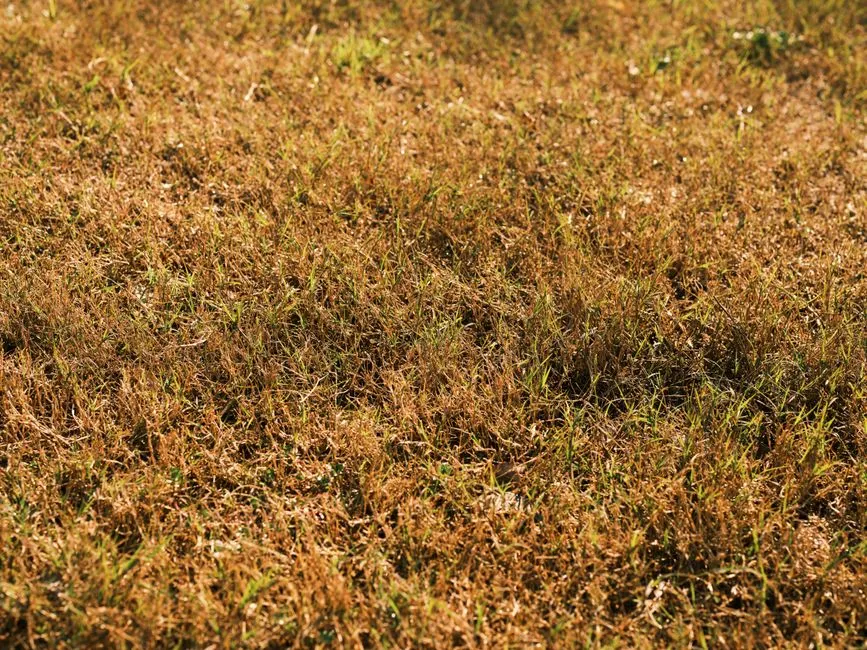
Before grabbing the hose or calling a landscaper, spend a few minutes looking at how the brown areas are distributed. Dead grass typically appears in irregular patches, whereas dormancy usually affects the lawn more uniformly across the entire area. The shape and spread of the damage are your first diagnostic clues.
Your lawn can start showing heat stress symptoms within days, well before it turns fully brown. Blades that are usually vibrant green begin to look dull gray-green or take on a bluish tinge, indicating dehydration. Catching these early signals gives you time to act before full browning sets in.
Brown grass does not always mean your lawn is beyond repair. In many cases, improving irrigation performance, strengthening soil health, and addressing underlying stress factors can restore turf appearance and long-term vitality. The key is identifying the actual cause rather than defaulting to more water every time.
What to Do First

A brown lawn rarely has just one cause, but the diagnostic process doesn’t need to be complicated. Start with a soil test to check pH and nutrient levels. Then walk the lawn after your irrigation runs and press a screwdriver into the ground to check for compaction. Look closely at the brown areas for circular patterns, a carpet-like looseness, or signs of insect activity near the soil surface.
To check whether water is reaching the root zone, push a screwdriver or soil probe into the lawn after watering. Moisture should reach about 4 to 6 inches deep for stronger summer root growth. If it doesn’t reach that depth, your watering technique, soil condition, or thatch layer is part of the problem.
Most lawn problems are fixable once you know what you’re actually dealing with. The instinct to water more is understandable, but it’s often the wrong first move. Understanding what’s truly happening underground is what separates a lawn that recovers from one that keeps declining summer after summer.
AI Disclaimer: This article was created with the assistance of AI tools and reviewed by a human editor.