
Most gardeners know that pruning matters. Fewer realize just how much the calendar matters. A single cut made at the wrong moment can erase months of growth, cancel an entire flower display, or open a tree up to a disease it may never recover from.
Pruning at the wrong time of year can, at the minimum, cause you to miss spring blooms and, at the very worst, cause damage, disease, or even death of your plant. That’s not a small consequence for what feels like routine garden maintenance.
Plants Run on Their Own Internal Clock
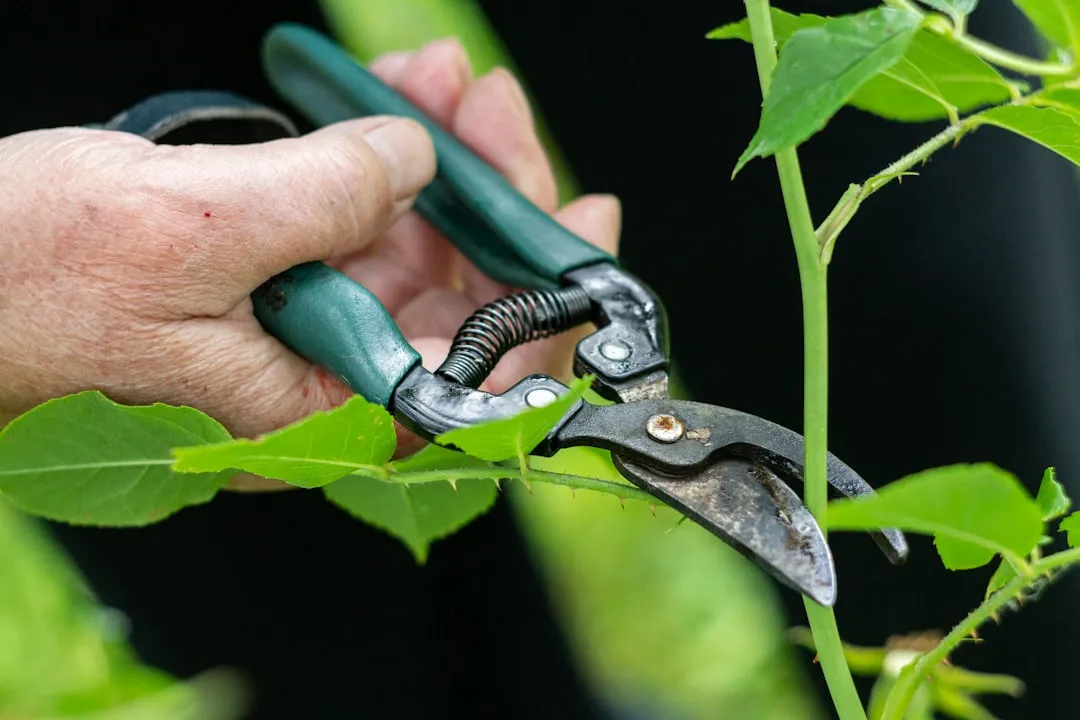
Plants have a natural rhythm, responding to seasons, light changes, and temperature shifts. Pruning at the wrong time can disrupt this balance, leading to poor recovery, reduced flowering, and even increased vulnerability to pests and disease.
Pruning is not just about shaping a plant to look tidy. It influences how a plant grows, where it directs its energy, and even how it defends itself against pests and infections. Every snip sends a ripple through the plant’s internal system, affecting hormones, nutrient flow, and metabolism.
Many plants follow specific growth cycles, and cutting them back at the wrong moment interrupts everything from leaf production to flowering. Early pruning can remove developing buds before they ever get the chance to bloom, while late pruning can force plants into a growth phase when they should conserve energy.
The Case for Late Winter Pruning
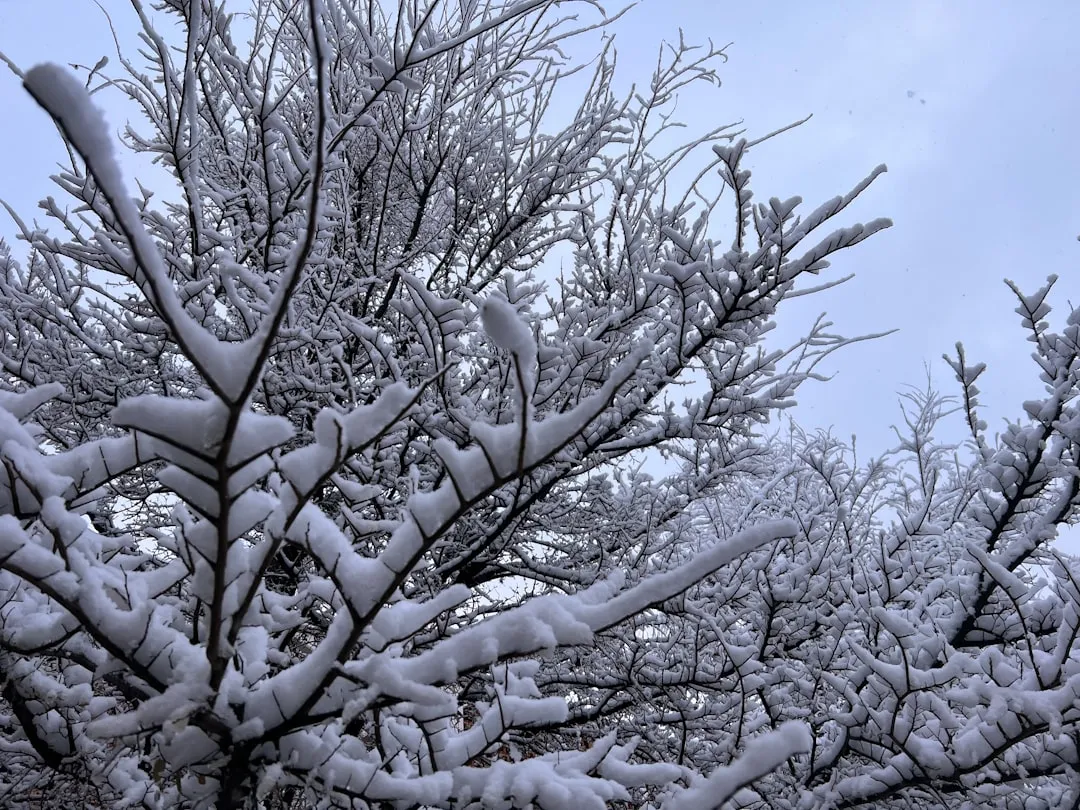
The best time of year for pruning most landscape trees and shrubs is during the dormant season, which is late winter to early spring. Dormant-season pruning is beneficial because it reduces the risk of pest and disease issues affecting the pruning cuts, which are wounds that can allow entry of disease-causing organisms.
Among the benefits: wounds heal quickly because the tree is not actively growing, preventing disease and insect infestation. There is less sap flow, so pruning wounds are cleaner. Bleeding sap is messy and attracts pests.
Pruning during late winter through early spring is desired because this is just before a period of rapid growth. The wound resulting from the cut will begin to seal, or heal over quickly. Timing, in this context, is really a form of injury management.
Why Fall Pruning Is Often a Costly Mistake
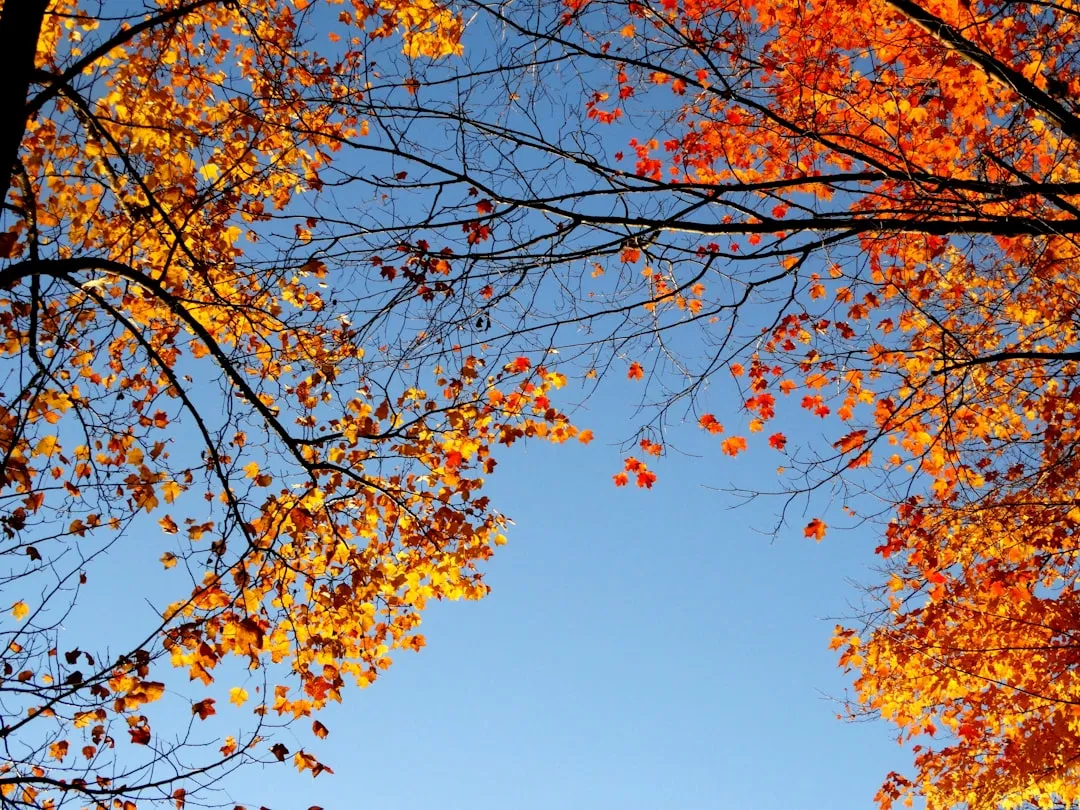
Rarely, if ever, should you prune a tree in the fall, especially the early fall. The tree will respond with new growth that is vulnerable to drops in temperature.
Pruning branches can signal the plants to throw new growth, pulling resources in the wrong direction. This new growth will often be tender and prone to frost and cold damage as we head into winter.
This is one of the more counterintuitive problems in gardening. A tidy autumn cut feels productive. What it actually does is spend the plant’s stored energy on growth it cannot sustain. By the time weak growth, fewer blooms, or disappointing yields show up, the mistake already locked itself in weeks earlier.
Spring Bloomers: The One-Shot Window

Spring flowering shrubs such as lilac and forsythia bloom on the previous season’s growth and should be pruned within two weeks after flowering. Pruning at any other time will reduce or eliminate the flower display.
Spring-flowering shrubs such as forsythia and lilac bloom on previous season growth, so the best time to prune spring-flowering shrubs is immediately after blooming. Timing the pruning after blooming for these shrubs allows for enjoyment of the spring flower display and gives the plant adequate time to produce new flowering buds for next year.
By autumn, those buds are already set. If you prune in fall or winter, you’ll be trimming off next spring’s flowers. One missed window and the bloom display is gone entirely for the year.
The Hydrangea Problem: Old Wood vs. New Wood

Hydrangeas are where timing mistakes are felt most acutely by home gardeners. The plant itself is forgiving in many ways. Pruning timing is not.
Hydrangeas form flower buds in different ways. They fall into three categories: old wood, where flower buds form in late summer or fall and bloom the following year, and new wood, where buds form on fresh spring growth and bloom the same year.
Several popular garden shrubs bloom on old wood. These include bigleaf hydrangeas, oakleaf hydrangeas, lilacs, azaleas, viburnums, and forsythia. Because their buds form the year before, pruning at the wrong time is a common reason these plants fail to bloom.
Prune at the wrong time, cut in the wrong spot, or grab your shears out of habit rather than necessity, and you could be erasing an entire summer of flowers without even knowing it.
Oak Wilt: When Timing Becomes a Matter of Tree Survival
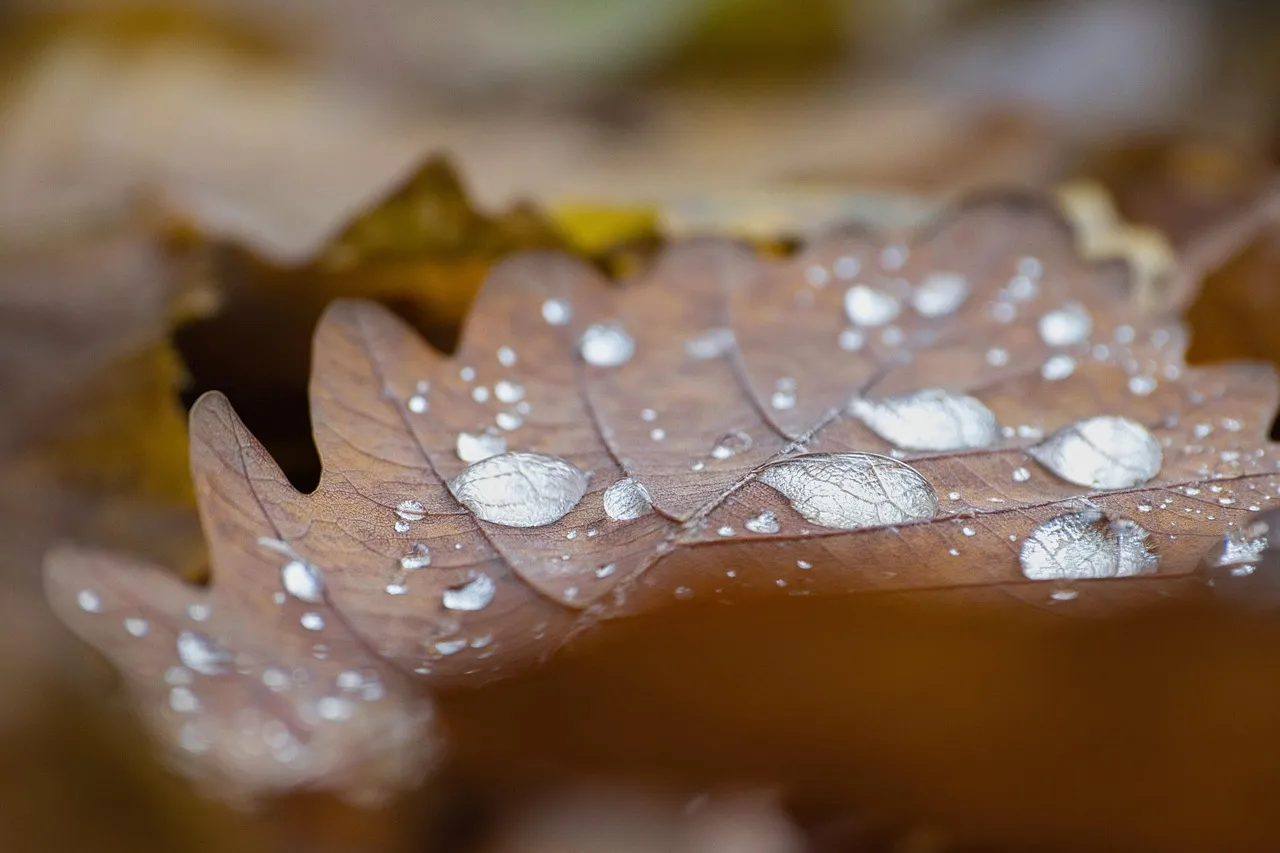
For oak trees, the stakes go well beyond a missed bloom season. The wrong pruning window can introduce a disease that kills a tree in weeks.
Oaks should not be pruned between mid-April and mid-October. Fresh wounds made during the growing season can attract the beetles that transport oak wilt spores. These beetles are most active during the growing season.
Oak wilt is one of the deadliest tree diseases in the United States, killing millions of trees across 76 counties of Texas. Red oaks are most susceptible and can die in as little as one month after being infected.
It is often the case with new oak wilt sites that, for example, eight or thirteen trees were pruned in the spring and all eight or thirteen trees are losing leaves and dying. The connection between spring pruning timing and tree loss is that direct.
Fruit Trees Respond Hard to Timing Errors
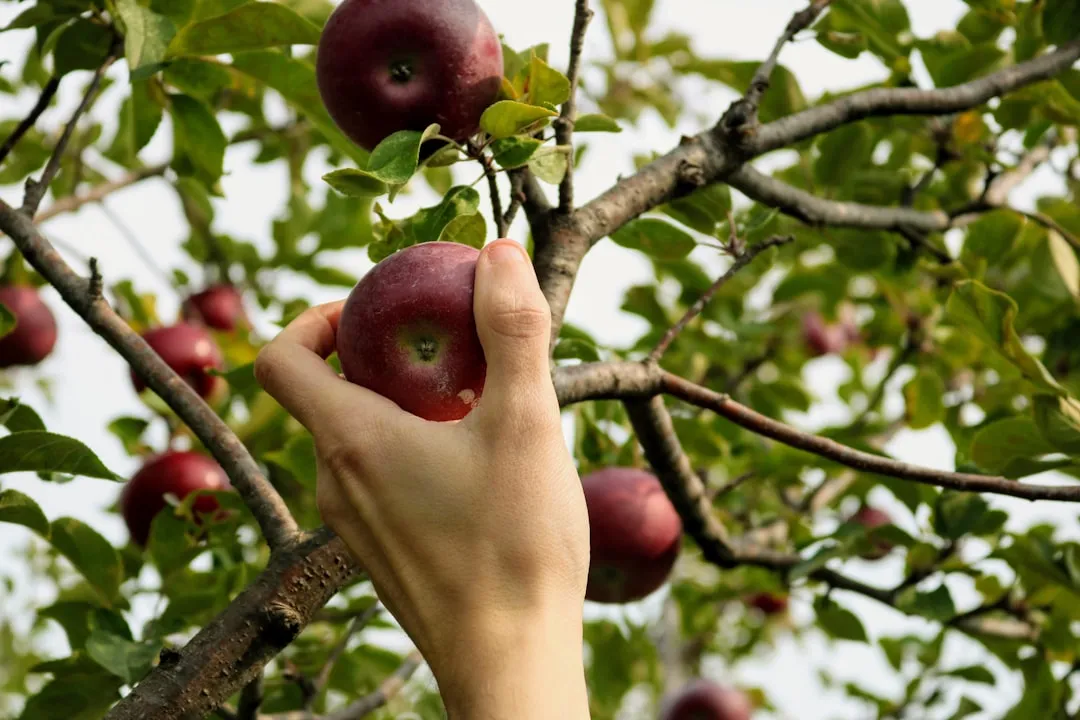
Fruit trees, especially, react strongly to timing mistakes because their buds form months before harvest season. A poorly timed cut can wipe out a significant portion of future fruit without any visible warning.
Fruit trees like apples and peaches benefit from dormant pruning in winter, while citrus trees may suffer from heavy winter pruning. Knowing the species matters as much as knowing the season.
Early pruning can remove developing buds before they ever get the chance to bloom, while late pruning can force plants into a growth phase when they should conserve energy. That mismatch leads to weaker stems, delayed fruiting, and a noticeable drop in overall yield.
The “One Rule Fits All” Trap
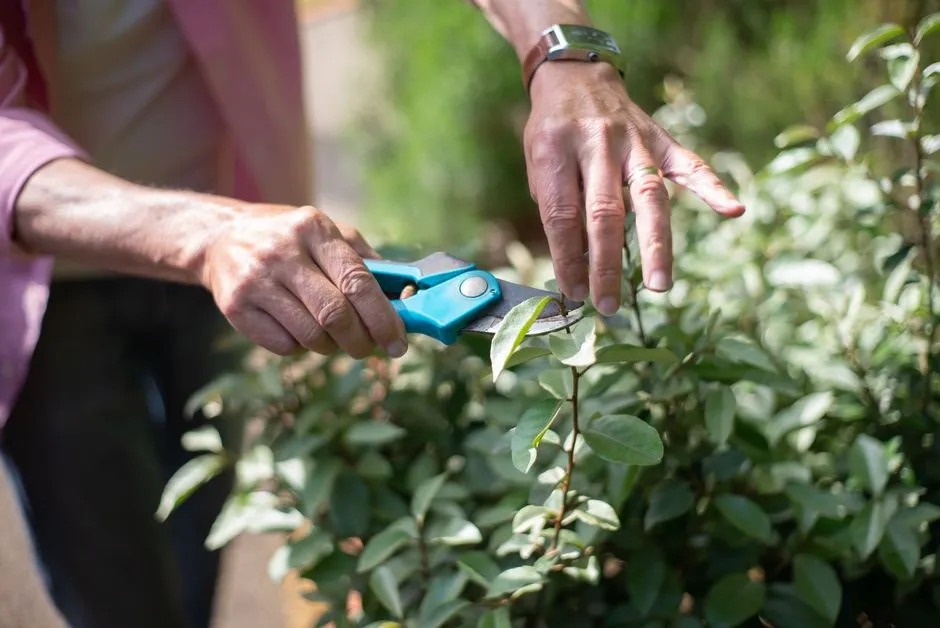
One of the most common errors gardeners make is treating all plants on the same pruning schedule. It feels efficient. It isn’t.
There’s no one, catch-all way to prune all plants. You’ll need to prune at different times of year and in different ways, depending on what plants you’re growing, how you’re growing them, and what you want from them.
Not all plants respond to pruning the same way. Treating all plants with a uniform pruning schedule can harm their development and reduce harvests.
Summer-flowering shrubs, such as hydrangeas, bloom on old wood, so pruning in spring can remove flower buds. Tomato plants respond better to pinching and selective pruning during growth rather than dormant pruning. The variables are real and consequential.
How Improper Cuts Invite Disease and Pests
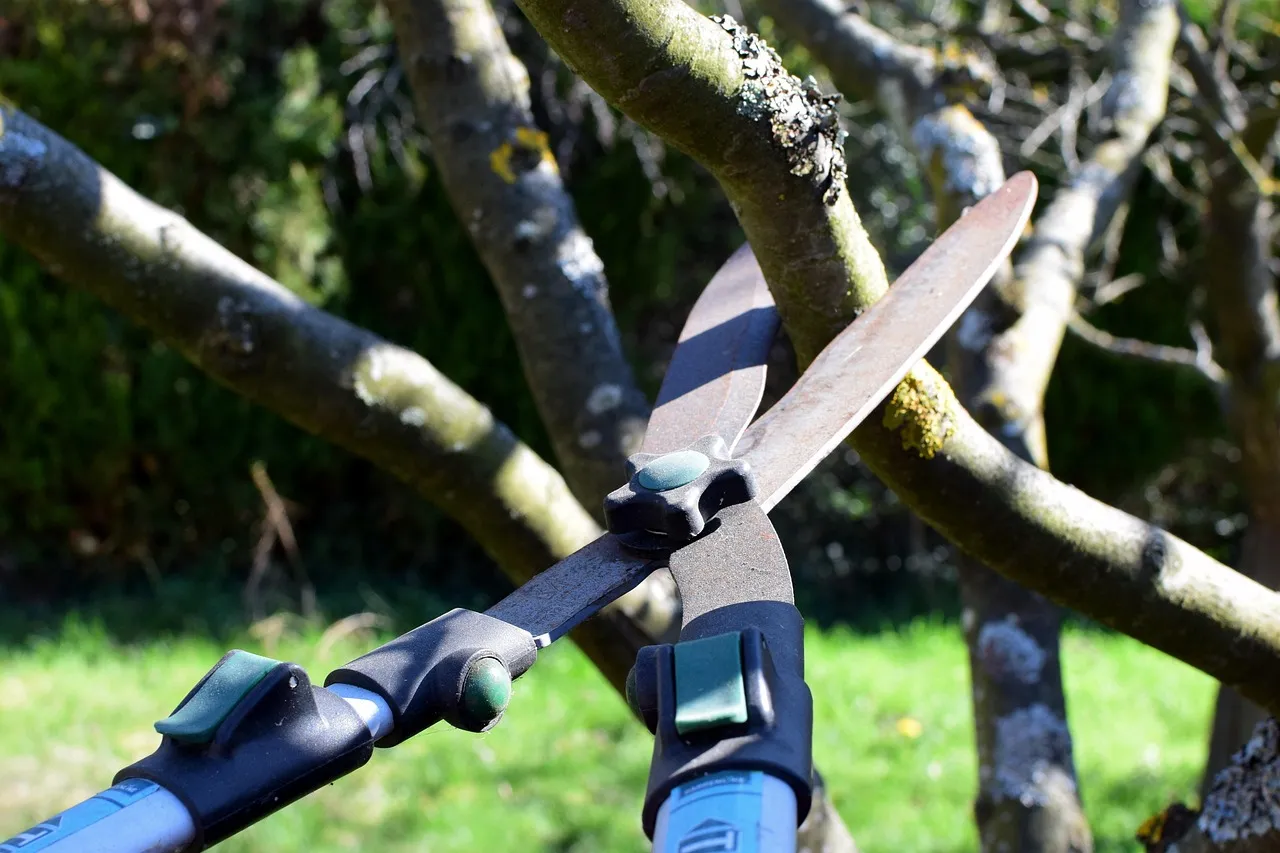
Timing isn’t the only dimension. Where and how you cut interacts directly with when you cut, especially when it comes to disease entry.
It is important to know that detrimental diseases can easily be spread if trees and shrubs are pruned at the wrong time of the year.
Cherry and plum trees, for example, are susceptible to silver leaf disease, and should therefore be pruned in summer when the risk of infection is reduced. There is a lower risk of transmitting disease compared to pruning during the active growing season.
Sap beetles, one of the main culprits, are extremely attracted to fresh tree wounds and to the sweet smell given off by oak wilt spore mats growing under the bark of diseased trees. Pruning healthy oaks during the growing season greatly increases the chances of insects infecting them with oak wilt.
The One Cut You Can Always Make
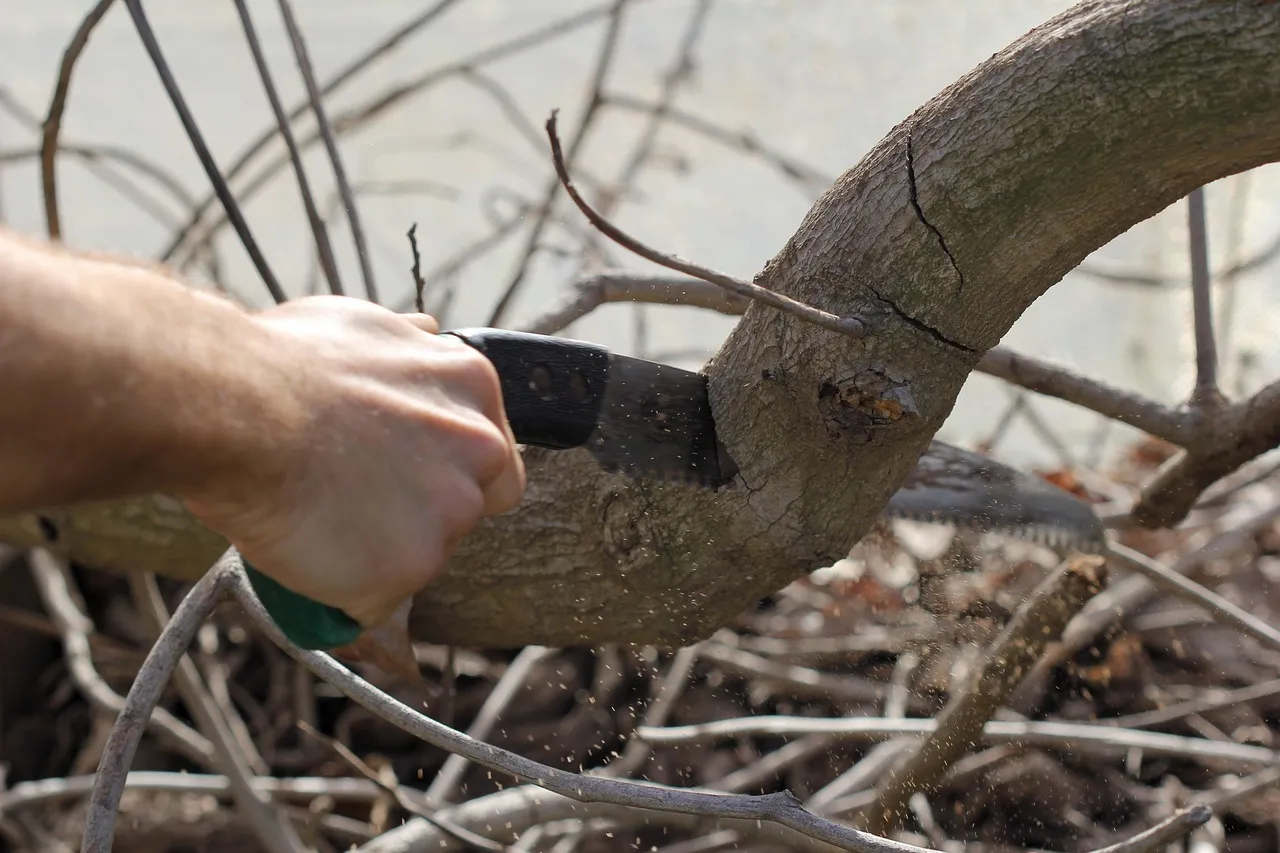
If you’re removing dead growth, then you do not need to wait for a particular time of year. There is never a bad time of year to remove dead growth, and doing so will not harm your trees.
Damaged, dead, and diseased branches can be pruned at any time of year, and should be removed as soon as possible to promote plant health.
Don’t prune more than one-third of a plant in a single season. That boundary applies year-round. Dead removal is always fair. Structural or aesthetic pruning needs a calendar.
How to Get the Timing Right, Plant by Plant
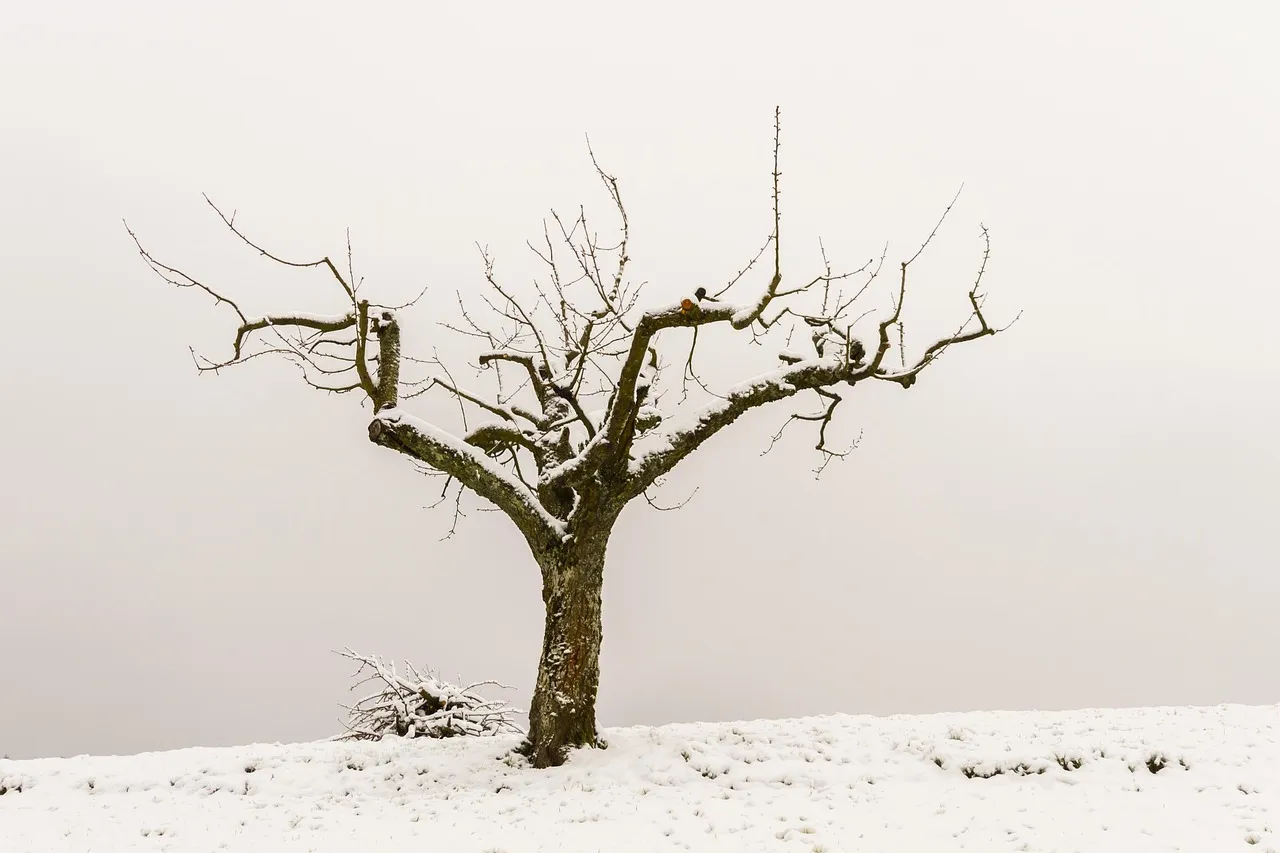
Most trees should be pruned during the late dormant season, from February through March. When pruned in late winter, the walling-off or compartmentalization of wounds can begin immediately with the onset of growth in spring.
The best time to prune spring-blooming shrubs is right after the spring blooms fade. Prune evergreen shrubs such as yew, holly, and boxwoods, and evergreen trees such as spruce and fir, in late winter or early spring when they are still dormant and before new growth begins.
The golden rule: prune right after flowering. This gives the plant the rest of the season to grow fresh stems that will ripen and bear buds for next year. For most gardeners, that single principle solves the majority of timing problems before they start.
The Takeaway
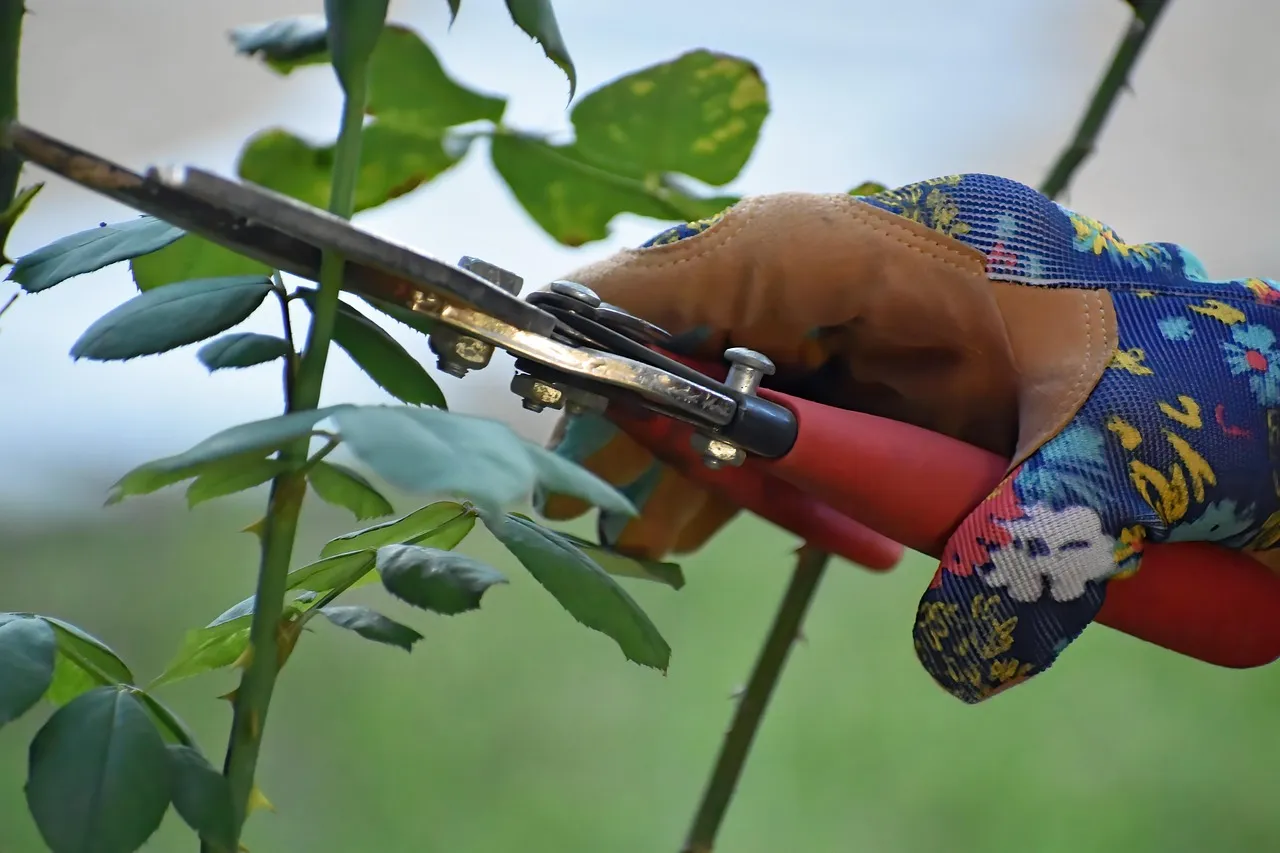
Pruning is fundamentally about recovery. A plant that’s cut at the right time uses that wound as a launching point for stronger growth. A plant cut at the wrong time spends the season managing damage instead.
Pruning at the proper time can ensure healthy, productive, attractive plants. The knowledge is well-established and freely available. The gap is usually between knowing the rule and actually applying it before picking up the shears.
The season you protect by waiting a few weeks is often the same one you’d spend an entire year trying to get back.
AI Disclaimer: This article was created with the assistance of AI tools and reviewed by a human editor.