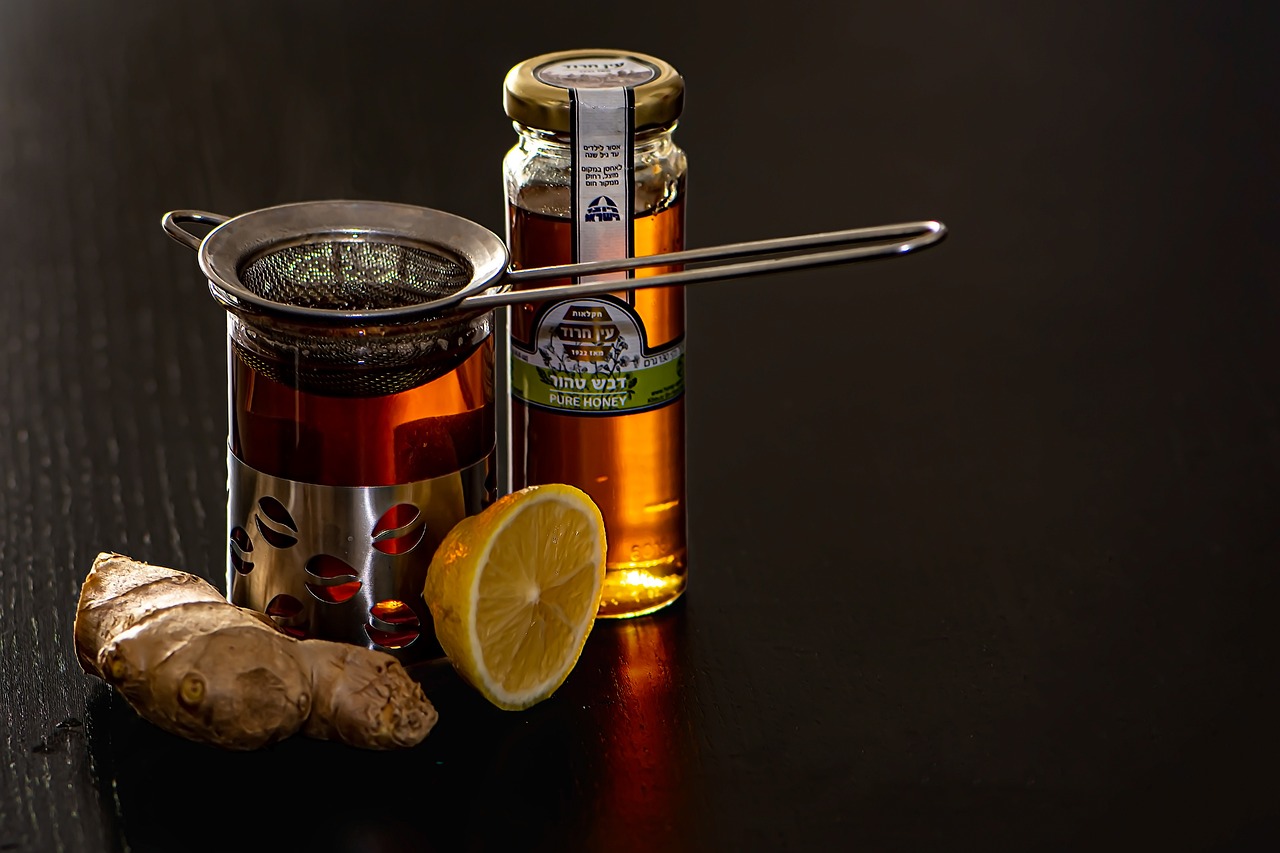

For most of the 20th century, the medical establishment had a fairly clear view of kitchen remedies: interesting, perhaps comforting, but not real medicine. A spoonful of honey for a cough, garlic for infection, ginger for an upset stomach. These were dismissed as folk tradition, the stuff of grandmothers and old recipe books.
That dismissal is quietly reversing. Peer-reviewed journals are now publishing meta-analyses and randomized controlled trials that revisit some of the oldest remedies humans have ever used. The results are not unanimous, and nobody is replacing antibiotics with onion broth. Still, the evidence base for several traditional remedies has grown significantly between 2024 and 2026, and that shift is worth paying attention to.
Honey: From Kitchen Staple to Clinical Tool
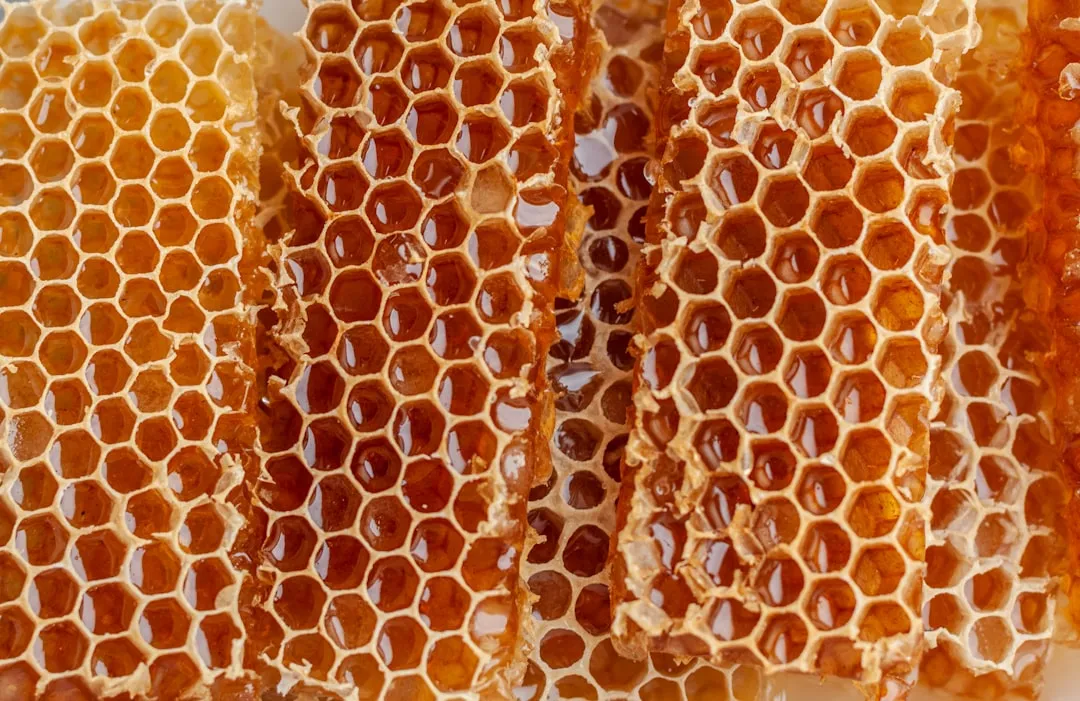
Honey may be the single most studied traditional remedy of the past decade. Used for centuries due to its health-promoting properties, honey and its bioactive compounds have been shown to regulate oxidative stress and inflammation, making it a promising natural remedy in current research. What surprised researchers most is the wound-healing angle.
Honey contributes to wound healing by suppressing protease activity, which lowers pH and helps preserve growth factors and extracellular matrix integrity, both essential for tissue repair. Honey-based dressings are now being used in clinical wound care settings, not as an alternative to medicine, but as part of it.
Evidence from in vitro, in vivo, and clinical studies suggests that honey and bee products influence cytokine production, regulate immune cell activity, and mitigate oxidative stress, making them potential therapeutic agents for inflammatory and immune-related disorders. That is a long way from grandmother’s pantry shelf.
Honey and Blood Sugar: A More Nuanced Picture
For years, people with diabetes were told to avoid honey entirely. That advice is now being refined. The science on honey and diabetes has moved past binary “avoid all sweeteners” advice, with a 2025 meta-analysis of 69 randomized controlled trials providing the strongest evidence to date that small amounts of honey, specifically raw, unprocessed honey at or below 10 grams per day, may modestly improve blood sugar markers rather than harm them.
A 2025 meta-analysis of 69 randomized controlled trials found that up to 10 grams per day of honey reduced HbA1c levels, but larger amounts did not produce the same benefit. This is a detail that matters: the dosage, the type of honey, and whether it is raw or processed all appear to affect the outcome.
Ginger: 2,000 Years of Use, and the Lab Is Catching Up
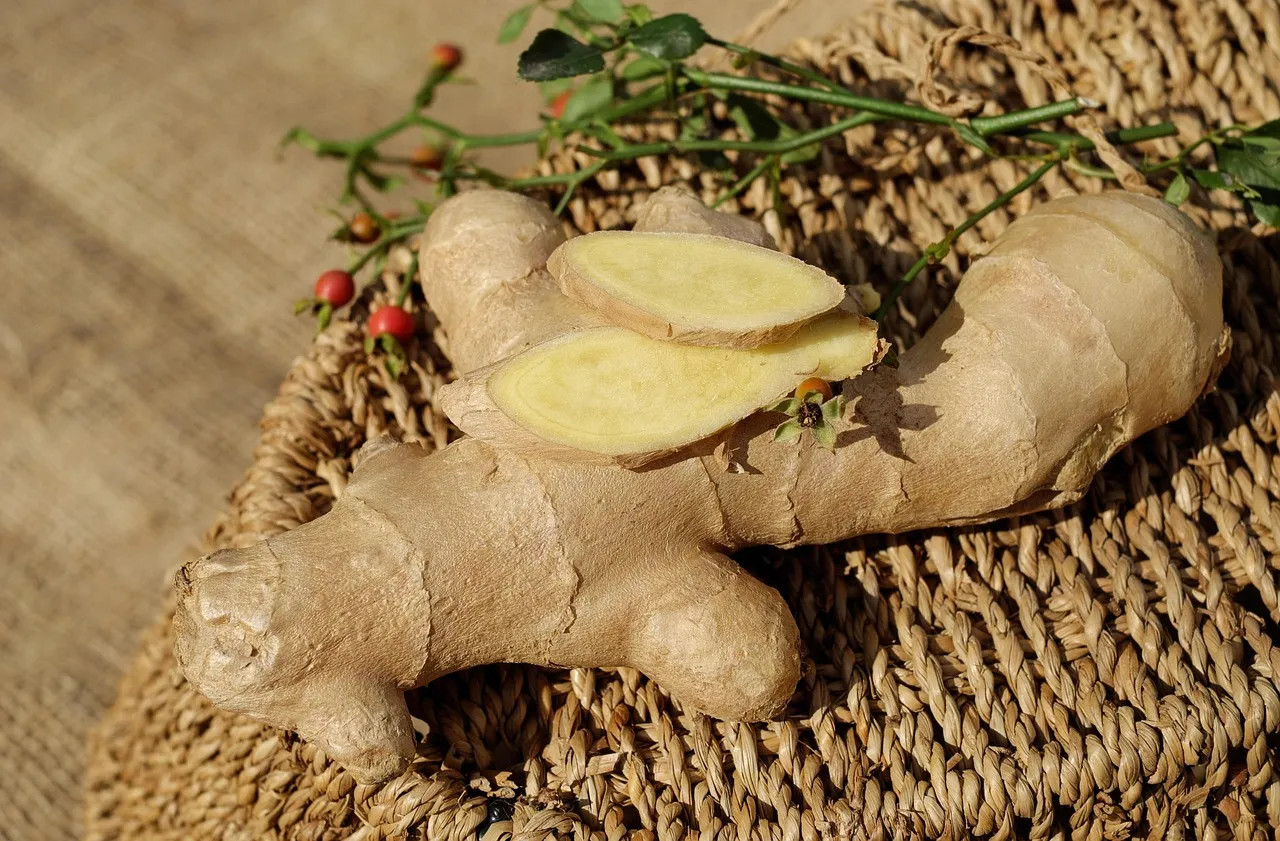
Ginger has been used medicinally for roughly 2,000 years. Ethnomedical documentation shows over 2,000 years of use for nausea, inflammation, and cardiovascular disorders. What is notable in 2025 and 2026 is how many modern meta-analyses are validating those uses with controlled data.
Ginger has been investigated for antimicrobial, antiviral, anticancer, antioxidant, antidiabetic, and anti-inflammatory effects attributed to its phenolic constituents. The breadth of that list once read as the hallmark of quack medicine. Increasingly, specific mechanisms are being identified and confirmed.
A May 2026 umbrella review, a July 2025 systematic review of meta-analyses, and a 2025 European Medicines Agency guideline update all confirmed and expanded ginger’s clinically recognized health applications. That represents a meaningful convergence of independent sources reaching similar conclusions.
Ginger and Turmeric Together: A Synergistic Effect
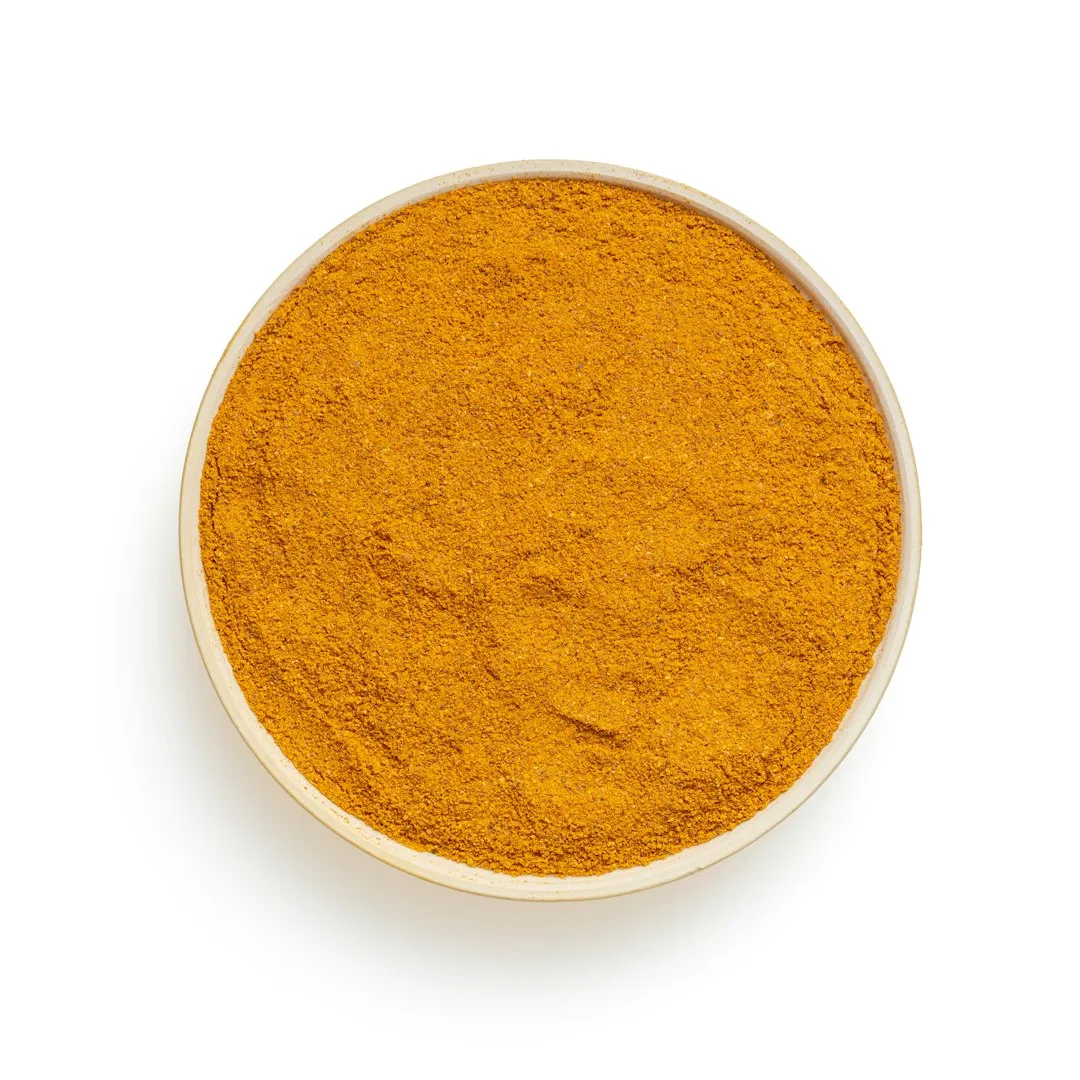
Research is increasingly looking at what happens when ginger and turmeric are combined, which is how they have appeared in traditional medicine for centuries anyway. Compounds including 6-shogaol, 10-shogaol, and curcumin were the leading contributors to reducing major proinflammatory mediators and cytokines, with scientific evidence supporting the combined use of ginger and turmeric to alleviate inflammatory processes.
The anti-inflammatory mechanistic actions of ginger and turmeric involve many common signaling pathways and molecular targets, including Nrf2 activation. Nrf2 is a protein that regulates the expression of antioxidant enzymes, and its activation is an active area of research in fields ranging from aging to metabolic disease.
Garlic: The Compound That Really Does Fight Bacteria
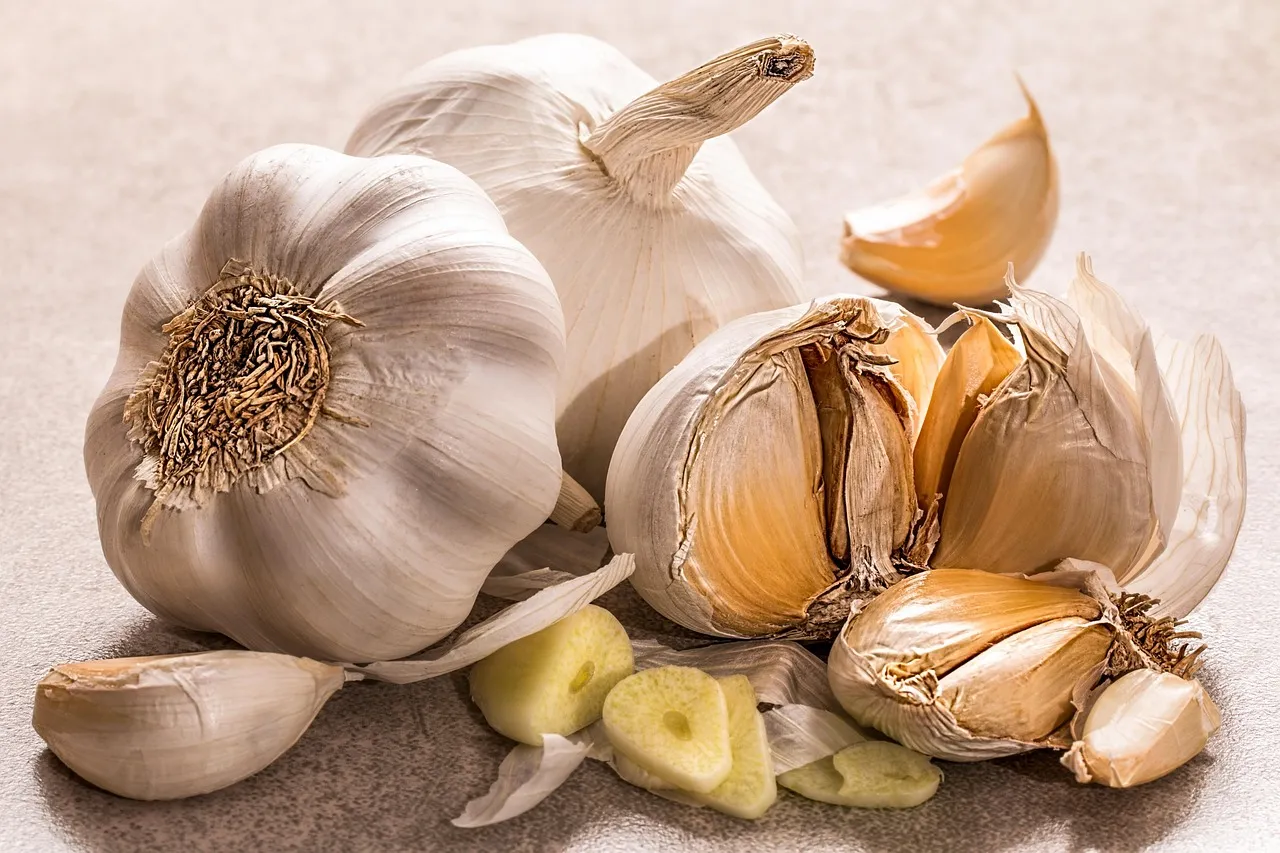
Garlic has been used as a natural antiseptic across cultures for millennia, but for a long time that claim was treated as colorful folklore. More recent laboratory work has given it more credibility. The major antimicrobial compound in garlic is allicin, which has been reported to have strong inhibitory activity against pathogenic microorganisms.
Ginger, turmeric, and garlic have varied inhibitory activities against diverse organisms, indicating their antimicrobial properties. The practical implications are limited in the sense that nobody should use garlic instead of prescribed antibiotics. Still, the underlying chemistry is real, and researchers are taking it seriously, particularly in the context of antibiotic resistance.
Aloe Vera: Burns, Wounds, and Actual Clinical Data
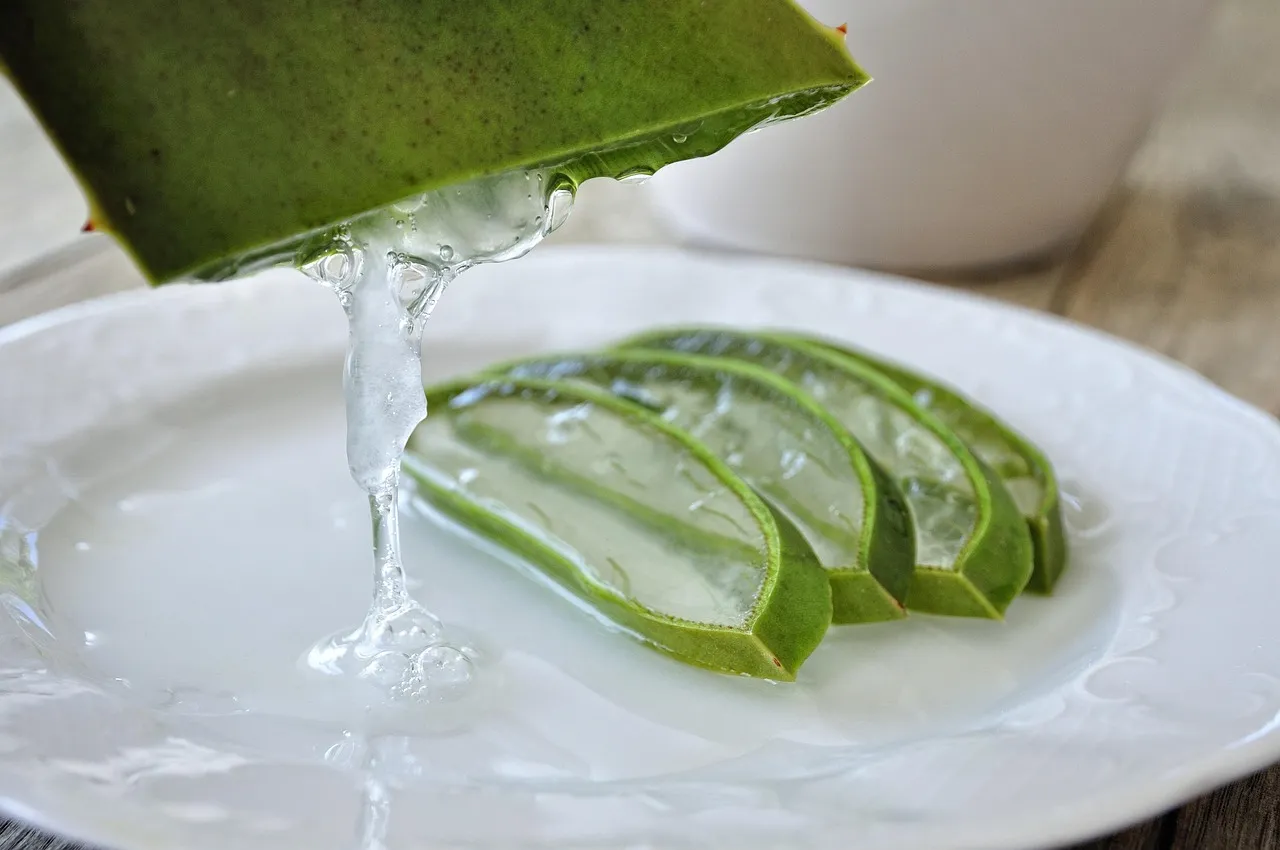
The aloe vera plant has been one of the most commonly applied home remedies for burns for generations. Most doctors historically dismissed it with a polite shrug. That is changing. A 2024 meta-analysis of nine randomized trials found aloe vera healed second-degree burns roughly 3.8 days faster than other topical treatments, with no increase in infection. That is a specific, measurable clinical outcome.
Some clinical trials have found that aloe vera had medical effects including antibacterial activity, protection against skin damage, and promotion of wound healing. Research published in the Journal of Functional Biomaterials in September 2024 further identified aloe vera’s phenolic extract as having significant anti-inflammatory properties at the cellular level.
The caveats remain important. For a small, minor burn, aloe vera might be a reasonable option, but anything deep, large, or on the face or hands belongs in a clinic. The evidence supports it as a first-response remedy, not a replacement for proper medical assessment.
Colloidal Oatmeal: The Skin Remedy That Earned Its Place on the Label
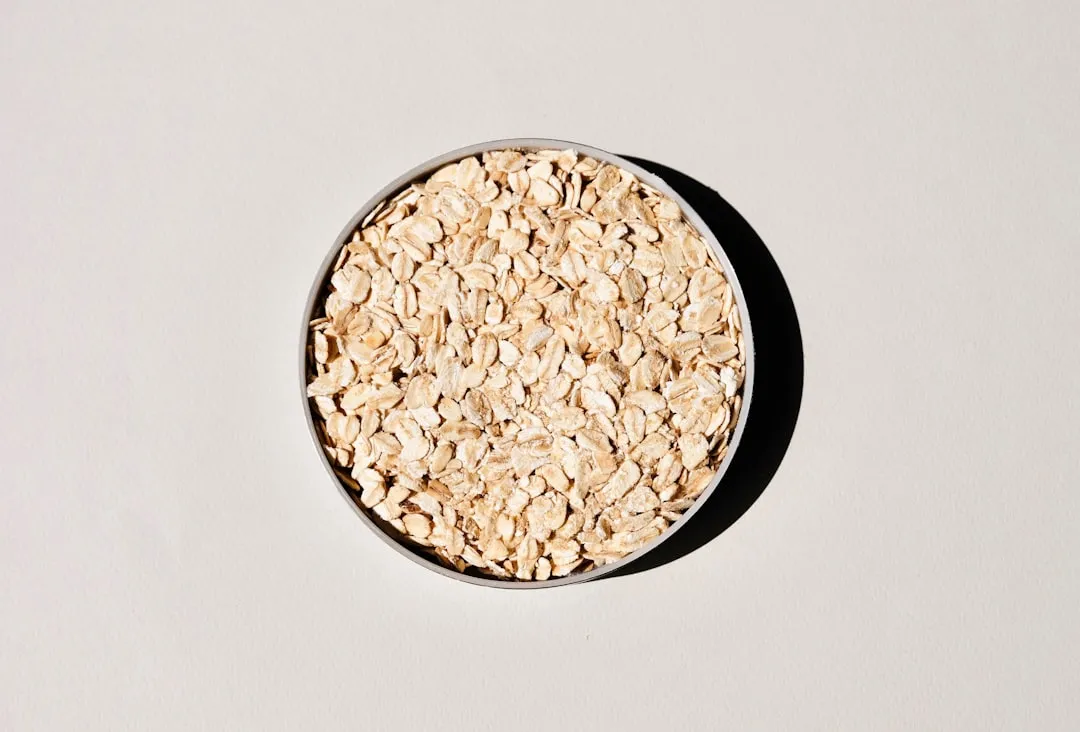
Oatmeal baths for itchy, irritated skin are a remedy so old they feel almost quaint. What is less quaint is that colloidal oatmeal now appears on the ingredient lists of dermatologist-recommended skincare products, and there is clinical reasoning behind that. In two small single-arm studies, a one percent colloidal oatmeal cream improved itch, eczema severity, skin hydration, and water loss over 14 days, and while it will not replace prescription treatment for more severe eczema, it may be a low-risk add-on for dry, itchy skin.
Colloidal oatmeal’s mechanism involves polysaccharides and lipids that form a protective barrier on the skin surface. It is not a cure for inflammatory skin conditions, but as an accessible, affordable, and low-risk option for mild symptoms, the evidence has been solid enough that it holds an approved Drug Product status with the U.S. Food and Drug Administration as a skin protectant.
Chicken Soup: The Cold Remedy That Had a Point
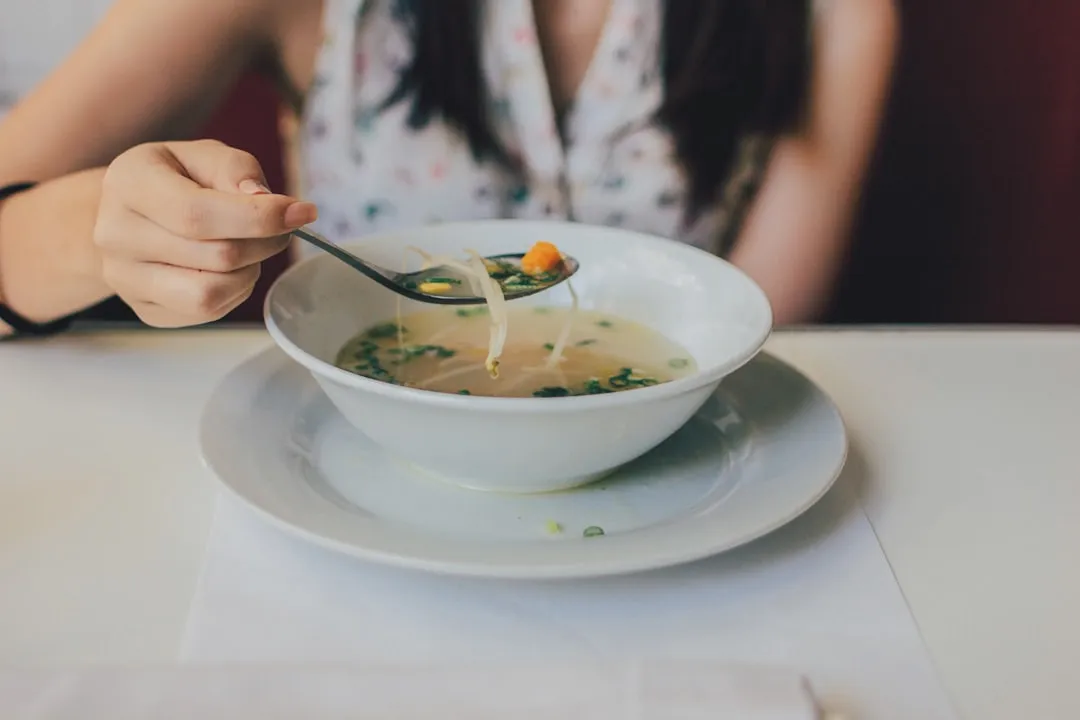
Recommending chicken soup for a cold is perhaps the most culturally embedded folk remedy in modern Western households. Chicken soup is a worldwide dish used in folk medicine to treat respiratory infections, and in ancient and medieval times, it was also used to treat more serious ailments. The instinct to dismiss it as sentimental is understandable, though the biology is more interesting than it sounds.
Published research titled “Chicken Soup Inhibits Neutrophil Chemotaxis In Vitro” appeared in the journal Chest, volume 118, issue 4, suggesting a measurable anti-inflammatory effect from the broth. Neutrophil migration plays a role in the inflammation that causes many cold symptoms, so reducing it may offer genuine symptomatic relief, even if the effect is modest.
Warm Baths Before Sleep: A Surprisingly Studied Remedy

The idea of taking a warm bath to sleep better does not sound particularly medical. It turns out the mechanism is well documented. A meta-analysis of 13 studies found that a warm bath or shower at 40 to 42.5 degrees Celsius, taken one to two hours before bed, shortened the time to fall asleep and improved sleep quality, and the mechanism is counterintuitive: warming the skin pulls heat out of the body’s core afterward, and that core temperature drop is what helps the body initiate sleep.
This is a good example of a remedy that was practiced for comfort long before anyone understood why it worked. The underlying physiology of core body temperature as a sleep trigger is established sleep science, and this tradition turns out to be a fairly efficient way to activate it without any medication at all.
Why Doctors Dismissed These Remedies for So Long
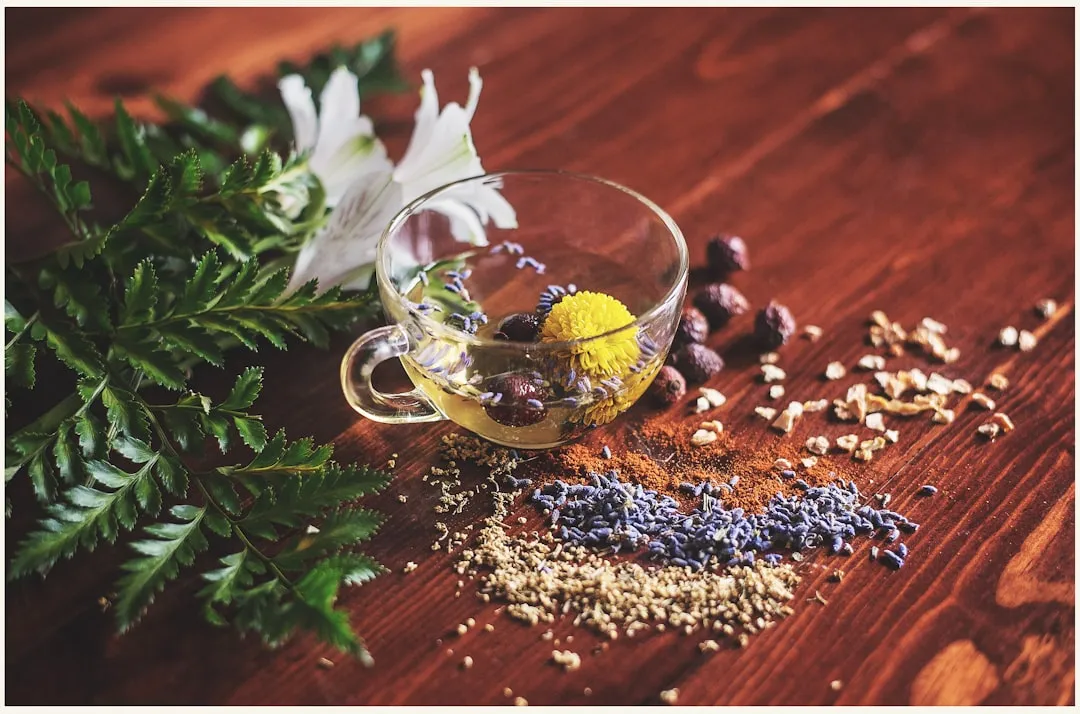
Home remedies are forms of treatment made from common, usually inexpensive ingredients found in the home or garden. Western medicine depends primarily on prescribed or over-the-counter medications, but historically, women in the home employed various herbs or foods to treat illness, and by trial and error, some remedies worked effectively while others did not. The problem was that “trial and error” did not carry the credibility of a randomized controlled trial.
In recent decades, scientists have been asking the same questions in a lab and are finding that some of our plant-based remedies are not just old wives’ tales. The shift is not a rejection of evidence-based medicine. It is evidence-based medicine doing its job, following the data where it leads.
While some of these foods contain beneficial compounds supported by scientific research, the conversation online is often exaggerated. Natural foods can support health, but they are not magical cures, and the challenge lies in separating evidence-based information from overstated claims. That distinction remains as important as ever, even as the evidence base grows.
The Bigger Picture
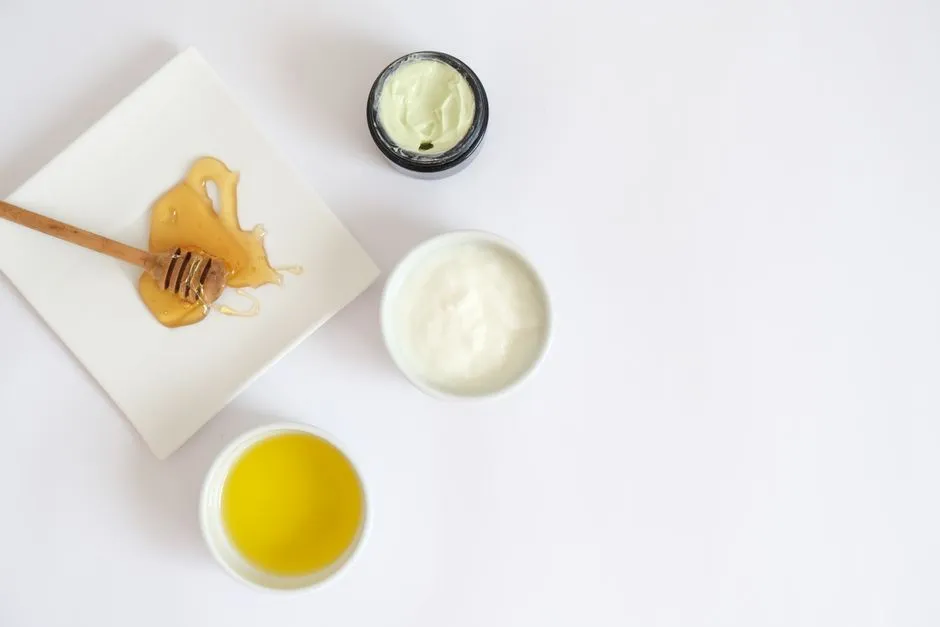
What this collection of studies shows is not that conventional medicine was wrong, but that it may have been too quick to dismiss what generations of observation had quietly accumulated. The remedies that are holding up under scrutiny tend to share a few things in common: they involve bioactive compounds with identifiable mechanisms, they have been tested in multiple independent studies, and the benefits, when present, are real but measured.
The honest conclusion is that honey for wounds, ginger for nausea and inflammation, aloe for minor burns, and oatmeal for itchy skin are not replacements for medical care. They are, however, legitimate additions to it, at least in the right context and at the right dose. That is a quieter finding than headlines tend to prefer, but it is the one the evidence actually supports.
AI Disclaimer: This article was created with the assistance of AI tools and reviewed by a human editor.