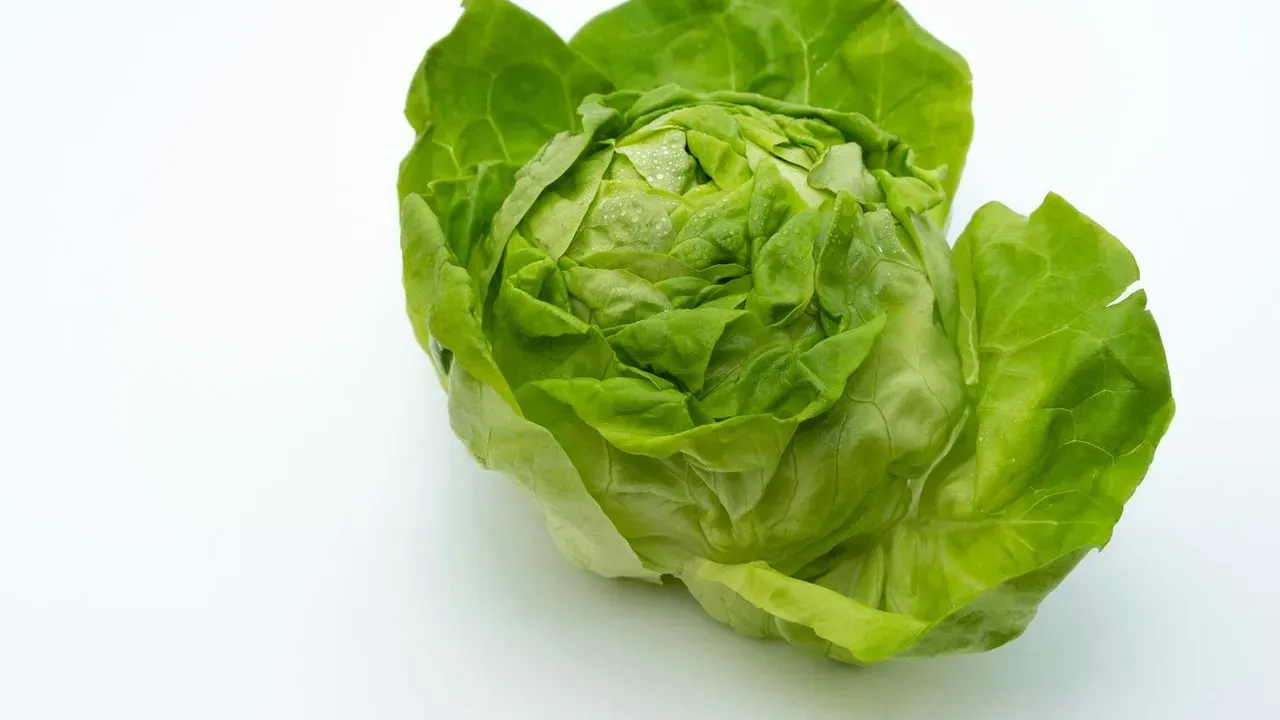

A recent Cyclospora outbreak tied to certain bagged and shredded lettuce products has left many home cooks rethinking their usual raw salads. Public health alerts and a voluntary recall have heightened caution around fresh produce, even as the precise source continues to be investigated. Yet the same leafy greens that raise concerns when eaten cold can be transformed through heat into safe, satisfying dishes.
Heat Changes the Equation
Health officials note that thorough washing, even with vinegar solutions, does not reliably eliminate the parasite. Cooking lettuce to an internal temperature of at least 158°F offers a practical safeguard while preserving its value as a garden staple. Gardeners who grow their own heads of romaine, iceberg, or Little Gem now have reason to explore the stove or grill rather than defaulting to chilled preparations.
The shift does not require abandoning lettuce altogether. Instead, it invites simple techniques that bring out new textures and flavors, turning a familiar ingredient into something warmer and more substantial for summer meals.
Grilled or Baked Versions of a Classic
Romaine hearts take well to direct heat. Halved heads brushed with oil and garlic char quickly on a medium grill, then receive a finishing drizzle of lemon and Parmesan. The result keeps the spirit of a Caesar salad while eliminating the raw component that has drawn recent scrutiny.
A similar approach works in the oven. Halved romaine coated with olive oil, garlic, and anchovy bakes until the edges crisp, followed by a bright squeeze of lemon and shaved cheese. Both methods require minimal equipment and deliver a warm starter or side that feels substantial without extra effort.
Soups and Simmered Dishes
Chopped lettuce blends smoothly into a light summer soup. Onions, scallions, and a potato form the base, with the lettuce leaves and ribs added toward the end before a quick purée. The finished bowl can be served hot or chilled and accepts simple toppings such as a spoonful of yogurt or a thread of olive oil.
French-style peas offer another gentle option. Shredded Little Gem lettuce wilts in butter with scallions and garlic, then simmers briefly with frozen peas and stock. The dish stays tender and mild, making it suitable for lighter evening meals when raw greens feel less appealing.
Stir-Fries and Braises
Leafy greens respond well to high-heat stir-frying. Iceberg or romaine sliced into wide ribbons cooks in minutes with ginger, soy, and a touch of sesame oil, then tops rice alongside a fried egg. The quick sear keeps the leaves bright while removing any lingering safety concerns.
For a richer profile, romaine heads can simmer in a gingery coconut milk sauce seasoned with lime and fish sauce. A final garnish of toasted garlic and crushed peppercorns adds aroma without complicating the process. These preparations highlight how lettuce adapts to bolder flavors once heat is applied.
Key point: Any variety of lettuce benefits from cooking once raw consumption carries added caution. The same plants thriving in backyard gardens can move from salad bowl to skillet with minimal adjustment.
These approaches keep lettuce in rotation through the rest of the season. They also reward gardeners who harvest their own produce by extending its usefulness beyond the usual raw preparations. Warm dishes built around lettuce offer both reassurance and variety when fresh salads feel less certain.
AI Disclaimer: This article was created with the assistance of AI tools and reviewed by a human editor.