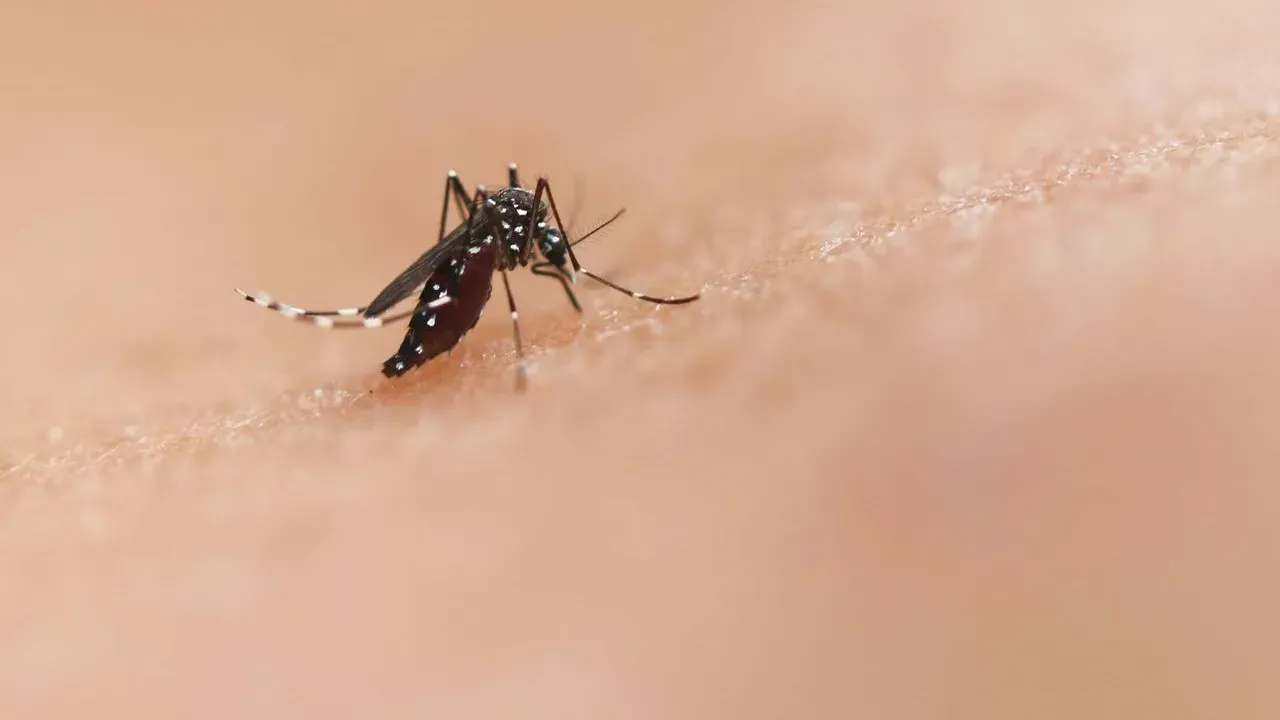

Persistent summer heat combined with elevated humidity has created ideal conditions for mosquitoes across much of the United States. These factors extend breeding seasons and boost population growth in states already prone to standing water. Gardeners and outdoor enthusiasts face heightened challenges as a result.
Weather Patterns Behind the Surge
Mosquitoes thrive when temperatures stay between roughly 50 and 95 degrees Fahrenheit and relative humidity hovers near or above 42 percent. Warmer springs and wetter conditions this year have expanded suitable habitats, particularly in the Southeast and parts of the Midwest. Standing water from rainfall or irrigation provides ample breeding sites that persist longer under humid skies.
Climate influences vary by region, yet the combination of warmth and moisture consistently ranks as the strongest driver of activity. Areas with extensive waterways or frequent summer storms see the most pronounced effects. Experts note that these environmental conditions also support a wider range of mosquito species in affected zones.
States Facing the Greatest Pressure
Texas leads many assessments with more than 85 documented mosquito species and extensive coastal and inland breeding grounds. Florida follows closely, where subtropical warmth supports activity from March through September and over 80 species are present. Louisiana contends with high humidity, thousands of miles of waterways, and prolonged seasons that challenge residents year after year.
Georgia, the Carolinas, Alabama, and Kentucky also report elevated numbers tied to hot, moist summers. New York appears on several lists because of humid pockets in the Adirondacks and other wooded areas. California and Pennsylvania have joined recent rankings due to urban breeding sites and shifting weather patterns.
Key conditions to watch: Prolonged humidity above 40 percent, frequent rainfall, and temperatures in the optimal range for breeding.
Practical Steps for Yard Protection
Eliminating standing water remains the most effective first line of defense. Homeowners can empty containers, clear clogged gutters, and maintain proper drainage around gardens and patios. Screening windows and using fans outdoors can further reduce encounters during peak evening hours.
Targeted repellents and timed applications around dusk help when outdoor time cannot be avoided. Native plants that deter mosquitoes offer a longer-term option for landscapers seeking low-maintenance solutions. Consistent monitoring through local reports allows residents to adjust efforts as conditions change.
Outlook for the Remainder of the Season
Continued warm and humid weather could sustain elevated populations into early fall in the hardest-hit states. Monitoring local forecasts and breeding conditions provides the best guide for timely action. Those who prepare now can still enjoy outdoor spaces with fewer interruptions.
AI Disclaimer: This article was created with the assistance of AI tools and reviewed by a human editor.