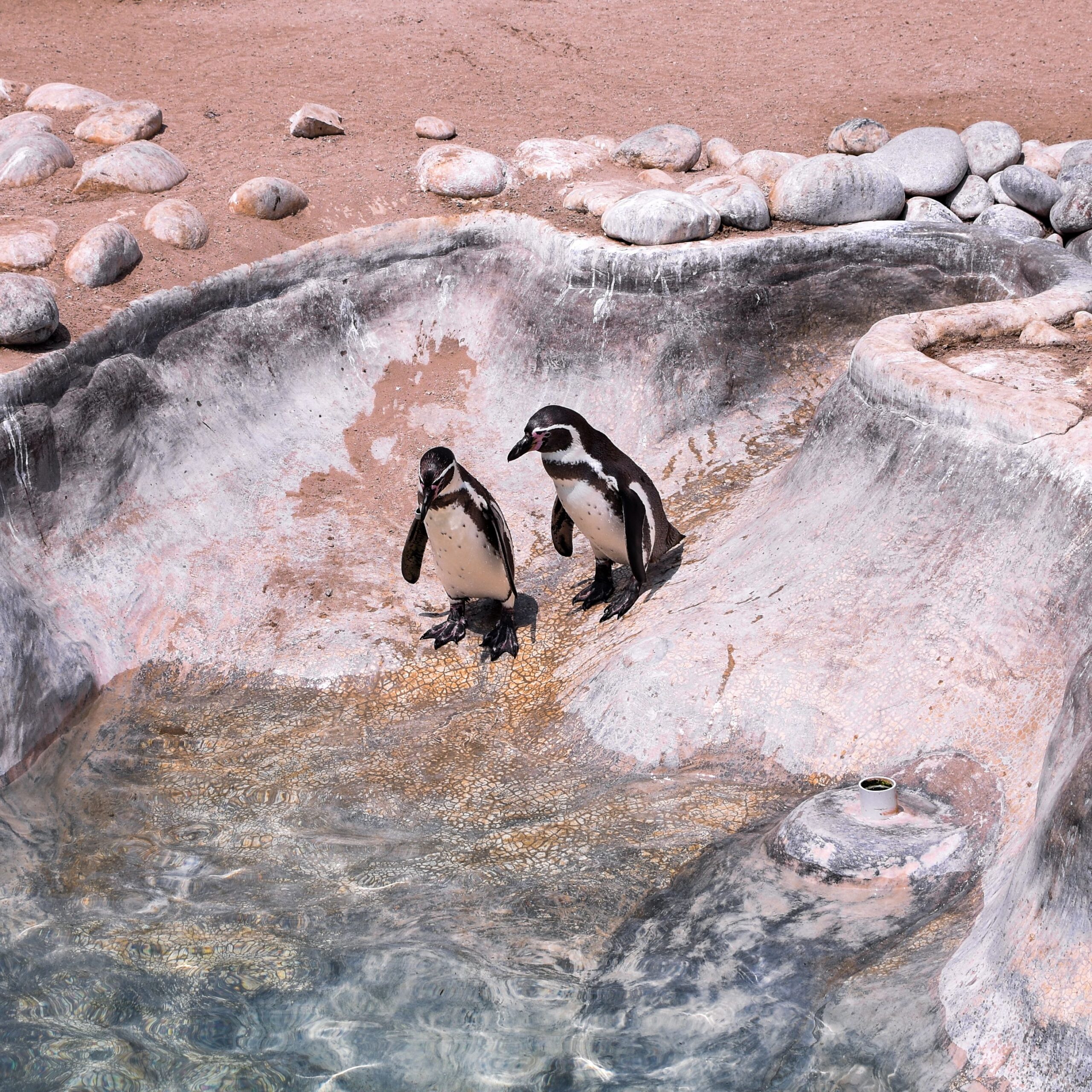

Monogamy, in the animal kingdom, is genuinely rare. It is not the default setting of nature. Most species spread their reproductive odds as widely as possible, but a small group of creatures take a fundamentally different approach, committing to a single partner, sometimes for decades. Scientists estimate that roughly nine in ten bird species practice some form of monogamy, while only about three to five percent of mammals stick to a single partner for life. What drives that commitment is a mix of evolution, brain chemistry, and practical survival math.
Mating for life tends to arise in situations where it improves reproductive success, particularly when both male and female parental care is vital for the survival of offspring. The species below are among the most studied, most fascinating examples of that strategy in action. And one of them will almost certainly catch you off guard.
1. Albatross: The Ocean’s Most Devoted Flier
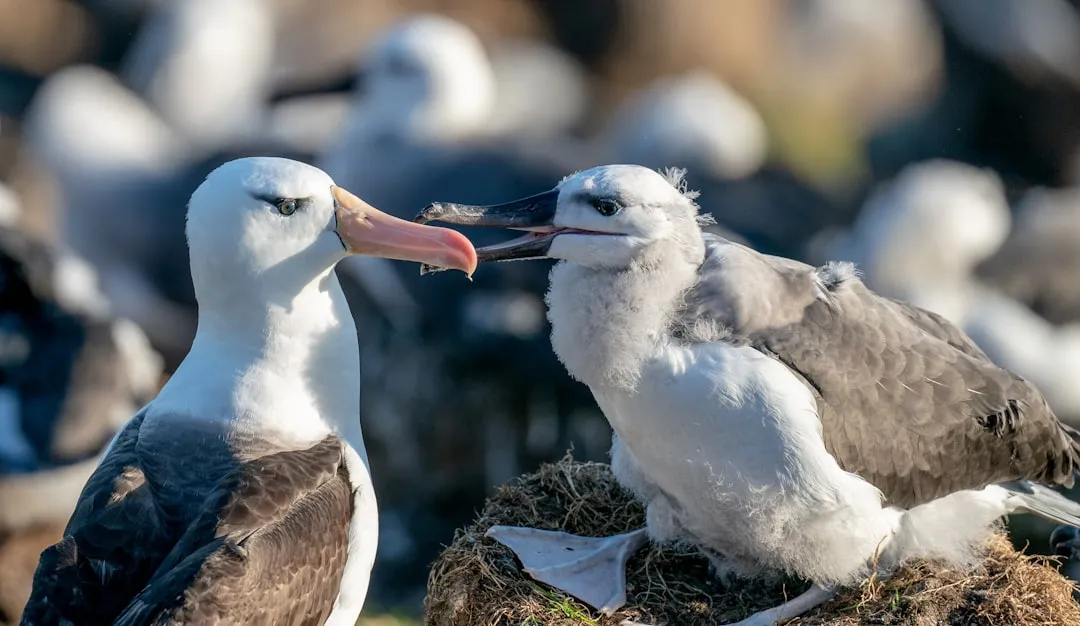
Albatrosses engage in intricate courtship dances that help solidify their pair bonds, and once a bond is formed, couples are remarkably loyal, reuniting each breeding season to raise their young together. Their commitment is not just romantic symbolism either. It is a measurable biological strategy that spans years and even decades at sea.
Remarkably, some albatross populations show divorce rates of less than eight percent over their lifetime, a fidelity statistic that exceeds most human societies. That figure has made albatrosses one of the most cited examples in studies on animal monogamy. When researchers want a benchmark for long-term pair bonding, they often start here.
2. Gray Wolf: Loyal to the Pack, and to Each Other
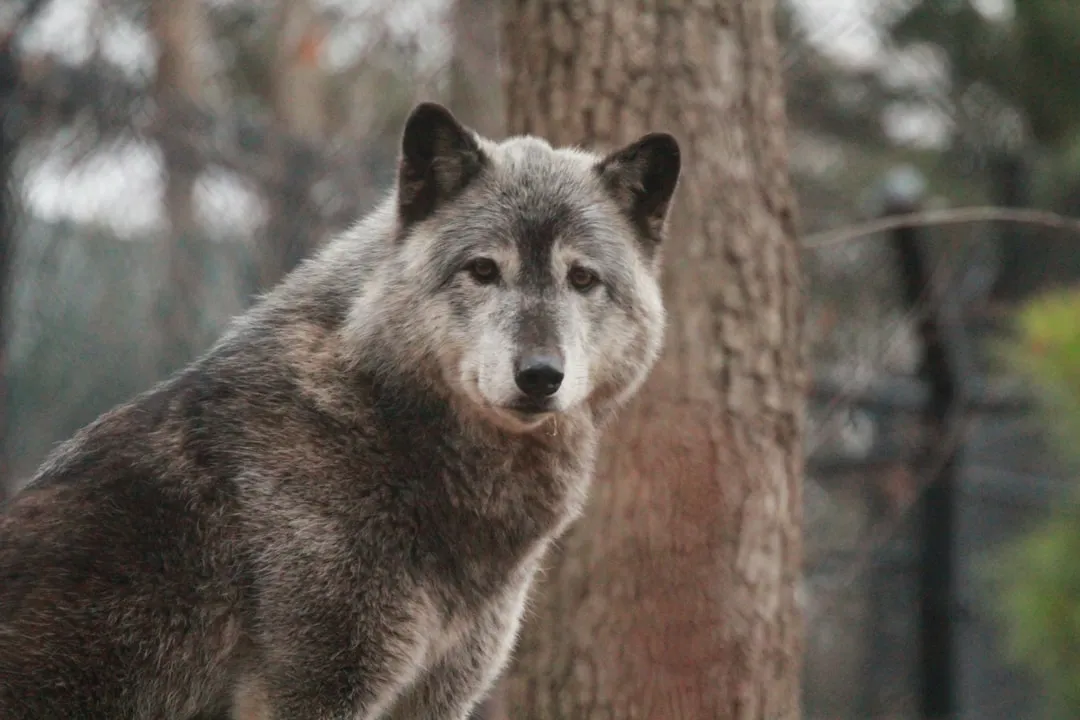
The alpha male and female of a wolf pack are usually a mated pair that leads their extended family unit, which often includes offspring from multiple years. Their monogamous relationship serves several evolutionary purposes, including more effective territory defense, improved hunting success, and better survival rates for their pups.
Wolf pairs engage in elaborate courtship rituals that strengthen their bond, including playful interactions, scent marking together, and coordinated howling. While occasional replacements do occur if one mate dies, gray wolves generally remain faithful to their chosen partners throughout their six to eight year average lifespan in the wild.
The neuropeptides oxytocin and vasopressin promote affiliation and create long-lasting bonds in wolves, and these chemicals act within the brain’s reward centers, making social contact and caregiving behaviors inherently rewarding. It is worth noting that data from Yellowstone National Park, representing the most in-depth study of wolf mating strategies in the wild, shows that approximately a quarter of packs have non-monogamous mating each year. So the picture is complex, but the dominant pattern is still loyalty.
3. Bald Eagle: The Nest They Build Together
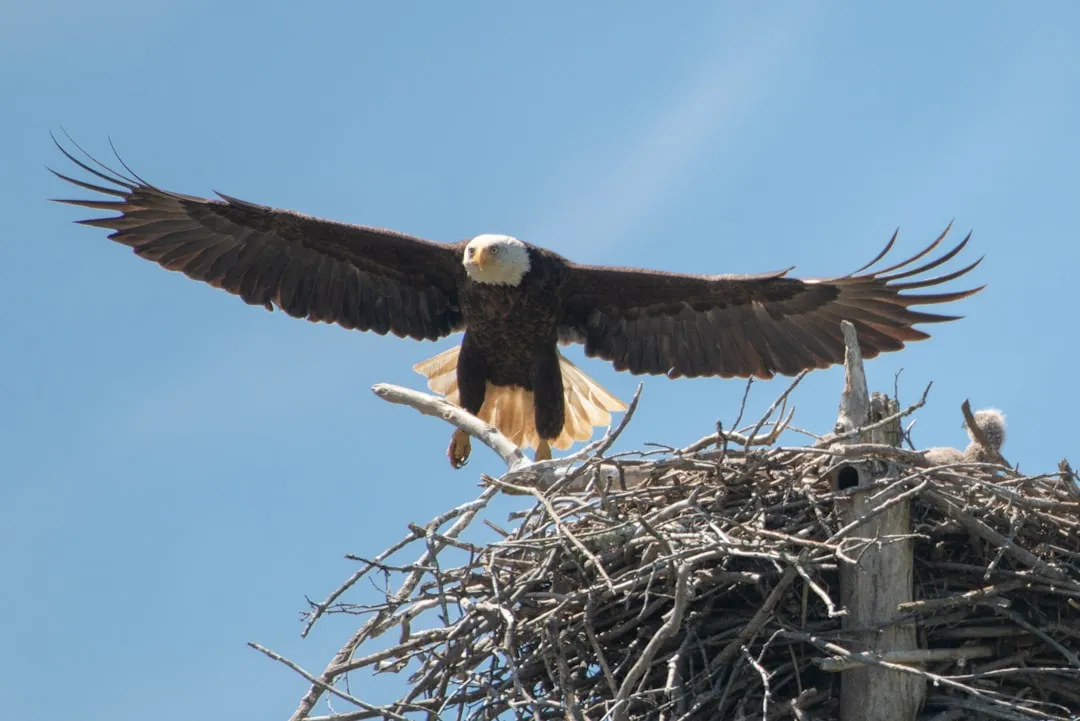
Bald eagles are among the few birds that typically mate for life. Pairs return to the same nest year after year, repairing and expanding it to accommodate growing broods, and they coordinate hunting and share responsibilities for incubating eggs. Some of these nests, called eyries, can grow enormous over years of shared use.
Research published by William and Mary College noted that many eagles are, in human terms, good spouses and parents, loyal to their mates and good providers for their young, though all eagles are not the same, and some bald eagles have been known to cheat. Still, long-term fidelity is the clear norm for the species, reinforced by the practical benefit that an established pair is a more efficient breeding team.
4. Gibbon: The Singing Primates
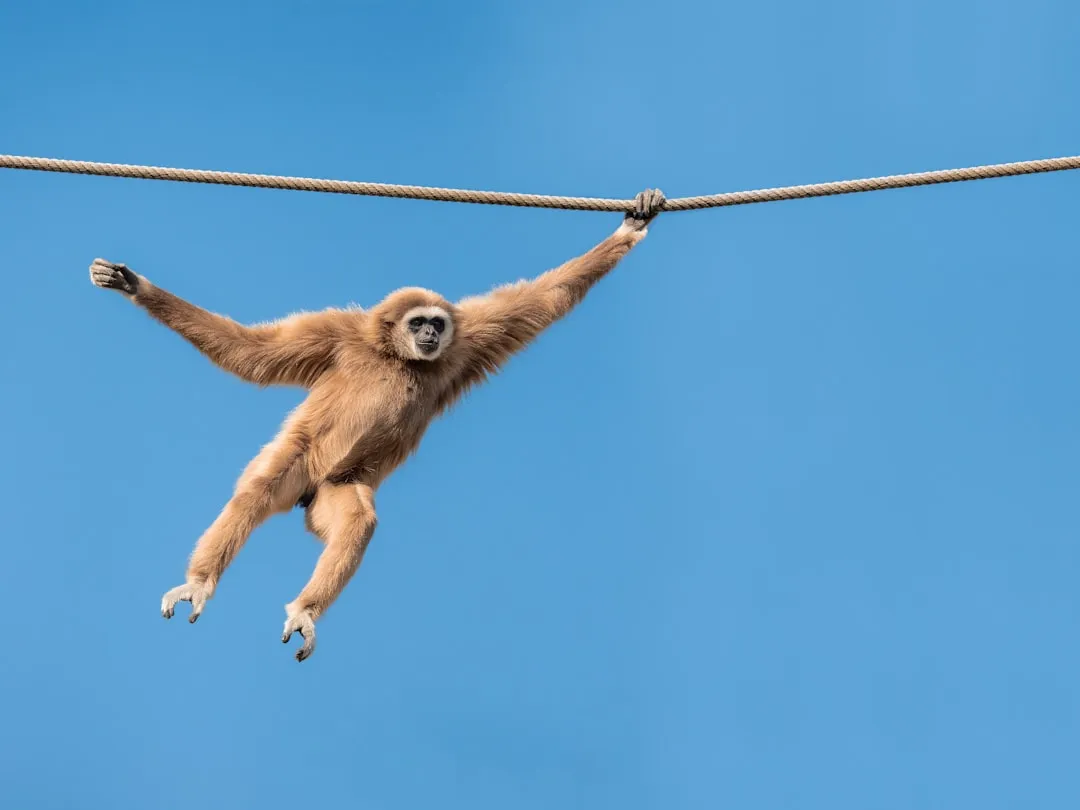
Gibbons form family units consisting of a mated pair and their offspring, maintaining territories in the Southeast Asian forest canopies. Gibbon couples strengthen their relationships through daily duets, complex and coordinated songs that announce their territory while simultaneously reinforcing their partnership.
The gibbon tends to mate for life, and like certain other species, the gibbon male may occasionally pursue a secondary sexual partner. However, they bond to the primary partner, practicing social monogamy, and partake in a complex song-courting ritual. They even reinforce their bond by grooming each other. Few animals communicate commitment as literally and loudly as the gibbon does every single morning.
5. Prairie Vole: The Small Rodent with a Big Scientific Story
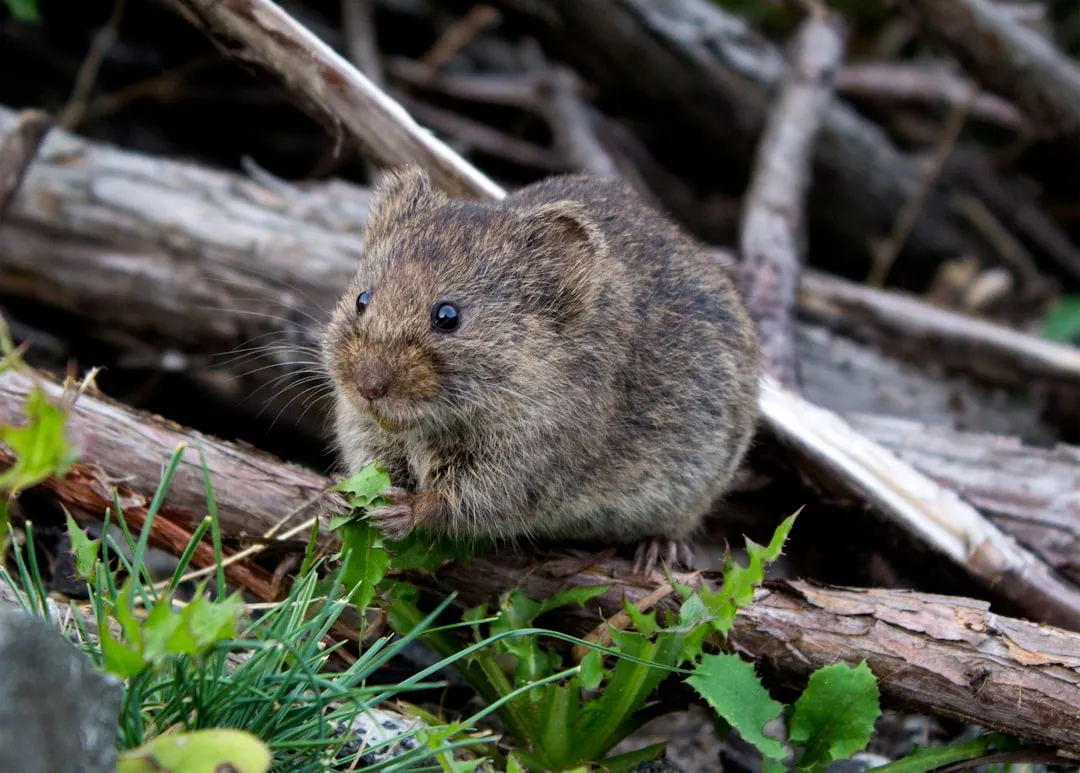
Despite their small size, prairie voles are one of the most famous examples of animals that mate for life with one partner. These rodents form strong, lifelong pair bonds after their first mating. Male prairie voles exhibit remarkable loyalty by helping their partner build a nest, gather food, and care for their young. What sets prairie voles apart from other rodents is their use of hormones like vasopressin to reinforce their bonds, which makes them protective of their mate.
Researchers discovered that prairie voles and their monogamous relatives have receptors for oxytocin and vasopressin in different brain regions than their promiscuous relatives. The monogamous voles have abundant receptors for these hormones in the nucleus accumbens and the ventral pallidum, structures that are part of the brain’s reward circuit. This discovery turned prairie voles into one of the most studied animals in neuroscience. Understanding their brain chemistry offers genuine insight into how attachment forms in mammals broadly, humans included.
6. Seahorse: Where the Male Gets Pregnant
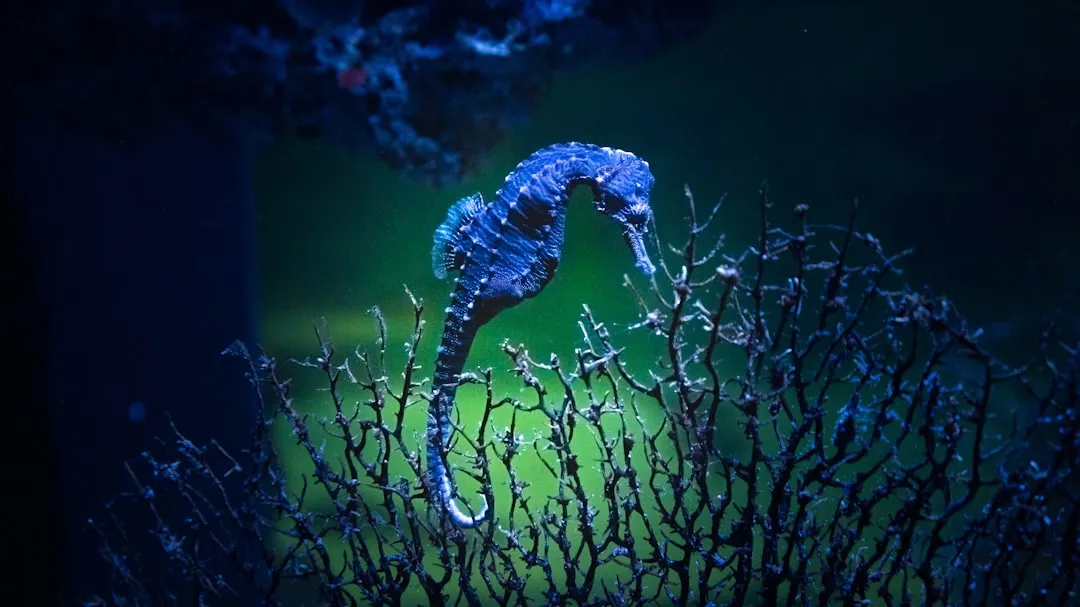
Seahorses challenge traditional gender roles in monogamous relationships, with males taking on pregnancy duties. These enchanting fish form pairs that last throughout the breeding season or longer, and despite their small size, their commitment to one partner and shared responsibilities have fascinated researchers, highlighting the diverse expressions of monogamy in nature.
The Smithsonian Institution has reported that seahorses keep their relationships strong by greeting each other every morning with a special dance that sometimes includes changing colors, as a way to confirm the other partner is still alive, reinforce their bond, and synchronize their reproductive cycles. That daily ritual is one of the more tender behavioral patterns documented in marine life. Generally, most seahorses do not show faithfulness to a single mate, but Australian seahorses are the exception. Because they cannot swim well, finding a mate is difficult and leads to low population density, and once a male and female find each other, they stick together and maintain long-term monogamous pair bonds over successive brood cycles.
The One That Surprises Everyone: The Shingleback Lizard
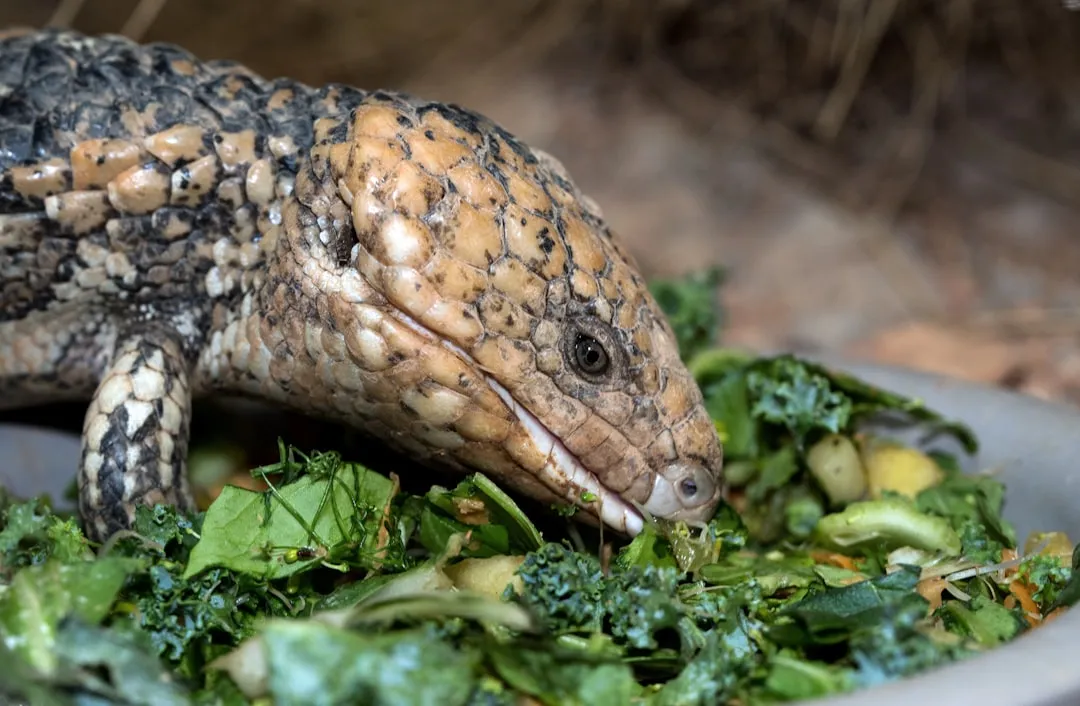
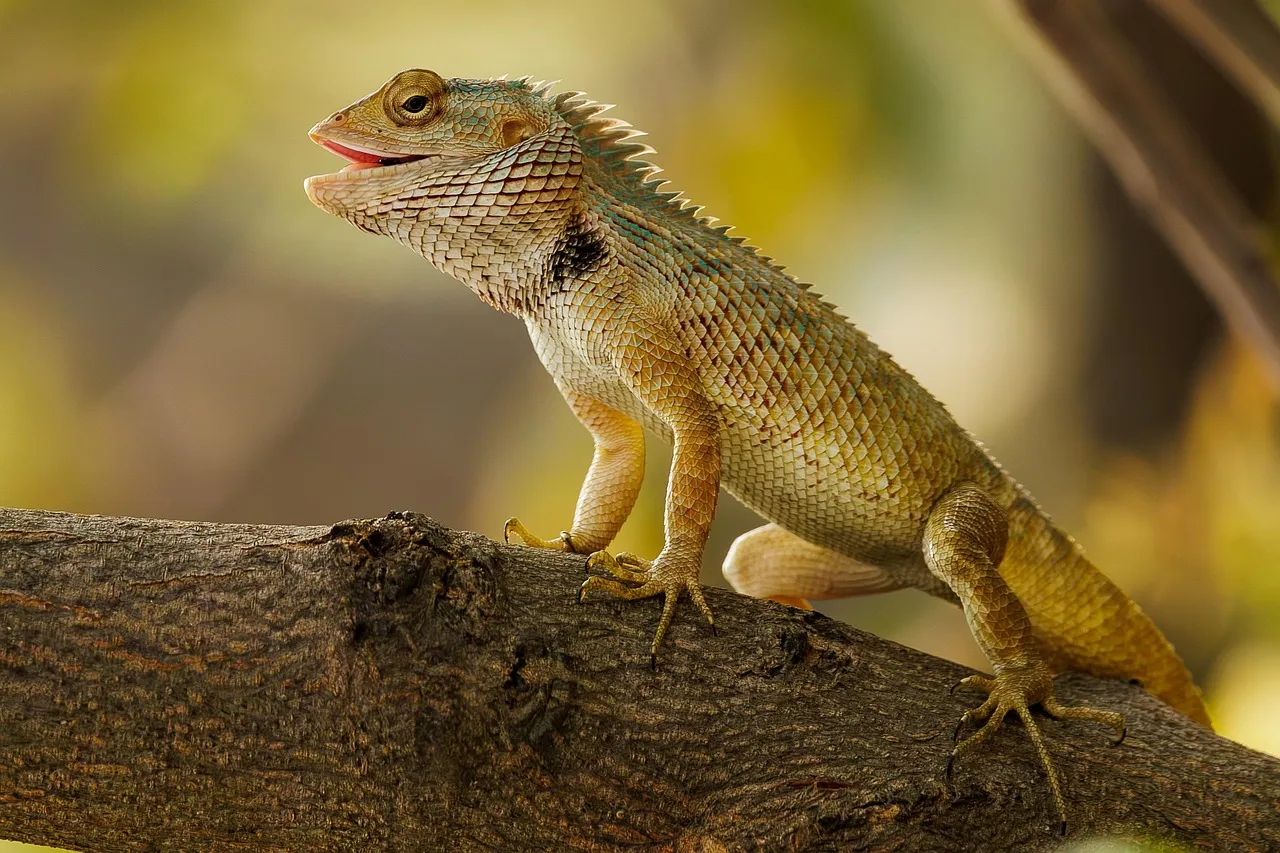
When people picture a faithful, devoted animal partner, a stumpy Australian lizard rarely comes to mind. Yet shingleback lizards are one of the few reptiles known to return to the same mate year after year. Since courtship can be awkward, these so-called sleepy lizards choose to stay with the mate who is already winning them over. One pair under observation was found to be together for 27 years.
Monogamy in reptiles is rarely seen and seldom researched. However, the shingleback lizard has provided enough evidence for scientists to believe they form short-term social and genetic monogamous relationships. Native to Australia, the shingleback lizard will choose a partner during the September to November mating season and live as a pair. They tend to re-form these pairings year after year, spending the mating season together before venturing out for the rest of the year on their own.
Their fidelity is believed to enhance reproductive success, as long-term partners collaborate more effectively in nurturing their young and avoiding predators. For a cold-blooded reptile operating in a group where lifelong monogamy is almost unheard of, the shingleback has quietly built one of the most compelling case studies in animal loyalty. It is not what anyone expects, which is exactly the point.
What Keeps Animals Together, Biologically Speaking
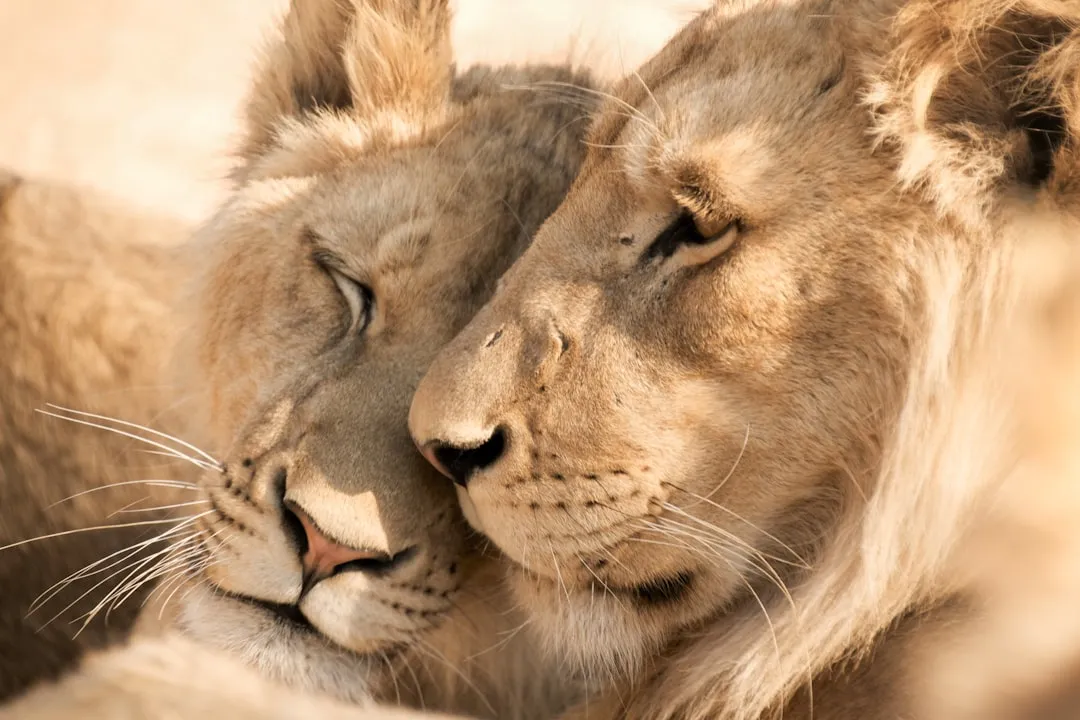
Scientists do not fully understand why some animals choose to mate for life while most do not, but one common theory is that monogamy was adopted as a strategy by animals that have a better chance of surviving to maturity if both the mother and the father have a role in raising them. That shared parenting pressure is arguably the single biggest predictor of monogamy across species.
Social monogamy and genetic monogamy often diverge: many apparently monogamous species form stable pairs but still have occasional extra-pair fertilizations, so the social partner is not always the genetic parent. This distinction matters. True lifelong genetic fidelity is even rarer than most people assume, even within species we routinely describe as monogamous. The reality is a spectrum, not a binary.
The Surprising Rarity of Mammal Monogamy
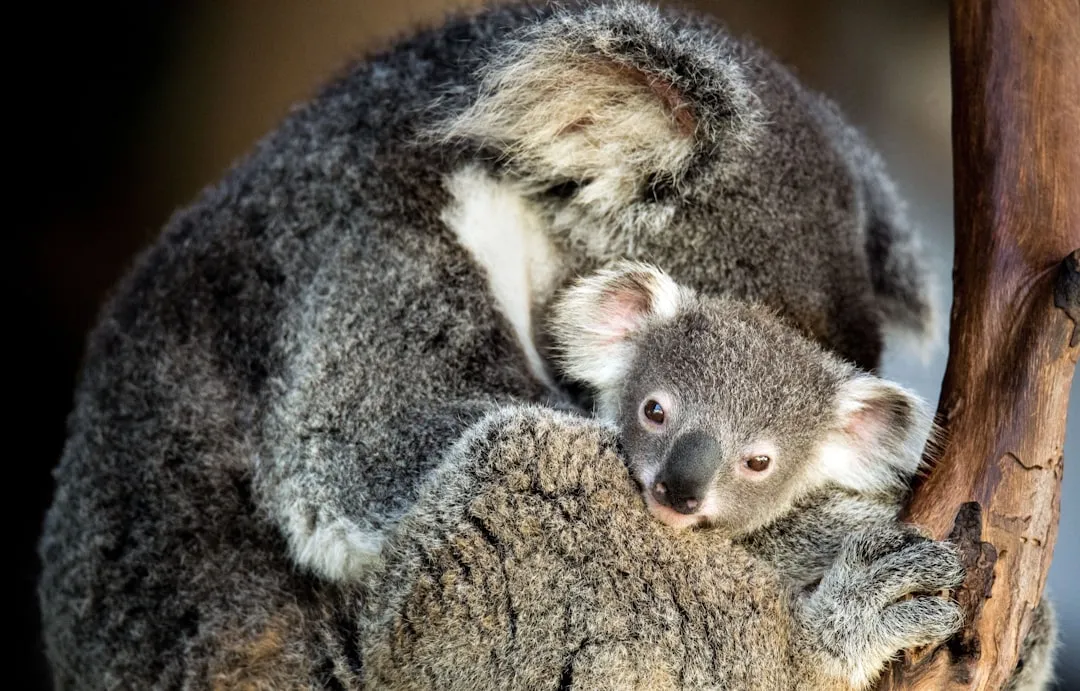
Among mammals, scientists estimate that just three to five percent of species are monogamous. That makes every mammal on this list genuinely exceptional from an evolutionary standpoint. In a recent study, scientists at the University of Cambridge created a monogamy scale for mammals based on how likely an individual is to produce siblings that share both parents. Humans were relatively near the top of the chart, but were beaten by the likes of California deermice, African wild dogs, Ethiopian wolves, and Eurasian beavers, among others. All of these mammals are more likely to mate with one partner for life and can be considered more monogamous than humans.
While many species form long-term pair bonds, researchers continue to debate how common true lifelong monogamy really is. That ongoing scientific debate is actually healthy. It reflects how nuanced animal behavior truly is, and it keeps researchers returning to the field with better questions every season.
Black Vultures: Monogamy Enforced by the Community
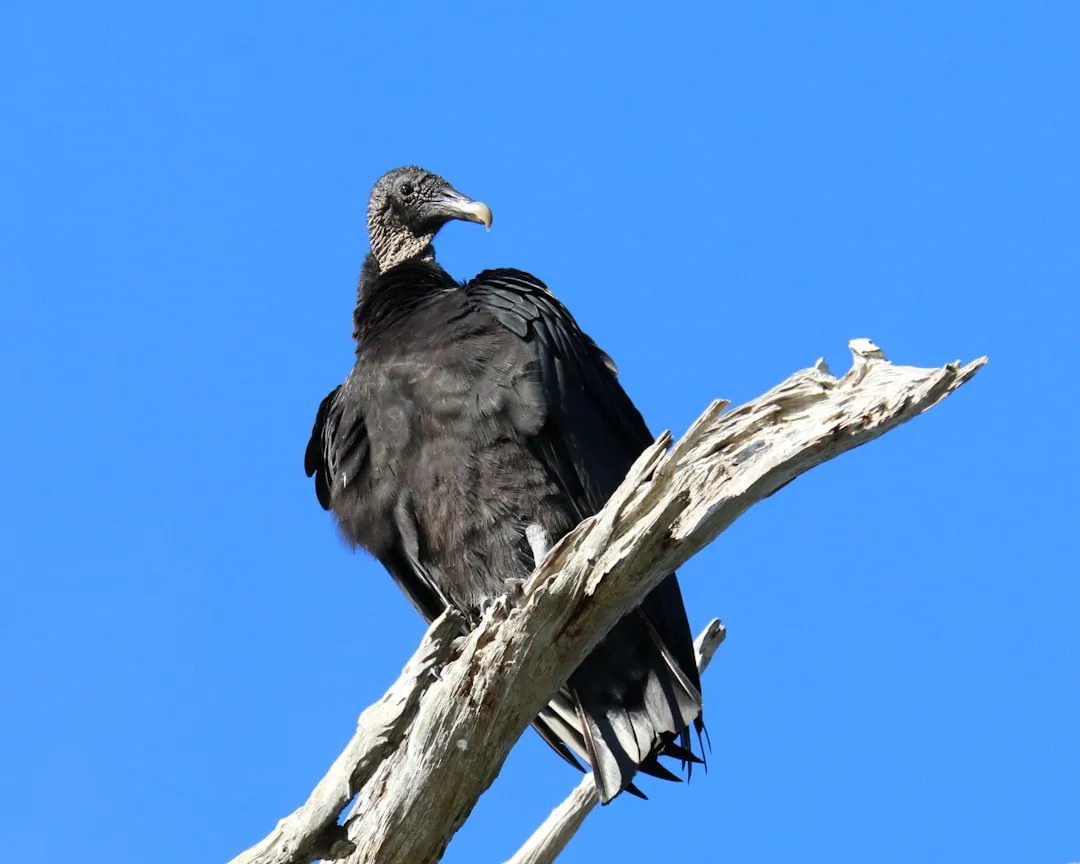
Black vultures are another bird species known for their loyalty to one partner. Once a pair forms, they remain together for life. They are known to raise their offspring and share duties of nest protection and food gathering. Unlike some birds that may stray, black vultures are strictly monogamous, and they are even known to enforce this behavior within their communities.
If a black vulture is caught being unfaithful, it can face punishment from the rest of the flock. This communal reinforcement of monogamy makes black vultures unique among animals that mate for life. They are, in a sense, the animal kingdom’s most socially regulated monogamists. It is an unusual and striking behavior pattern that researchers have documented but still find genuinely difficult to fully explain.
The Takeaway
Monogamy in nature is not a sentimental choice. It is, in most cases, a pragmatic evolutionary solution to a specific survival problem. Mating for life arises when it will give a higher reproductive success rate, like when male and female parental care is needed for offspring survival. The animals on this list have each arrived at that solution from completely different starting points, whether through brain chemistry, song, morning dances, or 27 years of loyalty in the Australian bush.
The shingleback lizard remains the standout surprise precisely because nobody expects a slow-moving reptile to outlast most human relationships. Nature has a habit of placing its most compelling stories in the least expected places, and that, perhaps, is reason enough to keep looking.
AI Disclaimer: This article was created with the assistance of AI tools and reviewed by a human editor.