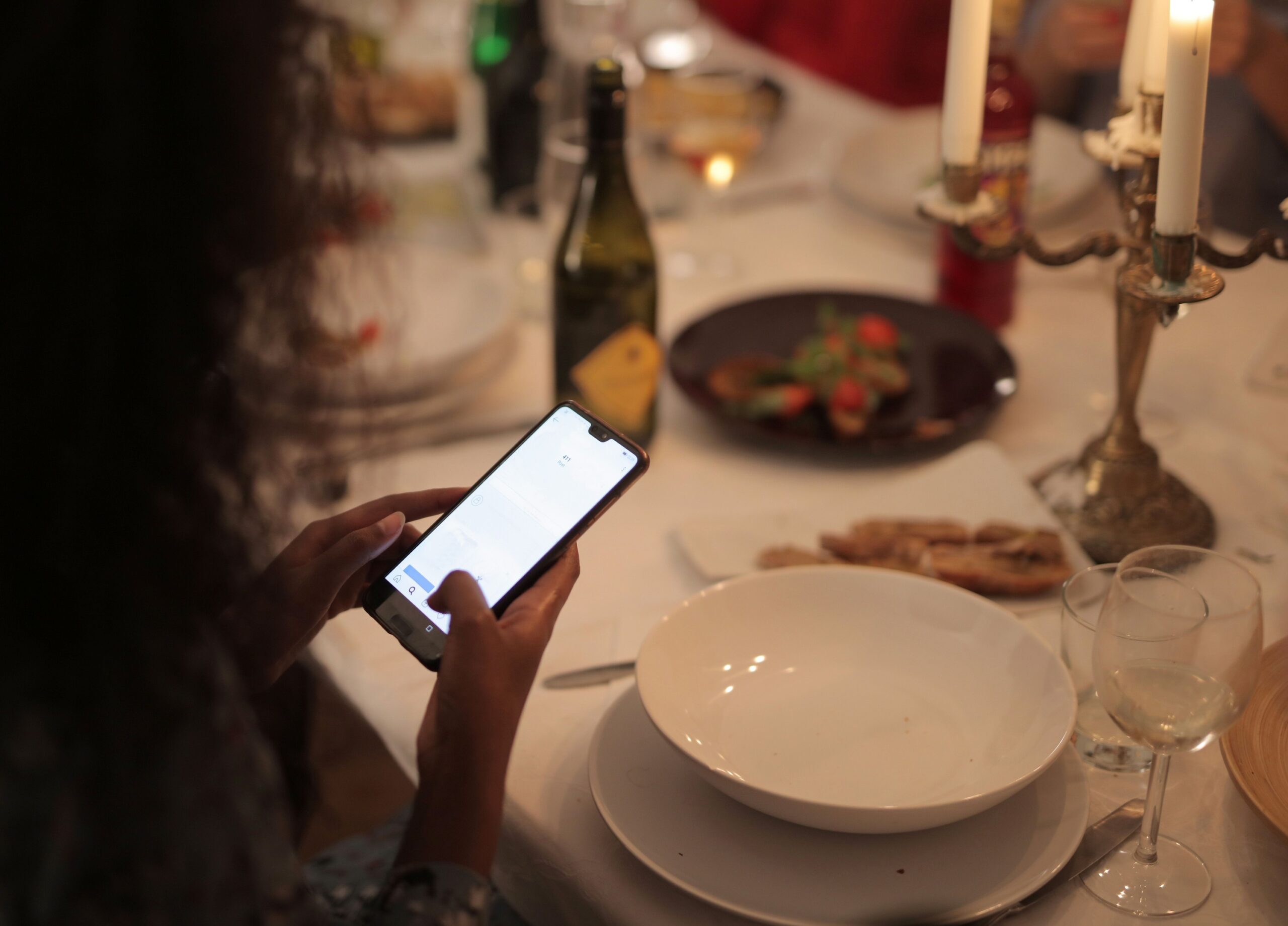

There was a time when the dinner table was a non-negotiable part of daily life. Not just a place to eat, but a place to land after a long day, to check in, to argue lightly about nothing important, and to feel anchored to the people you live with. That rhythm, quiet and ordinary as it was, is now genuinely under pressure.
The reasons are layered. Schedules have fractured. Devices have multiplied. The idea of sitting together without a phone glowing beside the plate has shifted from a given to a conscious choice. Worth understanding what’s driving that shift, and what it actually costs.
The Numbers Tell a Sobering Story
The Survey Center on American Life reports that only 38 percent of Gen Z Americans who are now adults say they eat regularly with family at the dinner table. Compare that to an older generation and the gap is striking. That figure stands in sharp contrast to 74 percent of Americans aged 50 and older who report having regular family dinners.
The 2025 World Happiness Report found that from 2003 to 2023, the rates of dining alone in the United States continued to grow across all age groups, with roughly one in four adults in 2023 eating all of their daily meals alone. That’s not a blip. That’s a sustained, measurable trend over two decades.
Screens Have Moved In as a Permanent Guest

A 2026 study published in JAMA Pediatrics surveyed households with at least one child between ages four and ten and found that media use during meals is widespread, with nearly 78 percent of parents and nearly 69 percent of children using a device during their most recent meal.
In more than two-thirds of households, both parent and child were using media at the same time, while parent-only use appeared in about 12 percent of meals, and child-only use was rare at just over 3 percent. The devices vary, but the pattern is consistent. Parents most often used smartphones, while children were more likely to be watching content on televisions or tablets.
Parents Are the Bigger Problem at the Table

It’s easy to frame screen use at dinner as a children’s issue. The data suggests otherwise. In the same 2026 research, more than seven out of ten adults admitted to using phones or screens during meals. That’s a higher rate than was recorded for kids in the same households.
When devices are put away, caregivers are much better positioned to identify subtle shifts in their children’s daily patterns. Experts warn that when parents are glued to their own screens, they easily miss rapid changes in how a child talks, how they dress, or who they’re spending time with. These aren’t small observations. They’re often the first signals that something is shifting in a child’s life.
The Gen Z Dinner Table Gap

This issue is especially visible across educational lines. The Survey Center on American Life reports that only 38 percent of young Americans who don’t attend college have family meals together daily, compared to 54 percent of college graduates. That gap speaks to something broader than just dining habits.
Meanwhile, nearly half of Gen Z say they dine alone weekly. The generation is not eating out as much, and when they do, their group sizes tend to be smaller, with less time spent overall at the table. This pattern, however, isn’t purely about preference. Loneliness is threading through it. A watershed report found that more than 60 percent of Gen Z said they felt lonely during their teenage years, compared to roughly 30 percent of Baby Boomers.
What “Technoference” Actually Means

Researchers have begun using the term “technoference” to describe the interruption of family interaction by digital devices, which is becoming a growing concern as screens show up more often during shared meals. It sounds clinical, but the underlying experience is familiar to most families.
Increasingly, ideas and communications from strangers enter the American home through screens. Insofar as eating at the table is good because of social interaction, the presence of phones and other mobile devices reduces this socialization and thereby decreases the benefits. The ritual of dinner doesn’t disappear entirely. It just becomes something else, something quieter and more separate, even when everyone’s in the same room.
Screen-Free Meals Are Now an Outlier
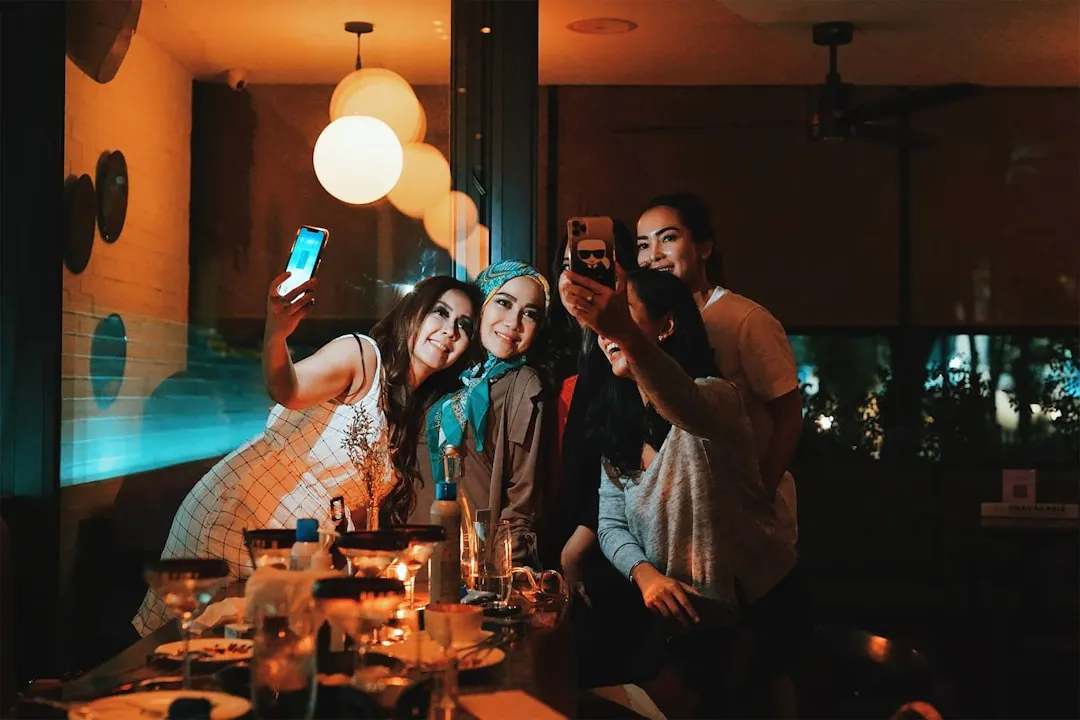
Research across hundreds of thousands of families suggests that only around one in four families reports meals that are consistently free of phones and screens. That’s a striking minority. For the vast majority of households, some kind of device is present at almost every meal.
In the United Kingdom, a survey found that the majority of children are on their devices during mealtimes, despite the fact that over 80 percent say they’d like the meal table to be a conversation space for parents and kids. The gap between what families want and what actually happens is wide, and it shows that awareness alone doesn’t change behavior.
The Mental Health Stakes Are Real
Research highlights that engaging in family meals is a protective factor for adolescent mental health, and checking in with parents during family meals is associated with less risky behaviors, drug use, and acting out. These aren’t soft conclusions. They come from multiple independent studies conducted across different countries and population groups.
Regular dinner times with parents provide adolescents with routine and consistency. During these meals, parents can model healthy eating habits and behavior, instill family values, and provide a moment to check in with their adolescents mentally and academically. A shared meal, when it’s genuinely shared, does a lot of quiet work.
Eating Together and Happiness Are Linked
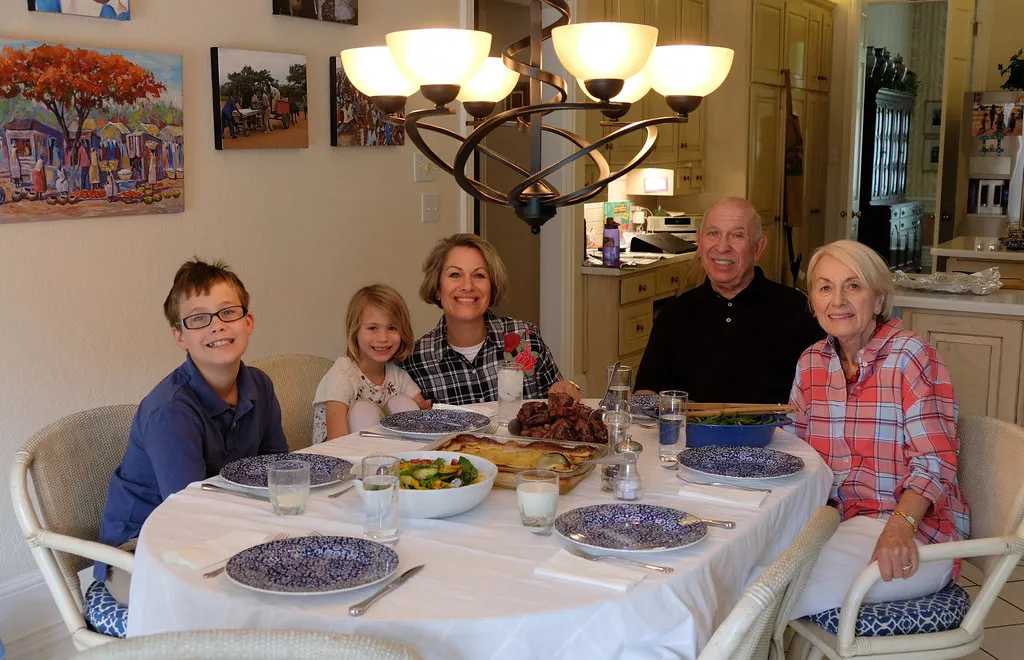
The 2025 World Happiness Report finds that meal-sharing is directly linked with social connectedness and subjective well-being. This connection between shared food and personal happiness shows up consistently across different cultures and research frameworks.
More than half of Americans surveyed believe that family meals are a good way to spend time with people and make them feel more connected. One third of survey respondents also said family meals make them feel calm. Yet the frequency of those meals keeps declining. People know what the table offers them. Getting to it, without phones, is the harder part.
Solo Dining Is Rising Fast Outside the Home Too

Solo dining orders have surged since 2021, according to a 2026 report from Yum Brands. These orders have risen by more than half over that period and now account for nearly half of all quick-service restaurant visits, up from about 31 percent four years ago. The shift is happening at restaurants, not just at kitchen tables.
The rise in solo dining is especially visible among adults under 25, with roughly 80 percent more young people eating alone compared to previous years. This rise may reflect a deeper issue of social isolation, which is linked to declining happiness and trust in others. There’s a paradox here worth sitting with: a generation that has never been more connected online is eating alone at an unprecedented rate.
Some Families Are Pushing Back

According to data released by the FMI Foundation in 2024, more than 80 percent of Americans reported consuming the same or more family meals than in the previous year. More than 90 percent expected they would continue doing so in the future. That’s a more optimistic picture than the solo dining numbers suggest, and it shows that the dinner table hasn’t vanished.
A Harvard study showed that 80 percent of teenagers claim family dinner is the time they are most likely to have a real conversation with their parents. Teenagers, for all the assumptions made about them, aren’t indifferent to the table. They just need someone to put the phone down first. Over three decades of research confirm that regular family meals offer physical, social-emotional, and academic benefits, and that eating together is the only single activity known to provide all of them simultaneously.
The Quiet Case for Getting Back to the Table

The screen-free family dinner isn’t a nostalgic fantasy. It’s a well-documented, research-supported environment that does genuine good for everyone sitting at it. The challenge isn’t knowing that. Most people already sense it. The challenge is the accumulation of small decisions, the phone left face-up, the TV left on in the background, the habit that calcifies before anyone notices.
The data in 2026 is clear enough. The table is still there. The question is who actually shows up to it, and whether anyone puts their phone away when they do.
AI Disclaimer: This article was created with the assistance of AI tools and reviewed by a human editor.