

Most people don’t answer calls from numbers they don’t recognize. Scammers know this. So instead of hanging up, they leave a voicemail, carefully designed to make you pick up the phone and dial them back. That’s the entire plan. The voicemail isn’t the crime. The callback is.
A callback voicemail scam is any scheme in which a fraudster leaves a voicemail intended to make you dial a number they control. Once you call back, they may try to collect your personal or financial information, connect you to a premium-rate phone line that charges by the minute, or use your callback to confirm your number is active and sell it to other fraudsters. Understanding how these messages are written, and why they work so well on so many people, is the first step toward not falling for them.
The Sheer Scale of the Problem
These scams are not rare. They are industrial in scale, running around the clock, targeting millions of people every month.
Scam and telemarketing robocalls averaged more than 2.56 billion per month in the United States through September 2025, up from 2.14 billion in 2024, according to US PIRG’s 2025 robocall analysis. That number keeps climbing.
Consumers reported $12.5 billion in fraud losses in 2024, a 25% increase year over year. Imposter scams, including voice phishing, accounted for $2.95 billion in losses in 2024. These are not niche crimes. They affect ordinary people across every age group and income level.
The sheer volume of fraudulent activity targeting Americans is staggering, affecting roughly three quarters of U.S. adults. Most people have already encountered these messages and may not have recognized them for what they were.
How the Voicemail Callback Trap Works

The voicemail is the setup. The callback is the moment the scam begins. The fraudster never needs to reach you live. They just need you to dial the number they left.
A scammer leaves a message pretending to be from a trusted institution, your bank, the IRS, Medicare, the Social Security Administration, or a company like Amazon. When you call back, a “representative” walks you through a process designed to collect your account number, Social Security number, or other sensitive information. In some cases, they’ll ask you to move money to a “safe” account, which belongs to them.
The FTC is explicit on this point: never call back a number left in a voicemail or text message, even if it appears to come from a company you know. The number in the voicemail is controlled by the scammer, regardless of what the caller ID says.
The IRS Voicemail: Fear of Arrest as a Tool
IRS impersonation remains one of the most widely used voicemail scripts, year after year. The message is designed to feel legal and urgent, using language that most people associate with serious government business.
The scam typically begins with an unexpected voicemail from an official-sounding but fake government agency claiming that you haven’t paid your taxes. Often, the message warns that this may be the final attempt to reach you. Scammers may claim you qualify for a special “IRS liability reduction program” or offer to connect you with a “tax resolution officer.” Some leave a voicemail saying, “This may be our only attempt to reach you,” hoping you’ll call back right away.
None of these programs or titles actually exist. They are part of a script meant to sound urgent and official, so you’ll act quickly instead of verifying the claim. The IRS will always initiate contact by mail, never by threatening phone call or voicemail.
The Social Security Number “Suspended” Script
Social Security impersonation scripts follow a specific story arc. You’re cast as the suspect in a crime you didn’t commit, and a government official is offering you a way out, but only if you call back immediately.
The caller claims to be from Social Security or the Office of the Inspector General. Your Social Security number, they say, has been “suspended” because it turned up in a crime. Money laundering, drug trafficking, or fraud, the specifics change call to call. There may be a warrant mentioned. There may be a threat to freeze your bank account.
The FTC reported $789 million in losses to government imposter scams in 2024, up $171 million from the year before. The losses fall hardest on older adults, who were 36% more likely than younger people to report losing money this way. The Social Security script is particularly effective because it creates the sensation of immediate legal jeopardy.
Fake Amazon and Retail Purchase Alerts

Retail impersonation voicemails tap into a different kind of fear: the fear of unauthorized charges sitting on your account right now. The message is calm, procedural, and sounds exactly like a real customer service call.
This scam begins with an automated voicemail falsely claiming to be from Amazon customer support. The message states that a large purchase has been made using your default payment card. If the transaction wasn’t authorized, recipients are instructed to press a number or call back to “cancel” the order. The carefully worded script is designed to elicit fear and urgency, causing victims to act without verifying the claim.
In 2024 alone, Amazon removed over 55,000 phishing sites and 12,000 phone numbers linked to impersonation scams, according to an Amazon alert. That scale reflects how aggressively this type of scam is being run. Legitimate companies like Amazon will never ask for your password, PIN, or payment details over the phone.
How Caller ID Spoofing Makes It All Believable
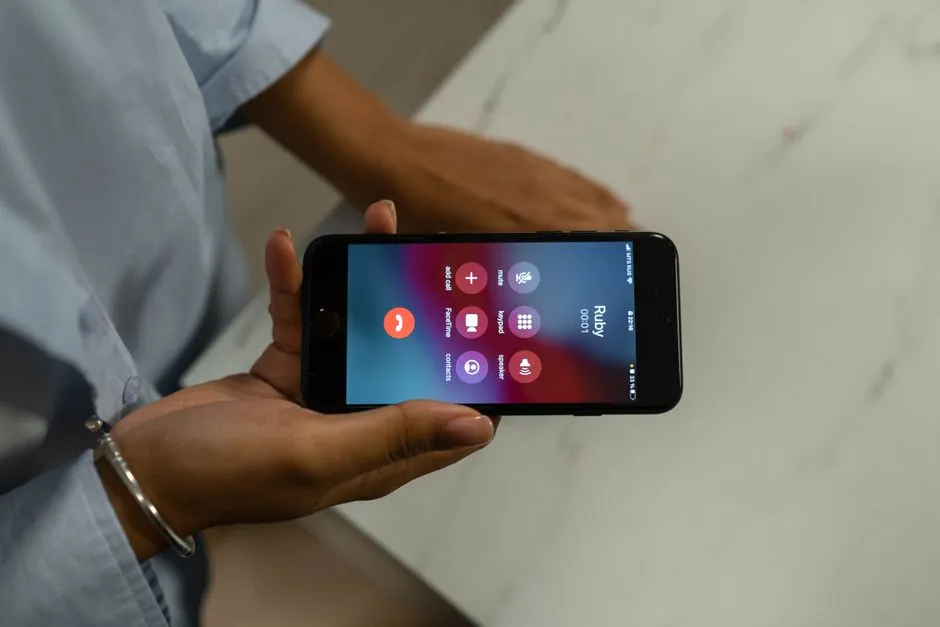
One of the most disorienting aspects of these voicemails is that the number displayed often looks completely legitimate. It might show your own bank’s name, a government agency’s actual number, or even a local area code to seem nearby.
Caller ID spoofing allows fraudsters to manipulate the caller ID display so it appears they’re calling from a trusted number, such as a local business, government agency, or even your credit union. Their goal is to trick you into sharing personal information, sending money, or granting access to your accounts.
The FTC warns consumers never to trust caller ID. The number displayed might show the name of a government agency or business, but caller ID can be faked. It could be anyone calling from anywhere in the world. Seeing a familiar name or number in the notification does not mean the message is real.
AI Voice Cloning: The Newest and Most Dangerous Version

For years, scam voicemails were easy enough to spot from poor audio quality or robotic-sounding delivery. That is no longer reliably true. AI voice cloning has changed the game significantly since 2024.
This is a newer variant that has grown significantly since 2024. Using AI voice cloning tools, scammers can now generate voicemails that sound like a specific real person, a family member, a doctor’s office staff member, or someone you’ve spoken with at your bank.
AI voice cloning lets scammers mimic real people’s voices from just a few seconds of audio. The result is highly convincing calls that even tech-savvy users might trust. The FTC launched a Voice Cloning Challenge in response to this trend, acknowledging that the technology is advancing quickly and that consumers need better tools to protect themselves.
The Psychology Behind Why People Call Back

These voicemails don’t rely on gullibility. They are engineered to exploit normal, healthy human responses to perceived authority and danger. Anyone can fall for them under the right conditions.
A scammer’s primary goal is to create a sense of urgency or fear. They might threaten legal action, account suspension, or other dire consequences if you don’t act immediately. Scammers understand that fear can make it harder for people to think critically, and they use that to make people reveal personal information or transfer money.
If a call sounds like your boss asking for bank account numbers, or your family member begging for help in an emergency, you’re more likely to act. That’s exactly why scammers use voice cloning to make their requests for money or information more believable. The urgency embedded in these scripts bypasses careful thinking almost by design.
Who Gets Targeted and Who Loses the Most
Scammers do not target only elderly people, though the data shows older adults face greater financial harm when they do lose money. The targeting is broad, and the numbers reflect that.
The FTC has documented a more than four-fold increase in reports of impersonation scams between 2020 and 2024, with older adults reporting $445 million in losses in 2024 alone.
The most expensive versions of these scams almost always run through a phone call. Among people 60 and over who lost $10,000 or more to an imposter scam, roughly four in ten said it started with a call. Younger adults are also targeted, particularly through retail and tech support voicemail scripts that mirror services they use daily.
What the Authorities Are Doing About It

Law enforcement agencies at the federal level have escalated their response, though the sheer volume of scam activity makes enforcement challenging.
Impersonation scams are, year after year, the top fraud reported to the FTC. The agency’s Impersonation Rule gives it more tools to fight these scams. Since the Rule went into effect, the FTC filed multiple lawsuits against alleged impersonators and successfully got more than a dozen scam sites taken down.
The FCC passed a new regulation in 2025 requiring service providers to quickly and accurately report robocall mitigation efforts, with fines assigned for missing deadlines or providing false information. The FCC also removed over 1,200 non-compliant voice providers from the U.S. phone network and expanded STIR/SHAKEN and other rules. Progress is real, but scammers continue to adapt faster than regulations can catch up.
How to Protect Yourself Right Now

The most effective protection against callback voicemail scams is simple in theory and just requires some consistent habits. None of these steps require technical expertise.
While you can’t stop scammers from spoofing numbers, you can take steps to avoid falling for the scam. Never trust the caller ID alone. Even if it looks legitimate, be cautious about sharing personal information over the phone.
If you hear a sense of urgency asking you to provide personal or financial information, the Better Business Bureau recommends resisting the urge to act no matter how convincing the voicemail sounds. Ask questions that would be hard for an imposter to answer correctly. Hang up or close the message if something doesn’t feel right. If you want to call back, use the phone number you already have saved for that person or company, not the one left in the voicemail.
If you have a voicemail account with your phone service, be sure to set a password for it. Some voicemail services are preset to allow access if you call in from your own phone number. A hacker could spoof your home phone number and gain access to your voicemail if you do not set a password. That’s a simple fix that many people overlook entirely.
What to Do If You’ve Already Called Back

If you realize mid-conversation or shortly after that you’ve responded to a scam voicemail, there are clear steps that can limit the damage.
Stop sharing any additional information immediately and end the call. Save everything: voicemails, screenshots, the caller ID, any texts or emails. Investigators may ask for the originals later.
Report to the FTC at reportfraud.ftc.gov, which is the national database for consumer scams of any kind, and it’s worth filing even if you lost nothing. If it turned into identity theft, IdentityTheft.gov will build a tailored recovery plan. IC3 at ic3.gov is the FBI’s intake for the tech-enabled side, including spoofing, wire fraud, and remote access cases. Acting quickly after an incident gives you the best chance of preventing further harm.
The Takeaway

Scam voicemails have gotten quieter, calmer, and more convincing. They no longer sound like obvious fraud. They sound like your bank, your government, your delivery company, or someone you know.
The single most useful thing to remember: the FTC is explicit that you should never call back a number left in a voicemail or text message, even if it appears to come from a company you know. Look up the number yourself using an official website or the back of your card.
The voicemail is designed to make you feel like you have no choice but to respond immediately. Taking thirty seconds to pause and verify instead of calling back is usually all it takes to walk away unscathed.
AI Disclaimer: This article was created with the assistance of AI tools and reviewed by a human editor.