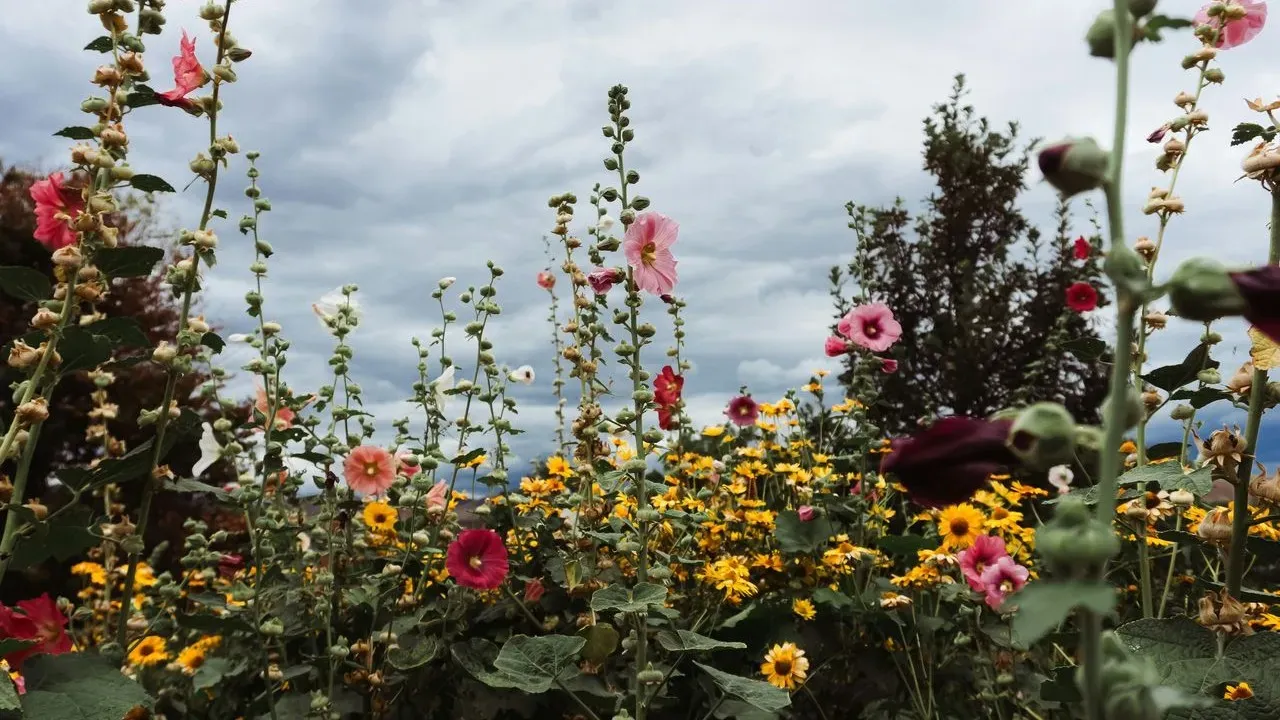

Midsummer arrives as a decisive period for garden maintenance. Early summer has passed, leaving a clear window for tasks that directly affect how well plants perform once cooler weather arrives. Gardeners who focus on these priorities now can strengthen their plots against seasonal shifts and improve outcomes later in the year.
Why the Window Matters
Many plants reach a growth peak around this time, making it practical to address both immediate needs and longer-term preparation. Delaying action risks missing optimal conditions for root development and soil improvement. The result is often weaker fall displays or reduced harvests in vegetable beds.
Stakeholders include home gardeners managing small plots as well as those overseeing community or larger ornamental spaces. Each group faces the same timeline pressure: complete key work before temperatures drop and daylight shortens.
Core Priorities in Sequence
Watering stands as the foundation. Consistent moisture supports ongoing growth and helps transplants or new seedlings establish before autumn stress sets in. Overlooking this step can lead to stressed plants that struggle through the transition.
Seed sowing follows closely for crops suited to fall harvest. Varieties such as leafy greens or root vegetables benefit from midsummer planting, allowing them to mature in milder conditions. Timing here determines whether yields arrive before frost risks increase.
- Take cuttings from healthy perennials to expand stock for next season.
- Build or turn compost piles to create nutrient-rich material for fall soil amendments.
- Monitor and manage pests while populations remain manageable.
These steps interconnect. Cuttings and compost both rely on steady watering, while pest control protects the investment in new plantings.
Practical Execution Steps
Begin with a site assessment to identify areas needing extra water or protection. Then allocate time for propagation work during cooler parts of the day. Compost maintenance requires regular turning to maintain decomposition rates.
Pest management integrates observation with targeted responses. Early detection prevents widespread issues that could carry into fall. Each action builds on the others to create a more resilient garden overall.
Looking Ahead
Completing these midsummer tasks positions gardens for stronger performance in the months ahead. The effort invested now reduces later workload and supports healthier plants through seasonal change. Gardeners who act within this period often see clearer benefits once fall arrives.
AI Disclaimer: This article was created with the assistance of AI tools and reviewed by a human editor.