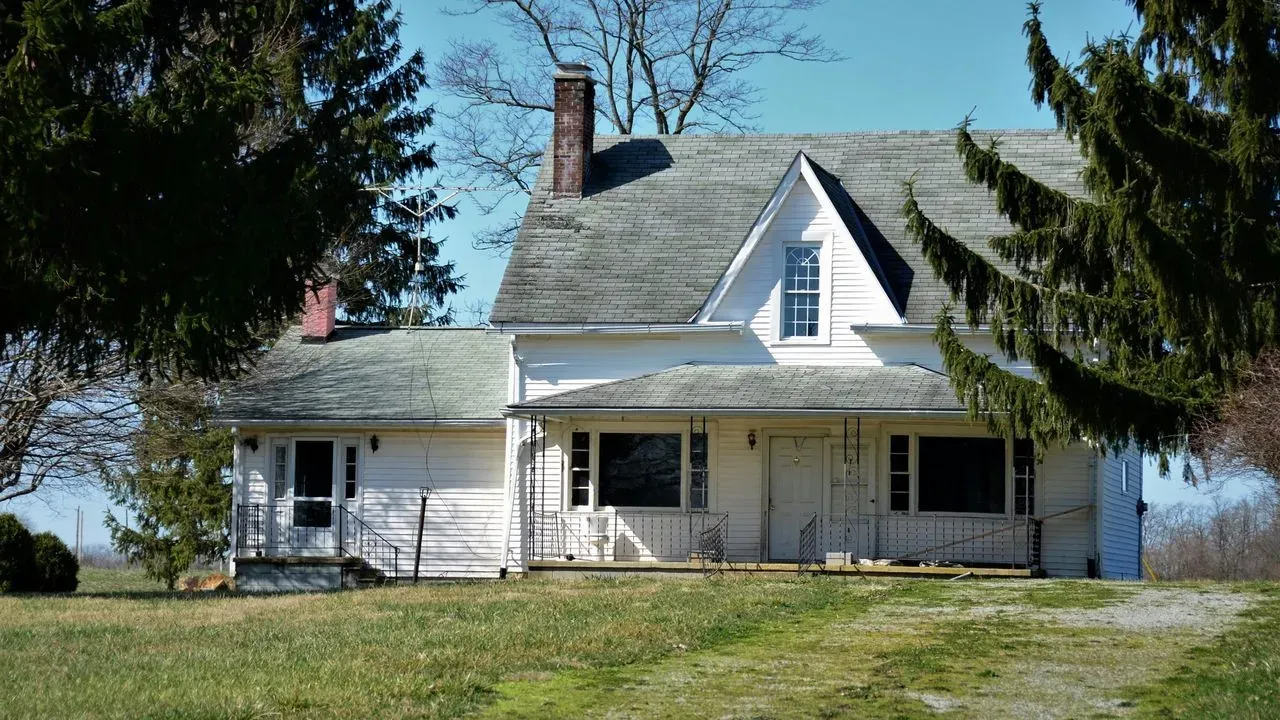

Shelbyville, Kentucky – The former residence of Colonel Harland Sanders and the neighboring restaurant he helped shape stand at the center of an upcoming public sale that draws attention to a key chapter in American fast-food history. Scheduled for July 28, the auction includes the mansion known as Blackwood Hall along with the still-operating Claudia Sanders Dinner House and a range of personal items once owned by the KFC founder. The event underscores how physical remnants of Sanders’ later life continue to attract interest decades after he built his global brand.
Properties Tied to His Later Years
Blackwood Hall, an 1866 mansion on three acres, served as Sanders’ primary home in Shelbyville after he sold the KFC company. The property hosted early franchise training sessions where operators learned his methods firsthand. Adjacent to it sits the Claudia Sanders Dinner House, named for his wife and still serving meals today. Both structures will transfer to new ownership through the same auction process. The sale reflects a shift in how historic commercial properties change hands. Rather than private listings, the public format allows broader participation from collectors, investors, and enthusiasts of mid-century American business stories.
Memorabilia With Direct Links to the Recipe
Among the standout lots is a 1964 planner filled with Sanders’ handwritten notes. One page outlines the 11 herbs and spices central to his chicken preparation, complete with percentages. Auction organizers note that only the eventual buyer will have full access to interpret those details. Additional items include a pressure cooker used for demonstrations, a personal knife set, his Kentucky Colonel certificate, and a Bible. These objects provide concrete connections to the daily routines of the man who popularized pressure-fried chicken on a national scale. – 1964 planner with spice notes
– Pressure cooker and knife set
– Kentucky Colonel certificate
– Personal Bible and other documents
Context of the Sale
Sanders developed his signature recipe in the 1940s while operating a roadside restaurant in Corbin, Kentucky. After selling the company in 1964, he continued refining operations from Shelbyville, where the auction properties are located. The upcoming sale therefore captures both his residential life and the operational base he maintained into later decades. Interest in the lots stems from their association with a figure whose image remains one of the most recognizable in the restaurant industry. The combination of real estate and artifacts creates a package that appeals to those seeking pieces of 20th-century entrepreneurial history rather than standard residential or commercial assets.
Looking Ahead
The July 28 auction will determine who acquires these elements of Sanders’ legacy. Whether the buyer views the planner as containing the definitive recipe or simply as a historical document remains to be seen. In either case, the properties and items move from private hands into a new chapter of public ownership.
AI Disclaimer: This article was created with the assistance of AI tools and reviewed by a human editor.