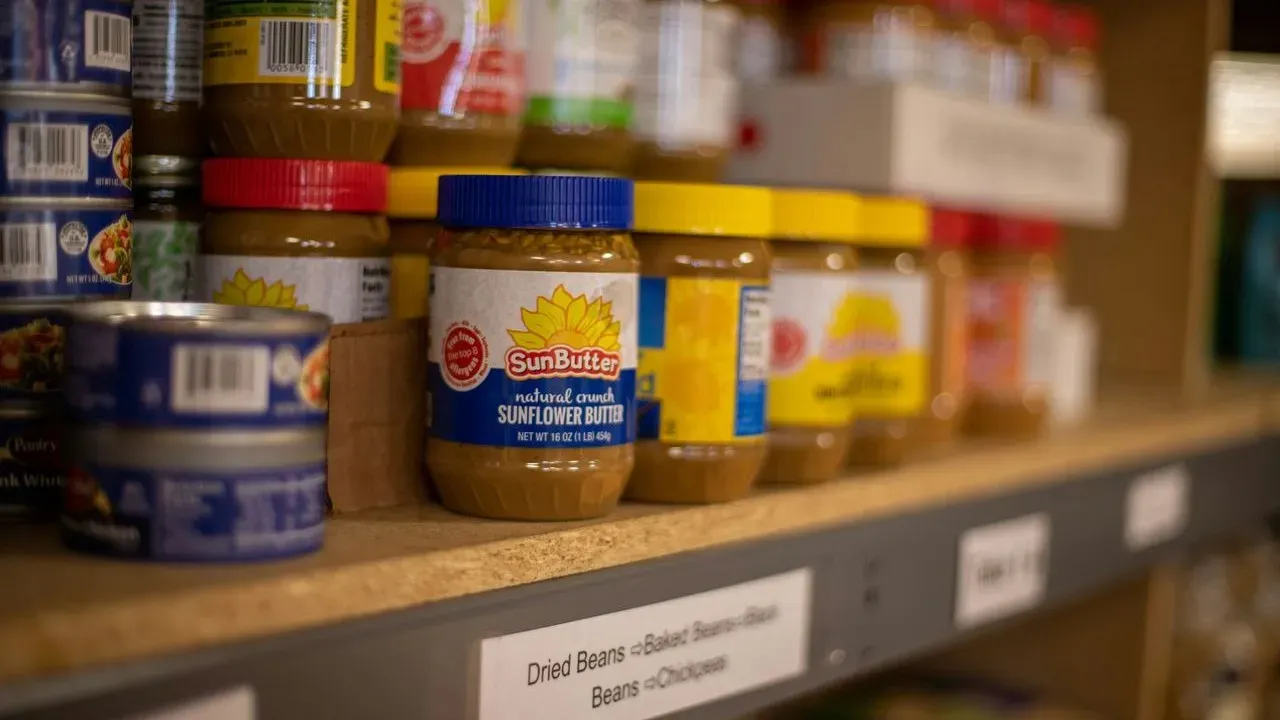

Most people clear out their pantries on a schedule set by printed dates rather than any real sign of trouble. A jar of honey or a box of rice sits untouched for months, then gets tossed because the label says the time has come. In reality, the chemistry inside many common staples works against spoilage long after those dates pass, turning what feels like waste into perfectly usable food.
The Quiet Difference Between Quality and Safety
Best-by and sell-by dates were never meant to mark the moment food becomes dangerous. They signal when a manufacturer expects peak flavor or texture. For items built around sugar, salt, acid, or very low moisture, that peak can stretch for years while safety holds steady. The distinction matters most in a home kitchen, where tossing food early adds up quickly in both cost and unnecessary landfill waste.
Once that idea settles in, the pantry starts to look different. A sealed container of white rice or a bottle of pure vanilla extract does not suddenly turn risky on a calendar date. The real limit comes only when the conditions that protect the food are broken, such as moisture creeping in or a seal failing.
How Low Water Activity Keeps Microbes at Bay
Bacteria and mold need available water to grow. Many pantry foods tie up whatever moisture they contain so tightly that microbes cannot use it, even if the item does not feel dry to the touch. High concentrations of sugar in honey or maple syrup, salt in cured meats and miso, acidity in vinegar-based sauces, and alcohol in pure extracts all perform this same trick. The result is a natural barrier that commercial processing simply reinforces.
This principle explains why an unopened can of vegetables can remain safe for years if the can itself stays intact and undamaged. It also explains why brown rice spoils faster than white rice: the bran layer left on brown rice still holds oils that can turn rancid, while white rice has had that layer removed. The same low-moisture logic applies to dried pasta and cornstarch, both of which offer almost nothing for microbes to feed on once sealed away from humidity.
Standout Examples That Defy the Calendar
Honey stands out as the clearest case. Properly sealed, it can remain stable for decades because bees reduce its water content and add natural acidity plus a trace of hydrogen peroxide. Crystallization may occur, yet that change is reversible with gentle warming and does not affect safety. Archaeologists have even recovered honey from ancient sites that was still intact.
Pure vanilla extract benefits from a federal requirement of at least 35 percent alcohol by volume, a level that most microorganisms cannot tolerate. Vinegar and hot sauces rely on acidity in the same way pickling does. Dry-cured salami and beef jerky reach low water activity through salt and controlled drying, allowing whole, uncut pieces to stay shelf-stable for months. Hard aged cheeses such as Parmesan concentrate salt and lose moisture during aging, so a small surface mold spot can often be trimmed away safely.
Salt itself never spoils in the ordinary sense, though iodized varieties may slowly lose iodine potency over very long periods. Sugar behaves similarly as a stable mineral-like compound once moisture is controlled. Dried beans follow the same pattern as other low-moisture legumes and grains, remaining safe in sealed storage far past any printed date as long as they stay dry and free of pests.
When the Protection Stops Working
Every one of these foods depends on an unbroken set of conditions. Introduce moisture with a wet spoon, leave a bag of jerky open for weeks, or dilute vinegar into a milder sauce, and the barrier disappears. Normal spoilage rules then apply. The same caution holds for homemade versions, which rarely match the verified water activity or salt levels of commercial products.
Refrigeration can still help with quality after opening, even when it is not required for safety. Opened soy sauce or miso keeps flavor longer in the fridge, and cut hard cheese benefits from the cold. Unopened honey, vanilla extract, and dry staples remain fine at room temperature in a cool, dark spot.
Key points to remember: Best-by dates on these items mark quality, not safety. Judge by sight, smell, and texture. Discard anything showing mold, sliminess, or off odors regardless of the date. The chemistry only works while the original conditions stay intact.
Understanding this changes how a household manages its stores. Instead of automatic disposal, a quick check becomes the deciding step, reducing waste while keeping meals reliable. The dates on the package are simply not the full story.
AI Disclaimer: This article was created with the assistance of AI tools and reviewed by a human editor.