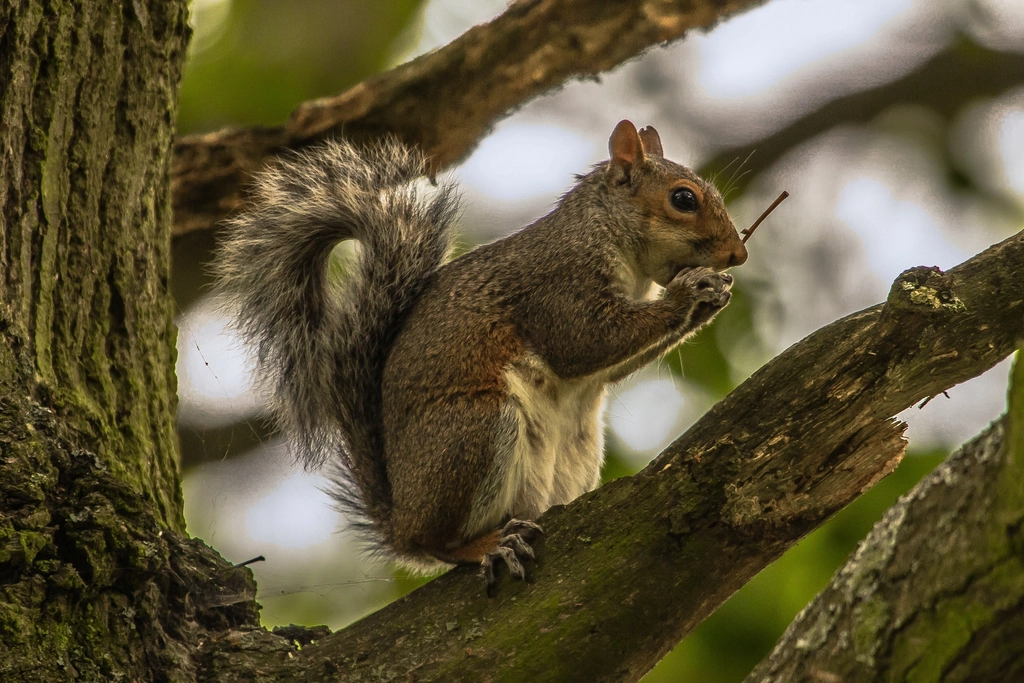

Squirrels have a reputation for being scatterbrained little hoarders, frantically burying acorns in autumn and then apparently losing track of half of them. It’s a familiar backyard scene that most people chalk up to animal forgetfulness. The reality, though, is far more layered and genuinely strange once you look at the science.
What’s happening beneath the surface of your lawn isn’t just a rodent memory failure. It’s a sophisticated ecological system involving strategy, deception, competition, and an accidental partnership with forests that has shaped entire landscapes for thousands of years.
The Scale of the Operation Is Hard to Grasp
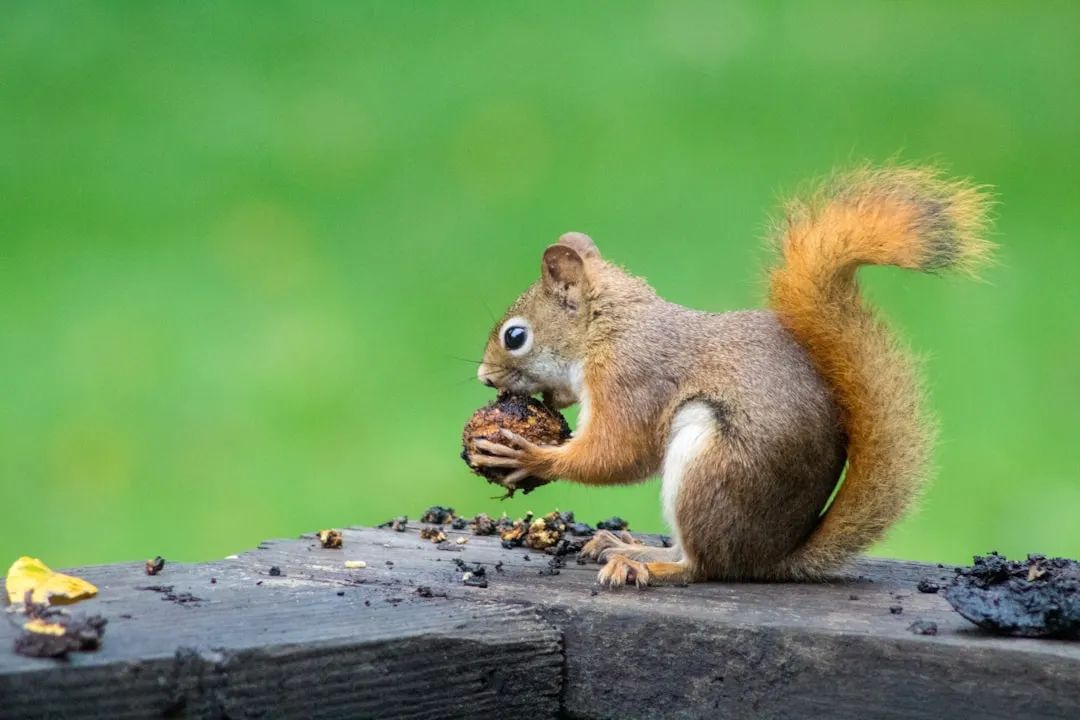
A single squirrel can bury up to 3,000 nuts in a season in a process known as caching. It can store nuts across dozens of locations and even spatially organize them by type. Some estimates go further: studies show that a single squirrel can cache up to 10,000 acorns annually, with approximately 20 to 30 percent of these forgotten and left to sprout.
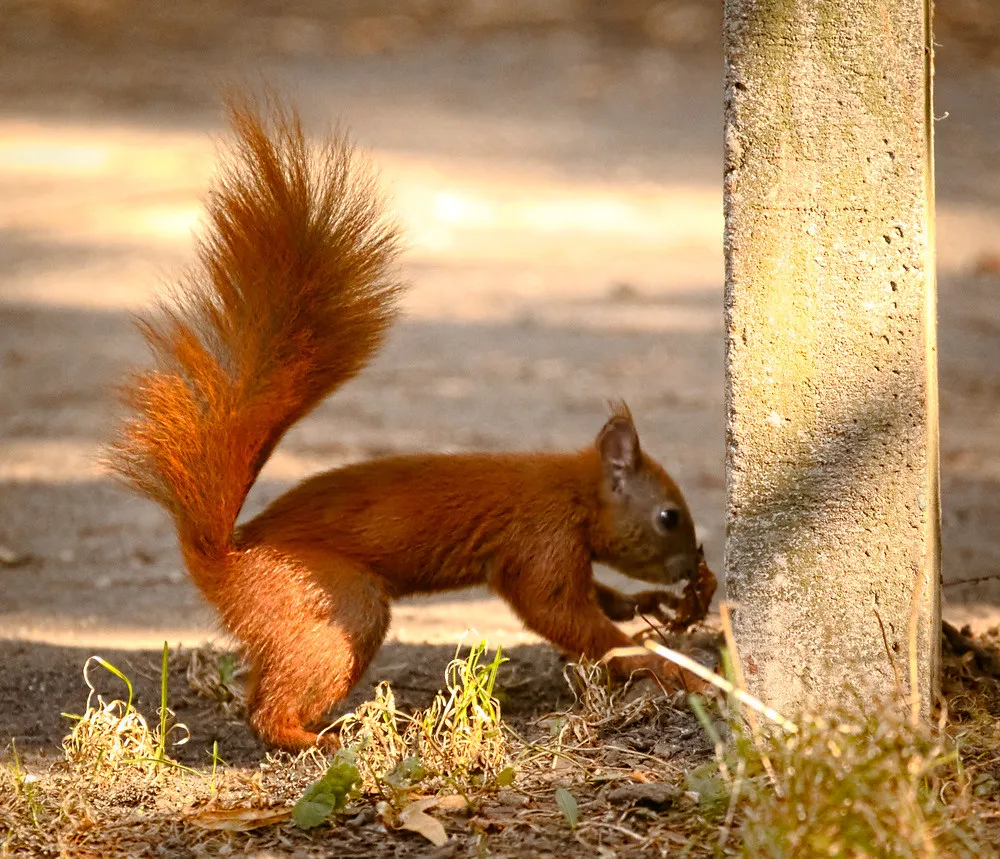
Scatterhoarding is a time and energy intensive behavior where animals store food in their home ranges for consumption in a season of scarcity, typically winter. Temperate species, such as the Eastern Gray Squirrel, do not fully hibernate during winter and remain active, sometimes entering short periods of torpor, which requires them to regularly wake and forage. This makes that buried stockpile genuinely essential for survival.
Squirrels Are Not Nearly as Forgetful as We Think
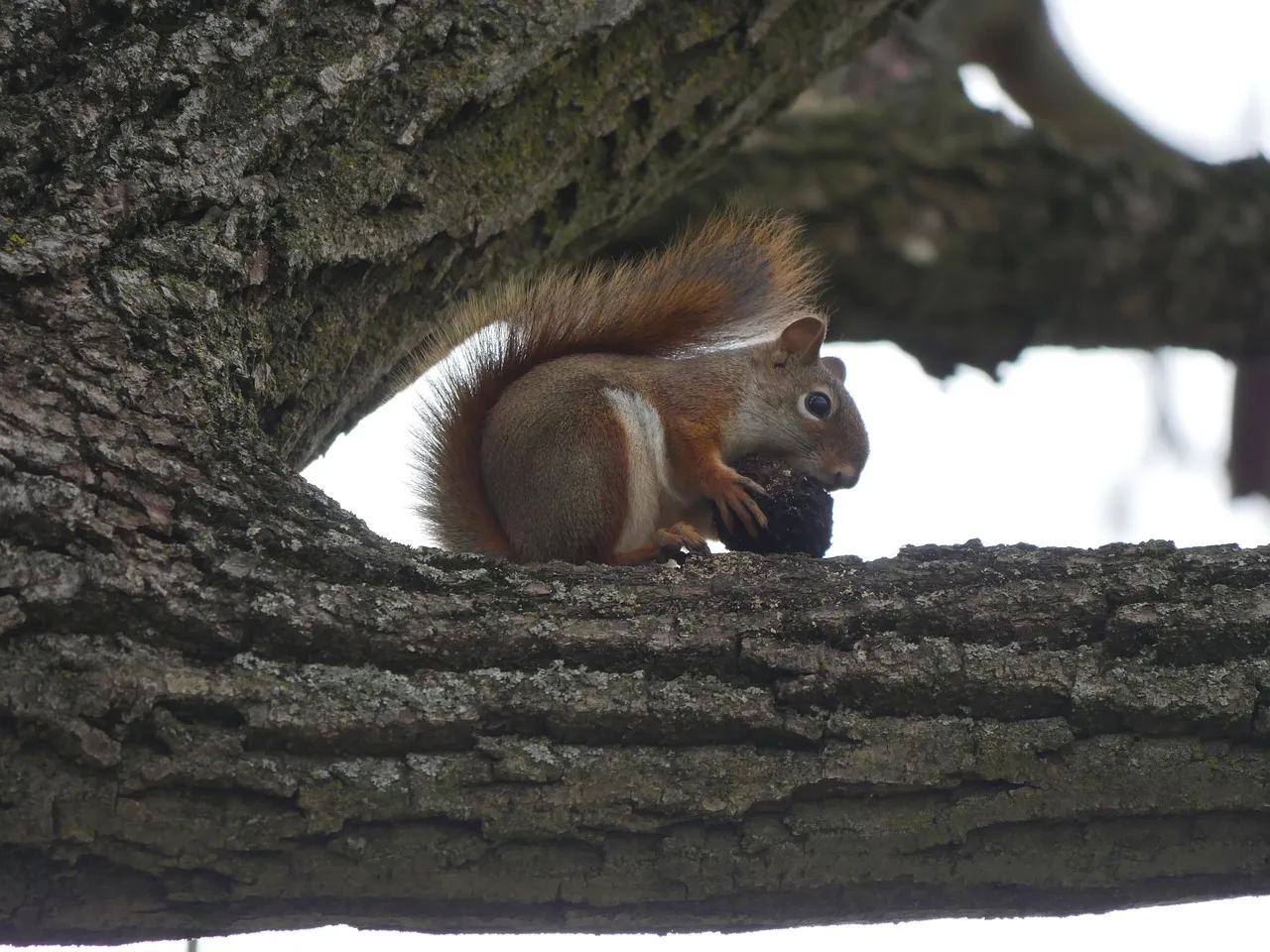
Decades of research all point to the same conclusion: squirrels are far better at recovering stored food than the popular narrative suggests. One 1980 urban study estimated that gray squirrels retrieve roughly 85 percent of their cached nuts. More recently, a 2023 study reports that red squirrels living in an urban park quickly found the majority of nuts they cached, even when faced with stiff competition from other squirrels.
The answer to how they do it is a multifaceted combination of spatial memory, olfactory cues, and observation. In field conditions, squirrel spatial memory remains sufficiently precise to support targeted search after days to weeks of delay, and natural landmarks can guide retrieval. These aren’t casual animals fumbling around in the dirt hoping for a lucky find.
The Hippocampus Holds the Key
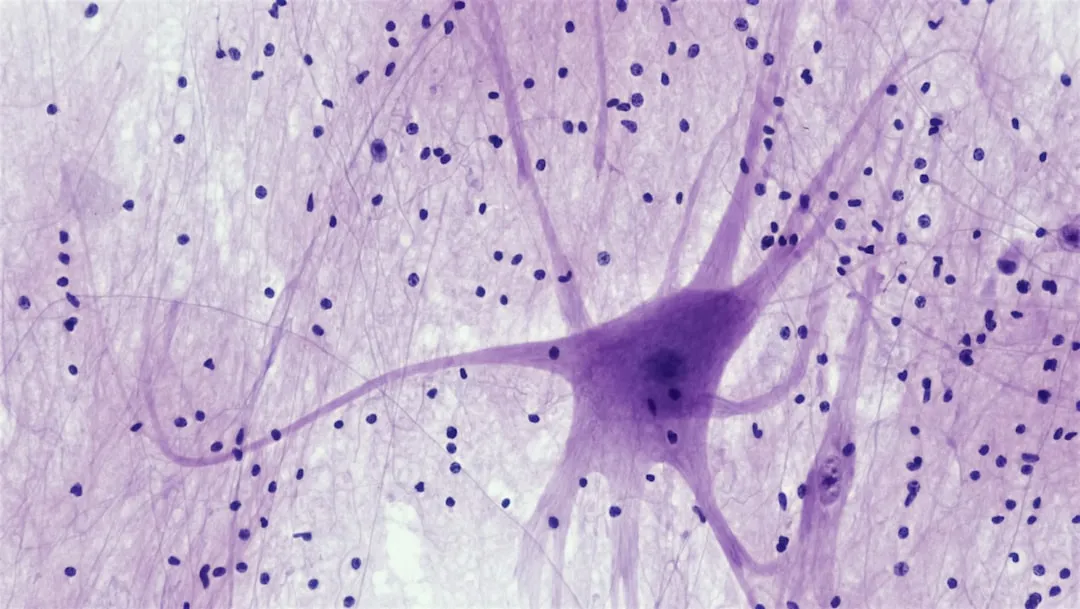
A study published in the journal Genes, Brain and Behavior by neurologists at the University of Toronto found three times the density of proliferating cells in the dentate gyrus of gray squirrels than in the yellow pine chipmunk, a small rodent that employs larder caching. The dentate gyrus is an area of the hippocampus, the part of the brain that controls memory and navigation, and represents one of the few areas of the brain in which neurogenesis occurs.
Consistent with previous smaller scale studies, research published in the Journal of Animal Ecology in 2024 found that scatterhoarding was an evolutionarily derived strategy, and that caching strategy was strongly associated with brain size, population density, and climate. In other words, the squirrel’s brain is shaped by thousands of years of pressure to remember where the food is hidden.
Squirrels Sort Their Caches Like a Mental Filing System
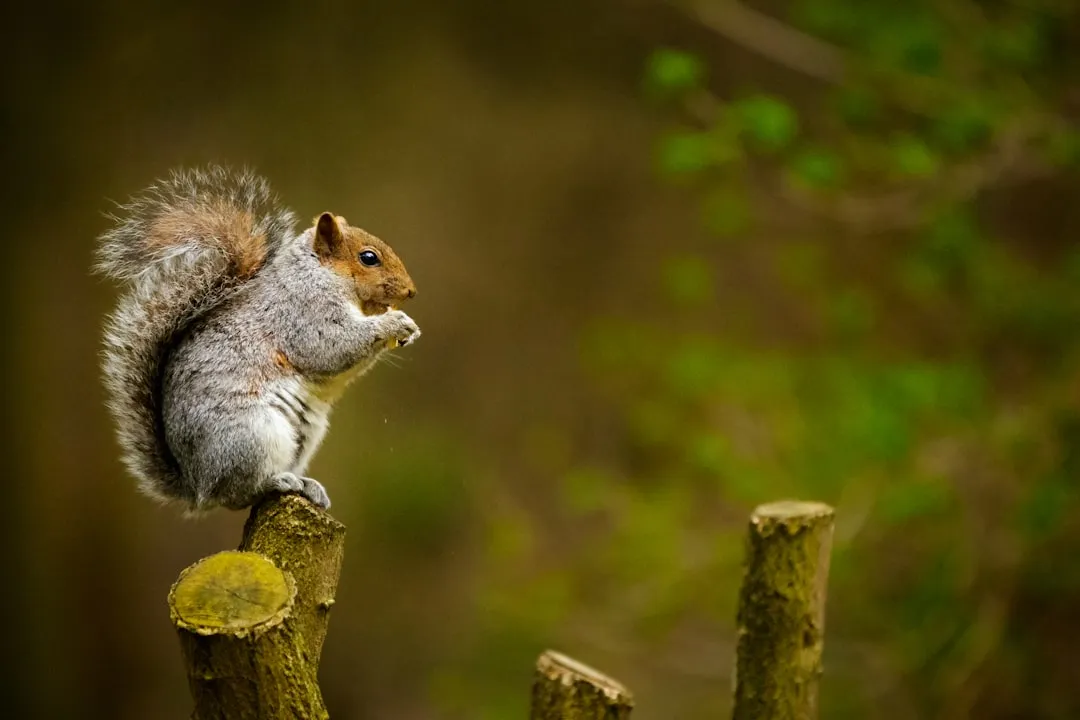
Squirrels appear to be capable of “spatially chunking,” placing nuts of the same type into caches that are separate from those belonging to another type. A 2017 study involving fox squirrels and four different types of nuts showed that the squirrels were able to sort the nuts and bury those of the same type together while burying those of the other types in separate caches a short distance away.
Results demonstrated that squirrels spatially chunked their caches by nut species, and this first demonstration of spatial chunking in a scatter hoarder underscores the significant cognitive demand of scatter hoarding. Essentially, squirrels visualize a kind of color coded mental map of their territory, one layer for where they buried their own nuts and another for spots where other squirrels have stored theirs. From a tree branch, they can scan the ground and remember not only their personal pantries but also the best places to steal from.
The Nuts That Get Left Behind Are Not Random
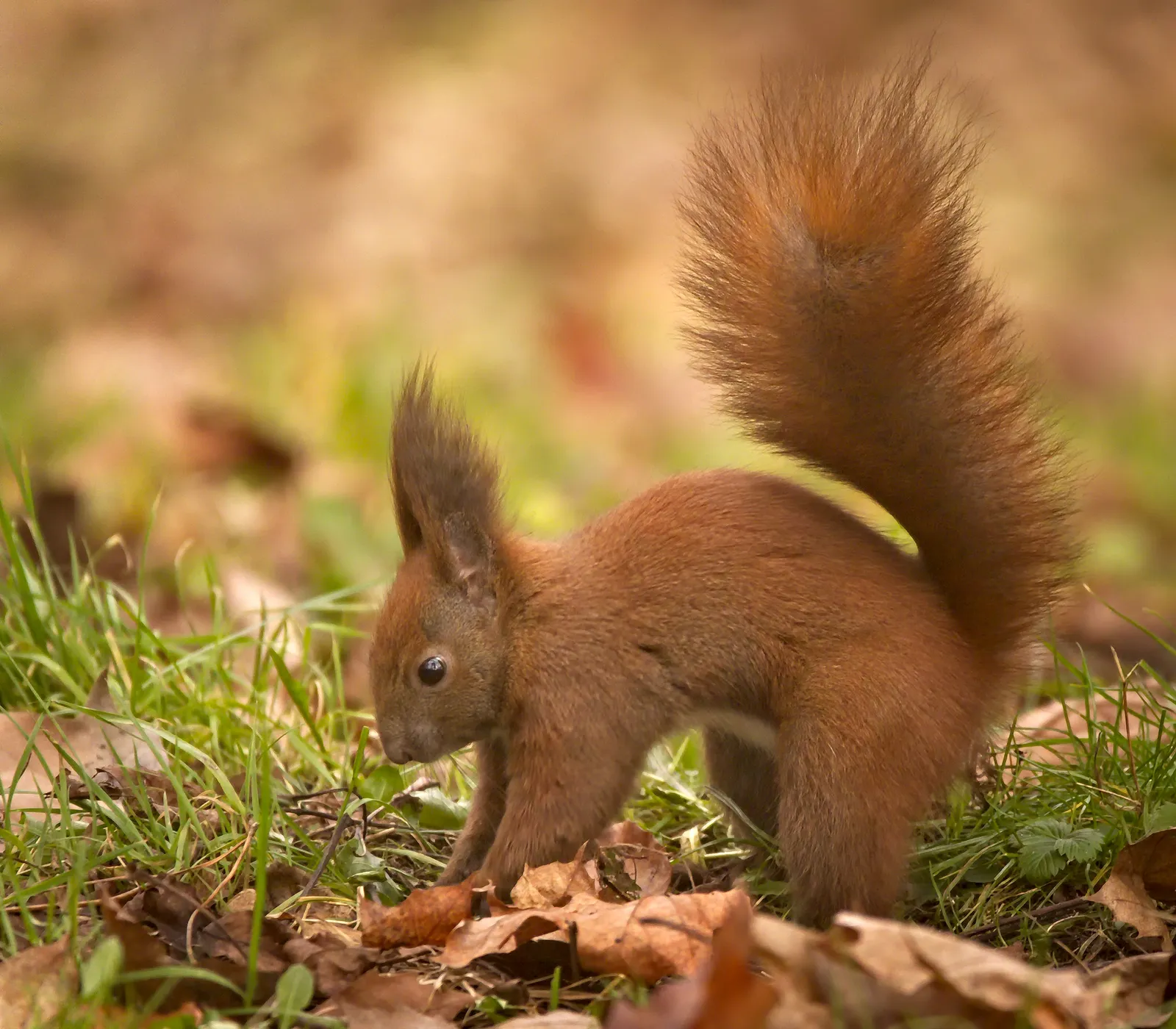
While it’s almost certain that squirrels forget some subset of the nuts they bury over a season, it’s not entirely clear whether these are truly forgotten or simply abandoned in favor of food that is easier to recover. Studies suggest squirrels fail to recover a substantial percentage of their hidden nuts, with figures often falling between 10 and 25 percent. These unrecovered nuts, particularly heavy seeds like acorns and walnuts, are effectively planted.
Burying the nut places it in a layer of soil ideal for germination, providing necessary protection and moisture. Freezing and thawing can change the scent of the ground and the texture of the soil, making it harder for squirrels to find their caches, which means environmental conditions play a genuine role in which caches get abandoned. It’s not purely a brain failure.
Squirrels Run Elaborate Deceptions to Protect Their Stash
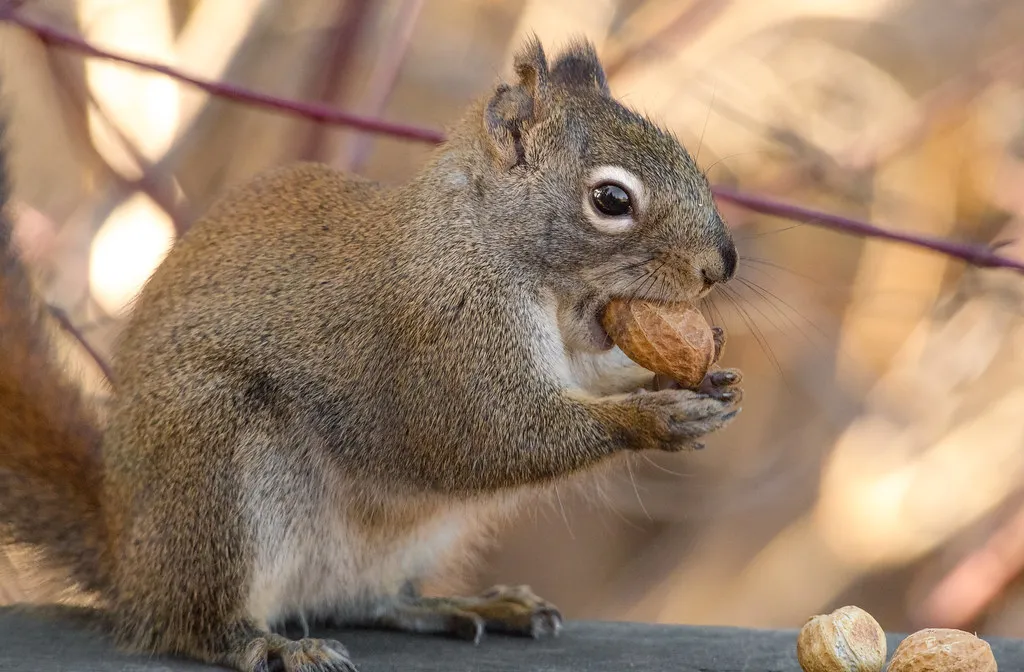
The caching process also involves behavioral deception aimed at protecting the food supply from thieves. When a squirrel senses it is being watched, it engages in “deceptive caching,” digging a hole and going through the motions of burying a nut, only to cover the empty hole or bury a less desirable item, allowing the squirrel to move to a less conspicuous location to bury the valuable nut for real.
Based on more than 500 trials with more than 52 free ranging grey squirrels observed over two years, researchers found that deceptive caching occurred in roughly 13 to 14 percent of all caching events, and that free living eastern grey squirrels perform this behavioral deception in the presence of conspecifics by covering excavated but empty cache sites. Such deceptive caching happened more often in the close presence of rivals and reduced the probability of cache theft by other pilferers.
Theft Is a Constant Problem and Shapes the Whole System
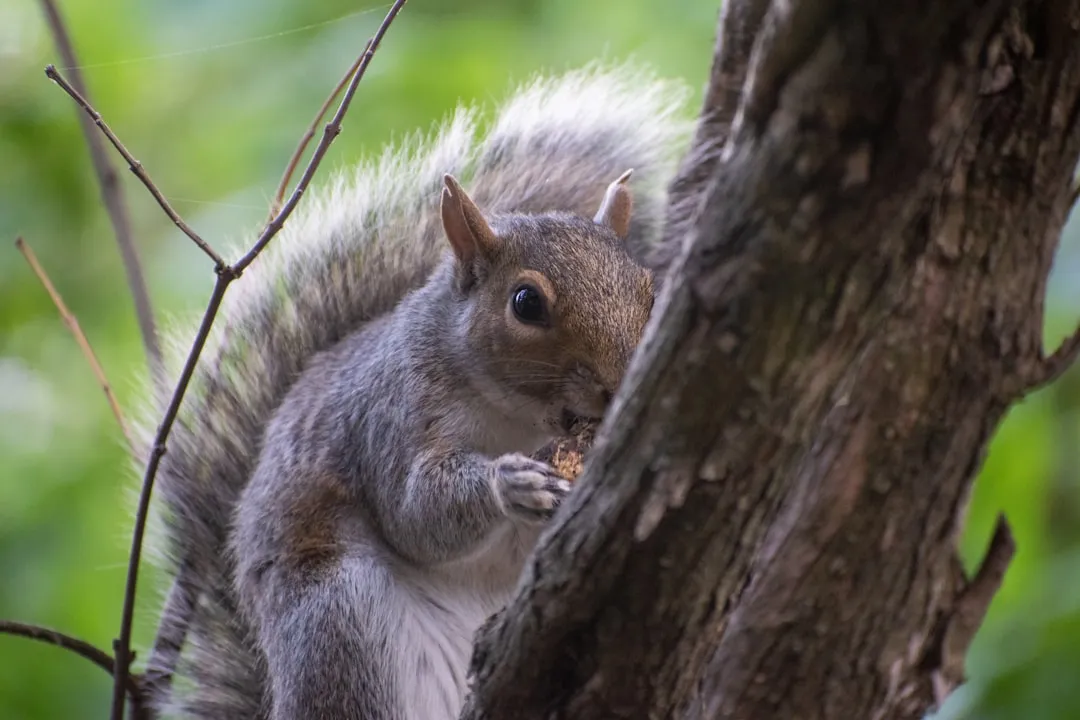
Squirrels lose roughly a quarter of their food to theft by birds and other squirrels, and this is the very pressure that drives all that deceptive behavior in the first place. Because caches are pilfered, the hoarder must constantly respond to the competitive social environment.
Researchers at the University of Exeter conducted experiments on their campus and found that when gray squirrels were alone, they took their food off and cached it at a distance from the feeding site, but when other squirrels were present, each took their food shorter distances to cache, allowing them to return more quickly. A study by Japanese biologists found that the further away Japanese squirrels took walnuts, the less likely they were to have their cache pilfered by other squirrels or woodmice. Every caching decision is, at some level, a calculation.
The Forgotten Nuts Quietly Grow Forests
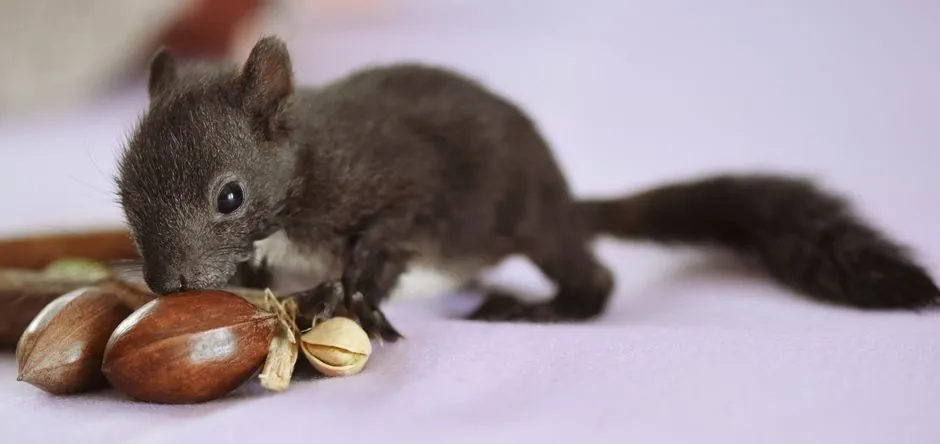
Squirrels bury far more seeds than they recover later. Those forgotten caches are seeds planted by accident, and they become the seedlings and saplings of future forests. Research on squirrels and acorns shows that tree squirrels bury and fail to retrieve a substantial fraction, creating a powerful engine for oak regeneration. Over time, the cumulative effect of millions of small caches helps shape the distribution and composition of forests.
Tree to tree transport by squirrels is particularly important in fragmented forests or areas where natural seed dispersal mechanisms are limited. By moving seeds across gaps, squirrels help maintain genetic diversity within tree populations, which is crucial for the long term health and resilience of forest ecosystems. In oak forests specifically, squirrels are the primary dispersers of acorns, ensuring that oak trees can colonize new areas and replace aging or dying individuals.
Squirrels and Oaks May Have Co-Evolved Together
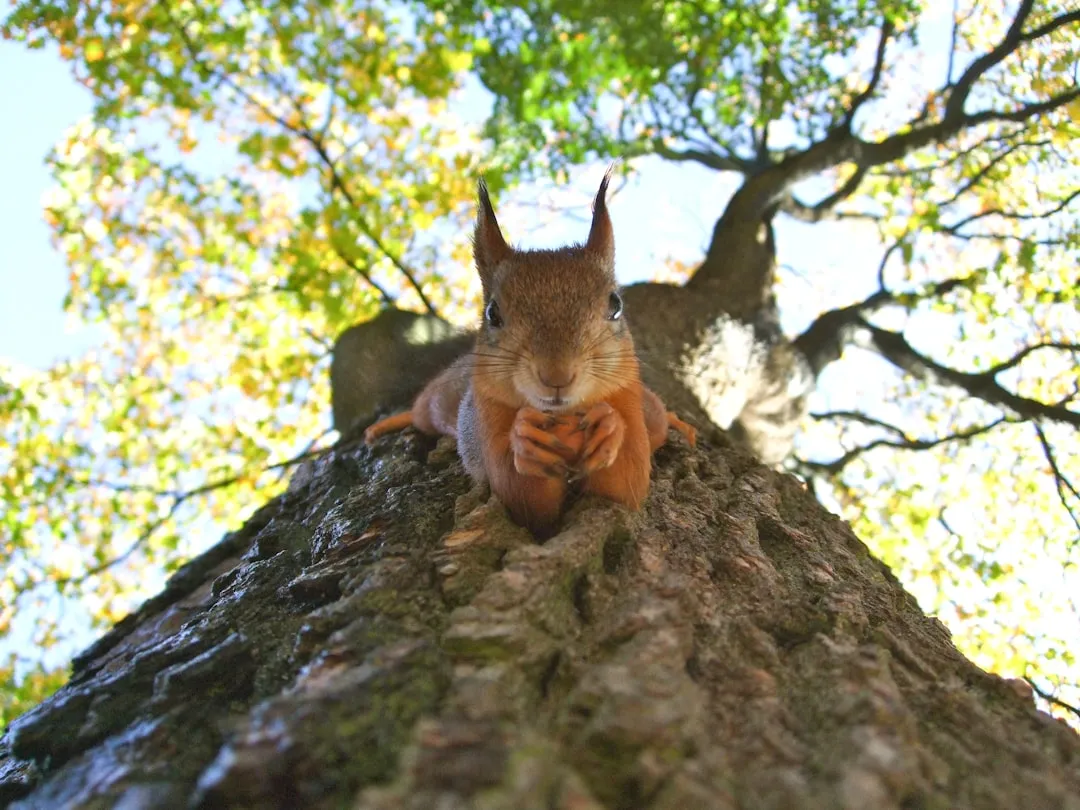
The relationship between oak trees and squirrels is considered by researchers to be an example of “coevolution,” with both species influencing each other’s evolution. A study published in Frontiers in Ecology and Evolution identified “a tight ecological and evolutionary dance between the squirrels and the oaks that has shaped the biology of both across the globe.”
Because such a large percentage of red oak acorns are buried by squirrels, these nuts are widely dispersed, such that red oak trees may be the first ones to crop up in new forests. In contrast, white acorns are either eaten or left beneath white oak trees, germinating near their parent trees. Along with blue jays and a few other small animals, squirrels are now understood to be important in maintaining and regenerating second growth oak forests, and may even have been responsible for spreading the vast stands of oak throughout North America.
Geography Changes How Squirrels Cache
A citizen science program examined geographic patterns in the scatterhoarding behavior of eastern gray squirrels and hypothesized that squirrels would exhibit variation in caching behavior due to the differing winter conditions experienced at different latitudes, with more scatterhoarding behavior expected in regions with harsher winters. The study recruited over 750 volunteers throughout the eastern United States to collect observational data on scatterhoarding activity during multiple seasons.
This kind of large scale geographic variation tells us that squirrel caching behavior isn’t a fixed biological script. Food hoarding strategies exist on a continuum from concentrated caches in a defended larder to scattered caches defended using memory and olfaction, and these strategies emerge in response to specific physical environments. Climate, competition, and local food availability all pull the behavior in different directions.
The Real Reason They Bury Nuts They Never Retrieve
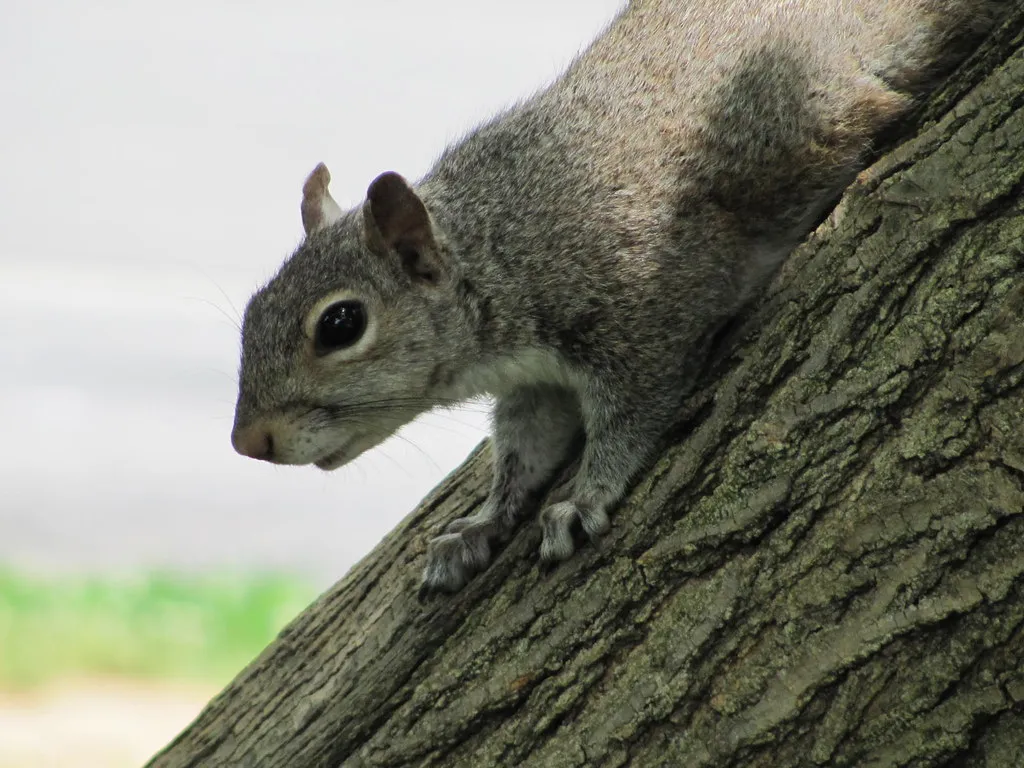
The impression that squirrels are excessively forgetful likely arises from the fact that they bury so many nuts, making it inevitable that some will be lost or stolen, and the perceived “forgetfulness” of squirrels actually has a significant and beneficial impact on the environment. The core reason some caches are never retrieved is not simple amnesia. It’s a combination of cache theft, changing environmental conditions, intentional abandonment of lower value stores, and genuine memory limits under the pressure of managing thousands of locations simultaneously.
Every nut they bury and fail to retrieve plants the possibility of a future tree, a quiet act of reforestation repeated millions of times over. Scatter hoarding is therefore best understood as an economic control problem rather than a display of forgetfulness. The squirrel is balancing present hunger against future need, theft risk against recovery convenience, and memory capacity against sheer volume.
Final Thoughts
The squirrel’s buried nut that never gets retrieved isn’t evidence of a bad memory. It’s the output of a system that is simultaneously a survival strategy, a cognitive exercise, a social arms race, and an unintentional act of ecological generosity. Through wit, history, and ecology, researchers reveal the profound intelligence behind squirrel behavior and their role as keystone species sustaining the health of entire ecosystems.
The forests we walk through today owe something to squirrels that lived decades or even centuries ago, animals that buried a nut, got distracted, moved on, and accidentally planted a tree. That’s not forgetfulness. That’s a quiet kind of legacy.
AI Disclaimer: This article was created with the assistance of AI tools and reviewed by a human editor.