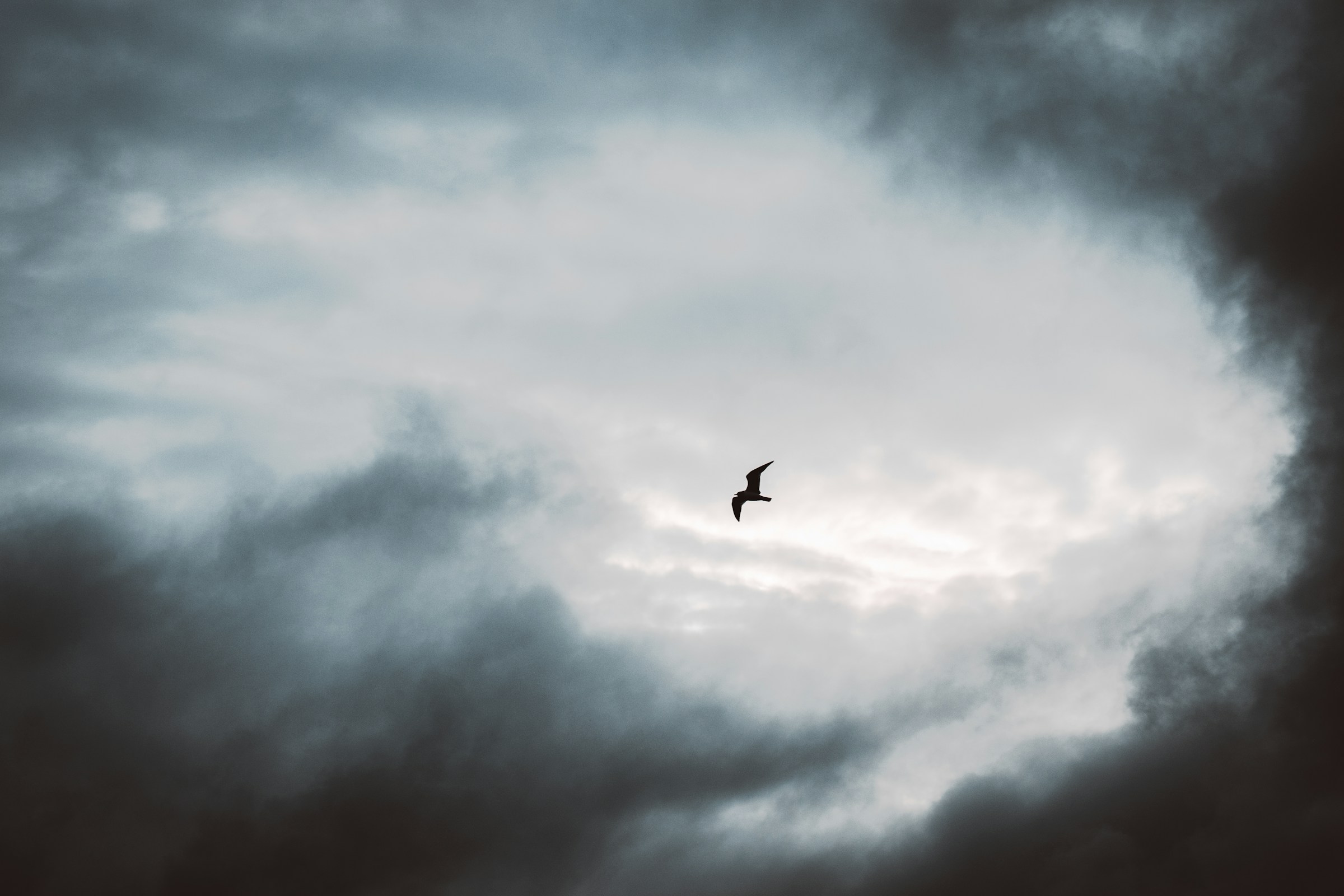

Most people check their phone for the weather. A growing body of research suggests you could just watch the birds instead. For centuries, farmers, sailors, and naturalists noticed that birds seemed to know bad weather was coming before any human instrument could confirm it. Today, controlled experiments and field studies are beginning to explain exactly why that observation holds up.
What’s remarkable is how many separate signals birds are actually reading at once. Barometric pressure, infrasound, humidity, temperature shifts – birds are processing a kind of atmospheric data stream that our senses simply don’t have access to. Here’s what those behaviors actually look like in your own backyard, and what science says is driving them.
The Sudden Silence That Precedes the Rain
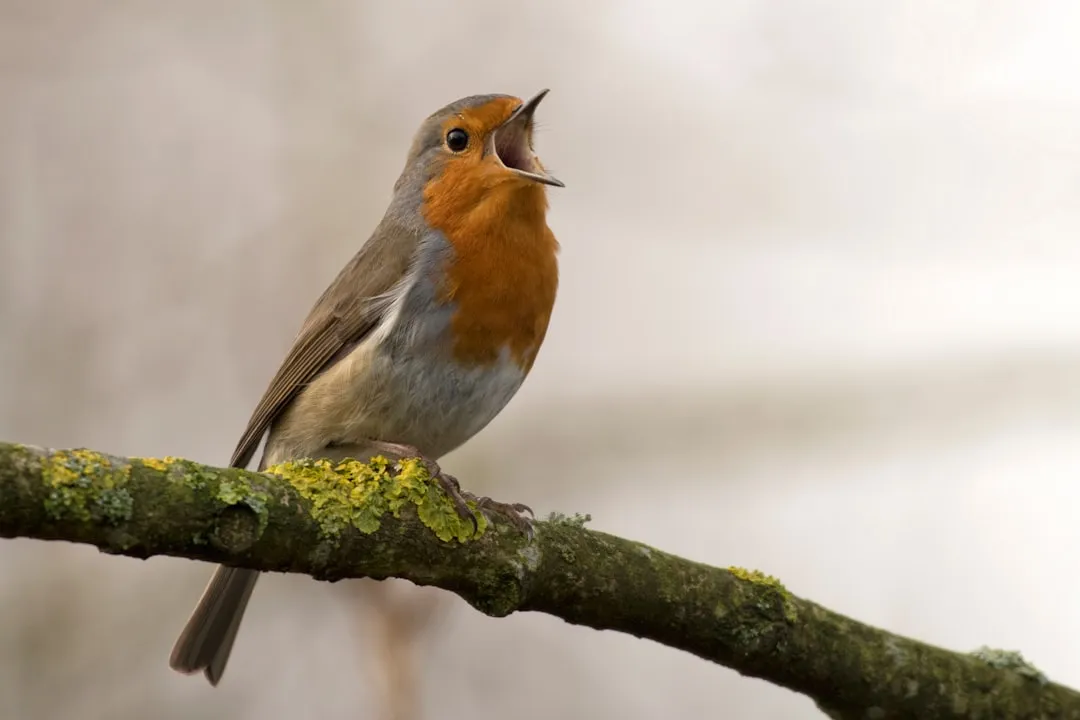
One of the most striking pre-storm signals is one that’s hard to miss once you know to listen for it. The “eerie silence” in the natural world just before a significant storm is often attributed to birds ceasing their singing and calling, possibly to conserve energy, avoid being heard by predators, or simply because they’ve found shelter. This isn’t melodrama – it’s a measurable behavioral shift that many experienced birdwatchers report consistently.
The sudden silence before a storm is likely a direct result of birds perceiving infrasonic cues and ceasing their vocalizations as they take cover. The quiet often sets in well before visible clouds gather, which is part of what makes it genuinely useful as a signal. When the birds go quiet mid-morning on a warm day, it’s worth checking the forecast.
Swallows and Swifts Dropping Low
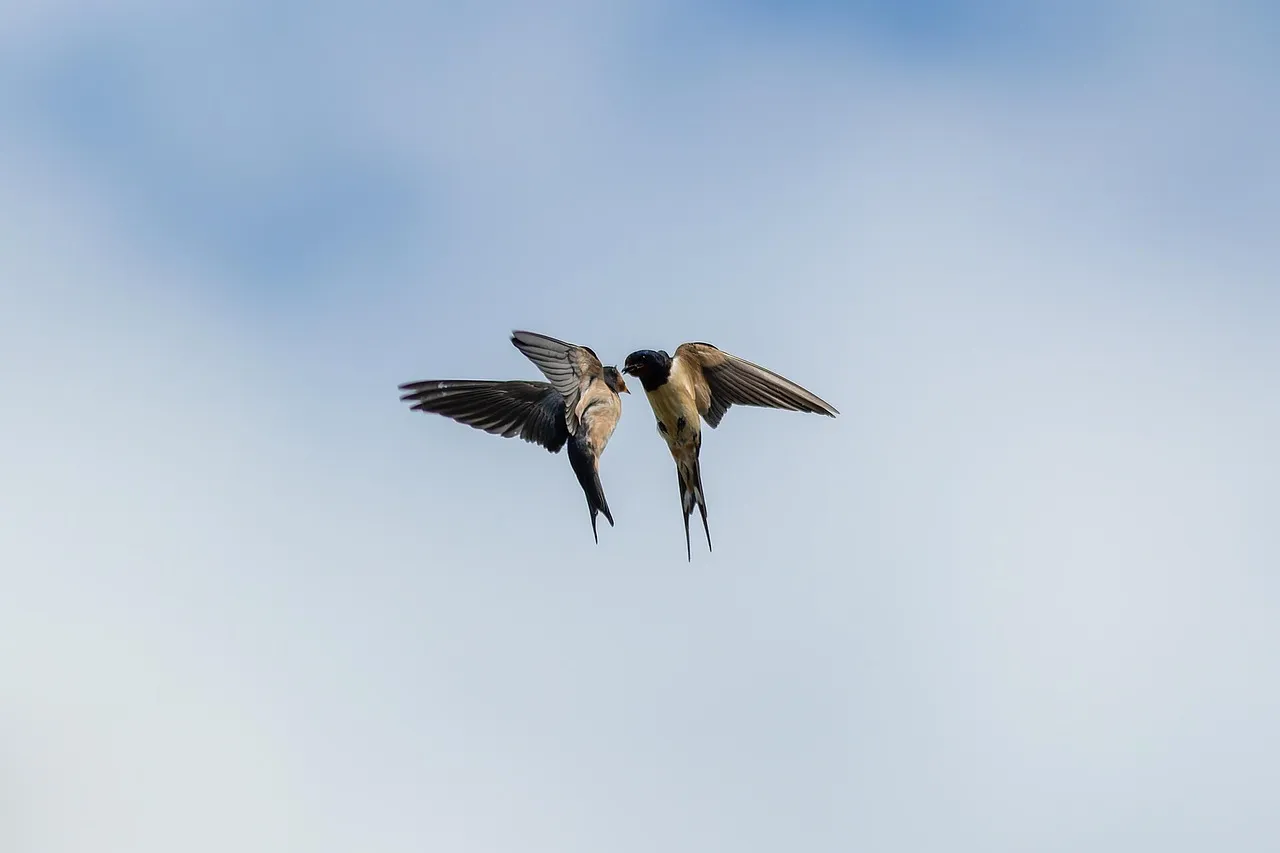
If birds fly low, expect rain and a blow. This is the most reliable bird-weather rule on the books. The mechanism is straightforward. When a low-pressure system moves in, the air above the ground becomes heavier with moisture, which is harder for insects to fly through at altitude. The insects drop closer to the ground, and insect-eating birds – swallows, swifts, martins – follow their food downward and feed at low altitude.
As a low-pressure system moves in, the air becomes less dense. For birds that rely on efficient flight for hunting, flying in less dense air requires more energy. To conserve energy and find more lift, they descend to lower altitudes where the air is still denser. So when you see swallows skimming a pond surface or sweeping low across an open field, expect rain or a wind change within a few hours.
Frenzied Feeding at the Feeder
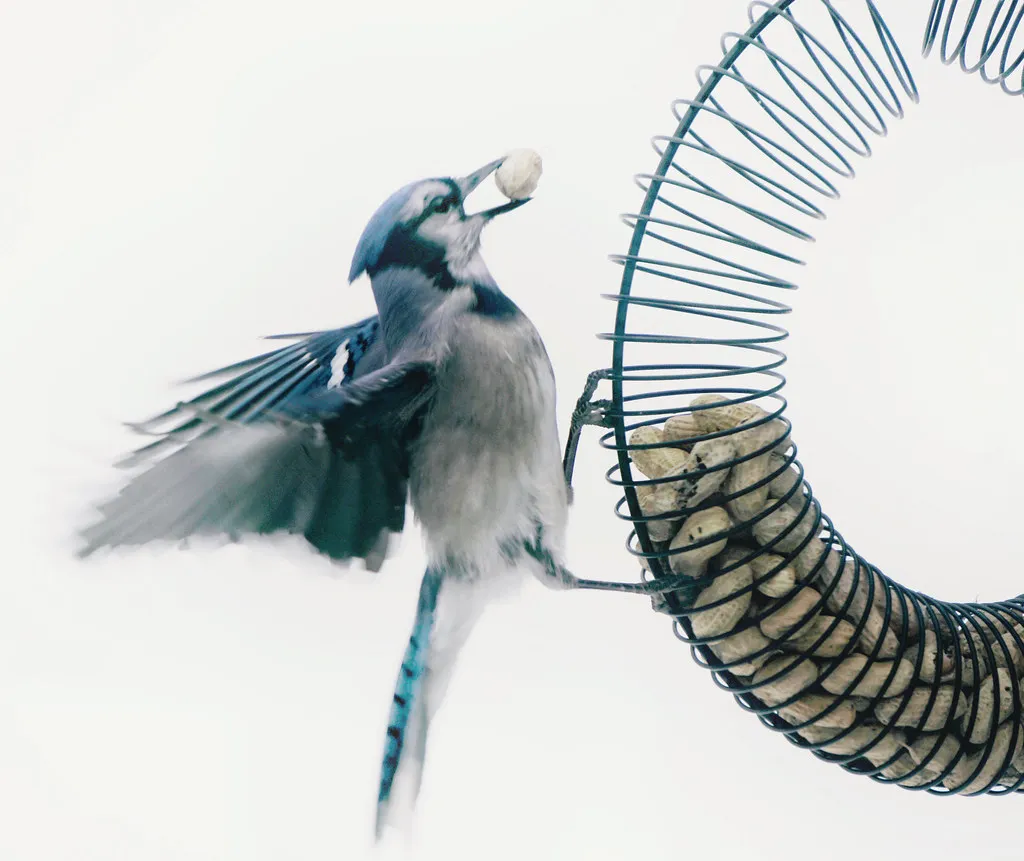
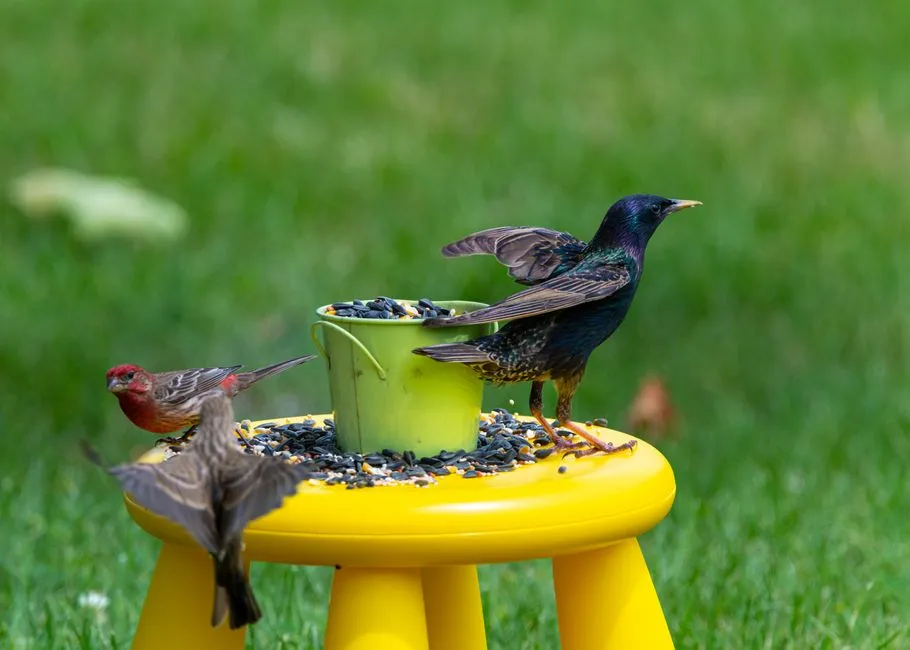
Before a storm, birds often increase their feeding activity to build up energy reserves. This ensures they have the necessary resources to survive the storm and its aftermath. If your backyard feeders suddenly get unusually busy on an otherwise calm-looking morning, that pattern is worth paying attention to.
Many birds engage in a “feeding frenzy” before a storm, consuming more food than usual to build up energy reserves. This behavior helps them endure periods when foraging might be difficult or impossible due to severe weather. Lab research backs this up directly. A laboratory study showed that declining barometric pressure stimulated food intake in white-crowned sparrows, though it had no effect on metabolic rate or stress physiology.
Birds Seeking Dense Cover and Shelter
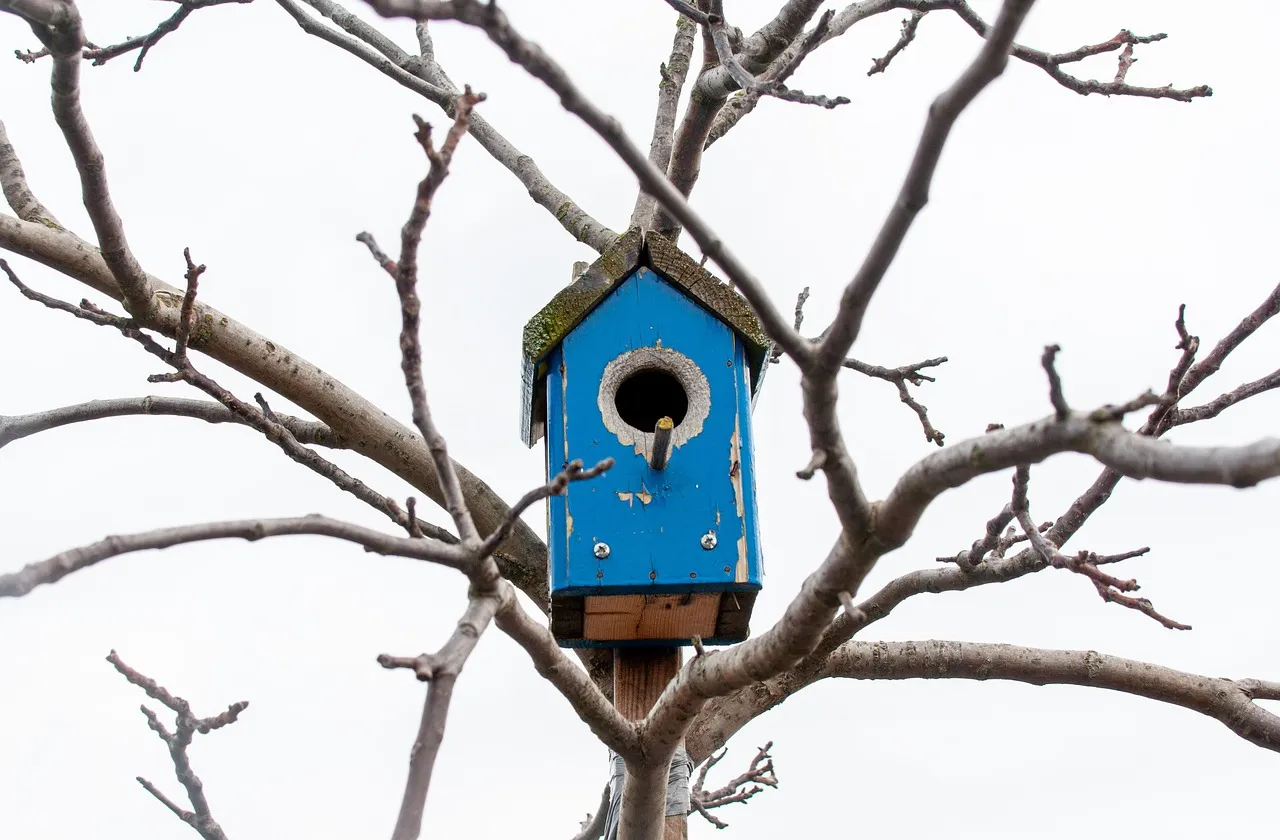
The most obvious response to an approaching storm is seeking shelter. Birds may congregate in dense foliage, find cavities in trees, or move to sheltered areas near buildings. You might notice your usual garden visitors disappearing entirely, retreating into hedgerows or the dense interior of shrubs rather than feeding in the open.
As a storm approaches and the birds sense it, they will actively seek sheltered locations. This can include dense foliage in trees and bushes, cavities in trees or rocks, or under eaves of buildings or in birdhouses. Social species might gather in larger groups for added protection and warmth. The backyard simply empties, which in itself is a readable signal.
Increased Flocking Before Bad Weather
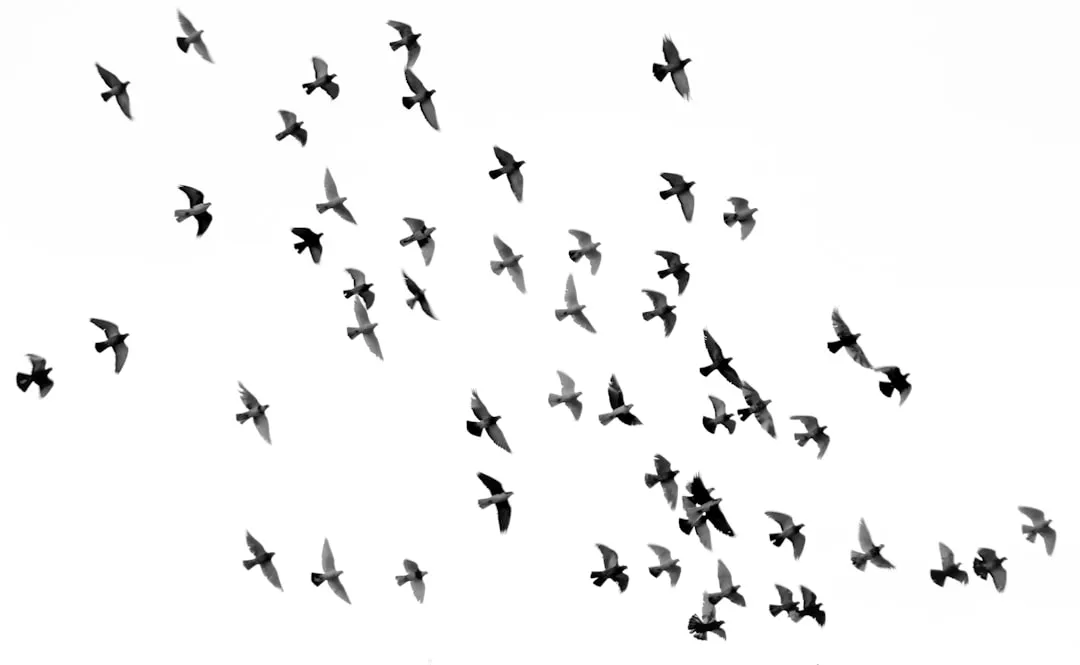
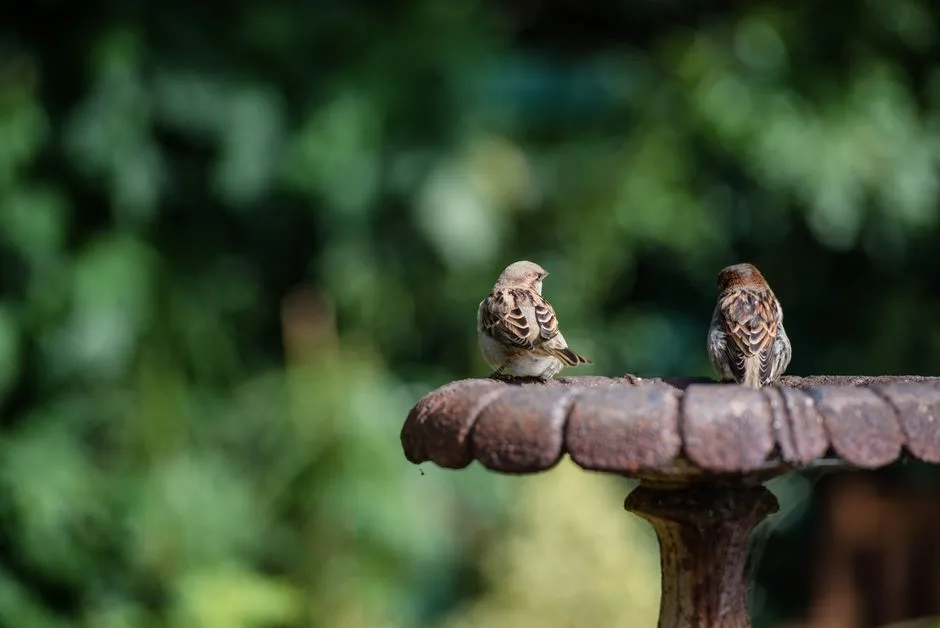
Some species will gather in larger flocks before a storm, likely for increased safety in numbers. This is particularly visible with starlings, sparrows, and other gregarious species that don’t normally congregate in tight groups during calm conditions. When normally dispersed birds start clustering, something in the atmosphere has shifted.
Not all bird species possess the same sensitivity to atmospheric changes. Some species may be more adept at detecting storms than others. Still, the flocking impulse appears across many species as pressure begins to drop, and it’s one of the easier behaviors to observe even for casual backyard watchers.
Barometric Pressure: The Core Mechanism
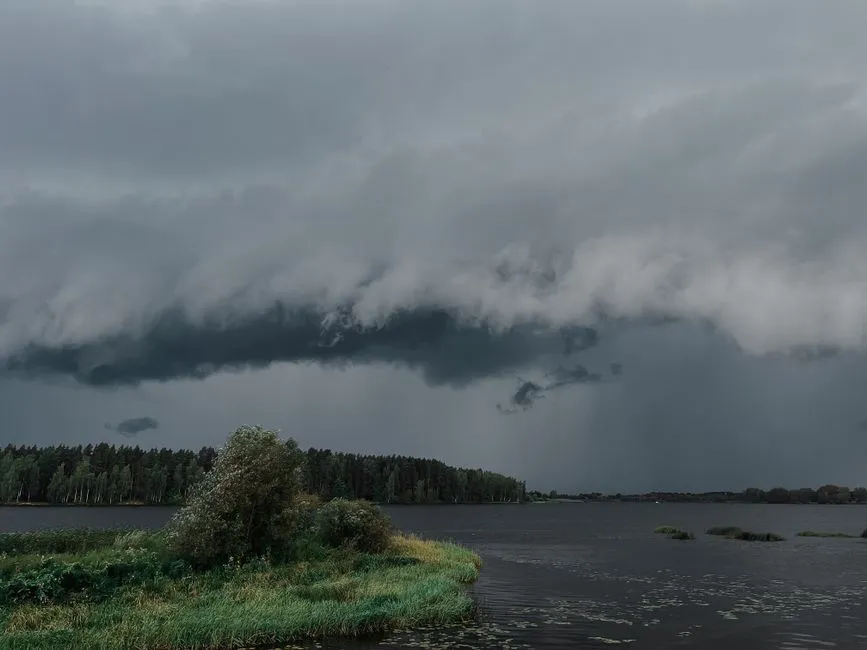
Birds possess an acute sensitivity to changes in atmospheric pressure. A sudden drop in pressure often signals an approaching storm. Specialized pressure receptors in their inner ears likely play a role in this detection. This physiological capability appears to be broadly shared across many bird species, not just a quirk of one or two.
A study from Western University’s Advanced Facility for Avian Research (AFAR) proved through experimentation that birds can predict changes in the weather by reading the rise and fall of barometric pressure. Researchers lowered air pressure artificially in a controlled environment and watched how birds responded, finding that as soon as the lights came on after a simulated pressure drop, birds immediately started eating. The response was rapid and consistent.
Hearing What We Can’t: Infrasound Detection
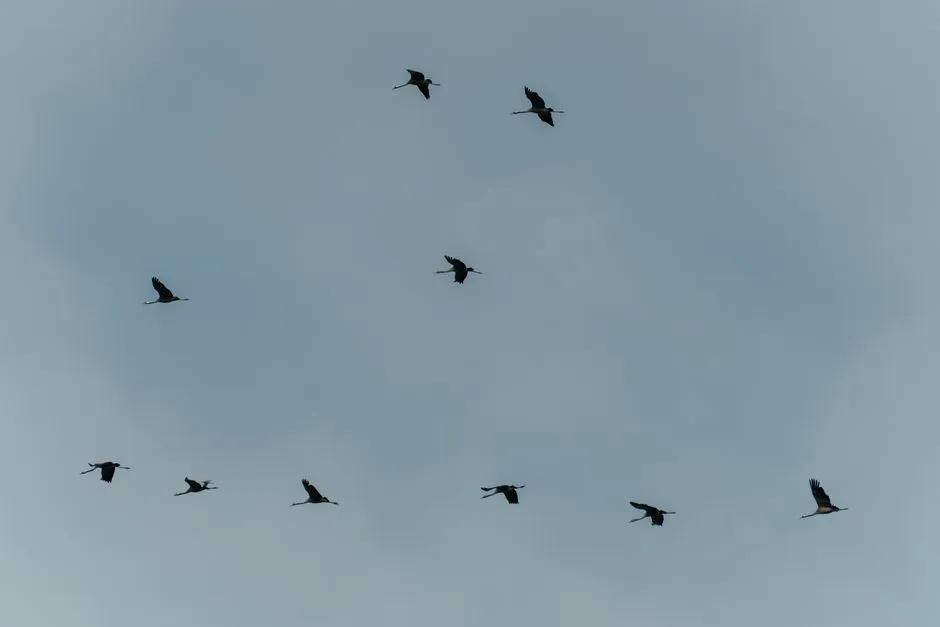
Perhaps the most remarkable storm-sensing ability birds possess isn’t about pressure at all – it’s about sound. One possibility is that animals can sense the infrasound produced by storms, which travels over long distances and serves as an early alarm. These sound waves, imperceptible to the human ear, may alert animals well in advance of approaching danger.
Because infrasound travels so far, birds can detect a distant thunderstorm hours before it’s visible or audible to humans, and well before the local barometric pressure begins to drop significantly. Although humans can’t hear infrasound, birds can, and the destructive nature of these storms may make it advantageous for the birds to get out of the way despite the high-energy costs of flight. This sensing ability is the same one that appears to explain one of the most dramatic bird storm stories ever documented.
The Warbler That Outran a Tornado Outbreak
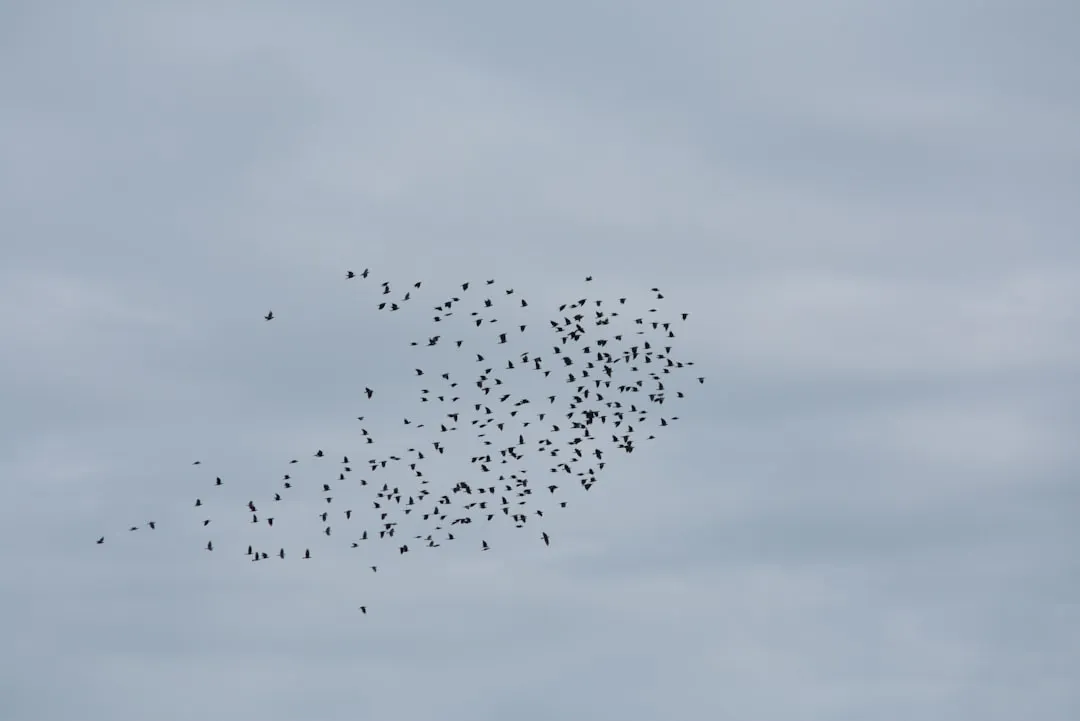
While tracking a population of golden-winged warblers, a research team led by UC Berkeley ecologist Henry Streby discovered that birds in the mountains of eastern Tennessee fled their breeding grounds one to two days ahead of the arrival of powerful supercell storms. The storm system swept through the central and southern United States in late April 2014, generating 84 confirmed tornadoes and killing 35 people.
Notably, the birds fled while the storm was still 400 to 900 kilometers away, and local environmental cues to inclement weather, including changes in atmospheric pressure, temperature, and wind speed, were largely absent. All told, the warblers travelled 1,500 kilometers in five days to avoid the historic tornado-producing storms. The finding, published in the journal Current Biology, was described by Streby as the first time this type of storm avoidance behavior had been documented in birds during breeding season.
Song Changes: A Subtler Pre-Storm Clue
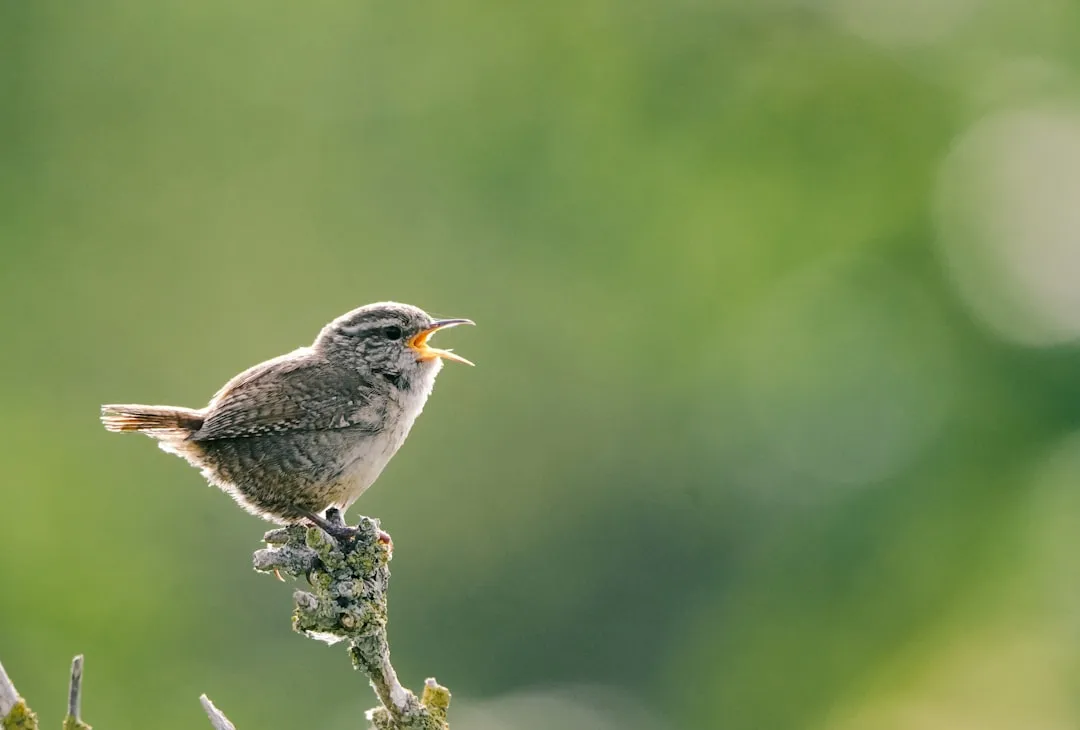
Not all pre-storm bird behavior is about going quiet or disappearing. Some species actually sing differently as conditions change. Researchers think that birds might sing before storms to either reinforce territory before sheltering, attract a mate in a last-ditch courtship, warn flockmates of changes, or frenetically feed before rain drives insects underground.
Research from Western Illinois University has even shown zebra finches altering their song complexity during sudden pressure drops, proof that storms alter behavior at a micro level. So an unusual burst of song from birds that have been quiet, or a change in the rhythm of familiar calls, may be just as meaningful as silence in reading what the sky is about to do.
Coastal and Migratory Birds Moving Inland or Off-Course
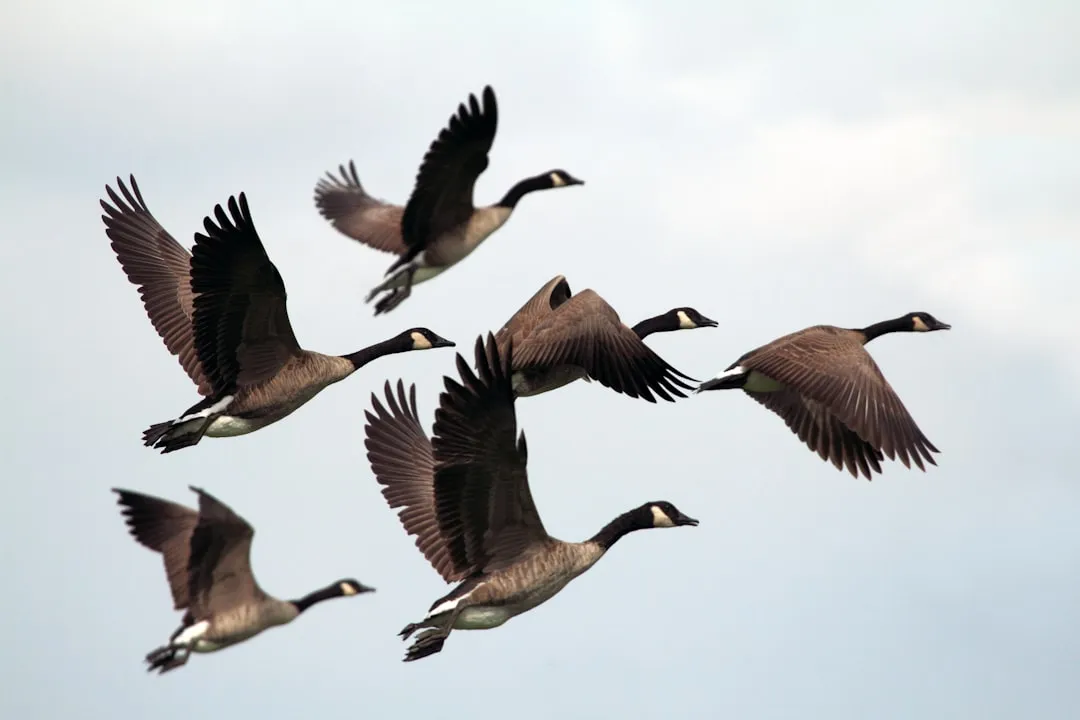
In Florida, species like pelicans, egrets, and seagulls may be seen flying inland well before a storm hits. Migratory birds are known to alter their usual paths, often seeking shelter in unusual locations. Seeing coastal species turn up unexpectedly far from shore is a signal that has long been recognized by fishermen and coastal communities.
GPS tracking of migratory birds has shown that they often adjust their flight paths to avoid areas with predicted storms. Migratory species can detect approaching storms hundreds of miles away and adjust their routes accordingly. Modern radar studies of migration tracks routinely show flocks deviating around weather systems hours before the storm reaches them. The technology has now confirmed what observers reported informally for generations.
What This Actually Means for Backyard Watchers
Birds detect changes in barometric pressure, humidity, and temperature long before humans notice them, and their behavior shifts accordingly. None of this means bird-watching replaces a weather app, but it does mean that unusual behavior in the yard deserves a second glance at the sky. The barometric pressure drop that triggers behavioral changes typically begins 12 to 24 hours before a storm arrives. That gives birds a meaningful head start, and gives you a reasonable window too, if you know what to watch for.
Some birds may be able to detect storms several hours in advance, even when the storm is still relatively far away. The key is reading the cluster of signals together rather than relying on any single cue. The key difference before a storm is the intensity and timing: more birds circling, circling higher, and doing so at unusual times of day. Combined with other signs like darkening skies, increasing wind, or swallows dropping low, circling birds add a useful data point.
The Takeaway
Birds aren’t mystical storm predictors, but they are extremely well-calibrated biological sensors with access to atmospheric information we simply can’t perceive. The science behind these behaviors is increasingly solid, rooted in peer-reviewed work from institutions like UC Berkeley, the University of Montana, and Western University’s avian research facility. This isn’t just an old wives’ tale; scientific research is increasingly uncovering the complex mechanisms that allow birds to anticipate and react to changes in the atmosphere.
The next time your garden birds vanish mid-morning, the feeders go quiet after a busy hour, or swallows suddenly drop to knee height over the lawn, consider it a data point. Nature has been running this forecast service for a very long time – long before weather satellites had anything to say about it.
AI Disclaimer: This article was created with the assistance of AI tools and reviewed by a human editor.