

There’s something happening on quiet suburban streets and in city apartment buildings that doesn’t show up in restaurant reservation data or food delivery statistics. Neighbors are knocking on each other’s doors again, not to borrow a cup of sugar, but to share an entire evening together, one course at a time. The neighborhood progressive dinner, a tradition many people thought had been permanently filed away with fondue sets and shag carpeting, is finding its way back into social calendars.
The format is simple enough. A progressive dinner is a multi-course meal where each home hosts one course, and guests travel from house to house enjoying a different course at each location. What’s less simple to explain is why this particular idea, rooted so firmly in midcentury suburban life, feels so relevant right now. The reasons, it turns out, say quite a lot about how Americans are living in 2026.
A Tradition with Deep Roots
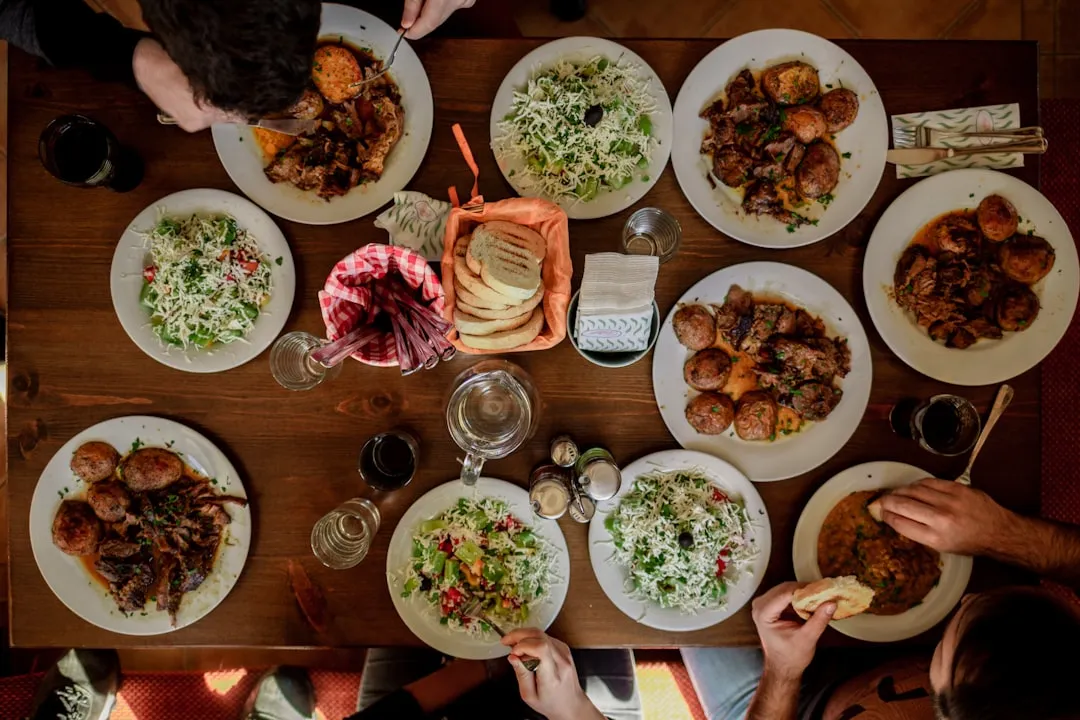
Progressive dinners were popular in the mid-20th century, particularly during the 1950s through the 1980s, as a way to build neighborhood ties in suburban America. They were common at a time when people knew their neighbors’ names, their children played together in the same yards, and belonging to a street or block felt like something real.
Progressive dinner parties were popular in the 1950s and 60s and are just now making a comeback as a trending party format. The long gap between then and now isn’t a coincidence. Decades of social fragmentation, longer commutes, screen-centered leisure, and the general busyness of modern life pushed these gatherings quietly out of fashion. Their return, then, feels less like nostalgia and more like necessity.
The Loneliness Context That Makes This Matter

In 2023, then Surgeon General Vivek Murthy reported on an “epidemic of loneliness and isolation,” comparable in seriousness to his predecessors’ advisories on smoking and obesity. That advisory landed with unusual cultural weight, because many people recognized themselves in it. According to that same 2023 Surgeon General report, only 16% of Americans indicate that they feel attached to their local community.
Americans are less likely to join civic groups, unions, and churches than in recent generations, and they have fewer friends, are less trusting of each other, and less likely to hang out in a local bar or coffee shop, according to recent polling. Against that backdrop, a dinner party that literally moves through a neighborhood, requiring people to open their doors and walk a few houses down, carries more social weight than it might first appear.
Dinner Parties Had a Broader Revival First

Hosts and entertaining aficionados had reason to celebrate in 2024, which was named “the year of the dinner party” according to Eater. Gen Zers, apparently tired of hearing how isolated they are behind their screens, embraced the format enthusiastically, and the revival of small gatherings around a dinner table proved to be an unlikely engine for social connection.
In 2024, dinner parties experienced a remarkable resurgence, bringing people together in ways that feel both nostalgic and refreshingly modern, as the world continued navigating the balance between digital connections and face-to-face interactions. Progressive dinners fit neatly into this bigger wave, offering the intimacy of a dinner party but with the added dimension of actually moving through a community.
The Science Behind Why Shared Meals Work
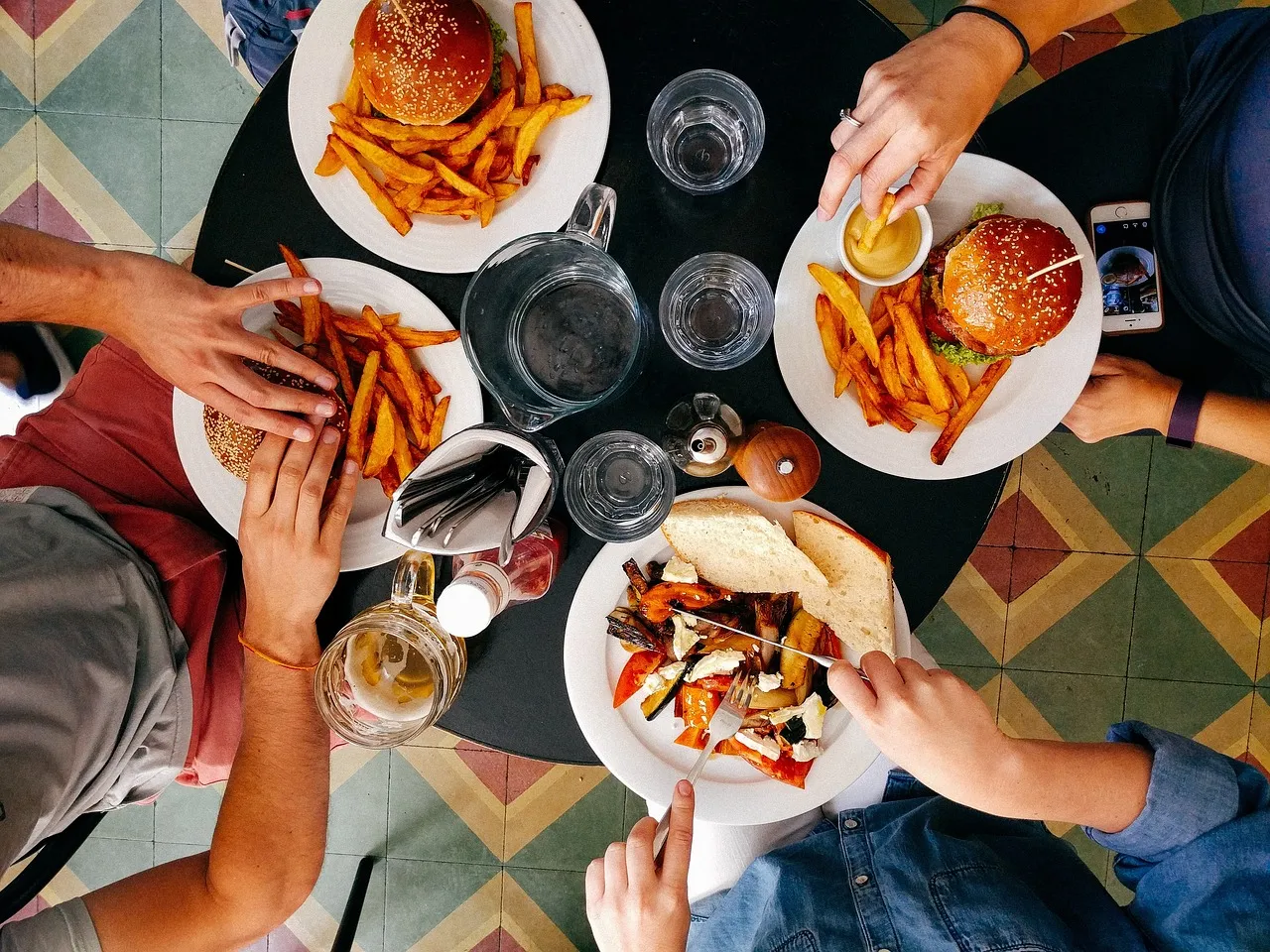
The appeal of progressive dinners isn’t purely sentimental. Research consistently shows that sharing meals carries measurable benefits. Data shows that Americans who eat at least one meal with others report higher levels of happiness and lower levels of stress, pain, and sadness on that day. That’s a straightforward finding with real implications.
A landmark study conducted by researchers at the University of Minnesota, supported by Barilla Group, found a strong positive correlation between how often people gather around the table during mealtime and enhanced connectedness, reduced depressive symptoms, and an improvement in mood. Remarkably, the number of shared meals explains as much variation in wellbeing as some key socioeconomic indicators, such as income or unemployment. Few social rituals carry that kind of documented weight.
How the Format Spreads the Load
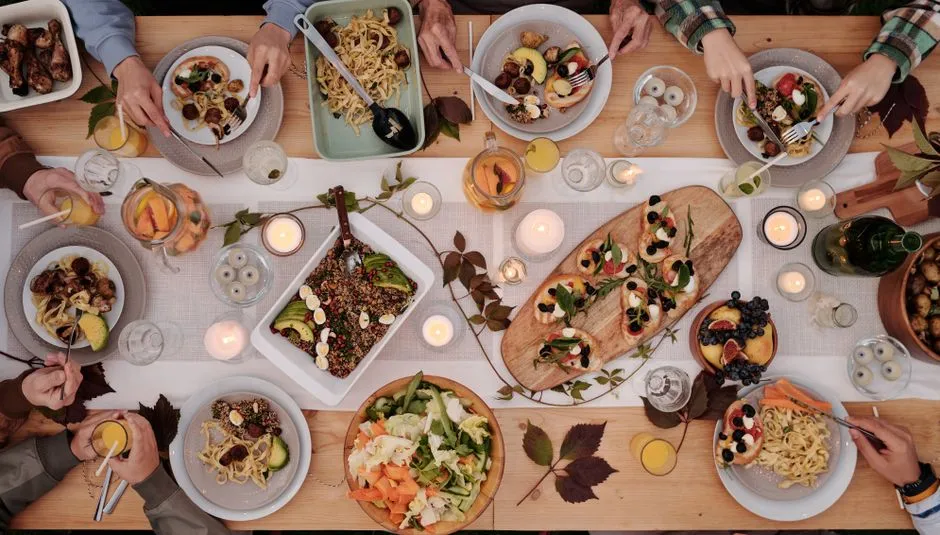
One practical reason progressive dinners are gaining traction again is that they solve a very real problem: hosting an entire dinner party is exhausting and expensive. This format allows friends, neighbors, or community members to collaborate on entertaining without the burden of hosting an entire meal alone, fostering social connections through shared culinary experiences and visits to each other’s spaces.
Typically involving 4 to 6 hosts and 8 to 20 guests, the event is coordinated in advance with assigned courses, timed transitions, and sometimes themed elements to enhance the fun. Each person only needs to prepare one dish or one course, which keeps the pressure manageable. The result is that more people feel confident enough to participate, and the evening as a whole is richer for it.
Themes Are Giving It a Modern Identity

Today’s progressive dinners aren’t carbon copies of what they were in 1965. When it comes to the food, picking a theme helps tie the evening together. Italian and southern comfort food are popular choices, though hosts are encouraged to get creative. Themes give participants something to rally around during planning and give guests a sense of anticipation before they’ve even left the first house.
The menus at these gatherings are increasingly dynamic, with a strong emphasis in recent years on global flavors and fusion cuisine. Hosts are experimenting with recipes that blend cultural traditions, offering dishes that surprise and delight. This shift reflects broader changes in how people think about food, less about showing off and more about genuine curiosity and sharing something personal.
Social Media Is Quietly Fueling Interest
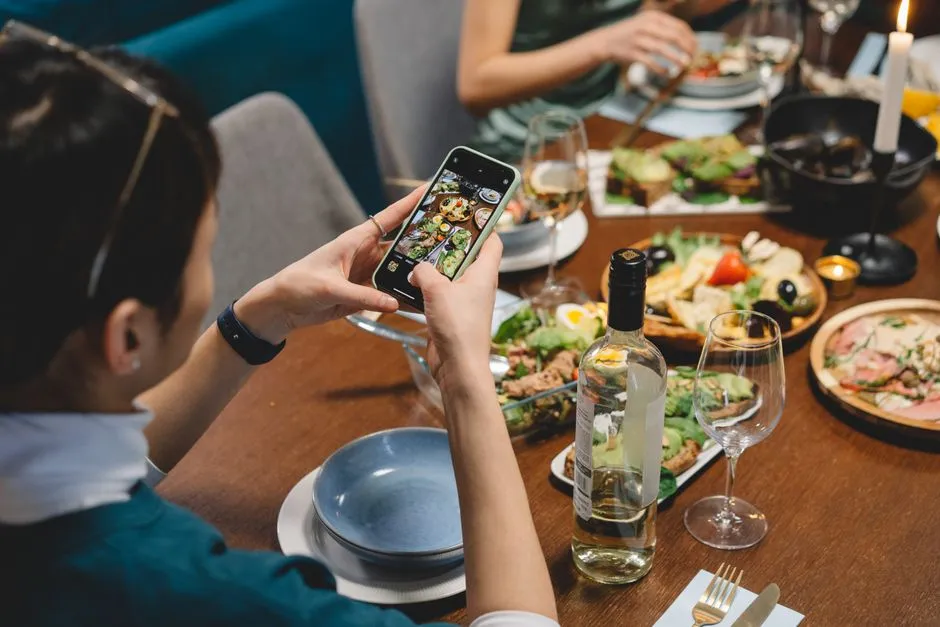
At-home entertaining is back in full swing. TikTok’s #hostingcore has racked up millions of views, and the dinner party has become one of the most reliable ways people are choosing to spend their time and money. Progressive dinners, with their built-in visual appeal and storytelling potential, travel naturally through social platforms, each course at a different home offering a fresh backdrop.
Pinterest and Instagram searches for “dinner party dining” rose 160% from 2024 to 2025. That kind of growth reflects genuine cultural interest, not just a passing aesthetic trend. When people search for how to host and what to serve, they’re already partway to actually doing it.
Neighborhood Facebook Groups and Apps Are the New Organizers

One underrated factor in the progressive dinner’s comeback is the infrastructure that didn’t exist last time around. Neighborhood social committees now put calls out for progressive dinner hosts through private neighborhood Facebook groups, turning what was once a labor of personal outreach into something far more efficient. People who might never have knocked on a neighbor’s door can now sign up with a single click.
Neighborhood apps like Nextdoor have similarly made it easier to coordinate across a block or street. The irony isn’t lost on anyone: digital tools are being used to arrange decidedly analog evenings. Still, whatever gets people off their couches and into each other’s homes seems worth celebrating.
Progressive Dining Is Growing Beyond Residential Streets
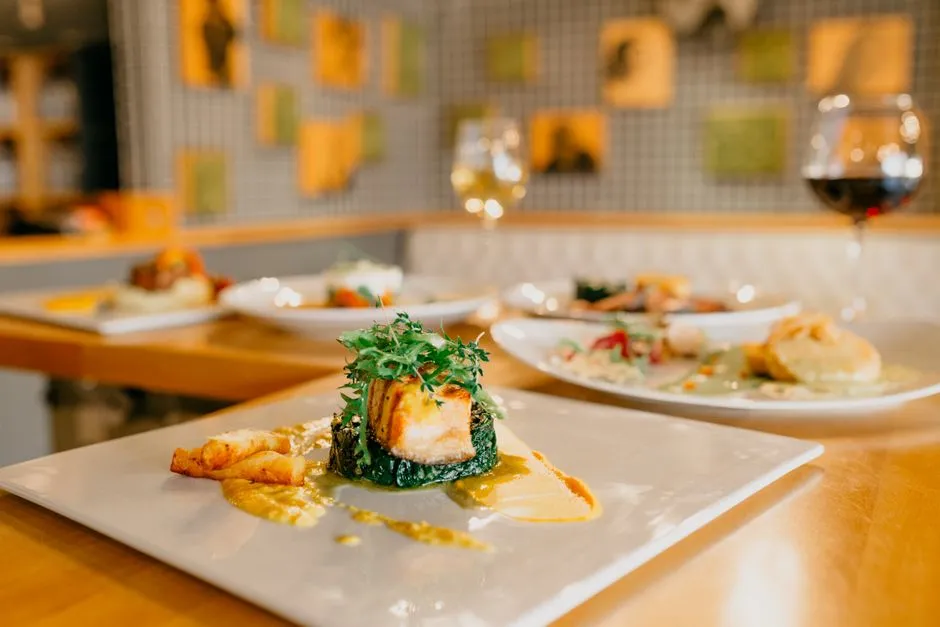
The concept has also caught the attention of the broader hospitality world. San Francisco’s neighborhood tours and SkyCity in Adelaide, Australia, exemplify the progressive dining experience, offering curated multi-course evenings that highlight local flavors. What began as a domestic ritual has evolved into an experience that urban venues and travel companies now package professionally.
Vegan progressive dinners, for instance, showcase multi-course meals prepared by collaborating chefs, as seen in events hosted by urban collectives in cities like Cincinnati as of 2024. Research from American Express Travel found that roughly 61% of Gen Z and Millennials prefer social dining formats over traditional restaurant dining. The appetite for this kind of connected, moving meal is clearly not limited to one demographic or one type of community.
What Home Spending Data Reveals About the Trend

While many segments of the furniture market are currently seeing flat or declining sales, kitchen and dining furniture sales are experiencing growth, bolstered by a renewed focus on home gatherings, according to Circana insights on the United States furniture market. People aren’t just talking about entertaining more; they’re investing in the spaces where it happens.
The growing trend in home entertainment is part of a larger cultural shift toward social connection, with consumers increasingly entertaining in their homes as a way to connect and save on dining-out costs. In a period of economic caution, the progressive dinner also has a genuinely practical appeal. The cost is shared, the pressure is distributed, and the reward, a full evening of good food and real conversation, is entirely disproportionate to the effort.
The Takeaway
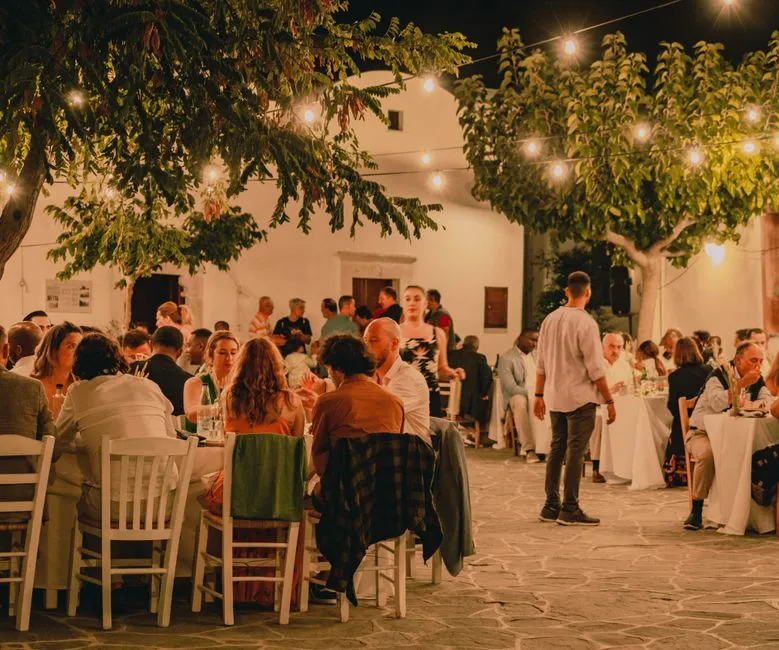
The practice of sharing meals and the communal consumption of food and beverages are pivotal in enhancing social health and fostering community bonds. The progressive dinner understood this intuitively, long before researchers published papers confirming it. Its revival now feels less like a trend and more like a correction, a small, deliberate pushback against the isolation that has quietly accumulated in American life.
Nobody is claiming that a few courses eaten across several neighbors’ living rooms will solve a loneliness epidemic. Research does show, however, that those who engage regularly in communal eating events feel happier, have higher life satisfaction, are more engaged, and have more friends they can depend on. That’s not a small thing. Sometimes the most durable social glue comes in very ordinary forms, like an appetizer at someone’s kitchen table and a short walk to the next house for the main course.
AI Disclaimer: This article was created with the assistance of AI tools and reviewed by a human editor.