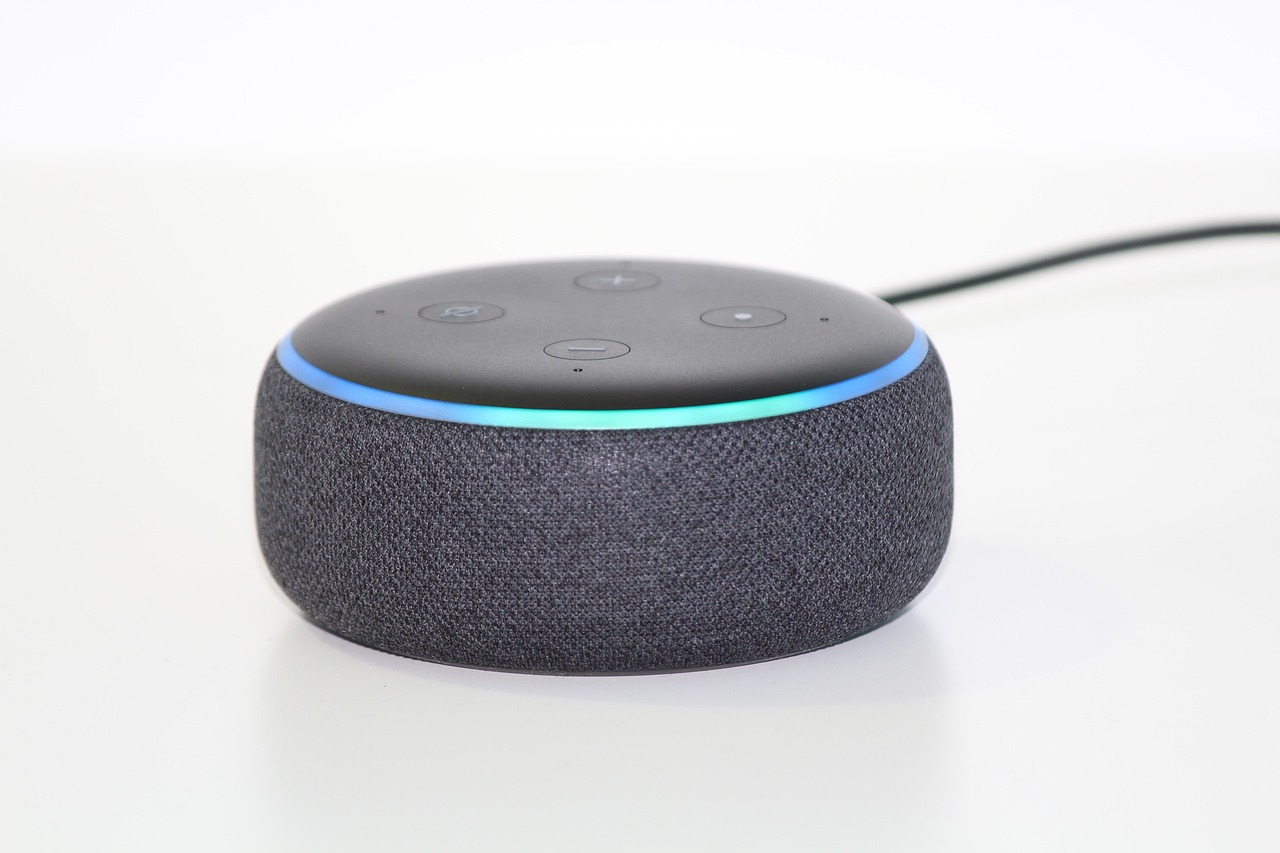

Most people who own a smart speaker think the deal is simple: say a wake word, get an answer, move on. What actually happens in the background is a good bit more layered. From accidental activations to advertising ecosystems you never signed up for, the listening habit built into these devices runs deeper than the product packaging suggests.
This isn’t a reason to throw your Echo across the room. It is, though, a reason to understand what’s actually going on, because a lot of it isn’t hidden, it’s just never explained clearly.
The “Always On” Microphone Is Not a Figure of Speech
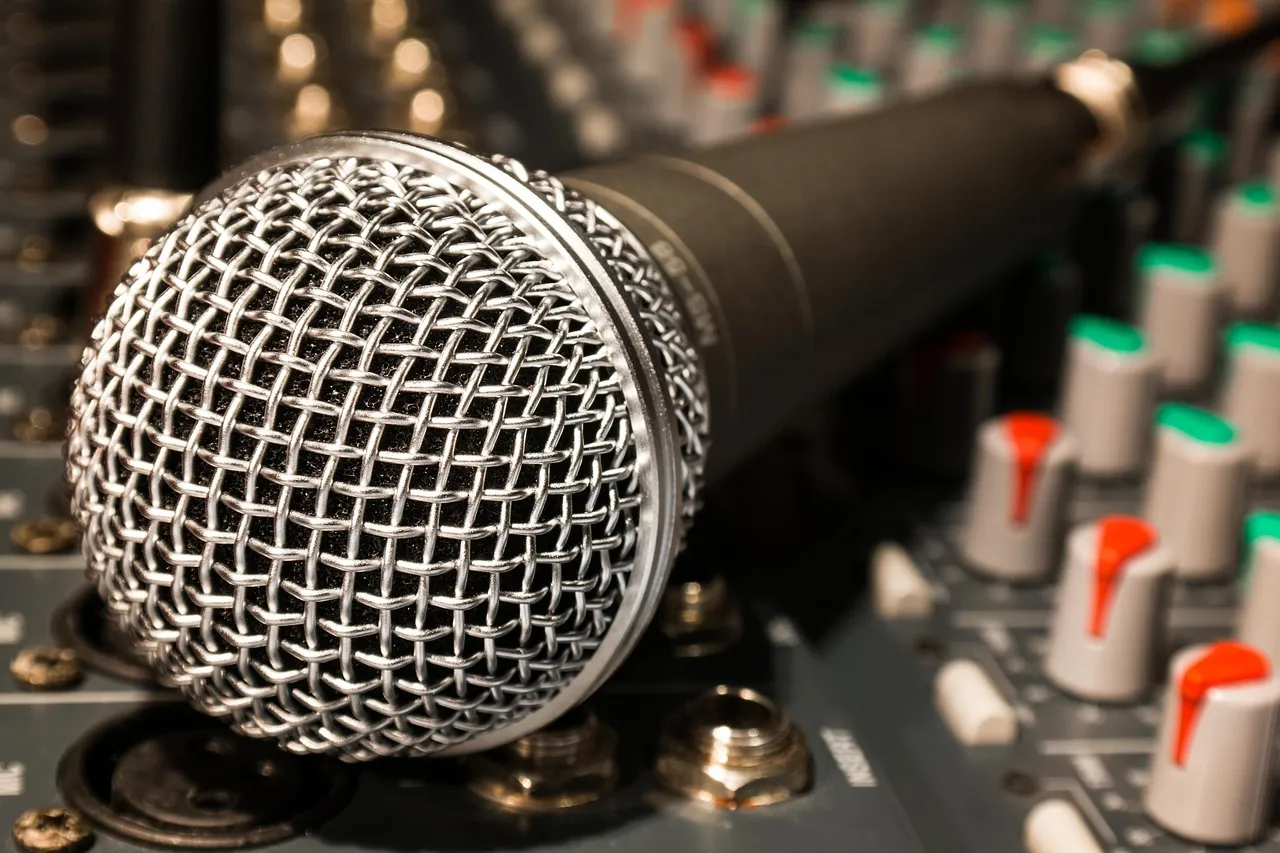
In order for a smart speaker to operate ideally, the microphone is always on and ready to pick up speech. That’s not a bug or a sneaky design choice, it’s the fundamental requirement for the device to work hands-free. You can’t have instant response if the microphone isn’t continuously listening for its cue.
To function effectively, these devices need to be always listening for their wake word, whether that’s “Alexa,” “Hey Google,” or “Hey Siri.” The distinction companies draw is between passive local processing and active cloud recording, which only begins after the wake word is detected. That difference matters, but it’s also where the complications start.
Over 1,000 Phrases Can Accidentally Wake Your Device
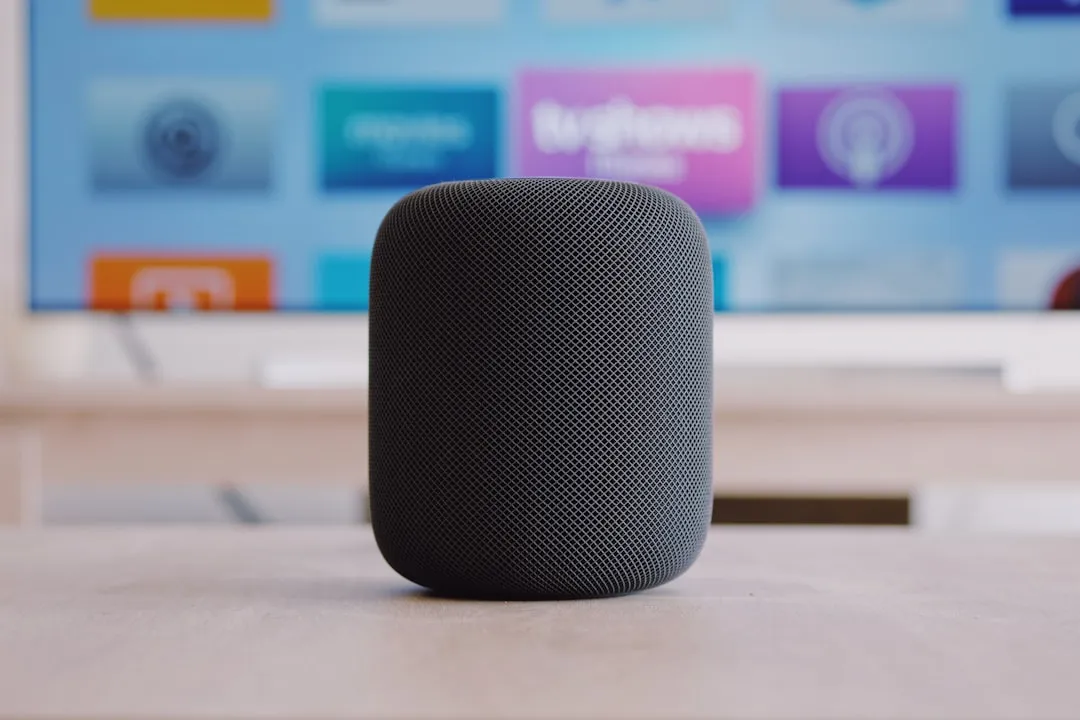
A Northeastern University study found there are over 1,000 word combinations that could falsely activate Alexa to start listening for commands, and some of those words are common, such as “unacceptable” and “election.” That’s not a fringe case. It means your device can start recording without you knowing it, simply from a TV playing in the next room or a conversation between family members.
For instance, if users set “Alexa” as the wake word, other words such as “Alexis,” “Lexa,” and “Lexus” could activate the device. When “Echo” is set as the wake word, similar-sounding words such as “Gecko” and “Art Deco” could trigger Google Home devices. The problem is harder to solve than it sounds, because voice recognition must balance sensitivity against usability.
Keeping smart devices away from TVs and other sources of sound can reduce false activations. The far-field microphones inside each device can hear a voice comfortably from anywhere in the room, but those closer to televisions had more accidental activations than those in other rooms.
After the Wake Word: Your Voice Goes to the Cloud
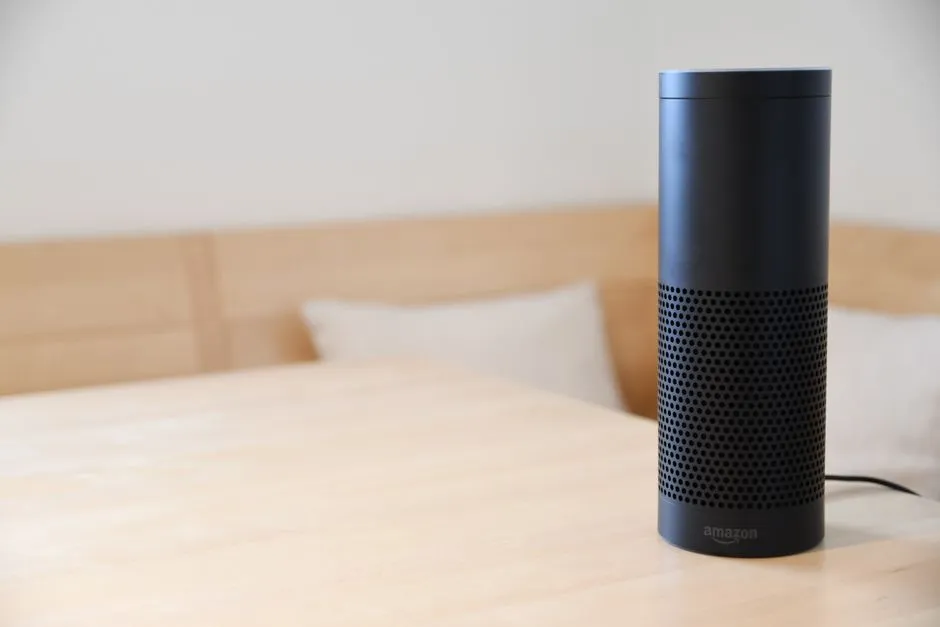
When a smart speaker activates, it records everything from the wake word until it determines you’ve finished speaking. This audio file is then uploaded to Amazon Web Services or Google Cloud, where it’s processed by both automated systems and, in some cases, human reviewers. Most users aren’t aware that what feels like a quick private question travels a significant distance before any answer comes back.
In principle, anything may be recorded, including private conversations and potentially confidential information. Recordings are not only stored locally on the device, but are also stored in the cloud, which represents its own risks. Cloud storage means the data exists somewhere outside your home, subject to different laws and access protocols than your living room.
Human Ears Have Listened to Your Recordings
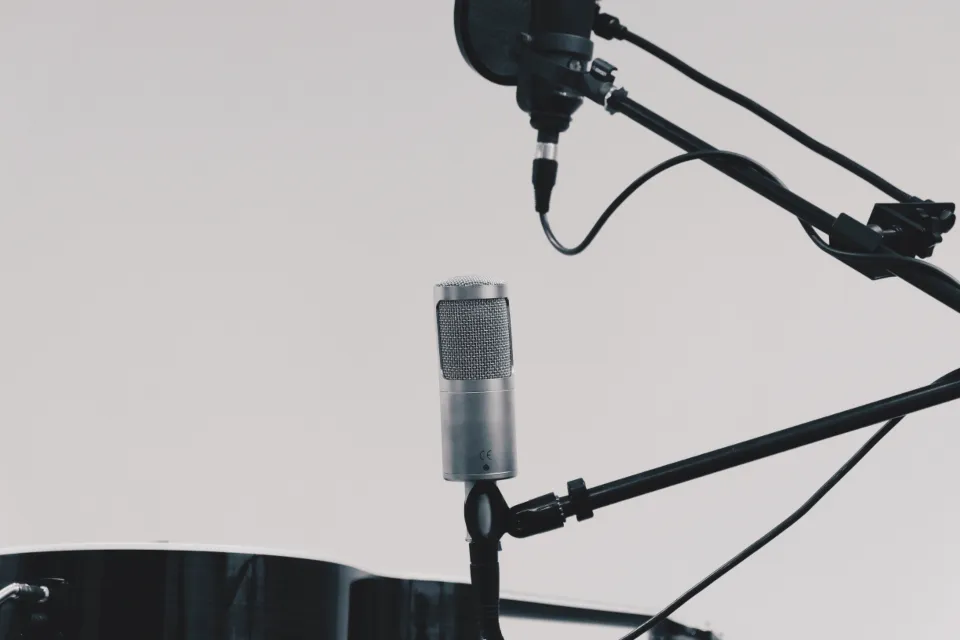
Amazon has human reviewers who can access your voice recordings as part of training the Alexa algorithm. This practice became public knowledge after Bloomberg reported it, and it applied to all the major platforms. Apple’s Siri and Google Assistant also have human workers that listen to snippets of audio, though the companies reported that the recordings aren’t linked to personally identifying information.
The review team listens to voice recordings captured in Echo owners’ homes and offices. The recordings are transcribed, annotated, and then fed back into the software as part of an effort to eliminate gaps in Alexa’s understanding of human speech and help it better respond to commands. The scale of this was striking when it first came to light.
It was first reported that Amazon had a team of thousands of workers listening to Alexa audio recordings to improve the product’s software. Some workers reportedly had access to recordings that contained personal data, including users’ first names and their location. The manual review policy was not previously disclosed in Alexa’s terms and conditions.
The Opt-Out Option Exists But Isn’t Obvious
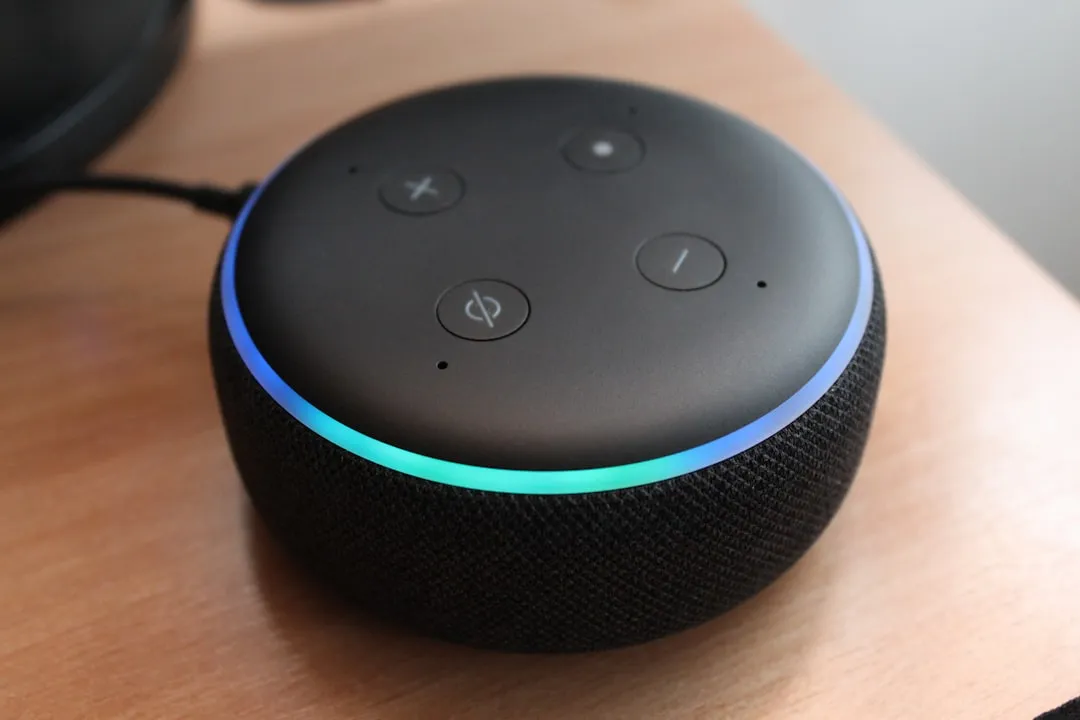
The disclosure about human review appears only if users go digging into the settings menu. Users must tap “Settings,” then “Alexa Privacy,” then “Manage How Your Data Improves Alexa” before they see the relevant text. It’s not impossible to find, but it’s not something most people would stumble across naturally either.
In 2022, Amazon received over 3.2 million data deletion requests and fulfilled just about half of them. The company attributed this largely to users not completing the verification process, but the figure is still striking. It shows a meaningful gap between the number of people who want their data removed and those who actually succeed.
Your Interactions Feed Ad Targeting You May Not Recognize
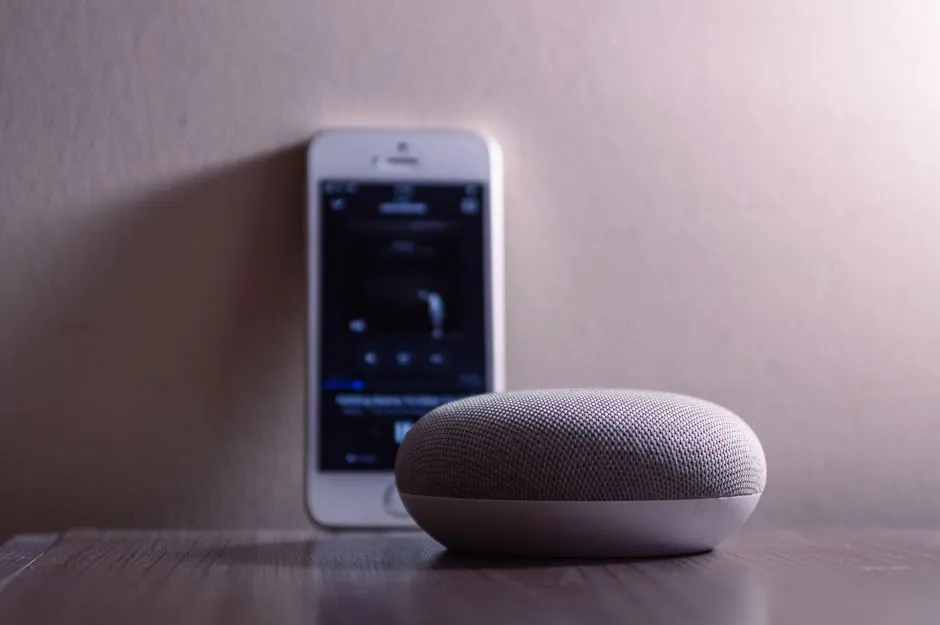
Research found that as many as 41 advertisers sync or share their cookies, typically linked to personal information, with Amazon, and those advertisers further sync their cookies with 247 other third parties, including advertising services. Researchers also found that Amazon did not clearly disclose that users’ smart speaker interactions are used for profiling them for ad targeting purposes.
Amazon processes smart speaker interaction data to infer user interests and uses those inferences to serve targeted ads. Smart speaker interaction can lead to ad targeting and as much as 30 times higher bids in ad auctions from third party advertisers. That’s a notable number. A voice query about knee pain or a particular medication could trigger a cascade of targeted advertising that follows a user across websites.
The data collected by smart speakers, including voice recordings, transcripts, and interaction metadata, can reveal or be used to infer sensitive information about users. Smart speaker vendors or third parties may infer users’ sensitive physical and psychological traits from voice recordings. Similarly, the questions and commands issued to a smart speaker may reveal sensitive information about users’ states of mind, interests, and concerns.
Third-Party Skills Are a Weak Link
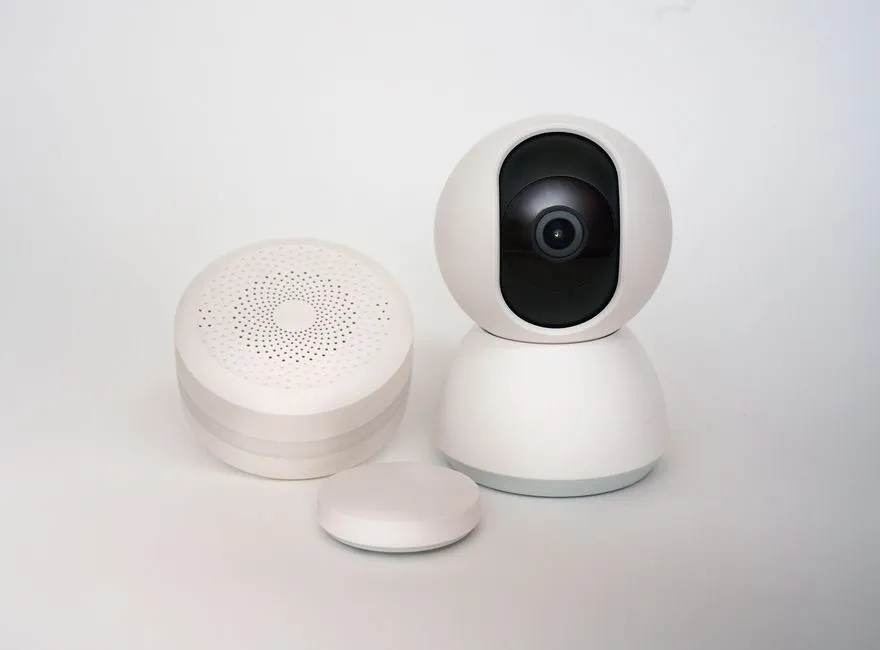
A common misconception is that when users interact with their smart speaker, they assume their data is only collected by first-party developers like Amazon or Google. Third-party developers actually create certain commands and “skills” of the speaker, and when a user downloads and uses a skill, data and other account information can be given to those third-party developers.
Some of these third-party skills are not thoroughly moderated compared to skills provided by the manufacturer. This can become a gateway for hackers, leading to leaks of information and potential eavesdropping. Using only manufacturer-verified skills reduces, though doesn’t eliminate, this exposure.
Security Vulnerabilities Go Beyond Software Settings

In 2024, security researchers at NCC Group uncovered multiple flaws in Sonos One devices that let nearby attackers run code remotely, record surrounding conversations, and transmit the audio. This was a hardware-level vulnerability, meaning no privacy setting in any app could have protected against it. Vulnerabilities like this are uncommon but demonstrate that the risk surface extends beyond software settings and data policies.
Smart speakers can be hacked, and sensitive data can be accessed by unauthorized parties. Some smart speakers may accidentally record conversations not intended for the device, which can lead to identity theft and other security risks. The connected nature of these devices, always online and always ready, makes them a persistent target.
Legal and Regulatory Pressure Is Growing
In 2025, an Illinois judge approved a class of about 1.2 million users who claim Amazon collected their voice biometrics through Voice ID without proper consent. The lawsuit was ongoing as of April 2026. This is a landmark development. Voice data is increasingly being treated as biometric data under state laws, which triggers a much higher legal standard for consent.
In recent months, lawmakers in state legislatures in Illinois and California proposed legislation that would require makers of AI assistants to receive consent before recording user interactions. Regulatory momentum is building slowly, but it’s building. As more states adopt biometric privacy frameworks, the legal landscape for smart speaker data collection is likely to shift.
Practical Steps That Actually Reduce Your Exposure
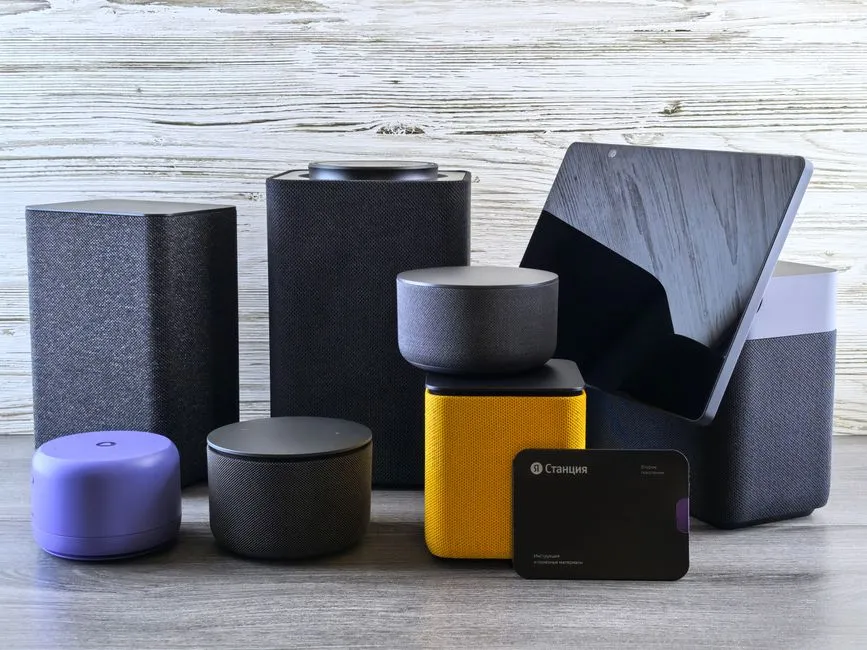
If your smart speaker has an associated app, it’s a good idea to regularly check the voice recordings saved there. Most platforms let you review, listen to, and delete recordings manually. Doing this occasionally is worth the few minutes it takes, especially if you suspect accidental activations.
Privacy experts generally recommend against placing smart speakers in children’s private spaces. Consider voice-controlled devices in common areas where parents can monitor usage. Placement matters more than most people realize. A device sitting in a bedroom or home office is exposed to far more sensitive conversation than one in a kitchen.
Deleting recordings may reduce personalization features like voice recognition accuracy, but core functionality remains intact. That’s a trade-off worth knowing about. You don’t lose the device’s usefulness by clearing its history, you just lose some of the personalization that comes from it knowing your habits.
The Takeaway
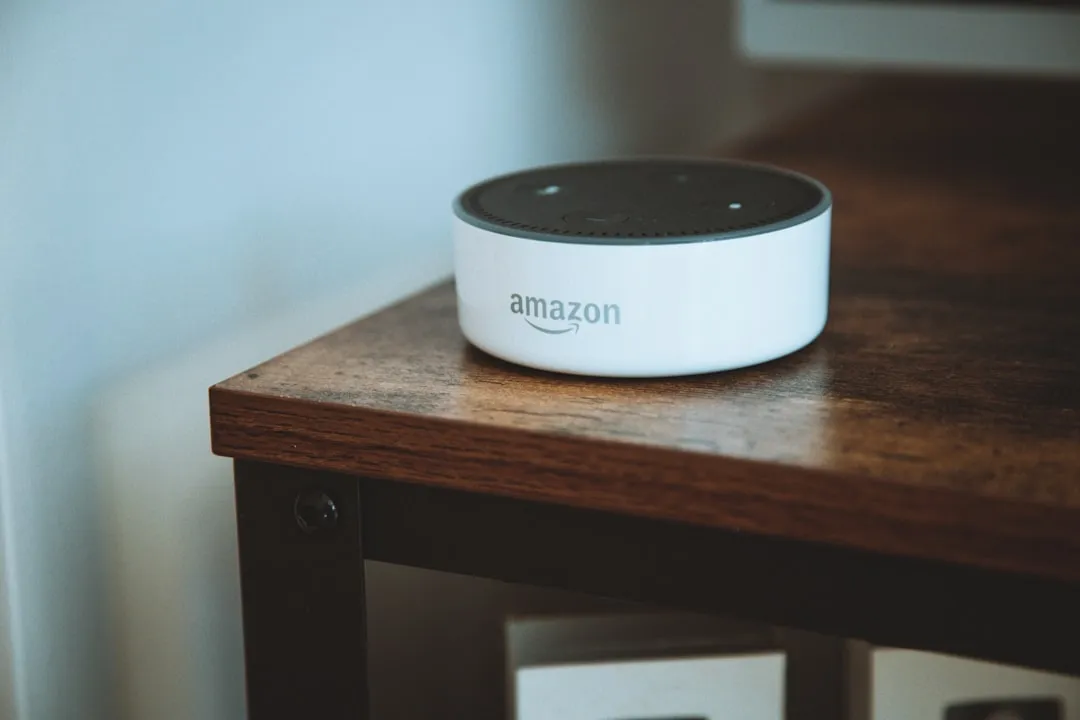
Smart speakers are genuinely useful tools, and the privacy risks associated with them are manageable rather than catastrophic for most people. The harder problem is that the gap between what users assume and what actually happens, from accidental activations to advertising data pipelines, is wider than it should be. Manufacturers have improved opt-out options over time, but they have rarely been proactive about making those options easy to find.
The simplest shift is this: treat the smart speaker like what it actually is, a microphone connected to the internet, rather than a voice-controlled gadget that forgets everything the moment you stop talking. That mental model alone will lead most people to better, more deliberate choices about where they place their devices and what they say near them.
AI Disclaimer: This article was created with the assistance of AI tools and reviewed by a human editor.