
A Detroit coffee shop posted a short video of a customer requesting espresso poured into lemonade, and the reaction online was swift and divided. Some viewers called it a refreshing summer discovery, while others treated the combination like an affront to good taste. The clip spread quickly, yet the drink itself carries a much longer story that reaches back to French colonial outposts in North Africa.
The Drink That Sparked Fresh Debate
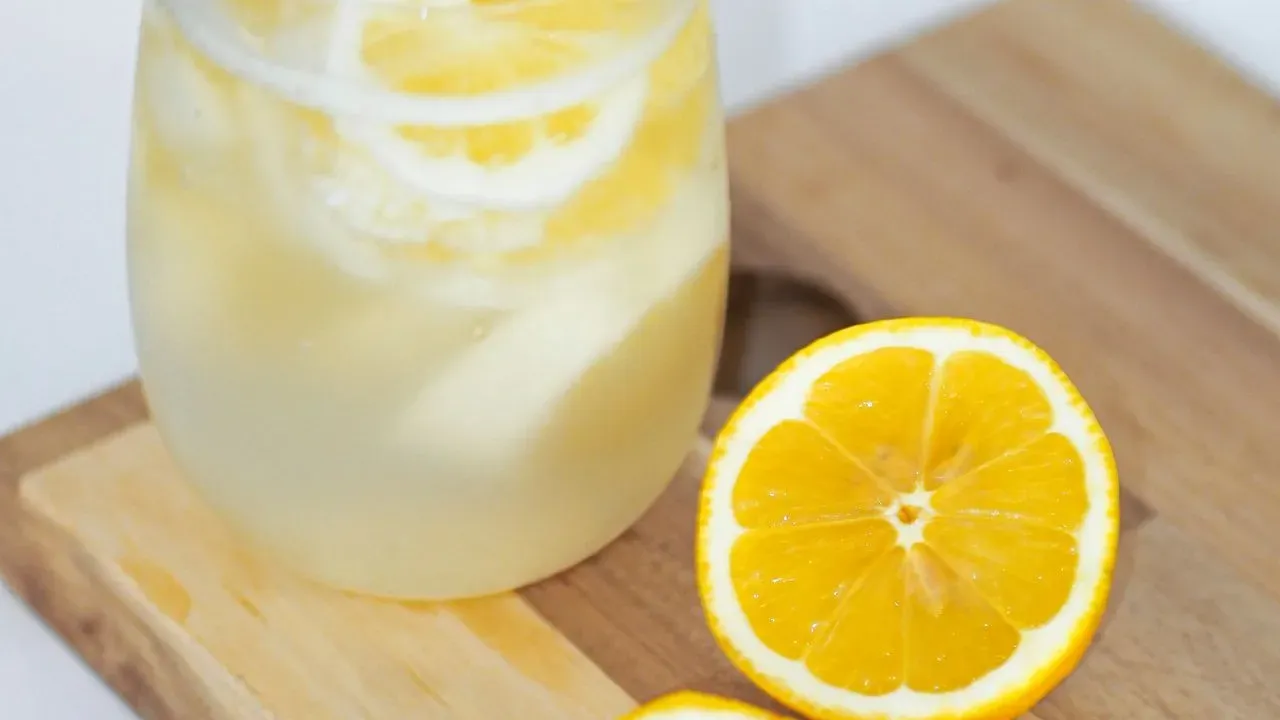
At its core, espresso lemonade combines a shot of cooled espresso with tart lemonade over ice. The espresso often layers briefly on top before a quick stir blends the two. This simple build creates a bright, balanced sip that feels lighter than many creamy coffee drinks.
The current wave of attention arrived through social media, where the visual contrast and quick preparation made it easy to share. Viewers noted how the acidity of the lemonade softens the coffee’s edge while the espresso tempers the lemonade’s sweetness. The result lands in a middle ground that appeals to people seeking caffeine without heavy dairy or syrups.
Roots in 1840s Algeria
The combination traces to French troops stationed at a fortress called Mazagran in Algeria around 1840. Soldiers needed a way to enjoy coffee in the heat and began mixing it with cold water, sometimes adding sugar or spirits. The location gave the drink its earliest recorded name, mazagran.
Over the following decades the idea traveled. In Portugal it evolved into espresso served with lemon or lemonade, often with mint or a touch of rum. Similar versions appeared in Austria and parts of Catalonia, where iced coffee with citrus became a familiar café offering. The drink survived in these places long before any social media platform existed.
When the Detroit video surfaced, some commenters quickly pointed out the older tradition. They were correct. The pairing had already been part of café culture in Lisbon and elsewhere for generations.
How the Flavors Balance Each Other
Citric acid from the lemonade shortens the lingering bitterness that roasting develops in coffee beans. At the same time, the espresso’s own bitterness prevents the lemonade from tasting overly sweet. The lower pH also helps release more aroma, so the drink smells brighter than either ingredient alone.
Light to medium roasts, especially those with fruity notes from Ethiopian or Kenyan beans, tend to pair most cleanly. Darker roasts can overpower the citrus. Cold brew concentrate serves as a reliable substitute when an espresso machine is not available, offering a smoother profile that forgives small ratio adjustments.
Practical Ways to Enjoy It Today
The basic ratio starts at one part espresso to four parts lemonade, poured over large ice cubes. Room-temperature or chilled espresso prevents rapid melting and dilution. A lemon peel expressed over the glass adds aroma without extra liquid.
People have adapted the drink in several directions. The Portuguese-style mazagran adds fresh lemon, mint, and a measure of aged rum. A spritz version lightens the lemonade with sparkling water. Rosemary or tonic water introduces herbal or bitter notes that complement the coffee and citrus. A batch version scales easily for gatherings, though ice should be added only at serving time.
Those concerned about acidity can opt for cold brew and skip carbonation. The mixture keeps well in the refrigerator for a day, making it convenient for afternoon use when a heavier latte feels too much.
A Timeless Answer to a Seasonal Need
Espresso lemonade fills a specific slot: caffeine that feels bright and refreshing on a hot afternoon. It delivers roughly 90 to 95 milligrams of caffeine in a standard serving, less than many drip coffees yet enough to carry someone through the later part of the day.
The recent attention on social media simply brought an established drink back into wider view. What some assumed was a brand-new experiment had already helped people manage heat and fatigue since the mid-nineteenth century. The internet’s rediscovery changes little about the drink itself, only the number of people who now know it exists.
AI Disclaimer: This article was created with the assistance of AI tools and reviewed by a human editor.