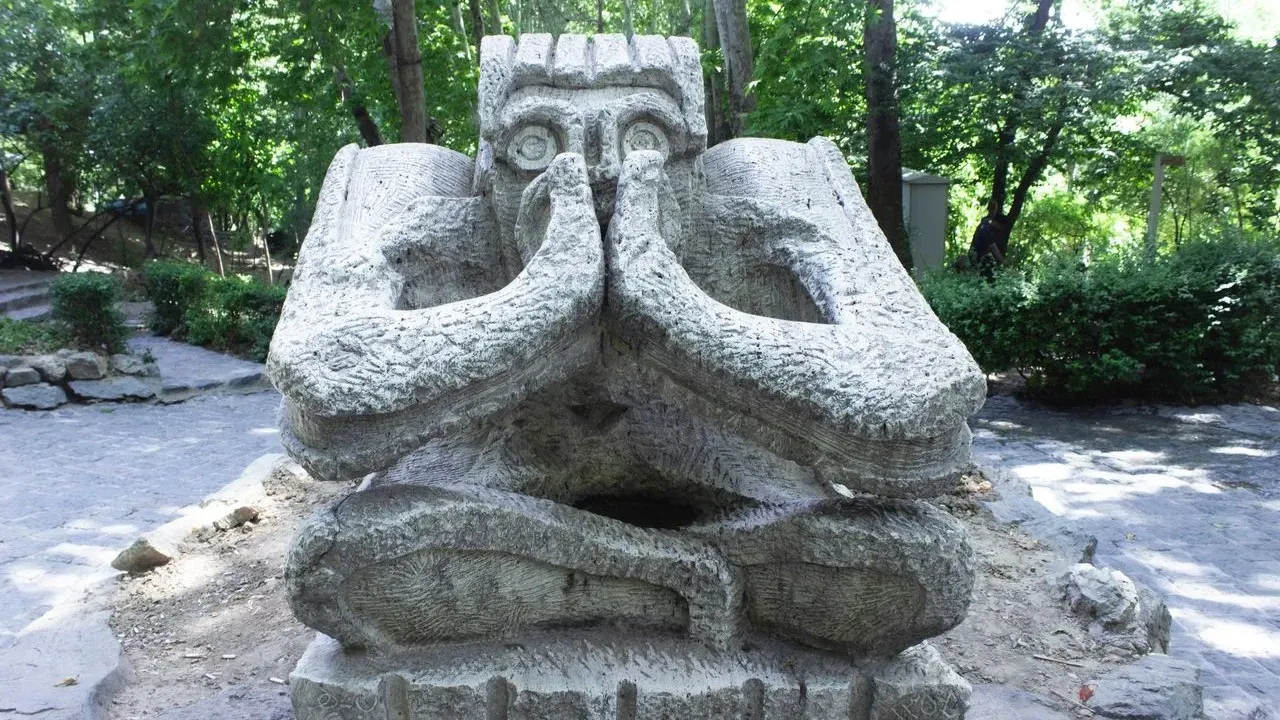

Many gardeners overlook sculpture because they assume it belongs only on large estates. In practice, the right piece can extend visual appeal through every season, even in compact urban plots or modest suburban backyards. The decision often comes down to scale, material, and placement rather than overall garden size.
Practical Benefits That Reach Everyday Gardeners
Adding a sculpture creates a focal point that remains visible when plants go dormant. This steady presence turns a seasonal space into one that offers interest year-round, reducing the sense of emptiness that many notice in winter. Homeowners with limited square footage gain the same structural benefit that larger properties enjoy, without needing extensive land.
The effect shows up quickly once the piece is installed. A single well-chosen element can anchor seating areas, mark transitions between lawn and border, or simply draw the eye across a small terrace. Gardeners who have tried this approach report that the addition feels permanent yet adaptable, fitting into existing layouts rather than requiring major redesign.
Selecting Pieces That Fit Smaller Spaces
Scale matters more than grandeur. A modest abstract form or a simple birdbath often works better than an oversized statue in a compact garden. The goal is balance: the sculpture should complement surrounding plants and hardscape without overwhelming them.
Materials play a key role in longevity. Weather-resistant options such as stone, metal, or high-fired ceramic hold up through freeze-thaw cycles and summer sun. These choices keep maintenance low while ensuring the piece continues to contribute structure when foliage thins. Gardeners can start with one durable item and add others gradually as the layout evolves.
Placement Ideas That Maximize Impact
Thoughtful positioning turns limited space into an advantage. Positioning a sculpture near a window creates an indoor-outdoor connection, while placing it at the end of a short path draws visitors deeper into the garden. In very small yards, elevating the piece on a plinth or integrating it with a raised bed can increase visibility without consuming ground area.
Consider how light interacts with the form throughout the day. Morning or evening sun can cast interesting shadows that change the sculpture’s appearance, adding another layer of interest. This approach works equally well on a balcony container garden or a narrow side yard, where every element must earn its place.
Combining Sculpture With Plants and Structures
Sculpture does not replace planting; it enhances it. Evergreen shrubs or grasses planted nearby soften hard edges and provide seasonal contrast. In small gardens, climbers trained on nearby trellises can frame the piece without crowding it.
Existing features such as walls, fences, or water elements offer natural backdrops. A metal form against a dark fence gains definition, while a stone piece near a pond reflects surrounding textures. These pairings keep the overall design cohesive and prevent the sculpture from appearing isolated.
What Changes for Gardeners Who Add Sculpture
- Year-round structure replaces the bare look of winter beds.
- Daily enjoyment increases because the garden remains visually engaging from indoors.
- Maintenance stays minimal when durable materials are chosen from the start.
- Future expansions become easier because the sculpture already provides a fixed reference point.
The decision ultimately rests with individual gardeners weighing how much steady presence they want in their outdoor space. Those who make the addition often find the garden feels more complete, regardless of its dimensions.
AI Disclaimer: This article was created with the assistance of AI tools and reviewed by a human editor.