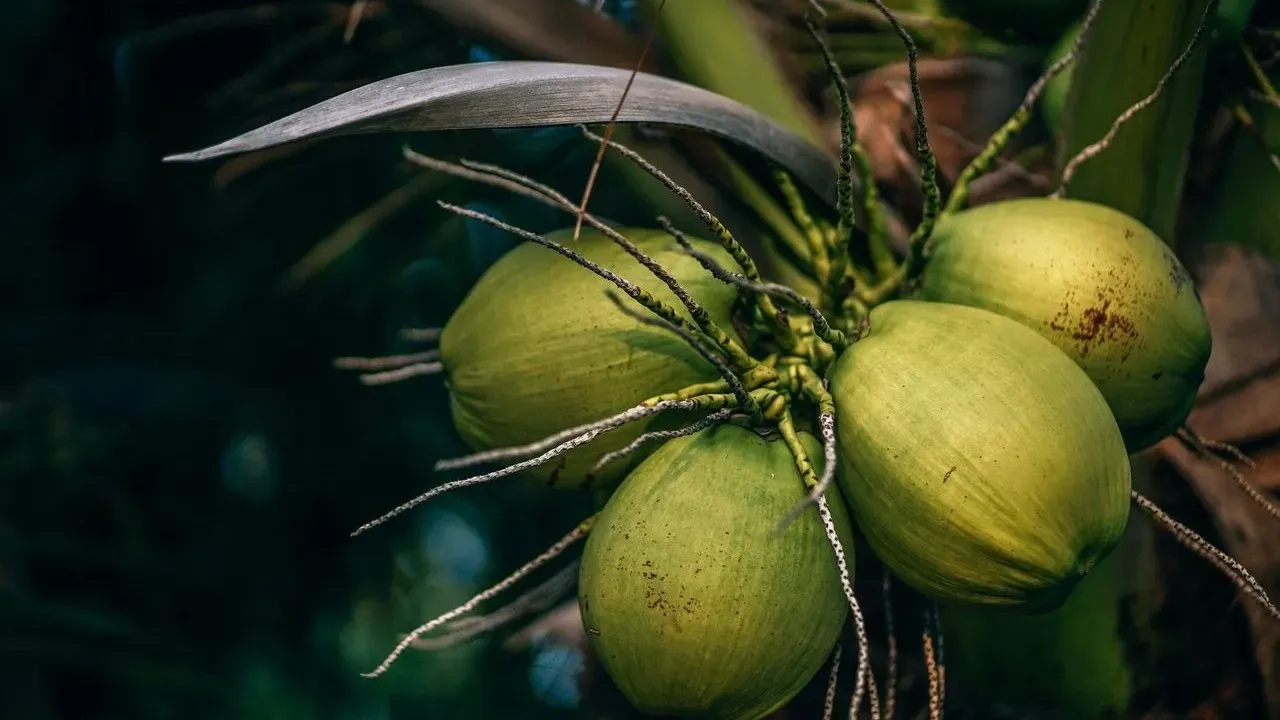

In a South Florida backyard food forest, a coconut palm that had grown for 32 years was removed after a tree crew determined that yellowing leaves indicated termites. The owner, who had planted the seedling at age 15 with help from family members, received the news only after the work was complete. The decision came during routine pruning of a nearby mango tree and coincided with the anniversary of a parent’s death and the owner’s own birthday.
The Tree’s Place in Family History
The coconut palm began as a seedling obtained from the owner’s grandfather. It was set in the ground with permission from the owner’s father, marking an early step into growing perennials that would shape decades of gardening. Over the years the tree became a quiet fixture in the landscape, visible in family photographs taken several years earlier. Its removal erased a living connection to those earlier generations. The owner viewed the palm less as property and more as a longstanding presence tied to personal milestones and shared memories.
The Crew’s Assessment and the Timing of Events
While addressing an established mango tree, the workers noted the coconut’s yellow foliage and attributed it to termites. They proceeded with removal without further consultation. The owner’s mother authorized the work on the spot rather than seeking additional input. The sequence left no opportunity to examine whether the yellowing stemmed from a nutrient deficiency common in the region or another treatable condition. The crew’s actions also occurred without advance notice to the person who had originally planted the tree.
Additional Damage During the Work
In the course of felling the palm, the crew dropped it onto a smaller Julie mango planted as a memorial. That young tree, which had recently begun to fruit, sustained fatal damage. The incident compounded the sense of loss for a planting that carried its own family significance. The owner later questioned the crew’s overall approach, noting that the collateral harm suggested limited care during the operation. No independent verification of the original diagnosis was obtained before or after the removal.
Practical Implications for Homeowners
Cases like this illustrate the value of obtaining a second assessment when a service provider recommends removal based on visible symptoms alone. Yellowing fronds in coconut palms can result from several causes, some of which respond to soil amendments or targeted care rather than immediate cutting. Homeowners who maintain long-term plantings may benefit from documenting tree health periodically and maintaining direct contact with service providers. In this instance, the absence of that step contributed to an outcome that could not be reversed. The episode underscores how quickly established landscape elements can disappear when decisions rest on a single, unconfirmed observation. For families who have watched trees mature alongside personal milestones, the loss extends beyond the plant itself.
AI Disclaimer: This article was created with the assistance of AI tools and reviewed by a human editor.