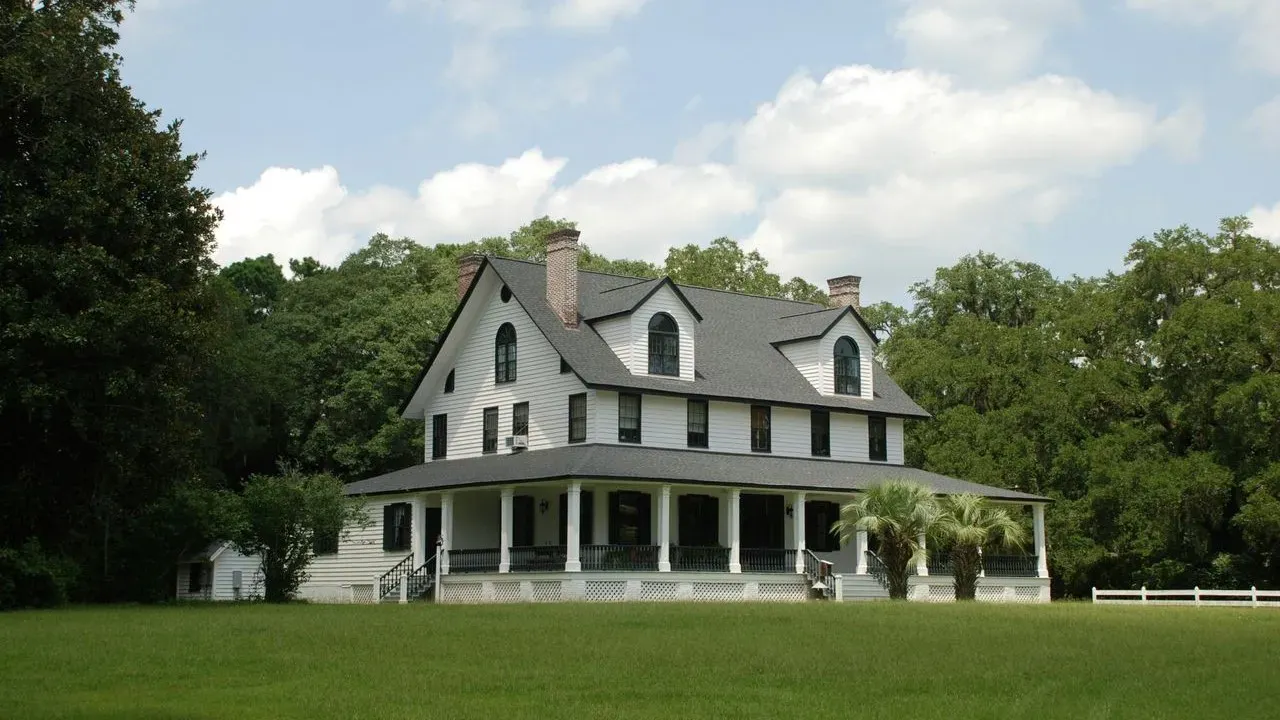

St. Charles, Illinois – A downtown residence that stood at risk of demolition last year has now received formal landmark designation. The St. Charles City Council approved the measure during its most recent meeting, shifting the property from potential loss to protected status. The decision closes a chapter that began with plans for removal and ends with permanent safeguards for the structure.
From Threatened to Protected
The home had been identified for demolition in the preceding year, placing its future in doubt amid broader development pressures. City records and public discussion at the time highlighted the tension between preservation interests and other land-use considerations. With the latest vote, that trajectory has reversed. Council members weighed the historical value of the building against competing priorities before reaching their decision. The outcome ensures the residence cannot be razed without further review and approval processes that landmark status now requires.
What Landmark Designation Means in Practice
Designation places the property under specific local rules that govern alterations, maintenance, and any future changes. Owners must typically follow guidelines aimed at retaining original architectural features and materials. These requirements create a framework that favors long-term stewardship over short-term redevelopment. The move also aligns the home with other protected sites in the community, reinforcing a pattern of recognizing buildings that reflect earlier periods of local growth. Practical effects include both restrictions on demolition and potential access to incentives or technical assistance for upkeep.
Stakeholders and Next Steps
Property owners, neighborhood residents, and city planning staff all have roles in carrying the designation forward. The council action reflects input gathered through public meetings and review by preservation bodies earlier in the process. Continued compliance will depend on clear communication between these groups. City staff are expected to work with the owners on any immediate documentation or planning needs that follow the vote. The designation itself stands as the primary outcome, with enforcement handled through existing municipal ordinances.
Looking Ahead for Local Preservation
This case illustrates how individual properties can move from vulnerability to security when local government acts on preservation recommendations. Similar reviews may surface for other structures facing comparable pressures in the coming months. The council’s action provides a concrete example of how policy tools can alter outcomes for historic resources. Residents and officials alike now have a clearer path for balancing growth with the retention of tangible links to the past. The protected status of this home offers one measure of that balance in action.
AI Disclaimer: This article was created with the assistance of AI tools and reviewed by a human editor.