
There’s a small amber glow that appears on millions of dashboards every single day. Most drivers glance at it, feel a flicker of concern, and then carry on with their commute. A few days pass. The light is still on. And somehow, it quietly gets absorbed into the background of daily driving.
That light is the tire pressure warning, also known as the TPMS light. It’s one of the most important alerts a modern vehicle can send, and it’s also one of the most routinely dismissed. The numbers behind this habit are more alarming than most drivers realize.
The Scale of the Problem
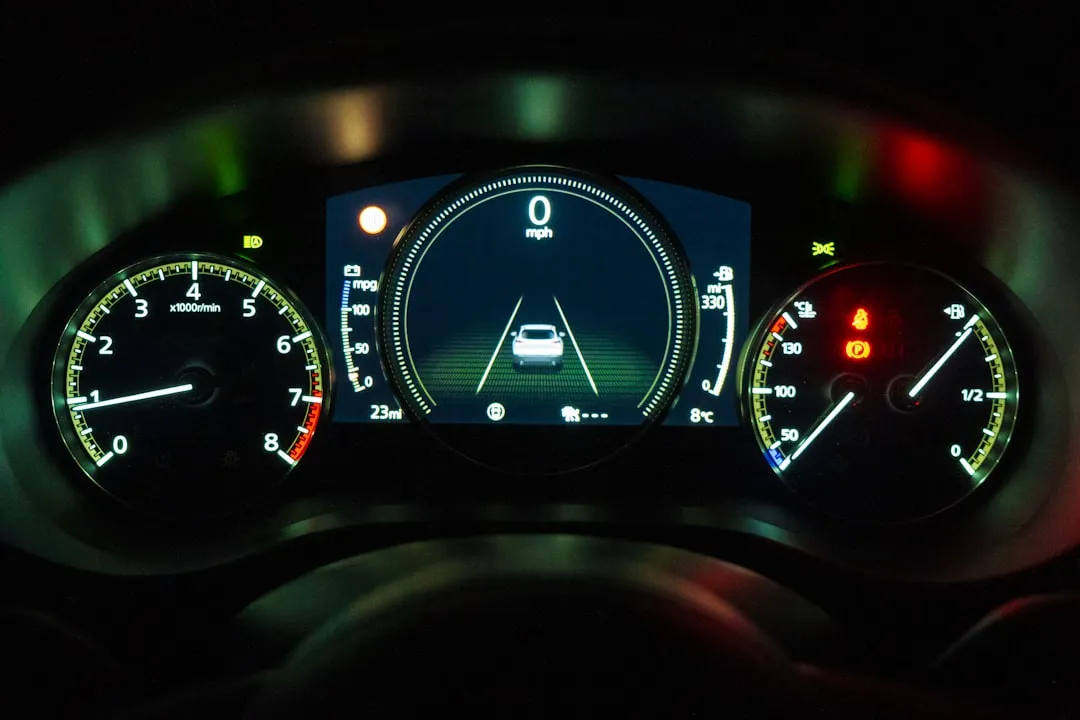
CarMD’s 2024 Vehicle Health Index, based on a Veridata Insights survey conducted on behalf of the company, found that nearly half of all respondents had a warning light on their dashboards at the time of the survey. That’s not a fringe finding. It reflects a broad and deeply embedded pattern.
A separate 2024 Direct Line Group survey found that roughly 43 percent of drivers admit to ignoring dashboard warning signs altogether. Pair those two figures together and the picture gets sobering fast.
Research also reveals that 46 percent of drivers are unable to identify even half of their car’s warning lights, which helps explain why so many people dismiss alerts they don’t fully understand. If you don’t know what a light means, the easiest default is to assume it’s minor.
What the TPMS Light Actually Is
TPMS stands for Tire Pressure Monitoring System. It monitors the air pressure inside each tire and warns the driver if pressure drops below safe levels. Because tire pressure directly affects braking, traction, fuel efficiency, and tire lifespan, these warnings should never be ignored.
Most vehicles use a horseshoe-shaped symbol with an exclamation mark inside to represent tire pressure alerts. The symbol resembles a cross-section of a tire with a warning indicator in the center. It’s simple enough in appearance, but surprisingly easy to confuse with other warning icons.
Since September 2007, TPMS has been standard equipment in light vehicles sold in the United States. These systems are effective in providing clear tire pressure information to the driver and warning against significant underinflation. Yet effectiveness depends entirely on whether drivers respond.
Why So Many Drivers Don’t Recognize It
A Goodyear-commissioned survey of over 1,000 U.S. drivers found that 49 percent of younger drivers and 39 percent of drivers overall could not recognize the TPMS warning symbol. That’s a striking gap between the technology installed in nearly every car and the public’s ability to use it.
In a separate recent survey, just 7 percent of drivers said they were extremely confident in their ability to correctly identify all warning lights in their vehicle. That leaves the vast majority operating vehicles with systems they only partially understand.
While a potentially life-saving feature, many drivers are still unaware of what the TPMS light is for when it appears on their dashboard. Introduced as a mandatory safety feature on all new cars since 2014 in the UK, it remains a mystery to some, yet is one of the most important warnings drivers need to pay attention to.
The Real-World Safety Stakes
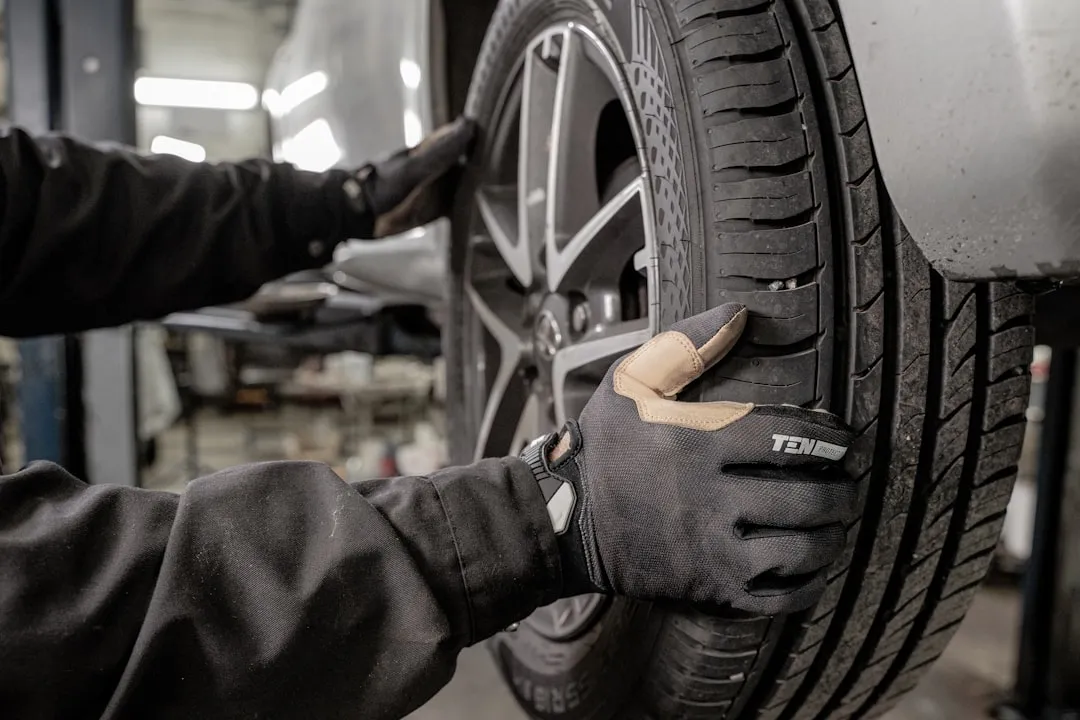
In 2024, a total of 511 people died on the road in tire-related crashes, according to NHTSA. These aren’t abstract numbers. They represent preventable outcomes tied directly to the kind of neglect the TPMS light is designed to interrupt.
NHTSA reported 646 traffic fatalities in 2023 caused by tire-related crashes, and nearly all of these fatalities were preventable if drivers had taken better care of their tires.
Tire blowouts alone account for approximately 11,000 vehicle crashes each year. Tires that are underinflated exhibit increased flexing, which causes excess heat buildup. This heat can weaken the internal structure of the tire, leading to premature wear or even catastrophic failure.
What Low Pressure Actually Does to Your Tires
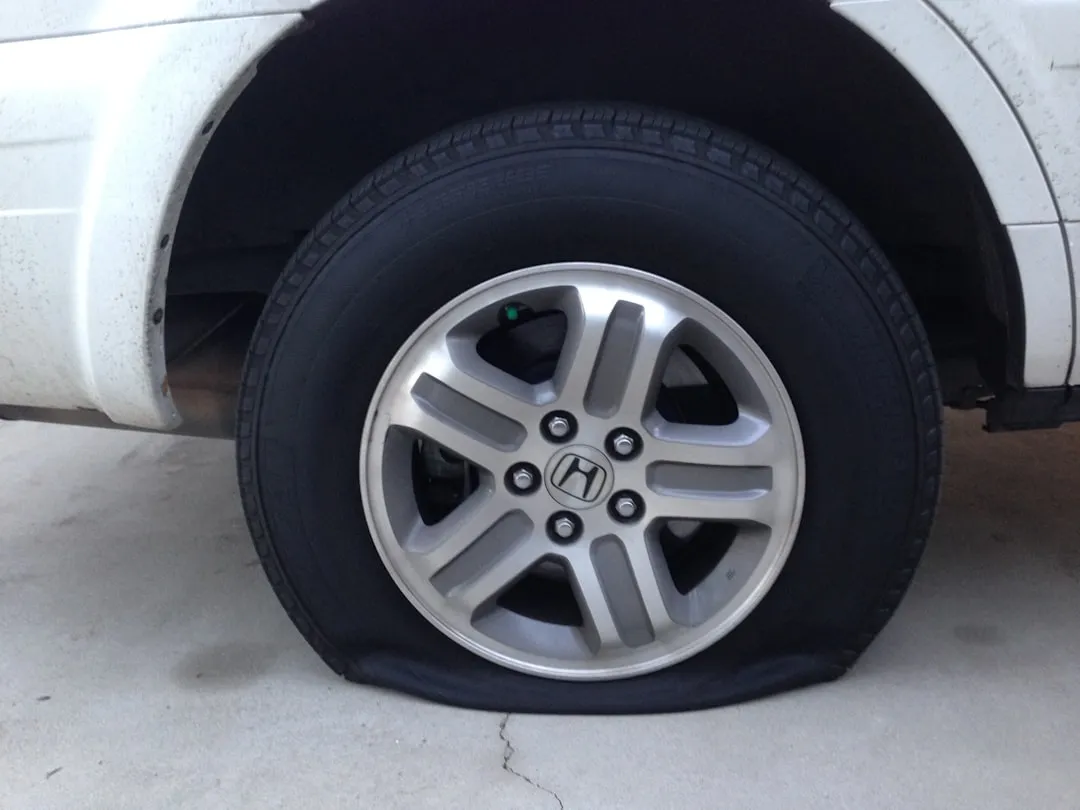
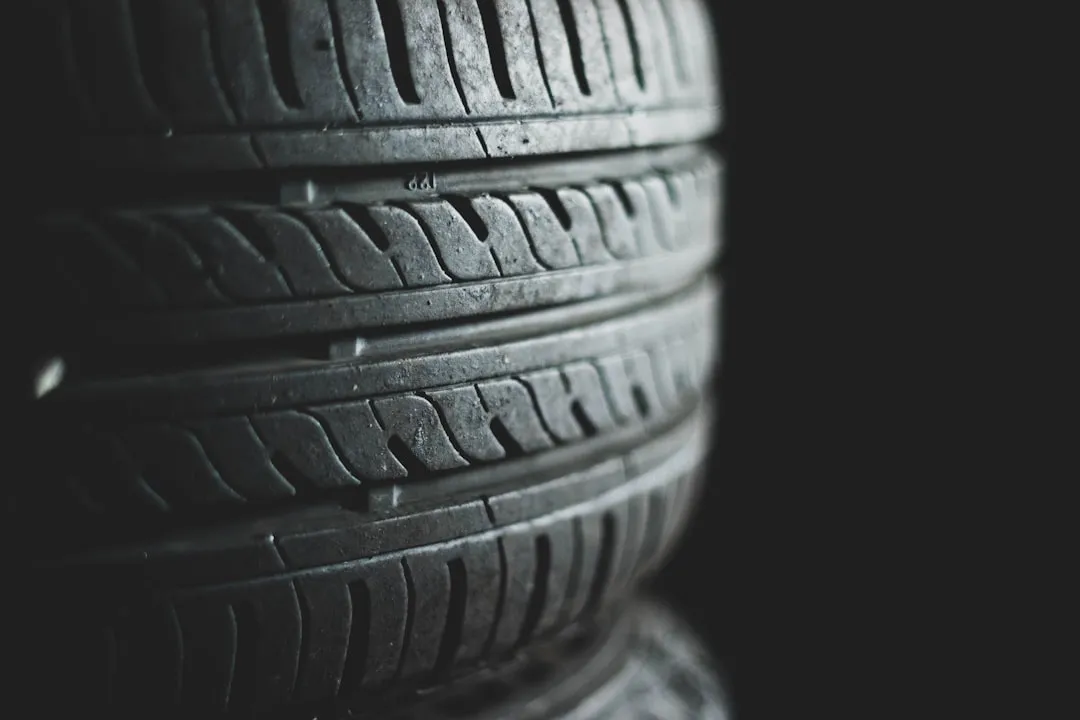
When the pressure in a tire is low, the sidewalls begin to flex under the weight of the car. Continued driving causes heat to build up in the tire. If enough heat accumulates, the rubber may separate from the wheel, and if this happens rapidly enough, the result is a blowout.
Tires that are low on pressure cannot make proper contact with the road, causing significant and uneven wear. Uneven tread wear reduces the tire’s life dramatically, leading to costly and premature replacement.
An underinflated tire also has greater resistance to movement. This resistance causes the engine to work harder, increasing the demand for fuel. The financial cost of ignoring this light starts adding up long before any dramatic tire event takes place.
The Fuel Economy You’re Quietly Losing
Properly inflating your tires can save you as much as 11 cents per gallon on fuel, yet only 19 percent of consumers properly inflate their tires. That means roughly four out of five drivers are paying more at the pump than they need to.
The EPA states that by ensuring tires are inflated to the appropriate pressure, drivers may be able to improve gas mileage by up to 3 percent. Over tens of thousands of miles, that’s a meaningful sum.
Properly inflating tires to the recommended PSI can extend their lifespan by thousands of miles, but nearly half of drivers surveyed didn’t know where to find the correct tire pressure information. Tire costs have been steadily rising, with the average set of four tires costing $848 according to a recent survey. Ignoring the TPMS warning light can lead to under- or over-inflated tires, which wear down faster and require more frequent and costly replacements.
The Visual Check Misconception
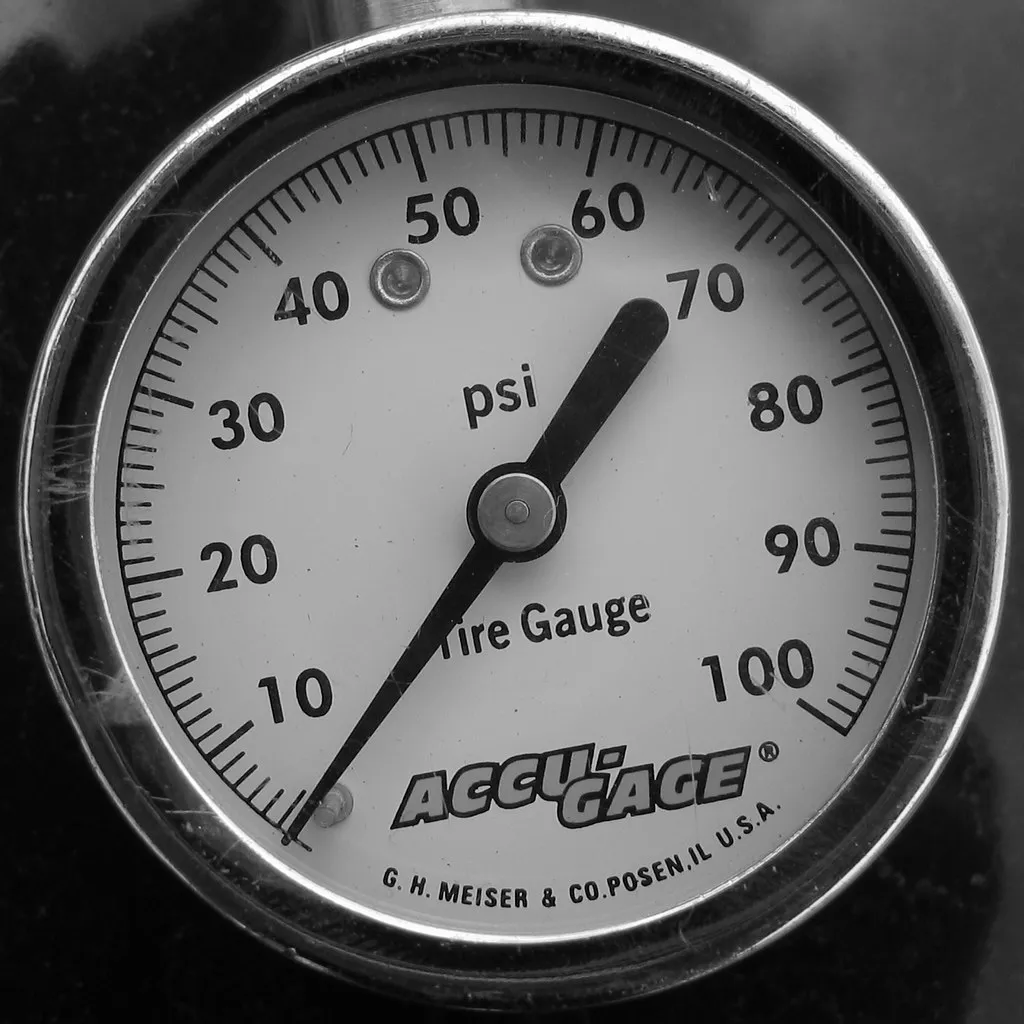
Among drivers who can identify the TPMS warning light, about 10 percent still admit to ignoring it, and 21 percent say that even when they do stop, they only check their tires visually rather than with a pressure gauge. The TPMS warning light is designed to illuminate when the tire is 25 percent deflated, but a tire doesn’t start to appear visually low until it is about 50 percent deflated.
That gap is significant. A tire can look completely normal to the naked eye while being dangerously underinflated. A visual check, in this context, offers false reassurance rather than actual safety information.
AAA recommends always having a dependable manual pressure gauge to check tires once a month, because a tire can be more than 20 percent deflated before it triggers the dashboard warning. The TPMS light is a last-resort alert, not an early one.
Cold Weather Makes It Worse

The TPMS warning light can turn on when cold weather causes the air pressure inside tires to drop. This is one reason many drivers dismiss the light as a seasonal quirk rather than a genuine warning. They assume the temperature caused a false alarm and keep driving.
On cold mornings, the TPMS symbol may illuminate for a short period and then turn off. This is likely caused by marginally low tire pressure that dips below the warning threshold overnight but rises to an acceptable level as the tires heat up through vehicle operation or an increase in external temperatures.
Under normal driving conditions, air-filled tires can lose from 1 to 2 PSI per month as air permeates through the tires, according to tire experts. Cold weather accelerates this natural process, making winter months the most common time the TPMS light activates and the most common time it gets dismissed.
Where to Find the Right Pressure
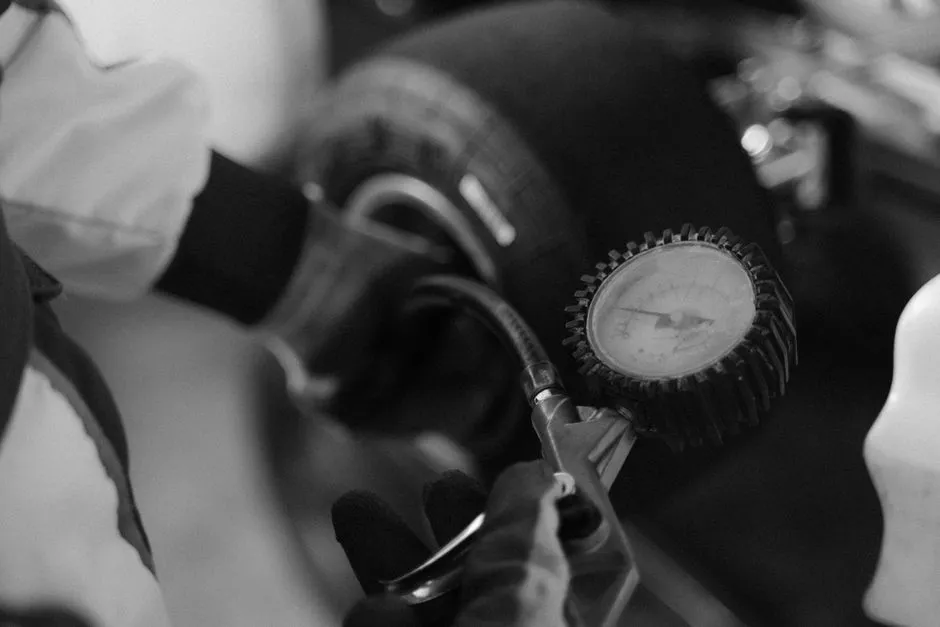
Nearly half of drivers surveyed didn’t know where to find the correct tire pressure information for their vehicle. The number is printed on a sticker located on the inside edge of the driver’s door jamb. It’s also in the owner’s manual. Notably, it is not the number printed on the tire itself, which reflects the tire’s maximum capacity rather than the manufacturer’s recommended operating pressure.
The pressure of all tires, including the spare, should be checked at least once a month when the tires are “cold,” meaning the car hasn’t been driven for at least three hours. That small habit is all it takes to stay ahead of most tire pressure problems before the TPMS light ever appears.
According to NHTSA, properly inflated tires can extend the average life of a tire by 4,700 miles. That figure alone makes the cost of a monthly pressure check essentially zero compared to the savings over time.
What to Do the Moment the Light Comes On
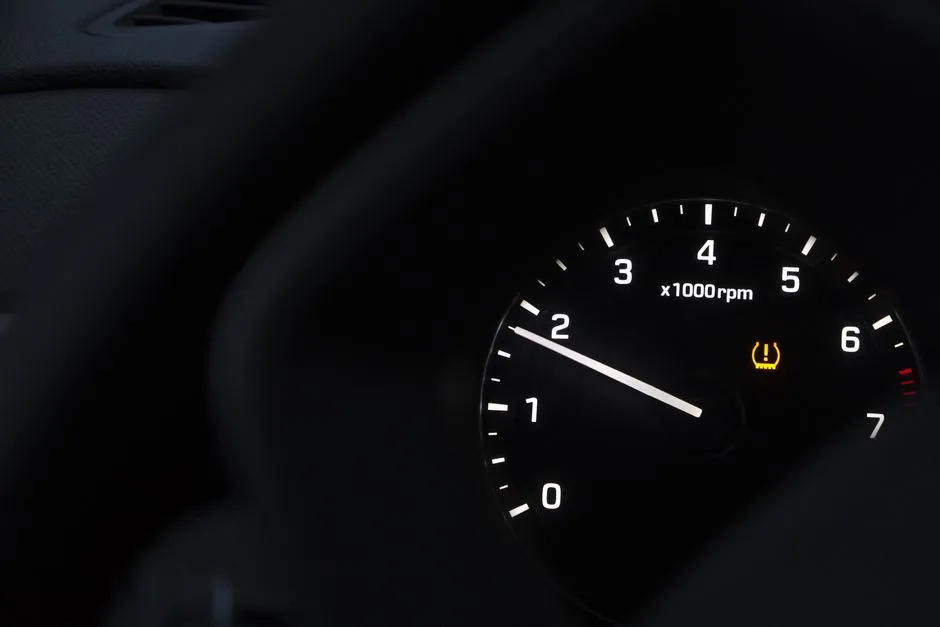
A significant number of drivers ignore the TPMS warning light when it appears and carry on driving, putting themselves and others at unnecessary risk. If the light comes on while driving, drivers should slow down, drive more cautiously, and find a service area where the pressures can be checked as soon as possible.
Understanding whether the warning light is solid, flashing, or temperature-related allows drivers to diagnose the issue quickly. Maintaining correct tire pressure not only prevents dashboard warnings but also improves fuel efficiency, extends tire lifespan, and enhances overall driving safety.
Ignoring or misinterpreting a warning light can result in delayed repairs, leading to more extensive damage and higher costs, and in some cases, this could even compromise driver and passenger safety. The response doesn’t need to be dramatic. It just needs to happen.
The Quiet Cost of Waiting

The TPMS light doesn’t flash red. It doesn’t make a sound. It just sits there, amber and patient, waiting for a driver to take it seriously. Most don’t, at least not immediately.
Ignoring warning lights often feels cheaper in the moment, but the 2025 CarMD Vehicle Health Index found that the average age of vehicles on U.S. roads has reached 12.6 years, meaning the vehicles most likely to have tire and sensor issues are also the ones with the most miles behind them. Deferred maintenance compounds quickly on older cars.
The purpose of dashboard lights is to make drivers aware of underlying issues before they become bigger problems. In most cases, as long as drivers attend to these notifications with appropriate urgency, they can successfully avoid severe issues and potentially keep repair costs low. The TPMS light is exactly that kind of early signal. It asks for very little. The consequences of ignoring it can ask for much more.
AI Disclaimer: This article was created with the assistance of AI tools and reviewed by a human editor.