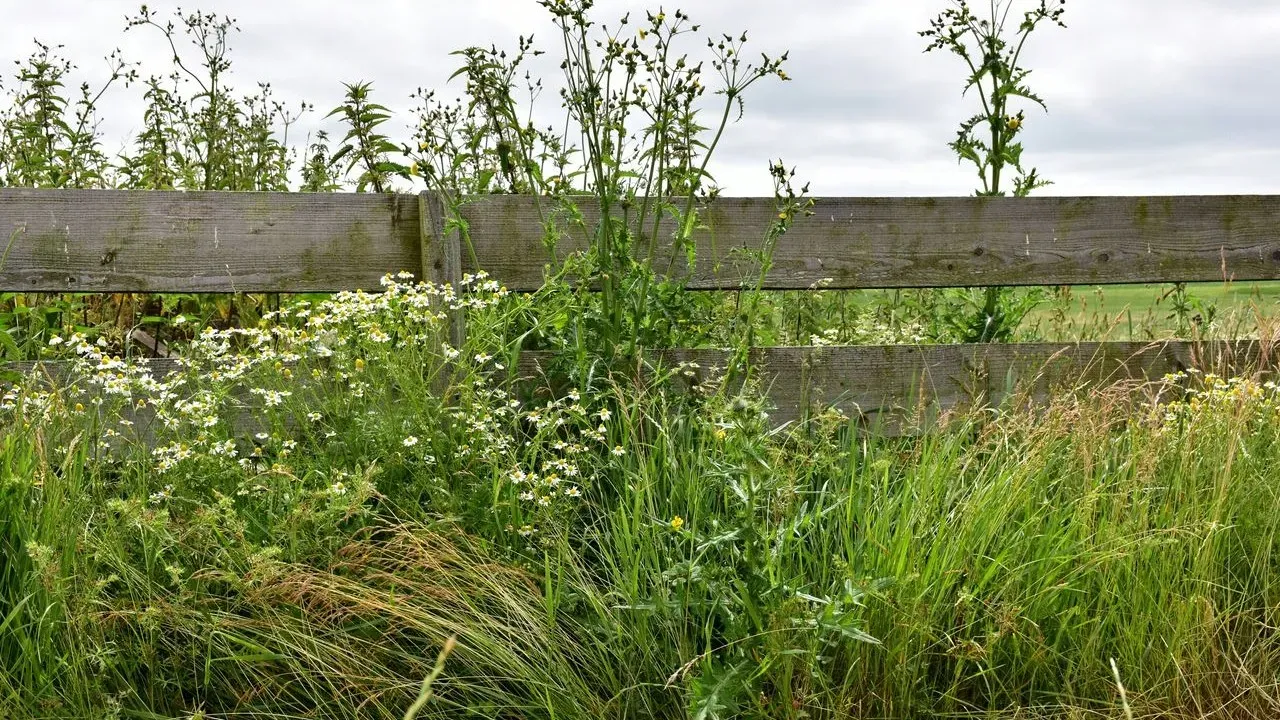

Gardeners often spend considerable time removing plants they view as nuisances, yet several common species that appear uninvited can provide edible greens with notable nutritional value. These plants frequently grow in the same conditions as cultivated crops, offering a low-effort way to supplement meals while reducing waste. Identification and careful handling remain essential before any consumption.
Why Gardeners Are Reconsidering Routine Weeding
Many households seek ways to lower grocery costs and increase access to fresh produce without expanding planted areas. Weeds that tolerate poor soil and irregular watering can fill that role when properly recognized. Their presence also supports broader garden health by attracting beneficial insects and improving ground cover in some cases. This shift aligns with growing interest in sustainable practices that make use of resources already on site. Rather than viewing every non-crop plant as competition, some gardeners now evaluate whether certain species deliver returns in the form of food. The approach requires only modest changes to existing routines.
Key Identification and Safety Steps
Accurate identification starts with observing leaf shape, growth habit, and flower characteristics during different seasons. Reliable field guides or consultation with local extension services help confirm species before harvest. Multiple look-alike plants exist, so cross-checking several traits reduces error. Safety begins with avoiding areas treated with herbicides or exposed to road runoff and pet waste. Young leaves generally offer better flavor and texture than mature ones. Washing thoroughly and starting with small portions allows individuals to assess personal tolerance.
Examples of Commonly Encountered Edible Species
Dandelion appears in lawns and beds across many regions. Its young leaves add a slightly bitter note to salads or cooked dishes, while the roots can be prepared as a coffee substitute after roasting. Purslane thrives in sunny, compacted spots and features succulent leaves high in omega-3 fatty acids. It works well raw in salads or lightly sautéed, providing a crisp texture similar to some cultivated greens. Chickweed forms low mats with small white flowers and delicate leaves that suit fresh eating or brief cooking. It often emerges in cooler months when other greens may be limited. Additional species such as plantain and lamb’s quarters appear in similar disturbed soils and offer comparable uses once correctly identified.
- Dandelion: bitter greens and roasted roots
- Purslane: succulent leaves rich in fatty acids
- Chickweed: mild flavor for raw or cooked dishes
- Plantain and lamb’s quarters: versatile greens from disturbed ground
Practical Harvesting and Preparation
Harvest occurs best in the morning when plants hold more moisture and before flowering reduces tenderness. Using clean scissors or pinching by hand minimizes soil disturbance. Only the most vigorous patches should be thinned to avoid depleting future growth. Preparation methods mirror those for familiar greens: light steaming, wilting in a pan, or incorporation into soups and pestos. Experimentation in small batches helps match flavors with existing recipes. Excess can be dried for later use or added to smoothies.
What Matters Now for Home Gardeners
Adopting selective tolerance for these plants can trim both maintenance time and food expenses over a season. It also encourages closer observation of the garden ecosystem. Continued learning through local resources supports safe expansion of this practice. Over time, the distinction between weed and crop becomes less rigid for those willing to test new approaches within established safety boundaries.
AI Disclaimer: This article was created with the assistance of AI tools and reviewed by a human editor.