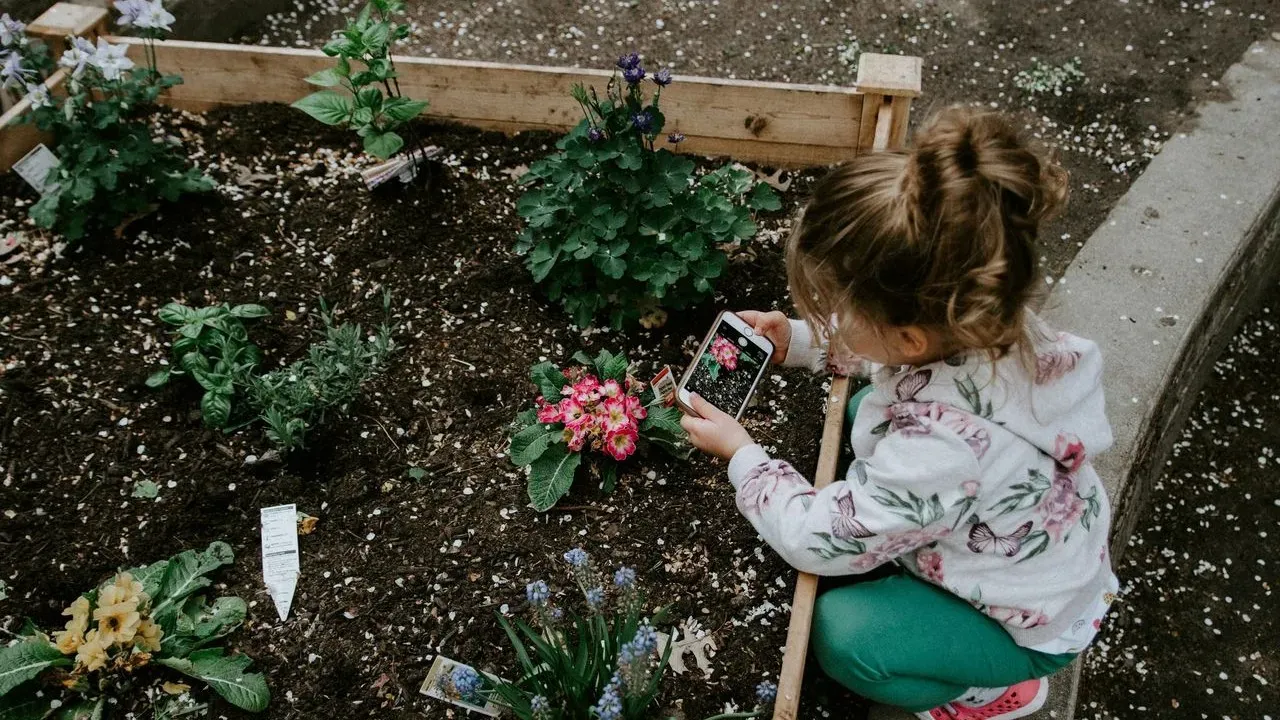

Divorce reshapes daily life for children in ways that extend far beyond new addresses. Routines shift, familiar comforts disappear, and emotions often surface without clear outlets. Gardening offers families a practical way to create steadiness during this period of adjustment.
The Garden as a Constant Amid Change
Children frequently experience divorce as a series of unpredictable shifts. A garden, however, follows its own reliable rhythm that remains untouched by family transitions. Plants grow steadily regardless of external events, and the cycle of seasons provides a quiet sense of continuity.
Simple tasks such as watering seedlings or observing new growth give children tangible proof that some things stay consistent. These small observations can reduce feelings of uncertainty. Over time, the garden becomes a familiar space where children can return without fear of further disruption.
Shared Tasks Strengthen Family Connections
Working side by side outdoors creates opportunities for natural conversation that feel less pressured than formal talks. Children may begin to share thoughts while planting herbs or pulling weeds, simply because the activity keeps hands busy and minds relaxed. Parents can listen without directing the discussion.
Even quiet participation carries weight. Joint effort signals ongoing care and presence. Families often notice that these moments accumulate into stronger daily bonds without requiring elaborate plans or perfect conditions.
Nature Eases Stress in Everyday Ways
Stress in children after divorce can appear as restlessness or sudden quietness. Time spent outside interrupts those patterns through direct sensory experiences. Soil under the fingers, birdsong overhead, and fresh air combine to anchor attention in the present.
Research on outdoor activity supports the idea that such contact helps regulate emotions, though individual responses vary. The goal remains modest: create regular, low-pressure time outdoors rather than chase dramatic improvements. Many families find that consistency matters more than intensity.
Small Achievements Restore a Sense of Control
Divorce can leave children feeling powerless over their circumstances. Gardening counters this by offering clear, manageable goals. Selecting seeds, tracking progress, and harvesting a single tomato demonstrate that personal actions produce visible results.
Assigning a small plot or a few pots to a child adds ownership. That dedicated space becomes theirs to tend and enjoy. Successes, however modest, build confidence that carries into other areas of life.
Key practices that support adjustment include:
- Regular short sessions rather than long weekend projects
- Letting children choose some plants or tools
- Focusing on process over perfect results
- Allowing quiet time alongside conversation
Gardening will not resolve every challenge that follows divorce. Yet the steady rhythm of planting, tending, and watching growth supplies families with repeated opportunities for connection and calm. Those repeated moments can help children feel more rooted as they move forward.
AI Disclaimer: This article was created with the assistance of AI tools and reviewed by a human editor.