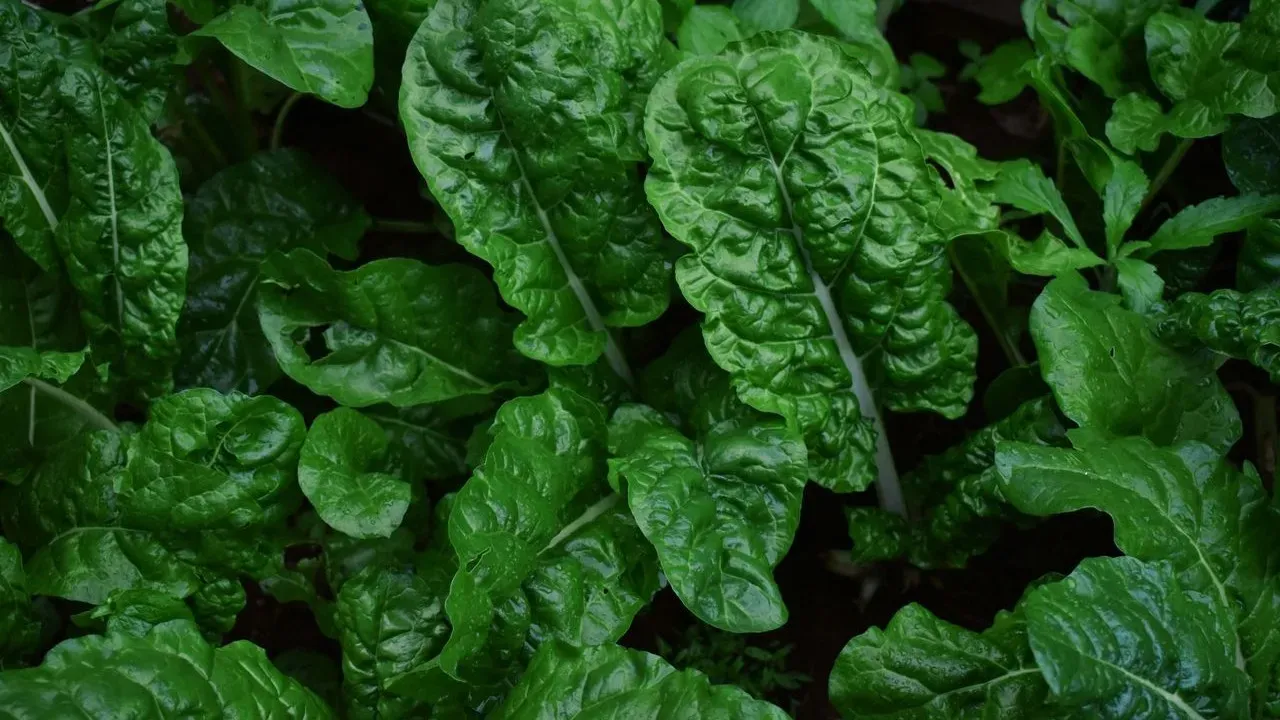

Gardeners planning ahead for fall harvests often run into the same obstacle year after year. Spinach seeds simply refuse to sprout once soil temperatures climb, leaving carefully prepared beds empty or sparsely populated. The result is missed opportunities for tender greens just when cooler weather makes them most appealing.
Why Warm Soil Creates Problems
Spinach prefers cool conditions from the very beginning. Optimal germination occurs between roughly 40 and 75 degrees Fahrenheit, with the best results near 60 to 68 degrees. Once soil warms past 75 degrees, germination rates drop sharply and many seeds simply stay dormant. This biological preference explains why direct sowing in midsummer frequently fails even when moisture and other factors appear ideal. The issue becomes especially noticeable for those aiming to establish plants before autumn arrives. Without intervention, the window for a successful fall crop narrows quickly in many climates.
A Practical Preparation Step
One effective approach involves giving seeds a head start through controlled moisture and cooler temperatures before they ever touch the garden soil. This method, sometimes called priming or pre-germination, allows the seeds to begin the early stages of sprouting under favorable conditions. Gardeners typically place seeds between layers of moist paper towels inside a sealed plastic bag. The bag then goes into the refrigerator for a few days. The cool, dark environment mimics the conditions spinach naturally favors and encourages uniform sprouting once the seeds are planted. After this treatment, many seeds show visible signs of germination within a short time.
Putting the Method Into Practice
The process works best when timed carefully. Begin the preparation about a week before the intended outdoor planting date. – Select fresh spinach seeds suited to your region. – Moisten paper towels without soaking them. – Spread seeds in a single layer between the towels. – Seal in a bag and refrigerate for two to three days. – Check daily for sprouting and plant promptly once roots appear. This sequence helps bypass the heat barrier that stops untreated seeds. Direct sowing can then occur once soil temperatures moderate slightly or in a shaded spot that stays cooler.
Planning for Fall Success
Successful germination is only the first part of the equation. After seedlings emerge, consistent moisture and protection from intense afternoon sun support steady growth. Many gardeners interplant spinach with faster-maturing crops such as lettuce to maximize space while the spinach develops. As days shorten and temperatures drop, the plants accelerate toward harvest. The extra effort invested at the seed stage pays off with reliable stands of greens ready for cooler-season meals. The satisfaction of pulling fresh spinach from the garden in autumn often makes the initial preparation worthwhile for those who value homegrown produce throughout the year.
AI Disclaimer: This article was created with the assistance of AI tools and reviewed by a human editor.