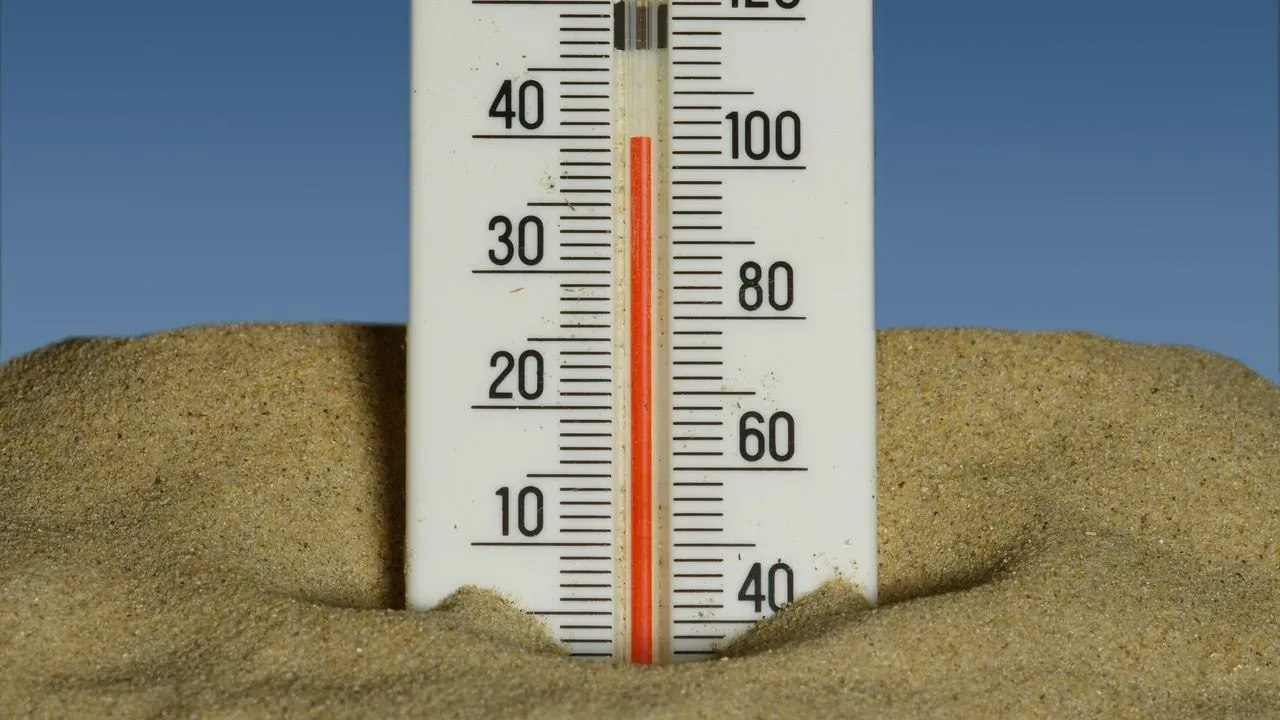

Southern California faces another intense heat wave this week, with heat advisories and extreme heat warnings already in place as temperatures climb. The conditions arrive at a critical moment for local gardens, where lawns, vegetable beds, container plants, and trees stand exposed to rapid moisture loss and stress. Gardeners must act quickly to limit damage before the peak arrives.
Why Plants Are Especially Vulnerable Now
High temperatures accelerate evaporation from soil and leaves, leaving roots unable to keep up. Vegetable crops and young transplants often show the first signs of trouble through wilting or leaf scorch. Established trees can suffer too, with sunscald appearing on trunks and branches that lack adequate shade or water reserves.
Container plants dry out fastest because their limited soil volume offers little buffer against the heat. Lawns turn brown and go dormant under prolonged exposure, while flowering perennials may drop buds to conserve energy. These effects compound when the heat advisory extends over several days without relief.
Immediate Actions to Limit Damage
Water deeply in the early morning or late evening to reduce evaporation and allow roots to absorb moisture before the day’s peak heat. Focus on the root zone rather than foliage to avoid encouraging fungal issues. Move portable containers into shaded spots or group them together so they create their own microclimate.
Apply a thick layer of organic mulch around the base of plants to slow soil drying and moderate temperature swings at the root level. Check irrigation systems for leaks or clogs that could leave sections of the garden without water during the critical period. Avoid any heavy pruning or fertilizing that could add further stress while temperatures remain elevated.
Monitoring and Follow-Up Care
Inspect plants daily for early signs of distress such as drooping, yellowing, or crispy leaf edges. Provide temporary shade cloth over the most sensitive beds during the hottest afternoon hours. Once the advisory lifts, resume normal watering gradually rather than flooding stressed plants all at once.
Keep personal safety in mind while working outdoors by staying hydrated, wearing protective clothing, and limiting time outside during peak heat. These same precautions help ensure gardeners remain able to tend to their plants throughout the event.
The current heat wave serves as a reminder that preparation and timely response protect both gardens and the people who care for them. With consistent attention over the next several days, most established plantings can emerge with minimal lasting harm.
AI Disclaimer: This article was created with the assistance of AI tools and reviewed by a human editor.