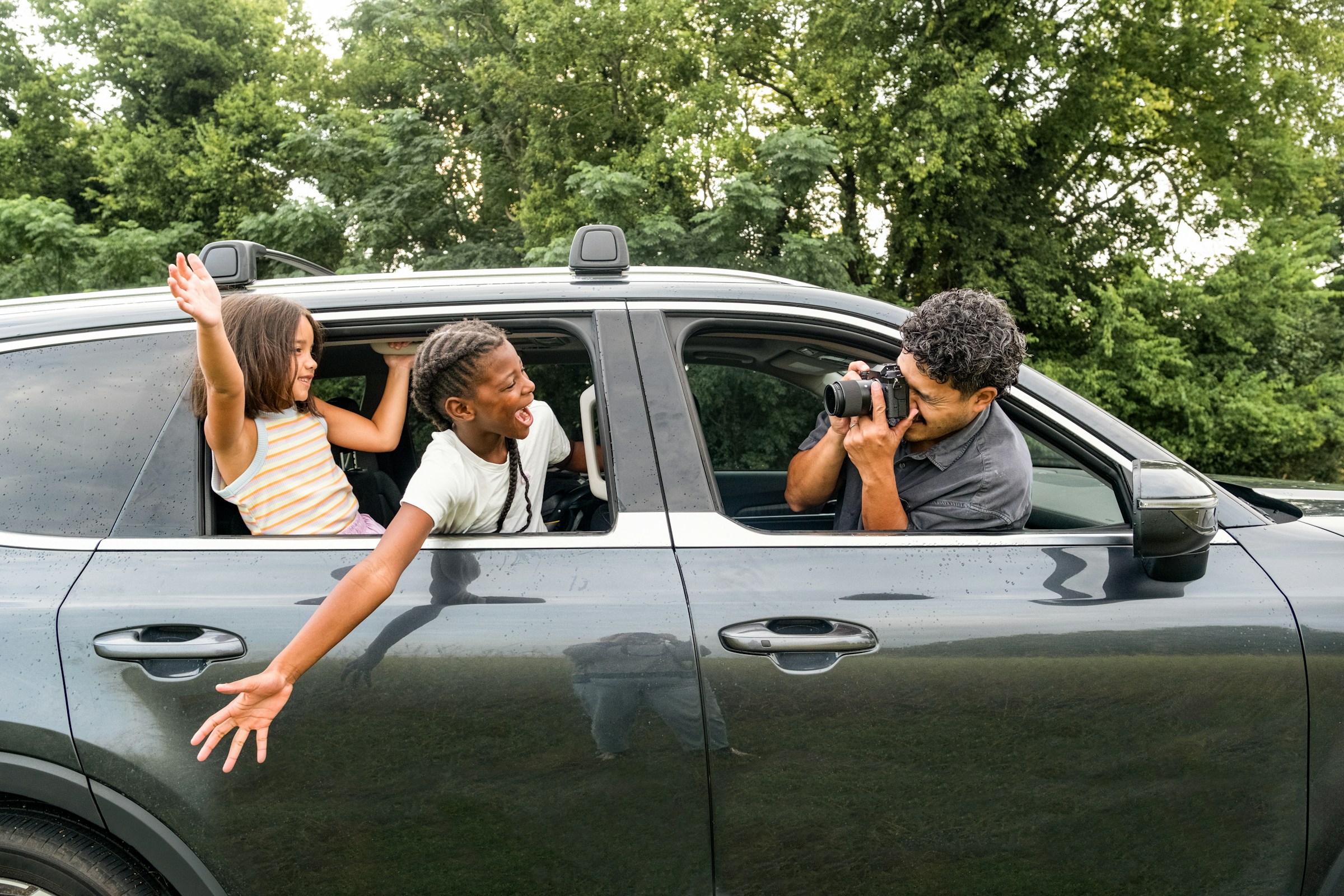

There was a time when piling in family car after church, with nowhere particular to go, was one of the most distinctly American things a person could do. No agenda, no GPS, no destination. Just open road, a half-tank of gas, and the quiet pleasure of moving through the world without a reason to hurry.
That ritual had a long run. It shaped suburbs, roadside diners, scenic byways, and an entire cultural mythology around the car. But somewhere between rising fuel costs, algorithmic entertainment, ride-hailing apps, and the slow death of unscheduled time, the Sunday drive quietly stalled. Whether it’s gone for good, or simply changing shape, is a more complicated question than it first appears.
Where the Sunday Drive Came From
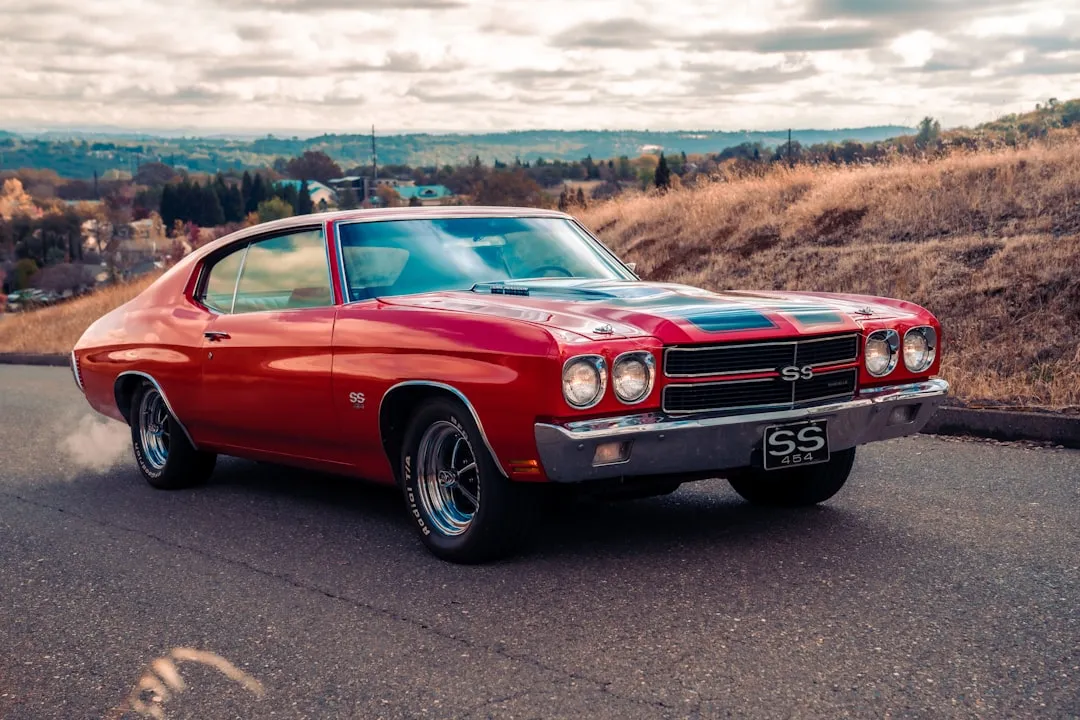
The Sunday drive as a cultural practice began taking shape in the 1920s and 1930s, rooted in the idea that the automobile was not used merely for commuting or errands but for pleasure. It was typically taken in the afternoon with no particular destination and no rush, a deliberate act of leisure tied to the weekly rhythm of American life.
Henry Ford himself was an advocate of the Sunday drive, promoting the weekend as a time for activity rather than rest partly because it led to the sale of automobiles. The practice became increasingly popular throughout the 20th century, cementing the car as a symbol not just of utility but of personal freedom and family togetherness.
The Golden Era of Going Nowhere
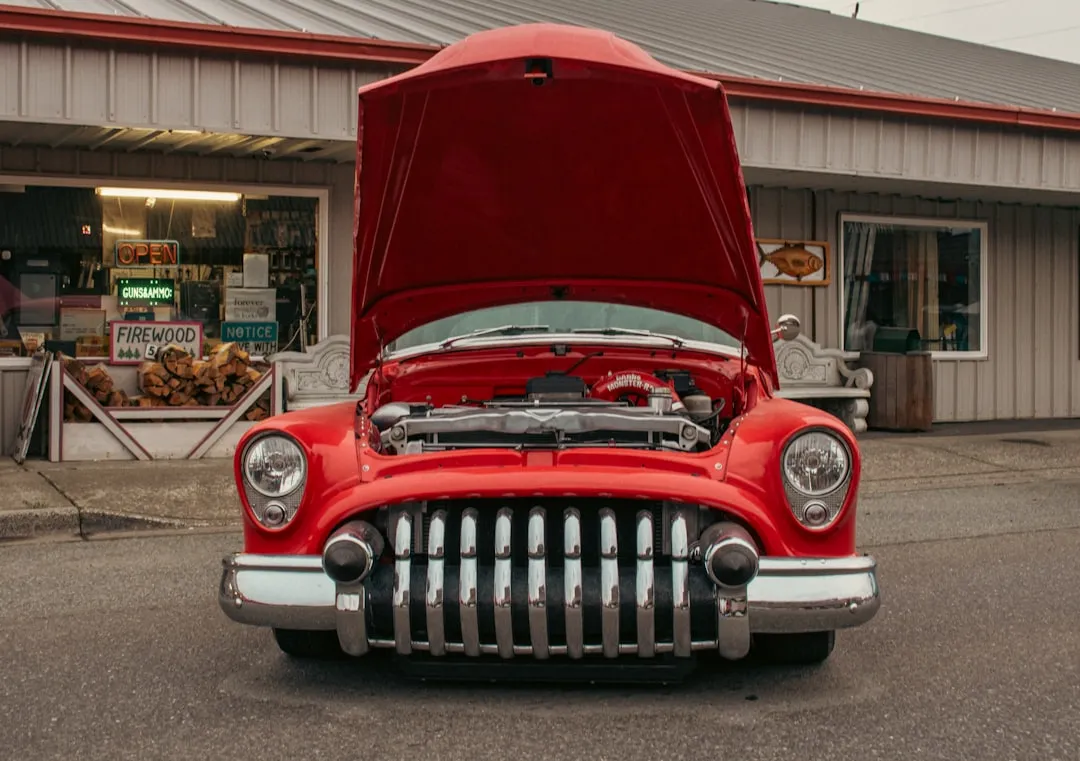
Through the postwar decades, American driving grew at a pace that seems almost staggering in hindsight. From 1951 to 1978, vehicle miles traveled grew at an average annual rate of around four and a half percent per year. Families had more cars, roads were being built at a furious clip, and leisure driving was a natural expression of postwar prosperity.
States like Wyoming, Alabama, Mississippi, and New Mexico each averaged above 20,000 miles per driver annually, driven by wide rural geography, sparse public transit, and long commute distances. In those places, the Sunday drive was less a nostalgic ritual and more just life.
Gas Prices: The Original Party Crasher
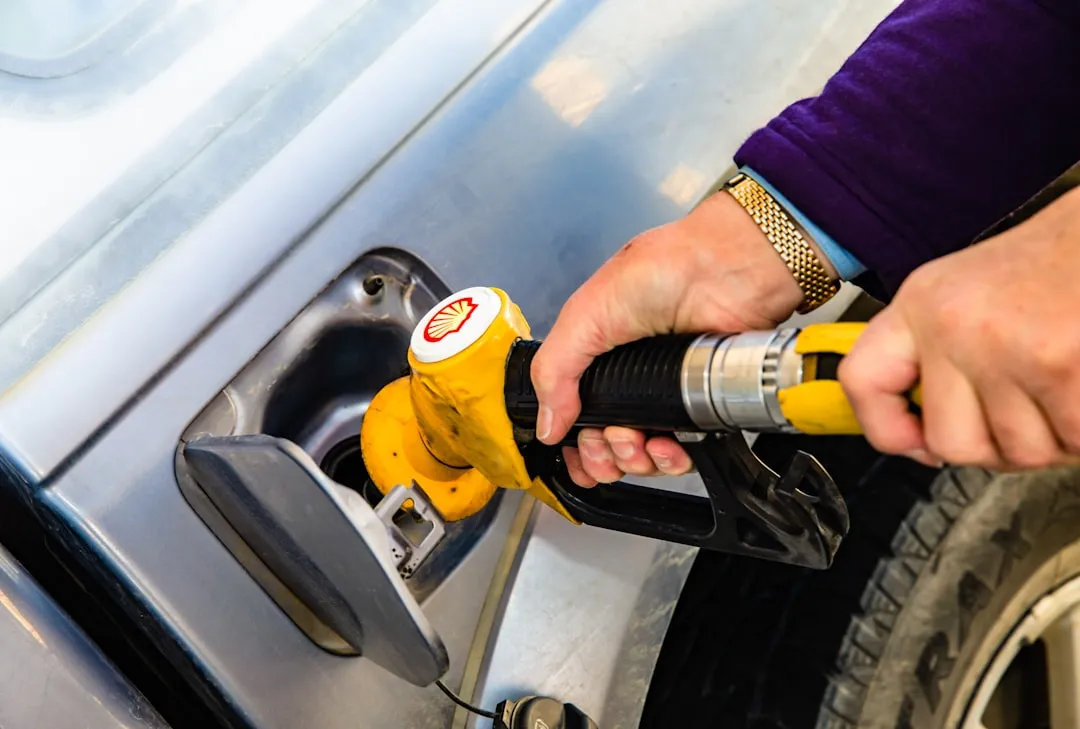
The rolling 12-month miles traveled peaked in April 1979, then contracted for 39 months during the stagflation period of the late 1970s to early 1980s, a time marked by a double-dip recession. When fuel became expensive, discretionary trips were among the first casualties. The Sunday drive wasn’t a necessity, so it was the first thing to go.
During the mid-2000s, as a result of higher gasoline prices, some Americans curtailed their Sunday drives. When gas prices spike or disposable income falls, Americans consolidate trips and delay leisure driving. The pattern has repeated itself with remarkable consistency across decades.
A recent AP-NORC survey found that nearly half of Americans reported being “extremely” or “very” worried about being able to afford gas in the coming months, compared to roughly a third in December 2024. The GasBuddy 2026 Summer Travel Survey shows that more than two thirds of Americans say high gasoline prices are impacting their summer travel plans. The pump remains the single most direct lever on leisure driving behavior.
The Pandemic Reset and What Came After
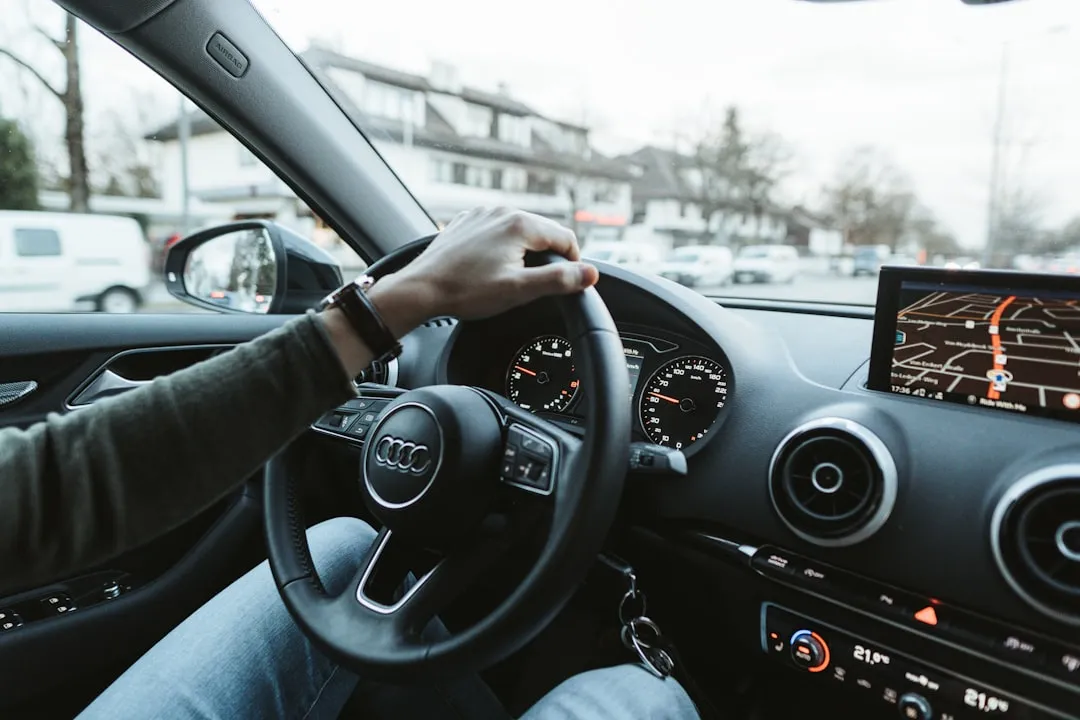
The COVID-19 pandemic had the most significant impact on driving in the modern era, as Americans stayed home for work, meals, and entertainment, with the 12-month moving average of miles driven falling nearly 14 percent from its high. It was the steepest and fastest decline in recorded history.
By 2023, most drivers had returned to near-normal habits, though total vehicle miles traveled remained slightly below pre-pandemic levels, with the Federal Highway Administration’s Spring 2024 forecast anticipating slower growth of around 0.4 percent annually through 2050. Americans drove 3.279 trillion vehicle-miles in 2024, an increase of 32.3 billion miles, which represented a post-COVID reversion back to the historical norm rather than any new surge in driving enthusiasm.
Young Drivers Are Changing the Math
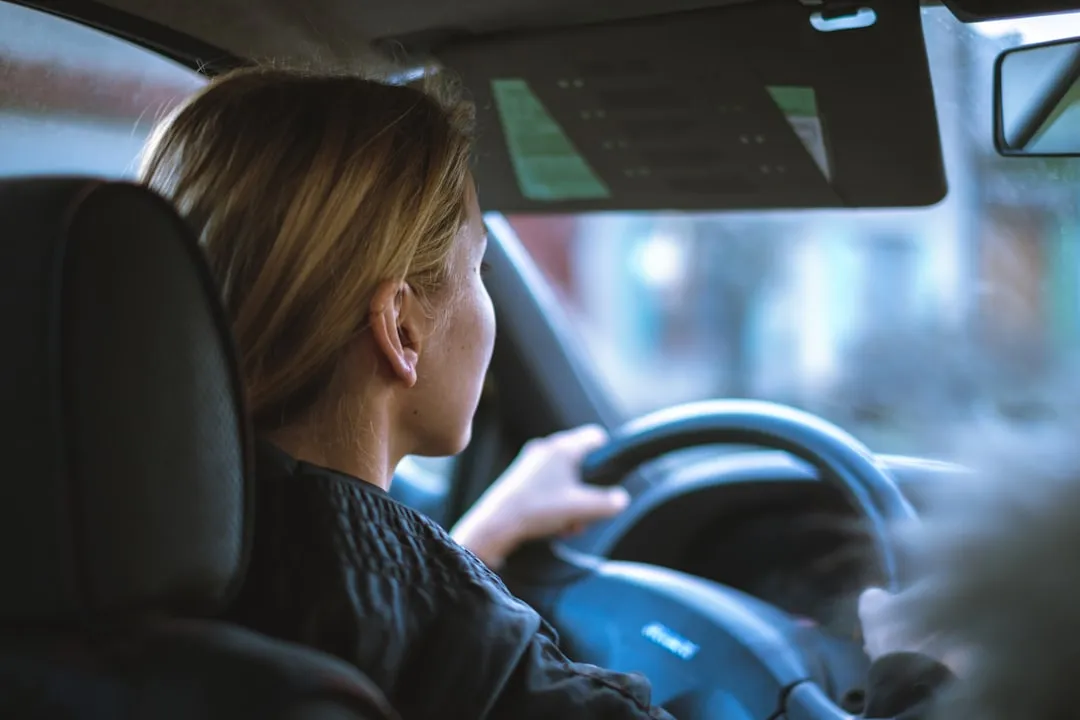
In 1983, nearly half of all 16-year-olds held a driver’s license. By April 2024, only about one in four 16-year-olds held one. That’s a dramatic structural shift in who is even behind the wheel to begin with. The Sunday drive, in its traditional form, requires a driver who actually wants to drive.
Gen Z Americans are waiting far longer to get their driver’s licenses and taking fewer driving trips than the generations before them, a pattern confirmed by multiple studies. Yet the story has a twist. Despite the popular narrative that Gen Z is abandoning car ownership, Enterprise Mobility’s 2025 annual “On the Move” survey found that their frequency of private vehicle use is quietly rising, with weekly or more usage increasing to 66 percent in 2025, up from 62 percent in 2024.
Gen Z and Millennials are more likely than older generations to use mass rapid transit weekly, and Gen Z and Millennials are also more likely to use ride-hailing services weekly. The youngest drivers want mobility on multiple terms, not necessarily the terms their grandparents preferred.
Road Trips Are Not Dead, But They’ve Evolved
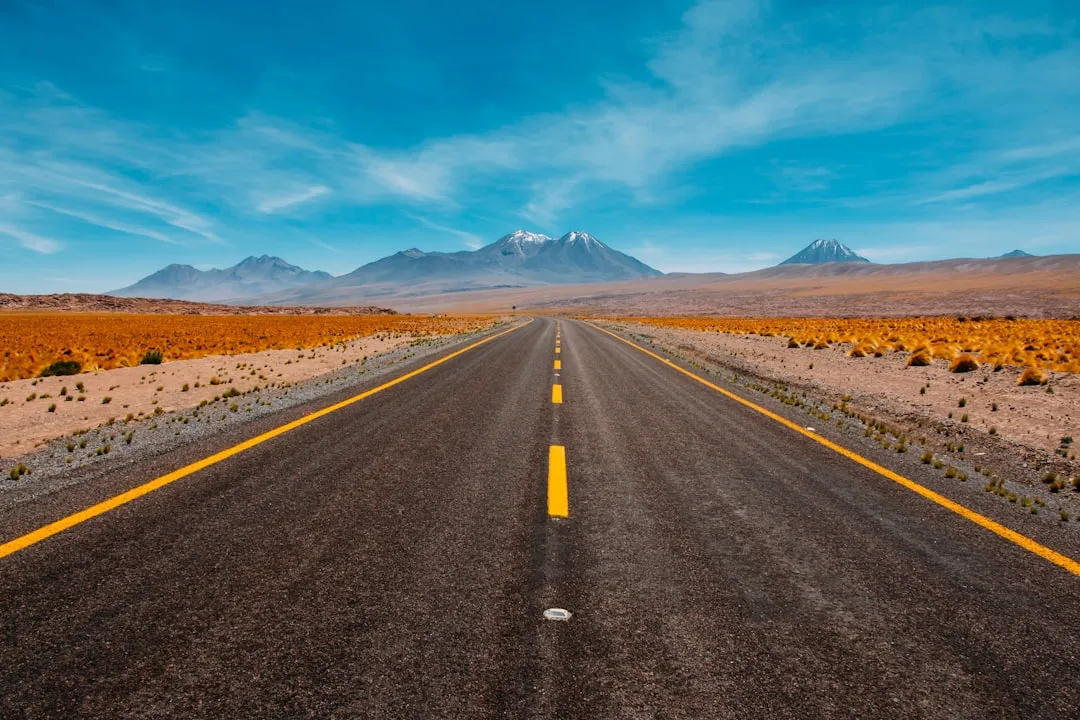
Road trips were the most popular form of travel in 2024, chosen by roughly two in five American travelers, alongside slow travel and multi-generational family trips. So the appetite for getting in the car and going somewhere is still very much alive. What’s shifted is the structure of the trip itself.
Driving remains the most popular way to travel, with nine in ten holiday travelers hitting the road. Among travelers adjusting for economic pressures, a notable trend in 2025 pointed toward more driving instead of flying, fewer international trips, and reduced spending on in-destination experiences. Cost, it turns out, can actually push people back toward the car.
Congestion Changed How Driving Feels
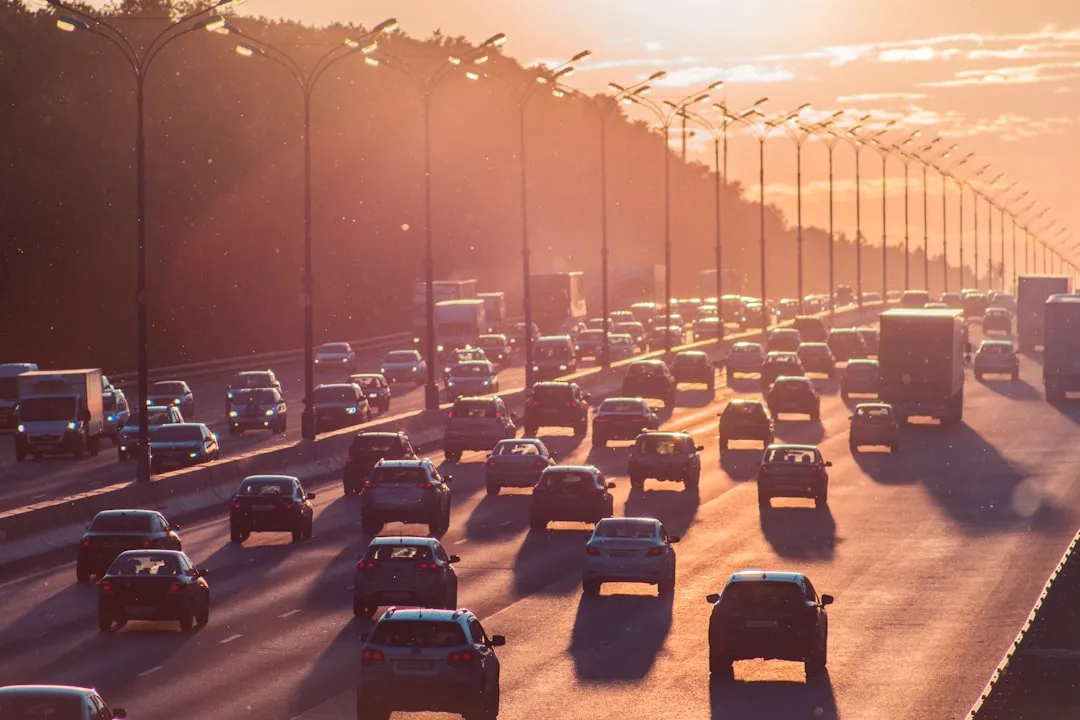
In 2024, the typical U.S. driver lost about 43 hours to traffic congestion, the equivalent of one full work week, which amounted to $771 worth of time lost. Congestion cost the nation over $74 billion, up 1.7 percent from 2023. Driving for pleasure is a hard sell when driving itself has become a source of stress.
New York City and Chicago each recorded 102 hours lost per driver to congestion in 2024. When the Sunday drive means sitting in traffic on an overloaded highway, the romance of the open road evaporates quickly. Urban sprawl and infrastructure that hasn’t kept pace with population growth have quietly stripped away the conditions that made leisurely driving feel good.
The Commercial Takeover of the Road
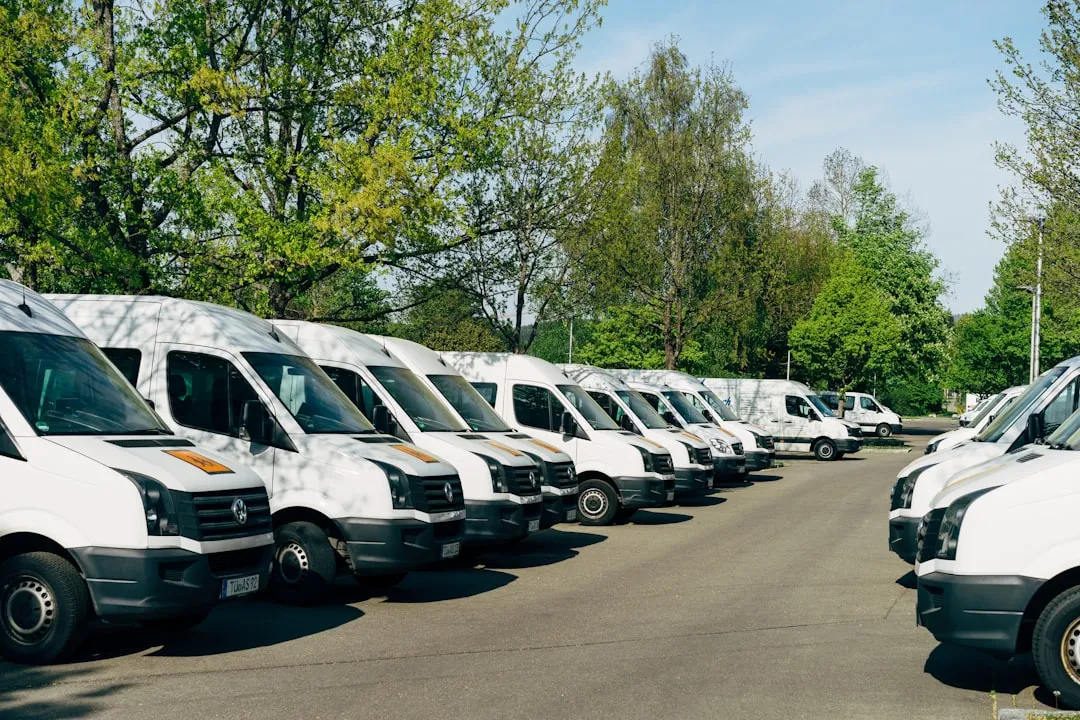
While personal driving may dip, commercial vehicle miles traveled from delivery vehicles has surged, with Amazon vans, gig-delivery drivers, and local courier fleets now accounting for a growing share of total roadway activity, shifting mileage from private cars to commercial vehicles. The roads haven’t emptied. They’ve simply changed who fills them.
Among U.S. workers in 2024, 78 percent used a private vehicle to get to work, and Americans have used a private vehicle for around 90 percent of their shopping and personal errands and about 80 percent of the time for social and recreational activities. The car is still indispensable. It’s just that the way people use it has become more purposeful and less spontaneous.
Rural America Still Drives for the Sake of Driving

Drivers living in the country drive more time and distance than those in medium-sized cities, and in many parts of rural America the Sunday drive never really went away. It’s a matter of geography as much as culture. When the nearest town is 30 miles off and the landscape is genuinely worth watching, a slow drive through it doesn’t need to justify itself.
Over 91 percent of U.S. households have access to a private vehicle, one of the highest rates in the world. Outside of dense urban centers, the car remains not just a tool but a way of relating to the land. For millions of Americans in smaller communities, the Sunday afternoon loop through the county backroads is still very much a living tradition.
What Might Bring It Back
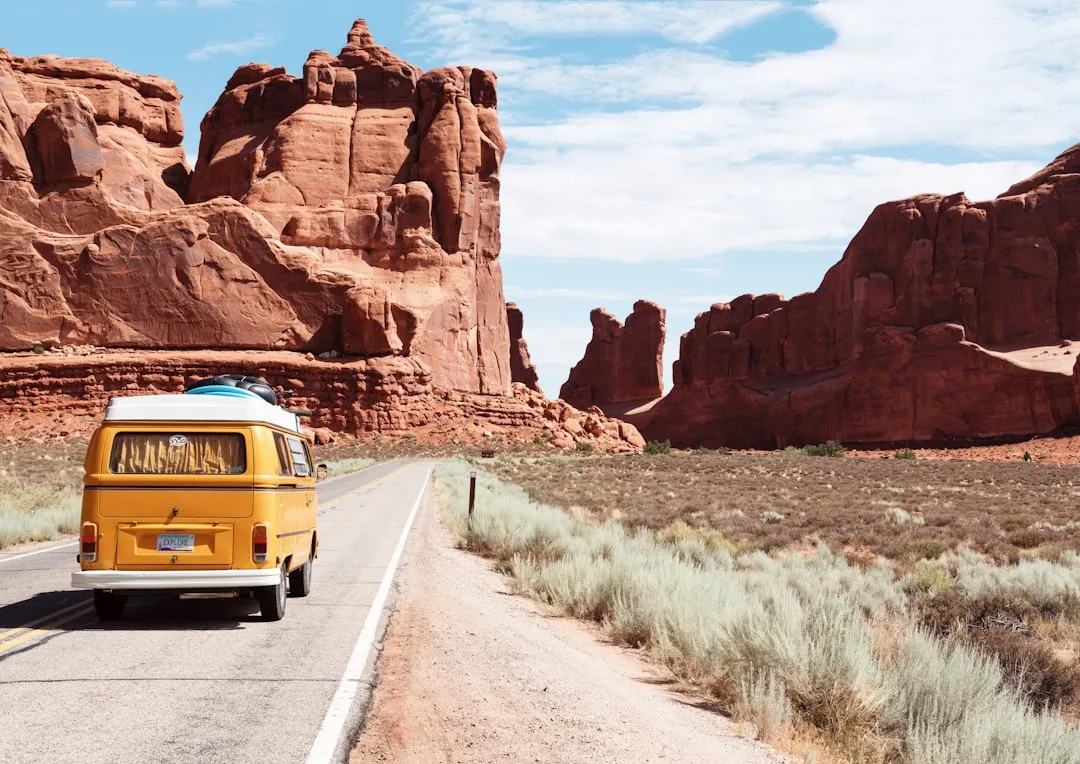
Researchers note that changing travel patterns may lead consumers to lean more heavily on nearby destinations and local amenities they might otherwise overlook, such as parks, lakes, and regional attractions. There’s something almost circular about that. Economic pressure, ironically, nudges people back toward exactly the kind of low-cost, close-to-home leisure the Sunday drive always was.
Improved fuel efficiency standards and the rise of electric vehicles may alter future driving patterns, as lower per-mile costs could encourage more trips. A world where filling up costs less might give spontaneous, purposeless drives a quiet revival. Road trips are still topping travel preference charts and are set to be among the hottest travel trends going into the coming year, with roughly a third of travelers planning to take one. The impulse to simply drive, without urgency, hasn’t disappeared from the American personality.
The Road Ahead for an Old Ritual
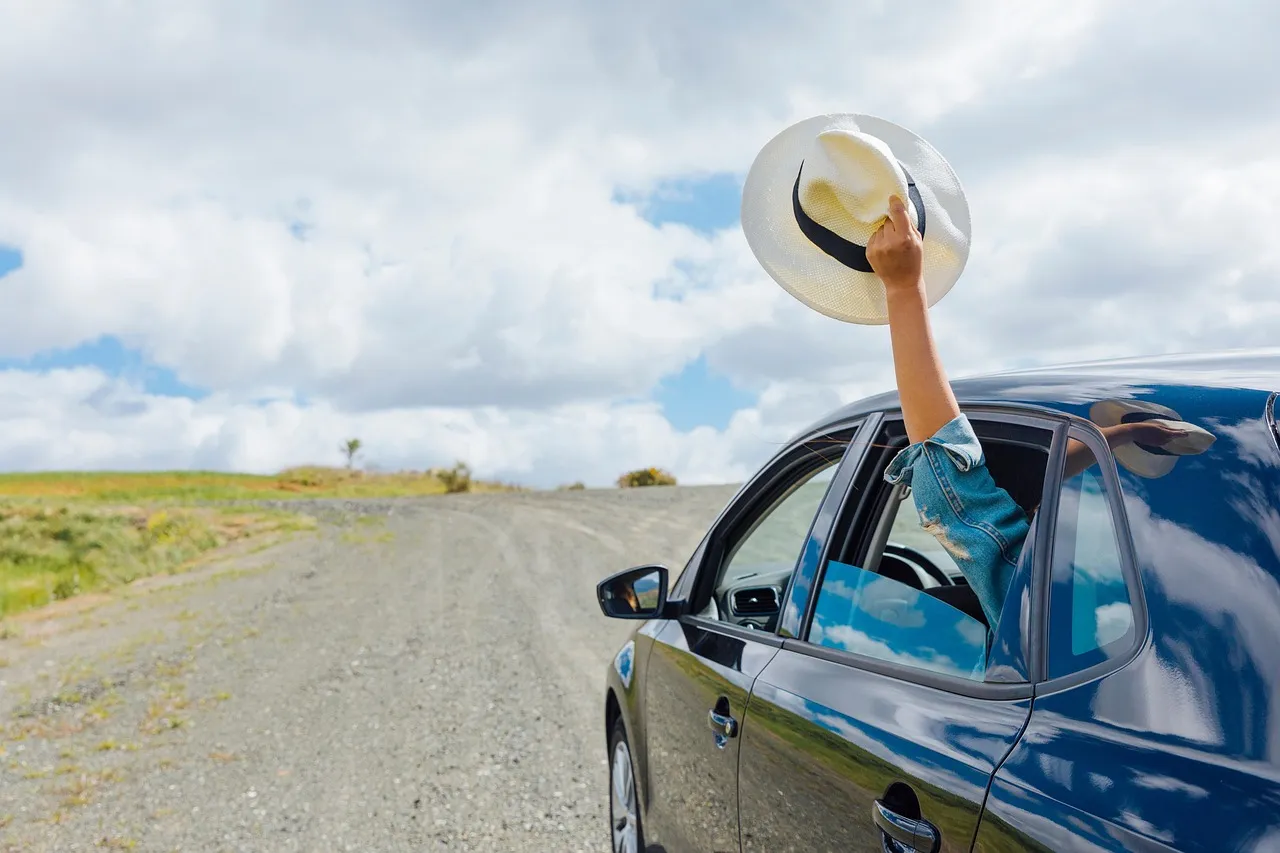
The classic Sunday drive, in its purest form, was always something of a luxury. It required free time, affordable fuel, uncongested roads, and a cultural permission to do nothing productive. Most of those conditions have gotten harder to meet. That’s the honest answer to where it went.
Yet the data suggests the death notice is premature. Road trips are still the dominant mode of leisure travel. Younger generations are driving more than the narrative gives them credit for. Higher gas prices can actually drive some consumers away from flying and back toward driving instead, which changes what leisure travel looks like rather than eliminating it.
The Sunday drive may have quietly shed its name and its leisurely pace, replaced by the road trip playlist, the scenic route chosen on a whim, or the long way home after a tough week. Different shape. Same instinct. Americans are still out there, moving through the landscape for the simple reason that sometimes, the road is reason enough.
AI Disclaimer: This article was created with the assistance of AI tools and reviewed by a human editor.