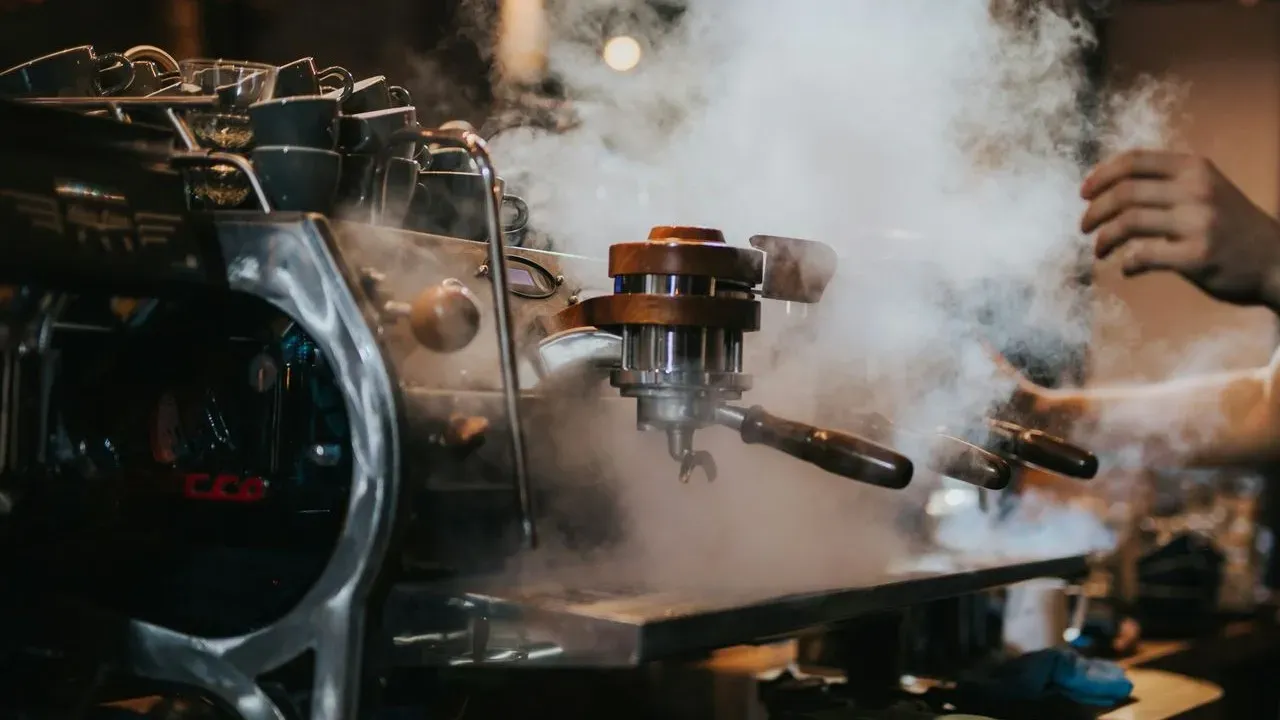

Many households notice the descale warning returning on their coffee machine weeks after completing a full cleaning cycle. The drip tray has been emptied, the tank rinsed, and the program run to completion, yet performance issues linger. This pattern points to a factor that cleaning routines alone cannot fully address.
The Role of Local Water Quality
The primary driver behind repeated scale formation is the mineral content of the water used in the machine. Hard water carries higher levels of dissolved calcium and magnesium that separate out when heated during brewing. Homes in regions with naturally harder supplies experience faster accumulation because each cycle leaves behind trace deposits inside heating elements and pipes. Usage frequency compounds the effect. Machines that prepare multiple drinks daily process more water and therefore encounter more opportunities for minerals to settle. Manufacturers design descaling intervals around average conditions, but actual household patterns often differ from those assumptions.
Common Indicators Beyond the Warning Light
The machine’s built-in alert is the most direct signal, yet other changes appear earlier in many cases. Water may take noticeably longer to pass through the system, resulting in a thinner or uneven stream of coffee. Steam output from a wand can weaken, and the appliance may produce more noise as it works against restricted flow. White particles sometimes become visible near the water outlet or inside the tank itself. These residues confirm that mineral deposits have reached a level that interferes with normal operation. Regular use in a hard-water area without recent descaling almost always leads to one or more of these symptoms.
Following Manufacturer Guidance for Descaling
Safe removal of scale begins with the specific instructions provided for each model. Different machines employ distinct cycle lengths, approved solutions, and rinsing sequences, particularly those with automated features or steam systems. Consulting the manual prevents damage that can occur from mismatched products or incomplete steps. Approved descaling agents formulated for the brand remain the safest choice. Vinegar works in some basic brewers but carries risks of odor retention or seal degradation in more complex units, so manufacturers often advise against it. Completing every rinse phase after the main cycle ensures no cleaning solution remains to affect taste or internal components.
Practical Steps to Slow Future Buildup
Adjusting the machine’s water-hardness setting to match actual local conditions helps the appliance calculate more accurate maintenance reminders. Test strips supplied with many models or reports from the local water provider supply the necessary data for this adjustment. Emptying and refilling the water tank regularly keeps standing water from contributing additional minerals. When scale appears across multiple appliances in the same home, a whole-house water softener offers a longer-term reduction in mineral load, though machine-specific filters and schedules should still be observed. Routine attention to both daily habits and periodic descaling keeps coffee machines performing reliably. Matching settings to real water conditions and completing full maintenance cycles addresses the root cause more effectively than repeated surface cleaning alone.
AI Disclaimer: This article was created with the assistance of AI tools and reviewed by a human editor.